*By Samantha Errico and Kate Gill*
Millennials have been dubbed the "entitlement generation"; they may also be the prenup generation.
According to Anne Cochran Freeman, a divorce lawyer and partner at Sideman & Bancroft, that "entitlement" translates to a desire for protection ー which may have contributed to a rise in prenuptial agreements by a factor of five over the last 20 years.
She said an early entrepreneurial spirit among many in the millennial generation also contributes to this trend. Entrepreneurs who dream up inventions or business plans before marriage may want to protect their ownership of those ideas after marriage.
"Everyone has a business idea, and people are in college creating these billion dollar businesses," she said.
Freeman said prenups also carry less stigma for millennials.
"\[Millennials\] are used to protecting themselves and they speak really frankly about things," she told Cheddar Thursday.
She said that having pragmatic conversations early in a relationship can eliminate the taboo and clarify expectations. Partners should ask frank questions, such as: "This business idea: Is that yours or do you want me to work on it? Do you want me to leave my job in order to work on that with you?"
To Freeman, prenups can set the tone of a union and create expectations for "the kind of marriage you want to have."
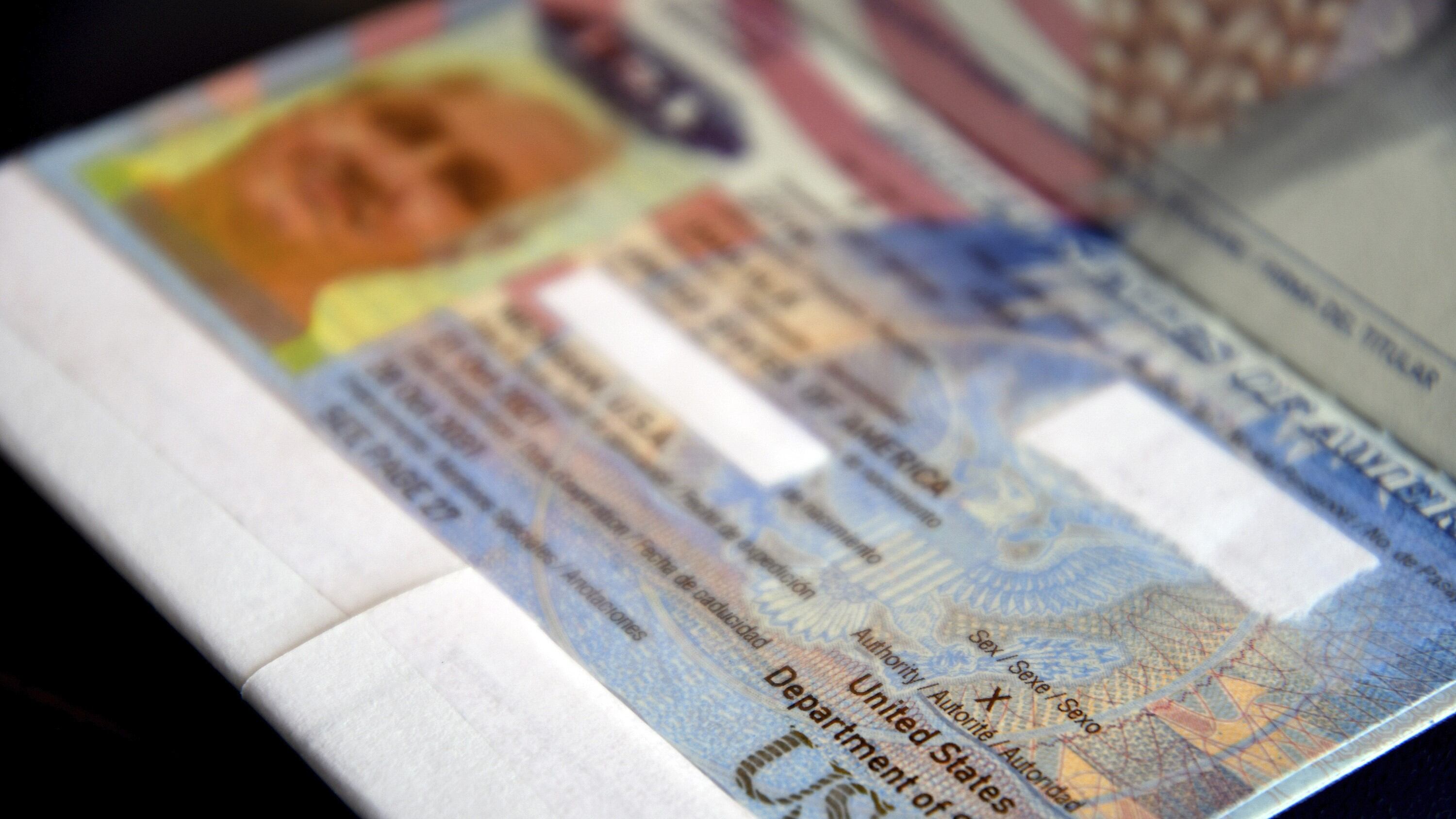
The United States has issued its first passport with an “X” gender designation for people who don’t identify as male or female.
Dems race for a deal on President Biden's economic agenda ahead of his big foreign trip. What to make of the latest threat assessment in Afghanistan. Plus, the meme cryptocurrency of the moment that's now worth more than many Fortune 500 companies.
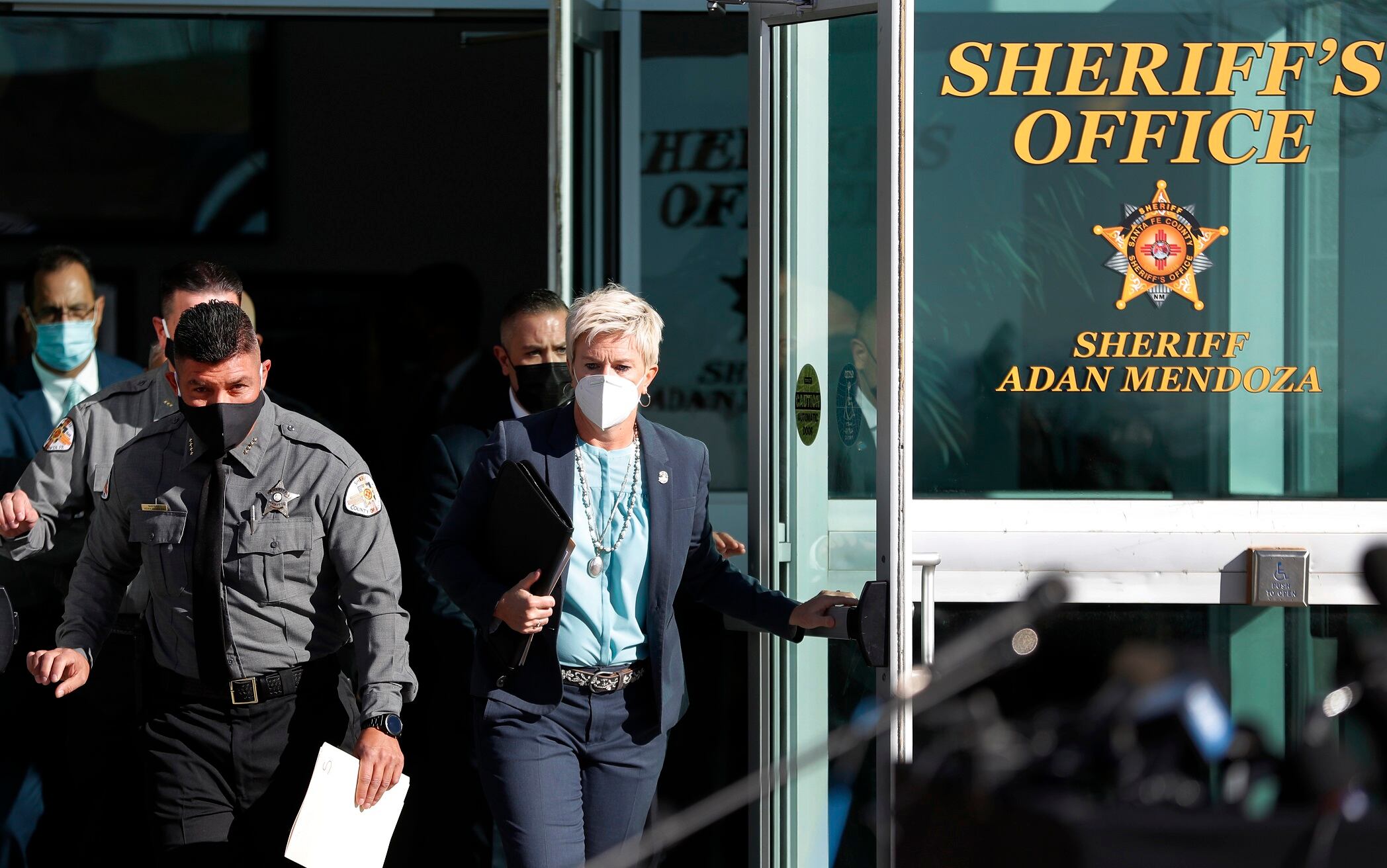
Investigators say there was “some complacency” in how weapons were handled on a movie set where Alec Baldwin accidentally shot and killed a cinematographer and wounded another person.
Jill and Carlo discuss the pending approval for Pfizer's vaccine for kids, the state of anti-Semitism three years after Tree of Life, potential criminal charges in the 'Rust' prop gun shooting and more.
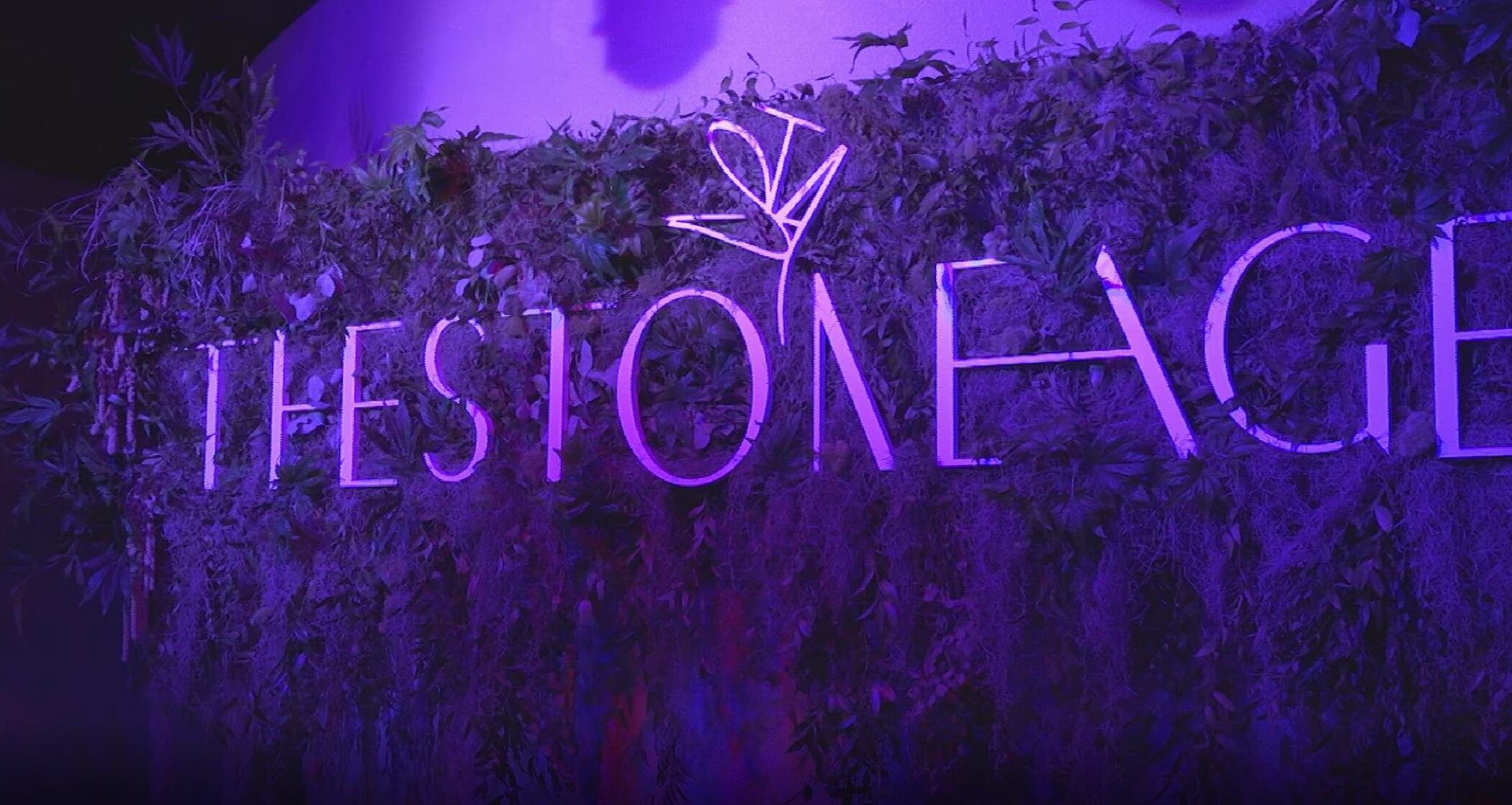
New York City's first immersive cannabis experience, The Stone Age, is seeking to change the narrative about cannabis, just in time for legalization.
All the news you Need2Know for Tuesday, October 26, 2021.
A report in the New York Times published Sunday called 'Inside Amazon's Worst Human Resources Problem' details the company mishandling paid and unpaid leave for some of its workers for more than a year and a half, following an email sent to Amazon founder Jeff Bezos from a new mother who works at a warehouse in Oklahoma, which then led to an internal investigation at Amazon. Seattle tech correspondent for the New York Times Karen Weise joined Cheddar News' Closing Bell to talk about her report and what the Amazon investigation found.
Facebook the company is losing control of Facebook the product — and of the carefully crafted image it’s spent over a decade selling despite problems like misinformation, human trafficking, and pervasive extremist groups on its platform.
Jill and Carlo cover the latest developments in the Alec Baldwin prop gun shooting, when vaccines for kids as young as 5 should be approved, new reporting on Facebook and more.
The Supreme Court is allowing the Texas law that bans most abortions to remain in place for now but has agreed to hear arguments in the case on Nov. 1.