Prenup Generation: Millennials Drive Surge in Prenuptial Agreements
*By Samantha Errico and Kate Gill*
Millennials have been dubbed the "entitlement generation"; they may also be the prenup generation.
According to Anne Cochran Freeman, a divorce lawyer and partner at Sideman & Bancroft, that "entitlement" translates to a desire for protection ー which may have contributed to a rise in prenuptial agreements by a factor of five over the last 20 years.
She said an early entrepreneurial spirit among many in the millennial generation also contributes to this trend. Entrepreneurs who dream up inventions or business plans before marriage may want to protect their ownership of those ideas after marriage.
"Everyone has a business idea, and people are in college creating these billion dollar businesses," she said.
Freeman said prenups also carry less stigma for millennials.
"\[Millennials\] are used to protecting themselves and they speak really frankly about things," she told Cheddar Thursday.
She said that having pragmatic conversations early in a relationship can eliminate the taboo and clarify expectations. Partners should ask frank questions, such as: "This business idea: Is that yours or do you want me to work on it? Do you want me to leave my job in order to work on that with you?"
To Freeman, prenups can set the tone of a union and create expectations for "the kind of marriage you want to have."
OceanGate Expeditions on Thursday said pilot and chief executive Stockton Rush, along with passengers Shahzada Dawood and his son Suleman Dawood, Hamish Harding, and Paul-Henri Nargeolet “have sadly been lost.”
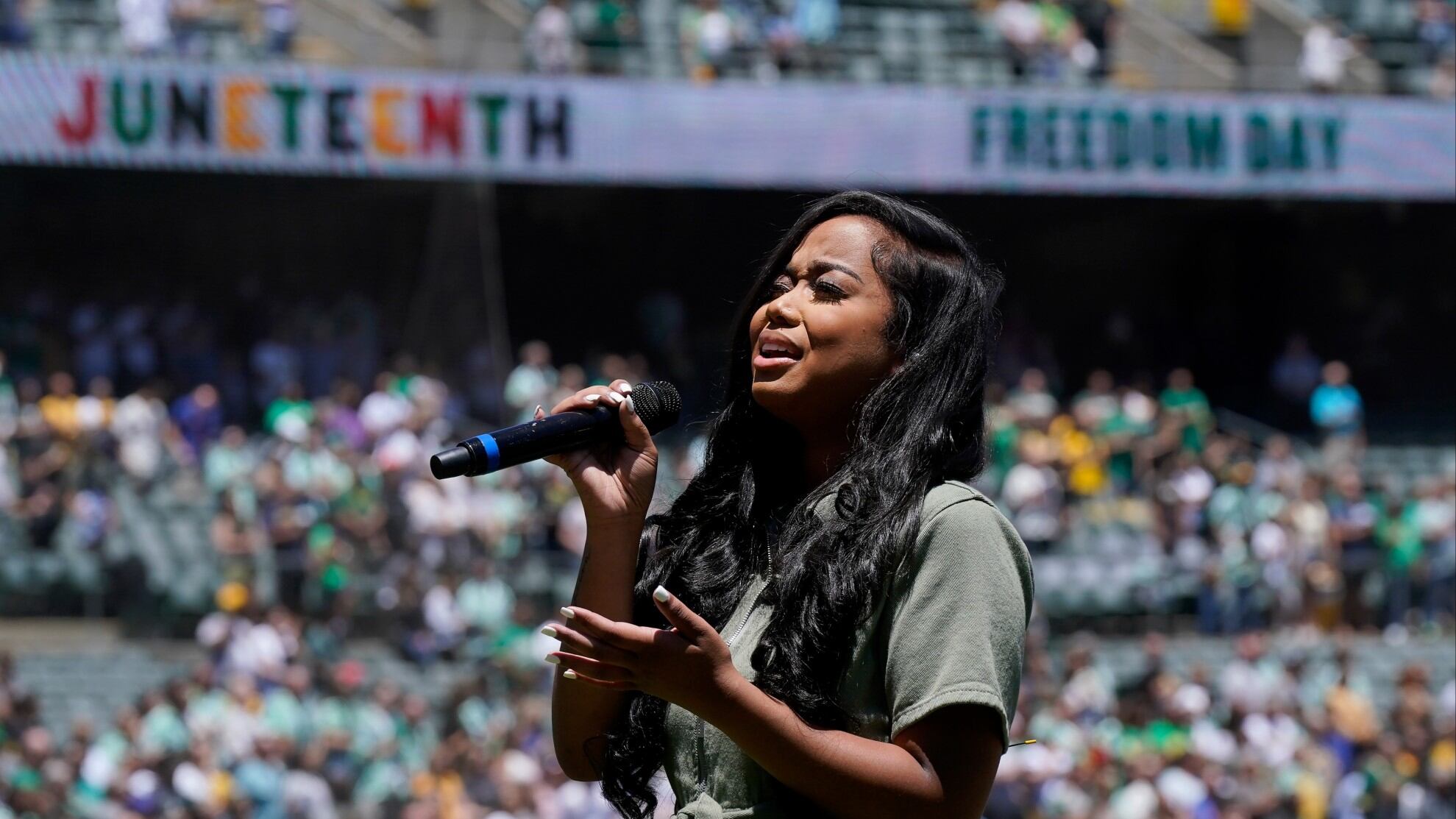
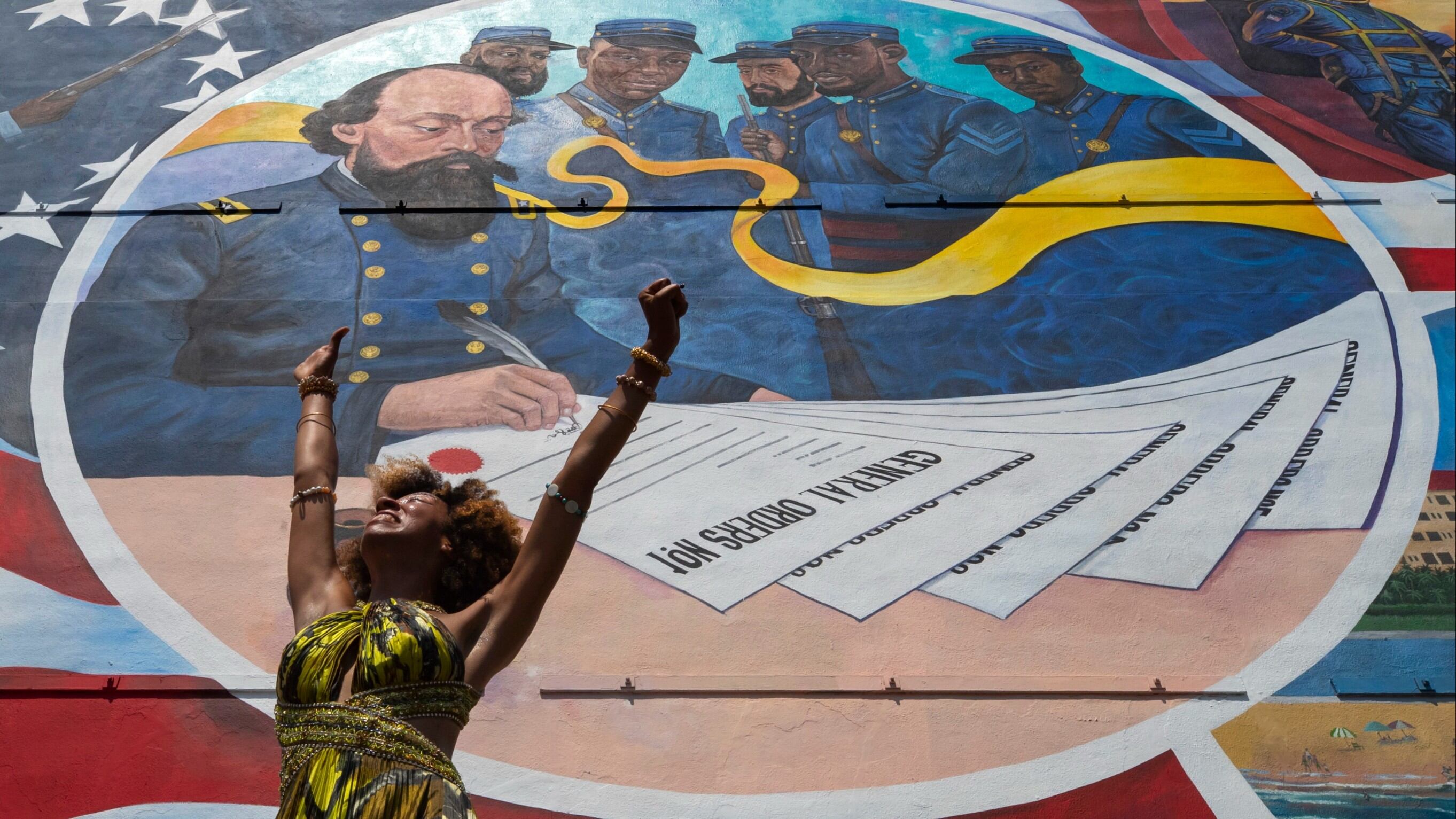
Americans across the country this weekend celebrated Juneteenth, marking the relatively new national holiday with cookouts, parades and other gatherings as they commemorated the end of slavery after the Civil War.
Alina Hauptman of Best Friends Animal Society highlights some new pets up for adoption and gives some pointers on how to keep pets safe from wildfire smoke.
If you thought getting older meant slowing down, we want to introduce you to a group that's proving you're never too old to soar through the skies. News 12 visited an airport in Danbury, Connecticut to meet a hobbyist group called the United Flying Octogenarians.
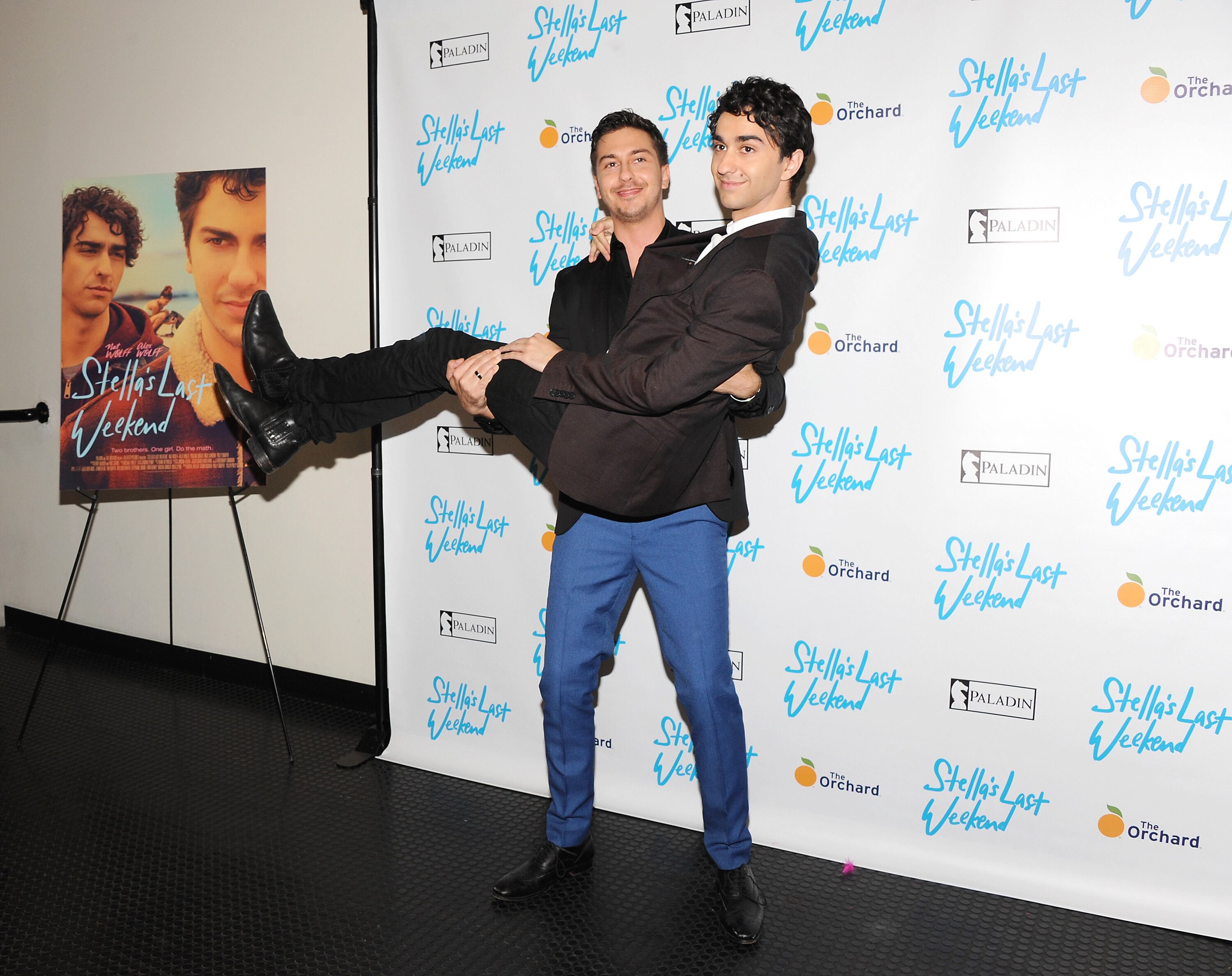
Nat and Alex Wolff, the New York-native brother duo, both of whom started out on the Nickelodeon hit series "The Naked Brothers Band," joined Cheddar News to discuss their new album, "Table for Two."