Industrial giant 3M played a critical role in supplying needed medical supplies and personal protective equipment during the COVID-19 pandemic.
Now the manufacturer is urging the federal government to take steps to improve and diversify its national stockpile, so that next time the country is better prepared.
"We learned a ton through the COVID-19 pandemic, but we also had a lot of expertise dealing with pandemics before," John Banovetz, chief technology officer at 3M, told Cheddar. "H1N1, SARS, all helped us prepare. We've learned a lot. We learned a lot about the importance of collaboration. We learned a lot about the importance of just being prepared."
In preparing for future pandemics, Banovetz said the U.S. should focus on "management, manufacturing, and mobility." Specifically, a recent report from 3M recommended making sure a national stockpile is "mandated and funded," working with law enforcement to fight fraud and price gouging, and establishing emergency budgets and use authorizations.
He also stressed that the government should strive for supply chain flexibility.
"As a company, for instance, we've prepared our supply chains," he said. "We went to a regional kind of manufacturing model, in which we were able to respond anywhere in the word around PPE requirements or demand for N95s."
3M has also prioritized partnerships, such as those with the Department of Defense, which worked with the company to boost production of needed supplies for the pandemic.
Banovetz explained that 3M did have "some surge capacity" built into its global and U.S. supply chains during the early days of the outbreak, but "nothing prepared [us] for the COVID-19 pandemic that hit and the high demands that you saw in such a short time."
Over the span of the pandemic, the company has supplied over a billion respirators to the U.S. and is currently making 95 million more per month after a significant ramp-up.
"We've quadrupled our production in that short time frame, but demand continues to outstrip supply across the entire industry," he said. "But we're doing everything we can to close that gap and supply the PPE, particularly to the frontline workers and the healthcare workers around the country."
With an increasing demand for mental health services, one person wanted to change the therapy game. In 2017, CEO Alex Katz founded Two Chairs, a company that uses technology to match patients with the right therapist.
Not only is April Financial Literacy Month, it’s also the kickoff of the spring homebuying season. So now is the time to make sure you have a financial plan in place – and why it might not be wise for that to include buying your first home.
While the U.S. may slowly be on the path to lowering inflation (and therefore interest rates), Europe has thoroughly trounced America, putting it on the path to lower rates by this summer.
April's release of the monthly Housing Starts and Building Permits reports by the Census Bureau provides crucial insights into the construction activity in the housing market. These reports are an economic indicator, shedding light on the current state of the housing market and its broader economic impact.
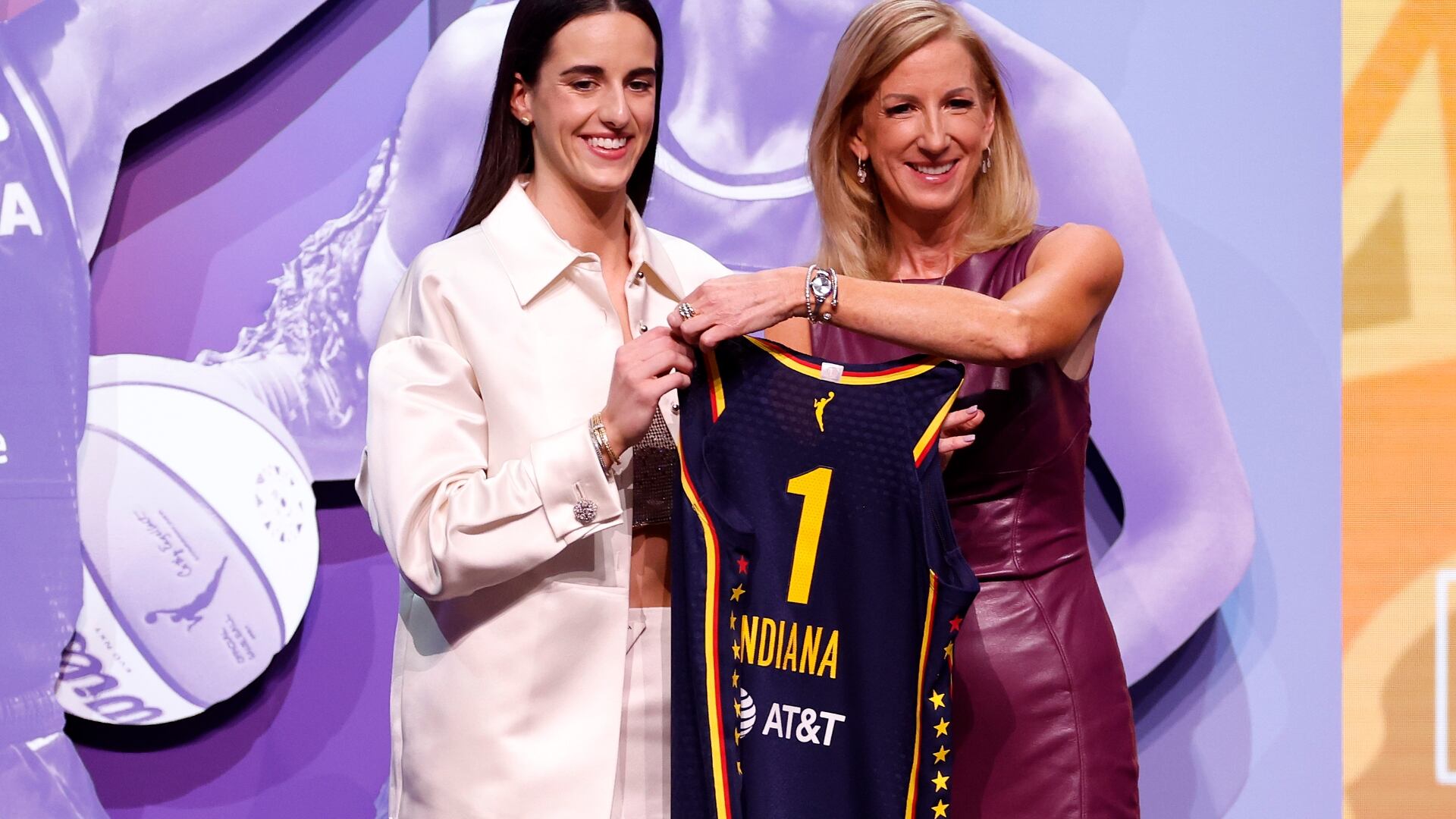
Caitlin Clark is heading to the Indiana Fever, the number one draft pick and the highest-scoring college basketball player of all time. And while she may not be getting millions from the WNBA, there's a few ways she'll net compensation for her generational talents.
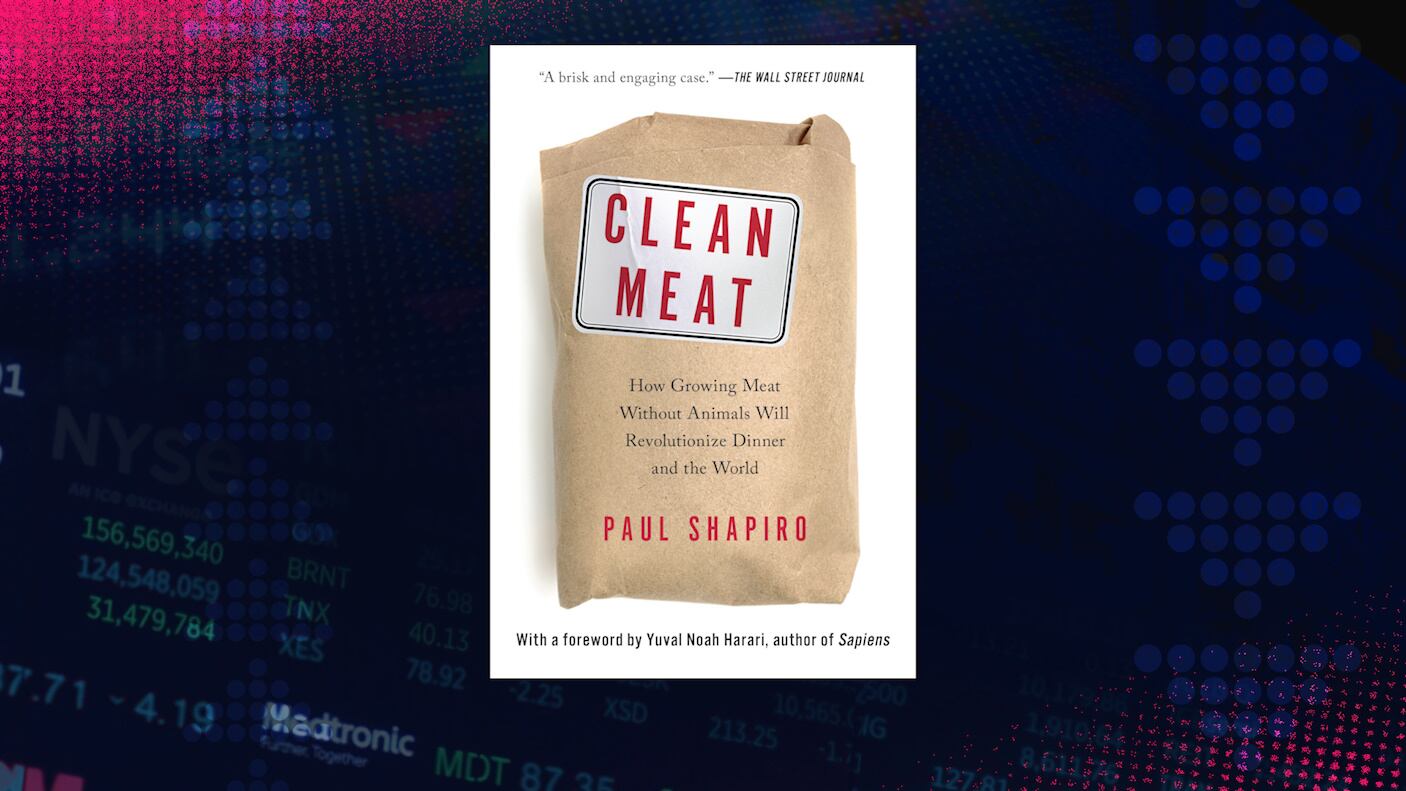
Author of 'Clean Meat,' Paul Shapiro joins Cheddar to discuss how the cellular agricultural revolution helps lower rates of foodborne illness and greatly improves environmental sustainability. Plus, how his company The Better Meat Co. is bringing healthier food options to the table.
Recent headlines might make it sound like World War III is imminent, but when it comes to your finances, it's not the time to panic. The market is coming off its longest winning streak since 2011.
You may have noticed fewer new venture capital-backed startups (like Airbnb or Uber) lately. The market slowed to a crawl after 2021, but things are expected to take off again in 2025.
Corporate earnings season is underway, that time when companies share their billions in sales or double-digit profits. But the data shows even companies are struggling with high inflation and interest rates.
Boeing continues their terrifying trend of having their planes fall apart mid-flight, inflation — checks notes — is still up and the future of AI looks terrifying. Cheery!