Coca-Cola is giving the Powerade brand its first update in more than a decade and Shane Grant, President of the Still Beverage Division told Cheddar the time is ripe for change.
“What we’ve seen, really, in the sports trend market is some pretty fast evolution,” said Grant, adding, ”What we’ve seen is traditional core-sports drinks serving, what we think, is probably only a third of what we call ‘sweat moments.’”
Two of the new products will be called Powerade Power Water and Powerade Ultra. The company created the new sugar-free products as market research showed casual athletes are seeking out zero-calorie, water-based drinks.
The drinks will also feature shelf-stabilized creatine, which is supposed to provide energy to muscles. “Our data would show almost 70 percent of sports-drink users use some kind of supplement,” said Grant while noting that creatine use is growing at a high rate.
Grant told Cheddar there has been “pretty fast growth in casual athletic pursuit -- everything from running, jogging, CrossFit, to maybe biking.” He called that a “divergence of sweat moments.” Coupled with growth in what Grant called “high end, more endurance, more intense athletic activity,” Powerade saw an opportunity to create sports drinks to serve every type of user.
He believes the field will continue to grow as people become more active and Powerade hopes to play into that growth, deploying more marketing in 2020 ahead of the Tokyo Olympics.
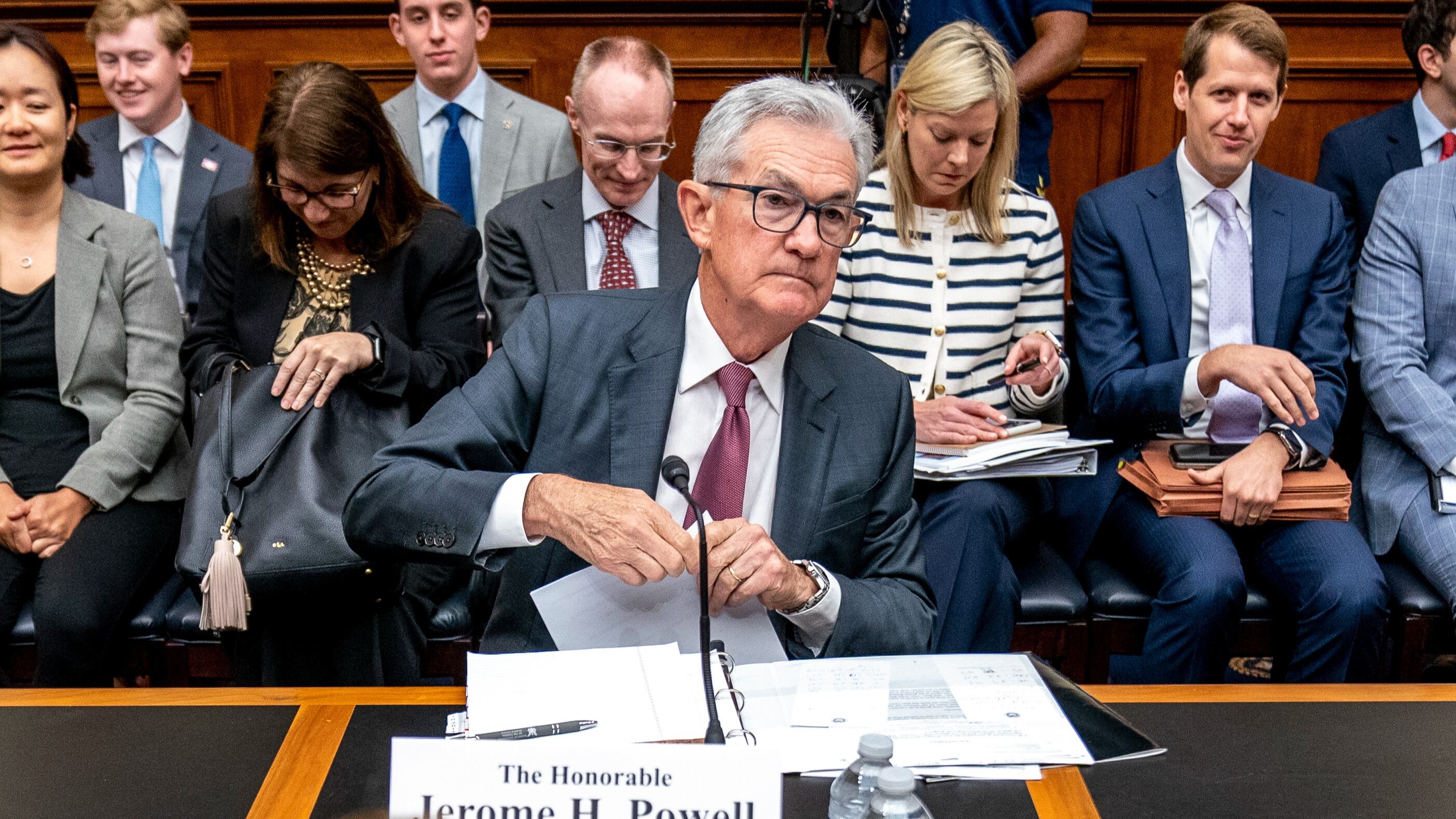
In his second day of testimony before the Senate Banking Committee, Federal Reserve Chair Jerome Powell reiterated that the board is considering more interest rate hikes.
The government will require heavy trucks and buses to include automatic emergency braking equipment within five years, the federal traffic safety agency said Thursday, estimating it will prevent nearly 20,000 crashes save at least 155 lives a year.
The Food and Drug Administration on Thursday said it has sent warning letters to dozens of retailers selling fruit- and candy-flavored disposable e-cigarettes, including the current best-selling brand, Elf Bar.
Whether your credit card has declined or if you had difficulty splitting a bill at an outing, those awkward financial moments can get the best of us. Bobbi Robell, founder of Financial Wellness Strategies and author of "Launching Financial Grownups," joined Cheddar News to provide tips on how to handle those tense situations.
With inflation in the United States still excessive, most Federal Reserve officials expect to raise interest rates further this year, Chair Jerome Powell told a House committee Wednesday.
For the first time, U.S. regulators on Wednesday approved the sale of chicken made from animal cells, allowing two California companies to offer “lab-grown” meat to the nation's restaurant tables and eventually, supermarket shelves.