*By Madison Alworth*
Poshmark, the online second-hand store, has turned selling your old duds into a billion-dollar business, helping more than 4 million people clean out their closets and switch up their wardrobes for some serious cash.
"Social selling has come of age," said Manish Chandra, the CEO of Poshmark, an online social marketplace that encourages its members to "embrace your weirdness."
Sellers use the platform to get rid of the fashions they no longer want and spread their style to buyers who comb the platforms for just the right look.
"They're curating from their own closets and boutiques, but also from other people's closets," said Chandra. "Every day we have 14 million items being curated, every single day. Over a hundred million dollars worth of inventory gets uploaded every week."
The digital thrift shop guarantees two-day priority shipping for a flat $6.49. For packages that exceed five pounds, added shipping costs are paid by the seller.
"Amazon is always going to be a company to be respected, but I think we've built a fairly unique model which plays in so many different ways to our strength," Chandra said.
For the full interview, [click here](https://cheddar.com/videos/poshmark-hits-new-milestone).
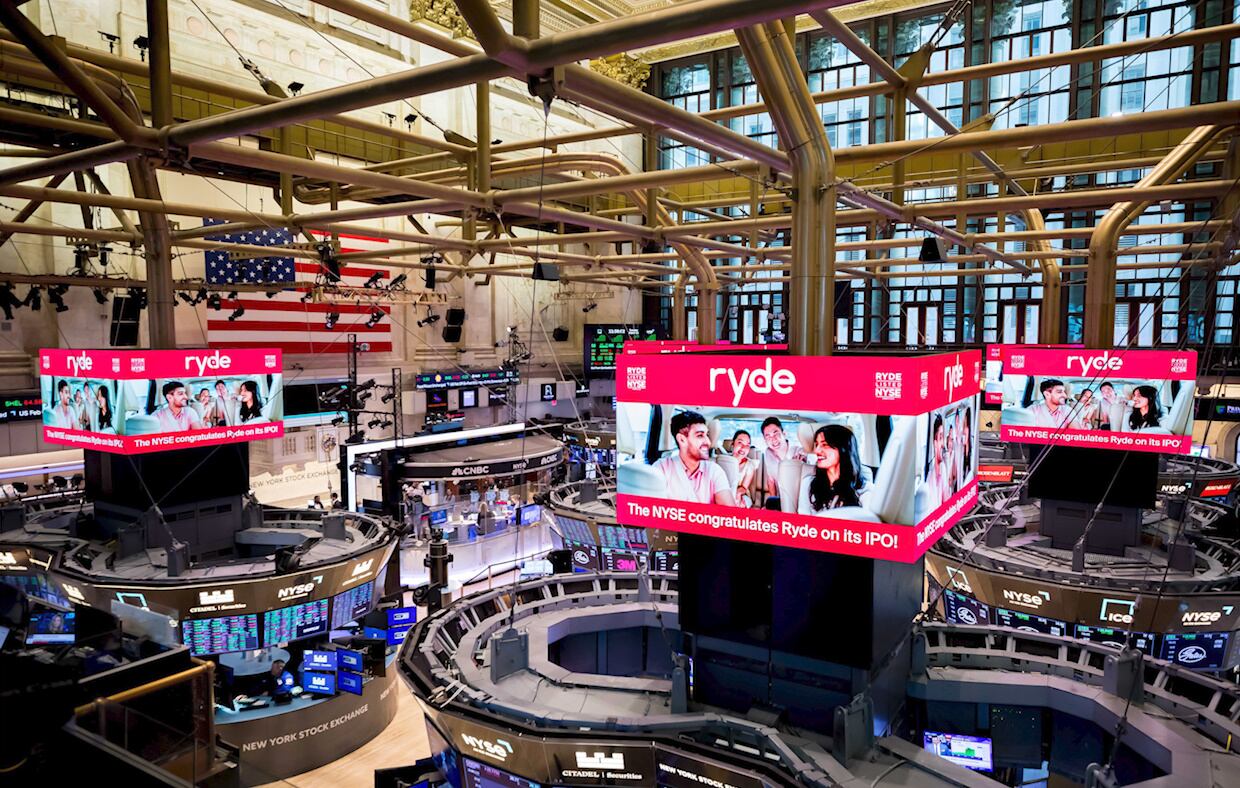
With inflation and prices still on the rise, it might be worth considering a carpool app. One of them, Singapore-based Ryde, just went public in the U.S.
Full Glass Wine Co., the company behind Bright Cellars, Wine Insiders, and Winc, knows you fell in love with home delivery during the pandemic – and it’s investing millions into making it even better.
It might sound counterintuitive, but the Fed cutting interest rates three times this year could cause inflation to spike and actually be worse for markets and the economy as a whole.
Imagine a world with just a handful of mediocre beer options. Terrible, right? That was the U.S. before the explosion of craft breweries, the Samuel Adams founder says.
March was a blockbuster month for jobs, with 303,000 new positions – and paired with slower wage growth, an economist and a portfolio manager agree this could be the ‘best of both worlds.’