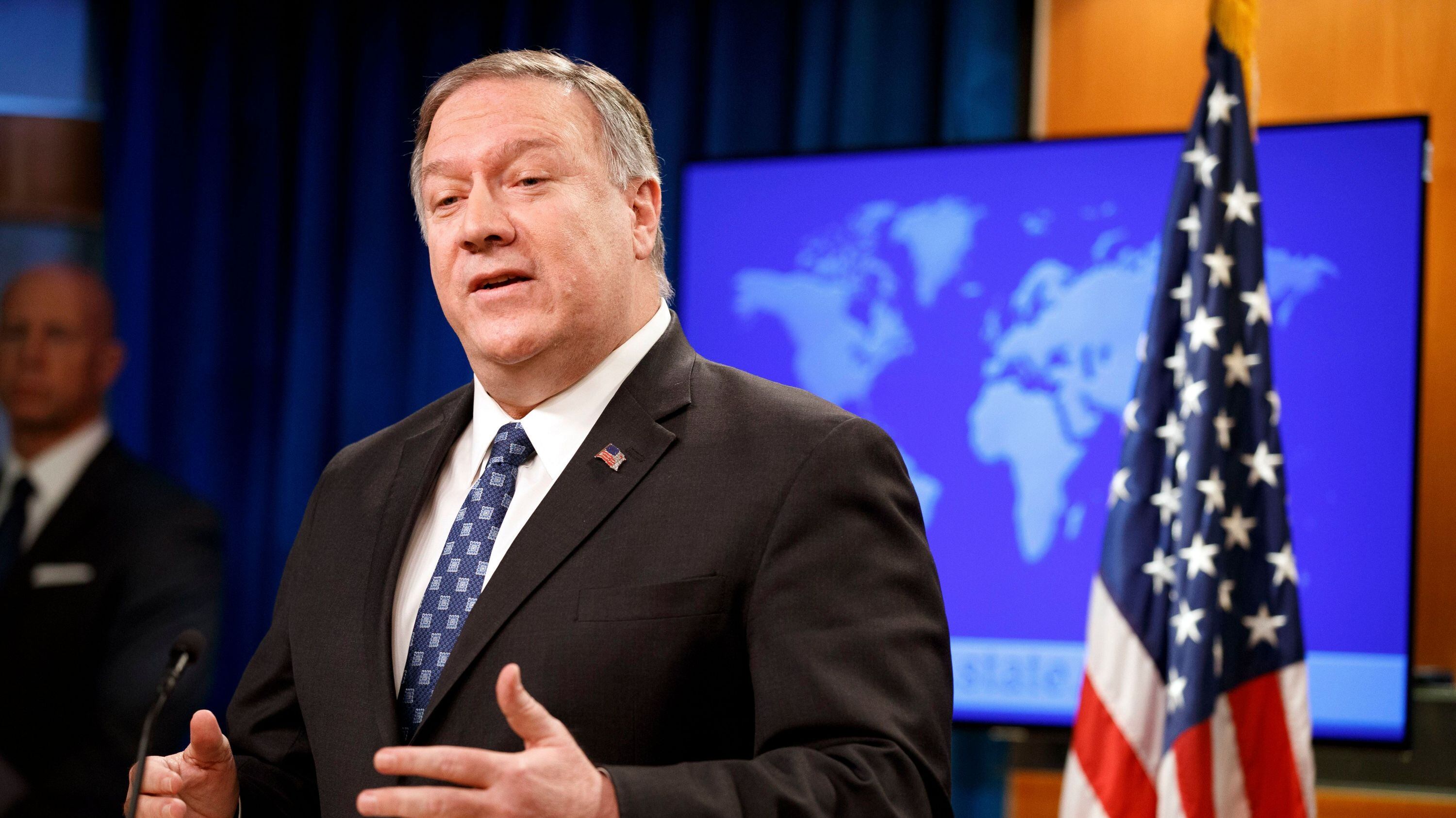
Secretary of State Mike Pompeo said Tuesday that reports Gen. Qassem Soleimani was on a diplomatic mission when he was killed are "fundamentally false" and asserted that the president's actions that led to his death were both legal and appropriate.
As tensions continue to rise in the Middle East, Pompeo answered questions from reporters at the State Department after making remarks on issues that included turmoil in Venezuela and the Australian wildfires, for which he offered his condolences.
Pompeo, the former C.I.A. director, declined to provide evidence of what has been repeatedly described by the White House as an "imminent" threat from Iran that led to the assassination. He further said the timing of the attack was less important than the fact that American lives were threatened.
"If you're looking for imminence, you need to look no further than the days that led up to the strike that was taken against Soleimani," he said.
An American contractor was killed late last month in a rocket attack by an Iran-backed militia in Iraq. After the U.S. ordered a retaliatory missile strike, protesters stormed the embassy in Baghdad on New Year's Eve. Some Pentagon officials have said intelligence did not show an imminent attack.
He added, "And then you, in addition to that, have what we can clearly see were continuing efforts on behalf of this terrorist to build out a network of campaign activities that were going to lead potentially to the death of many more Americans."
"It was the right decision, we got it right," and U.S. intelligence supported that conclusion, Pompeo claimed, defending both the president's authorization of the strike and the broader Iran policy.
Pompeo said the U.S. would also abide by international law. On Monday, Defense Secretary Mark Esper acknowledged that striking cultural sites is a war crime, despite the president tweeting about such potential targets in Iran. When questioned on the subject, Pompeo said "let me tell you who's done damage to the Persian culture. It's not the United States of America. It's the ayatollah."
Meanwhile, U.S. forces were placed on high alert in the Middle East amid military intelligence suggesting Iran is moving equipment to launch drone strikes.
Pompeo said the president had acted in an "entirely legal, appropriate" way that was "perfectly within our strategy," which he described as a "pressure campaign we have in place … diplomatic component, economic component, and military component."
"In the event that the Iranians make another bad choice, the president will respond in the way he did last week," he said.
Last week, President Trump authorized the airstrike killing Soleimani and his adviser Abu Mahdi al-Muhandis at the Baghdad airport, angering Tehran for killing the high-profile commander of the Quds Force and frustrating some American politicians who feel he took his power too far.
The president ordered the strike without giving notice to Congress, seemingly conflicting with the War Powers Act of 1973. Speaker Nancy Pelosi said she will hold votes this week when the House of Representatives is back in session to limit the president's ability to act unilaterally. A Senate vote is expected as well.
Concerns over inflation have become one of the biggest worries for executives. A survey from The Conference Board shows that more than 900 CEOs consider inflation a top tier concern, a major shift from last year's survey that had it as a low-level concern. Rebecca Ray, Executive Vice President, Human Capital, The Conference Board joined Cheddar's Opening Bell for more.
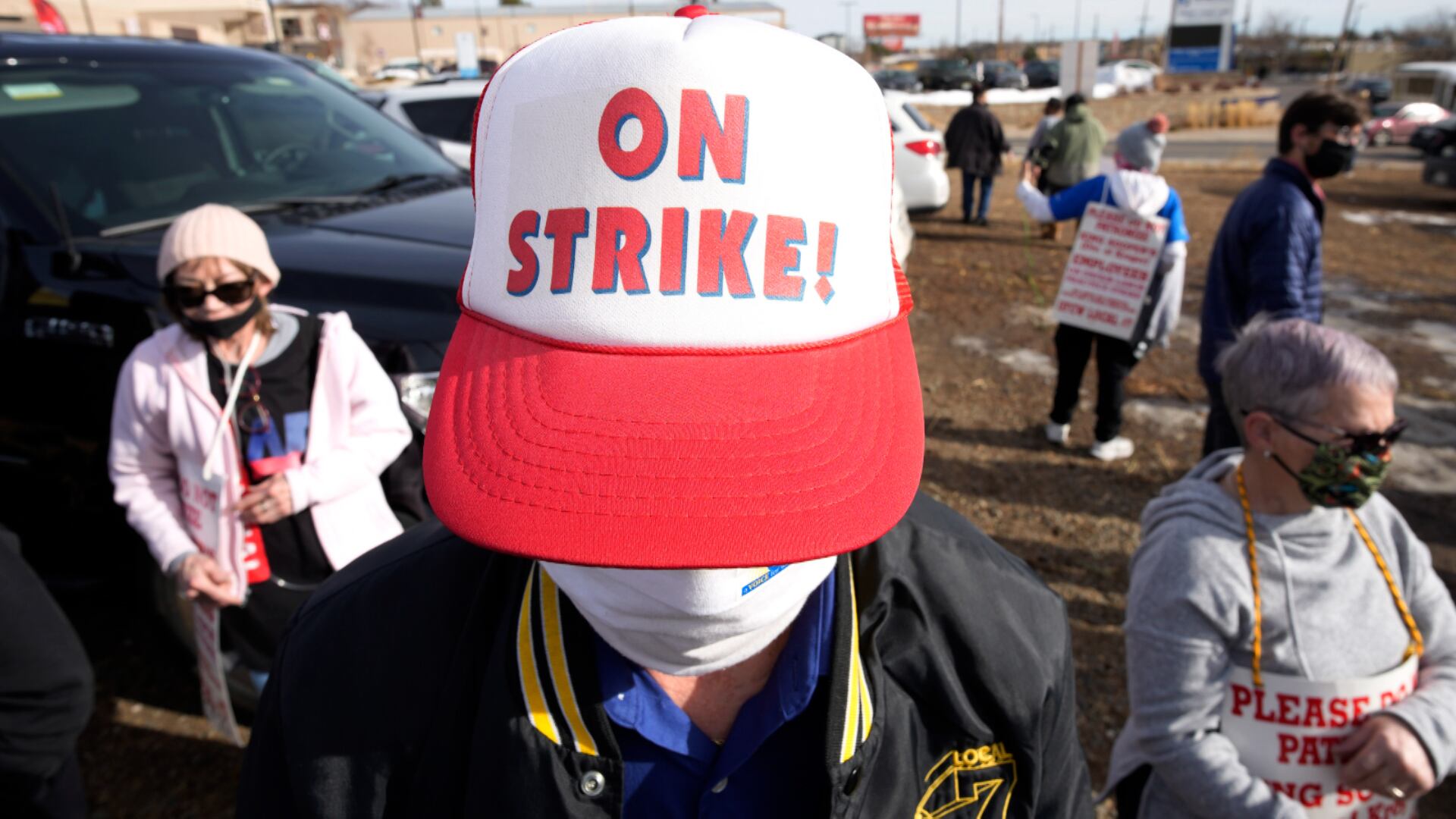
Jordan Zakarin, Media Producer at A More Perfect Union, joined Cheddar News to break down the latest from Colorado, where at least 8,700 Kroger employees walked off the job in demand of increased benefits and wages.
With the 2022 Winter Olympics in Beijing rapidly approaching, clouds of controversy continue to swirl around China's treatment of the Uyghur Muslim minority population, its surveillance state, and security for visiting athletes. Phelim Kine, China correspondent for Politico, joined Cheddar to break down the big storylines surrounding the Beijing Games and highlight what he saw as the complete disregard by top corporate sponsors like P&G, Airbnb, Intel, Visa, and Coca-Cola, for the controversies. "They spend $100 million for every Olympics that they sponsor, and they have frankly shown absolute willful indifference to any type of entreaty to essentially be more vocal about their concerns about human rights in China," he said. Kine also touched on the data privacy fears for athletes as visiting contingents are being told to carry burner phones to avoid security risks.
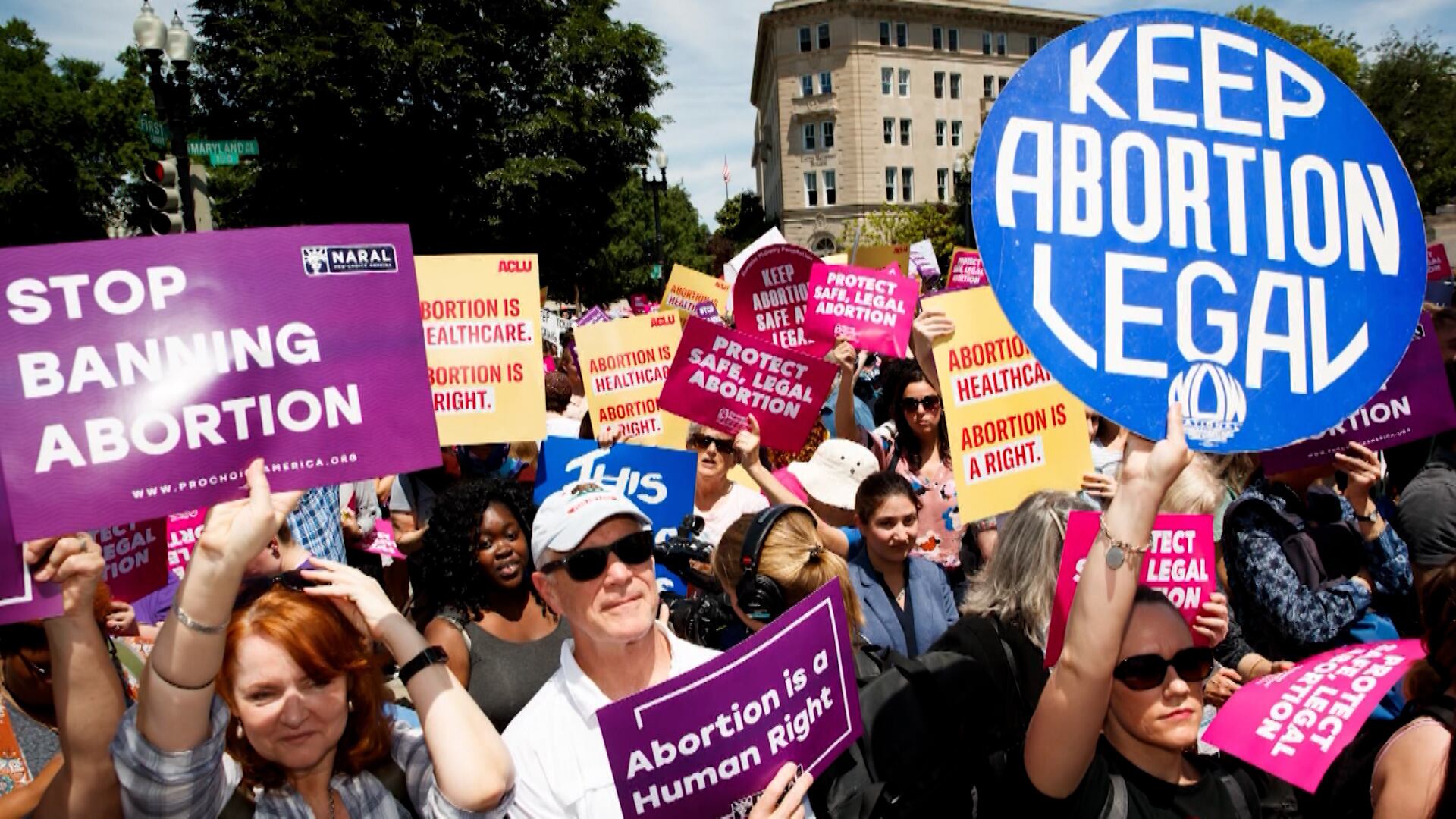
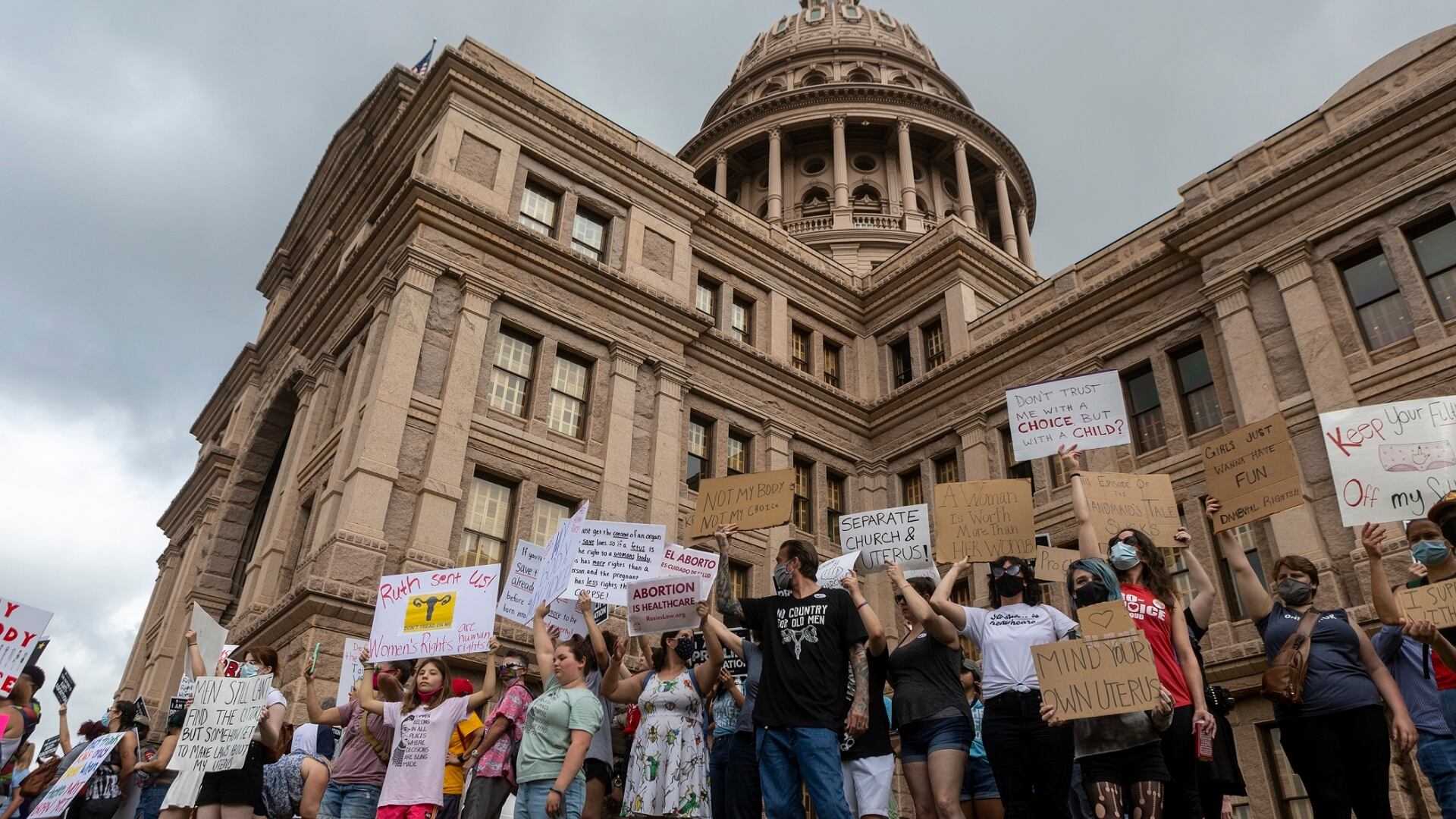
Texas's six-week abortion ban remains in effect after a federal appeals court ruling on Monday. The U.S. court of appeals for the fifth circuit temporarily transferred the case to the Texas Supreme Court, which is expected to leave the dispute in limbo for months to come. Katie Barlow, attorney and media editor of SCOTUSblog, joins Cheddar News to discuss.
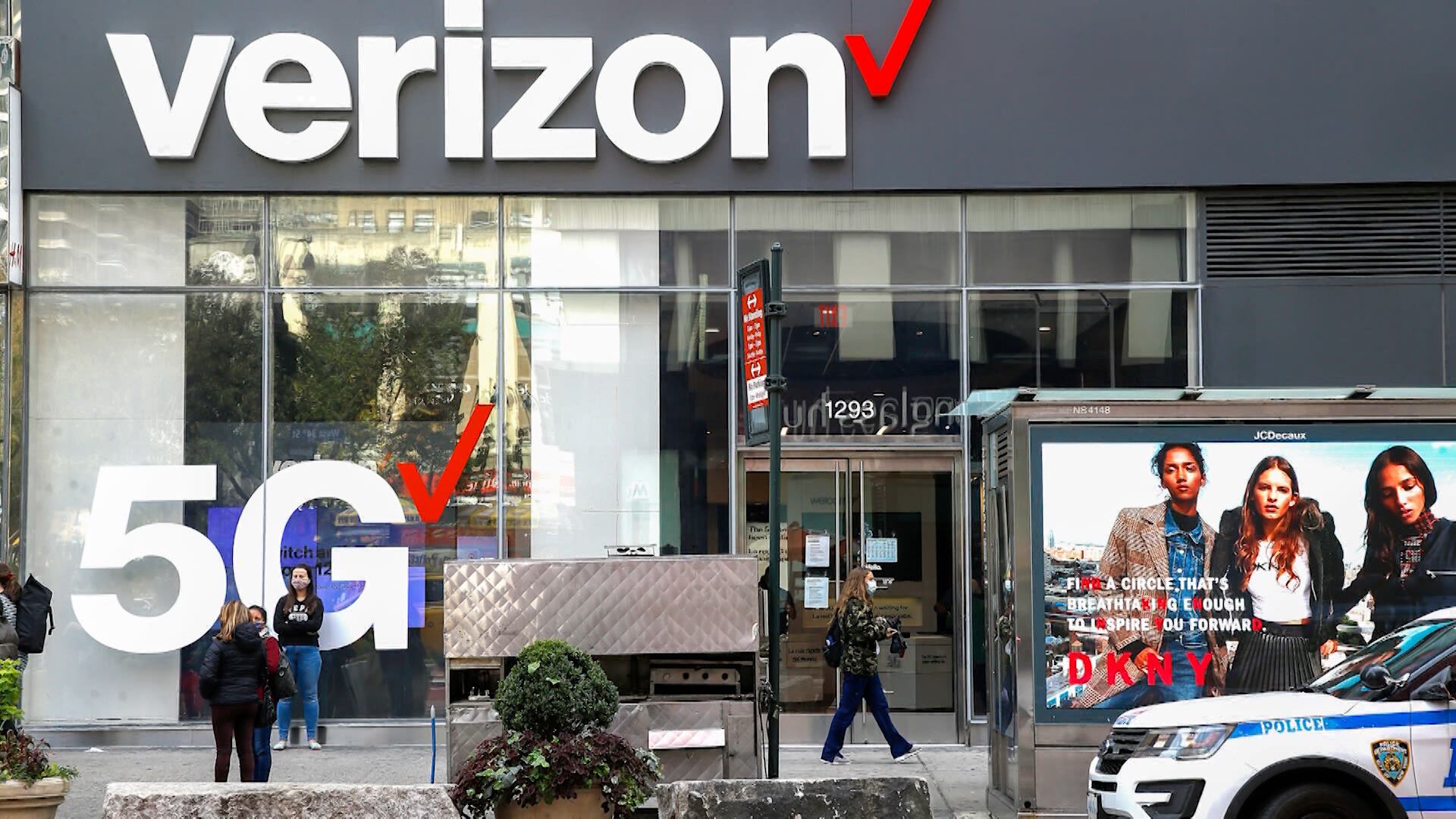
Hugh Odom, founder and president of Vertical Consultants, shared his expertise on telecommunications with Cheddar on the safety issue raised about 5G deployment by airlines. The installation was partially delayed again on Tuesday as the airlines warned of potentially catastrophic delays in a letter to the Biden administration. Later, both Verizon and AT&T relented and put a pause on some of the implementations. "The first thing the Biden administration needs to do is get everybody in the room and say, look, aviation industry, identify the problem — wireless industry, come up with a solution," said Odom.
Dave Levinthal, deputy Washington Bureau chief at Insider, joins Cheddar News to discuss Gallup's new survey that reveals more Americans leaned Republican by the end of 2021.
Women's March ATX rally, Saturday, Oct., 2, 2021, at the Texas State Capitol in Austin, Texas. An expected decision by the U.S. Supreme Court in the coming year to severely restrict abortion rights or overturn Roe v. Wade entirely is setting off a renewed round of abortion battles in state legislatures. (AP Photo/Stephen Spillman, File)
Inflation in the U.S. is only getting hotter. The 12-month inflation rate for December 2021 was the highest in nearly 40 years - continuing the trend seen at the close of 2021.
The Consumer Price Index increased 7% in the 12-month period ending in December, marking the fastest increase since 1982. Scott Wren, Senior Global Market Strategist at Wells Fargo Investment Institute, joined Cheddar's Movers for more.
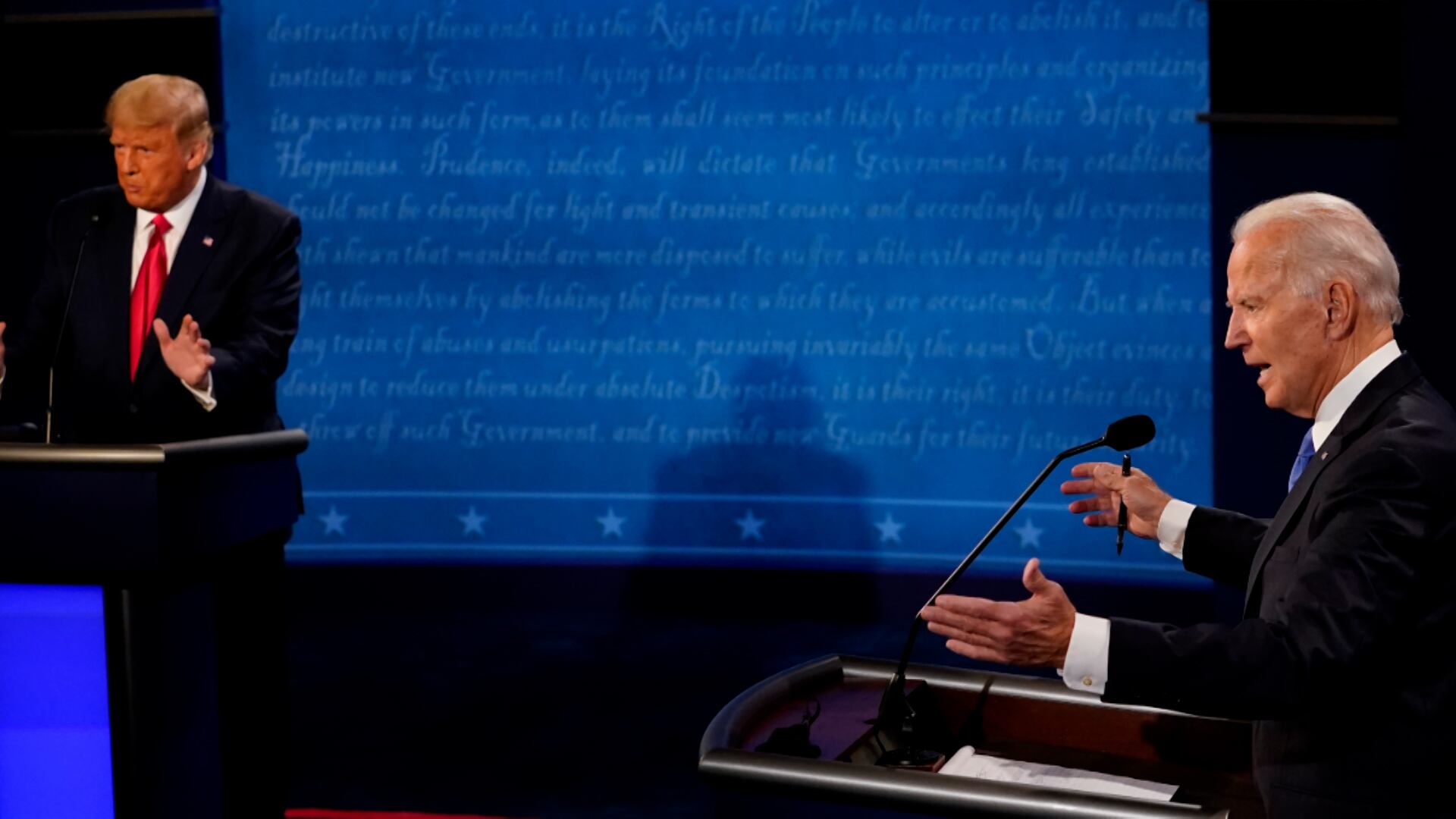
If President Biden runs for re-election in 2024, he may not have anyone to debate. The Republican National Committee sent a letter to the commission on presidential debates, saying the RNC will require candidates to pledge not to participate in those general election debates. Paris Dennard, RNC national spokesperson, joins Cheddar News to discuss.