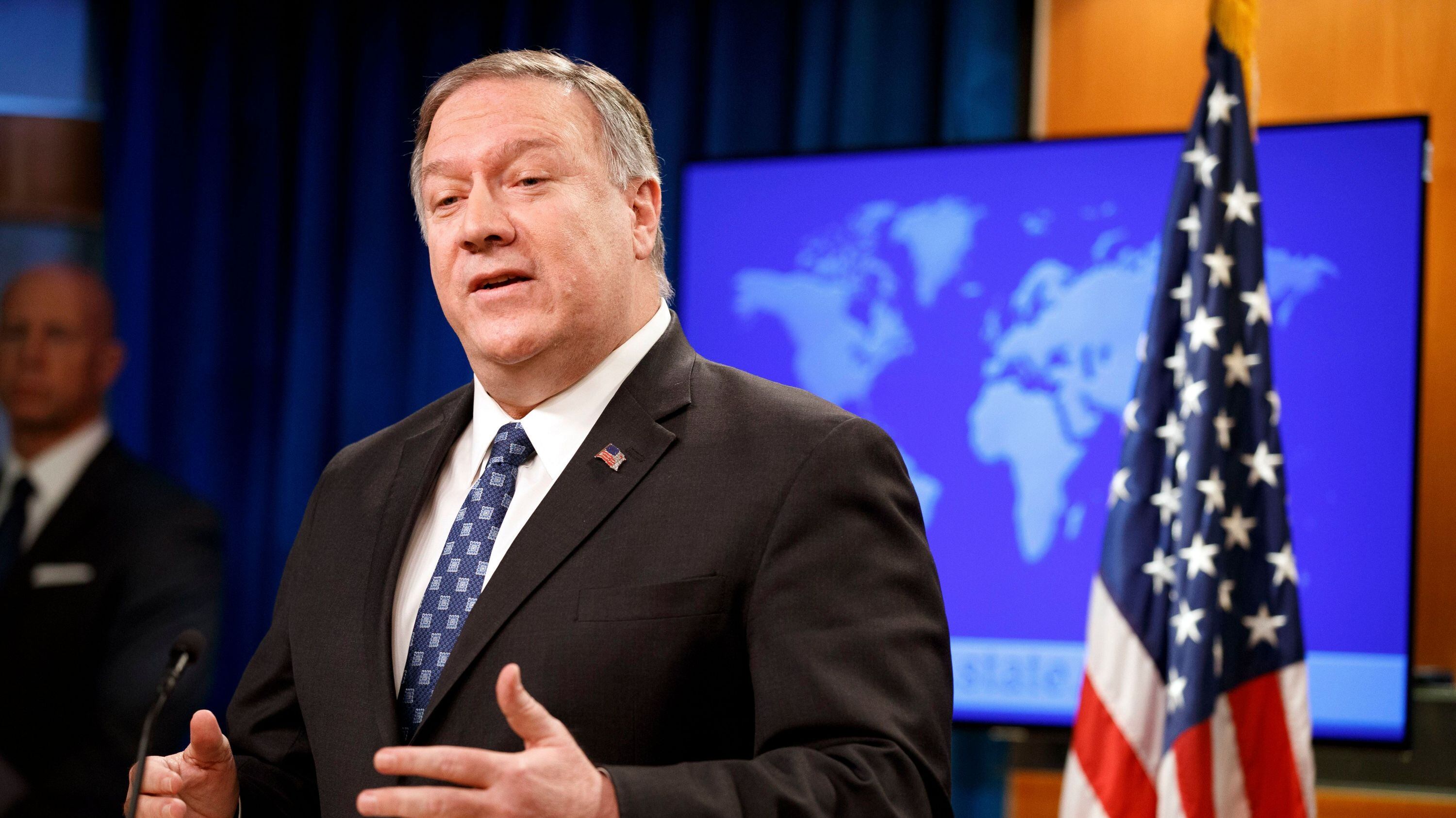
Secretary of State Mike Pompeo said Tuesday that reports Gen. Qassem Soleimani was on a diplomatic mission when he was killed are "fundamentally false" and asserted that the president's actions that led to his death were both legal and appropriate.
As tensions continue to rise in the Middle East, Pompeo answered questions from reporters at the State Department after making remarks on issues that included turmoil in Venezuela and the Australian wildfires, for which he offered his condolences.
Pompeo, the former C.I.A. director, declined to provide evidence of what has been repeatedly described by the White House as an "imminent" threat from Iran that led to the assassination. He further said the timing of the attack was less important than the fact that American lives were threatened.
"If you're looking for imminence, you need to look no further than the days that led up to the strike that was taken against Soleimani," he said.
An American contractor was killed late last month in a rocket attack by an Iran-backed militia in Iraq. After the U.S. ordered a retaliatory missile strike, protesters stormed the embassy in Baghdad on New Year's Eve. Some Pentagon officials have said intelligence did not show an imminent attack.
He added, "And then you, in addition to that, have what we can clearly see were continuing efforts on behalf of this terrorist to build out a network of campaign activities that were going to lead potentially to the death of many more Americans."
"It was the right decision, we got it right," and U.S. intelligence supported that conclusion, Pompeo claimed, defending both the president's authorization of the strike and the broader Iran policy.
Pompeo said the U.S. would also abide by international law. On Monday, Defense Secretary Mark Esper acknowledged that striking cultural sites is a war crime, despite the president tweeting about such potential targets in Iran. When questioned on the subject, Pompeo said "let me tell you who's done damage to the Persian culture. It's not the United States of America. It's the ayatollah."
Meanwhile, U.S. forces were placed on high alert in the Middle East amid military intelligence suggesting Iran is moving equipment to launch drone strikes.
Pompeo said the president had acted in an "entirely legal, appropriate" way that was "perfectly within our strategy," which he described as a "pressure campaign we have in place … diplomatic component, economic component, and military component."
"In the event that the Iranians make another bad choice, the president will respond in the way he did last week," he said.
Last week, President Trump authorized the airstrike killing Soleimani and his adviser Abu Mahdi al-Muhandis at the Baghdad airport, angering Tehran for killing the high-profile commander of the Quds Force and frustrating some American politicians who feel he took his power too far.
The president ordered the strike without giving notice to Congress, seemingly conflicting with the War Powers Act of 1973. Speaker Nancy Pelosi said she will hold votes this week when the House of Representatives is back in session to limit the president's ability to act unilaterally. A Senate vote is expected as well.
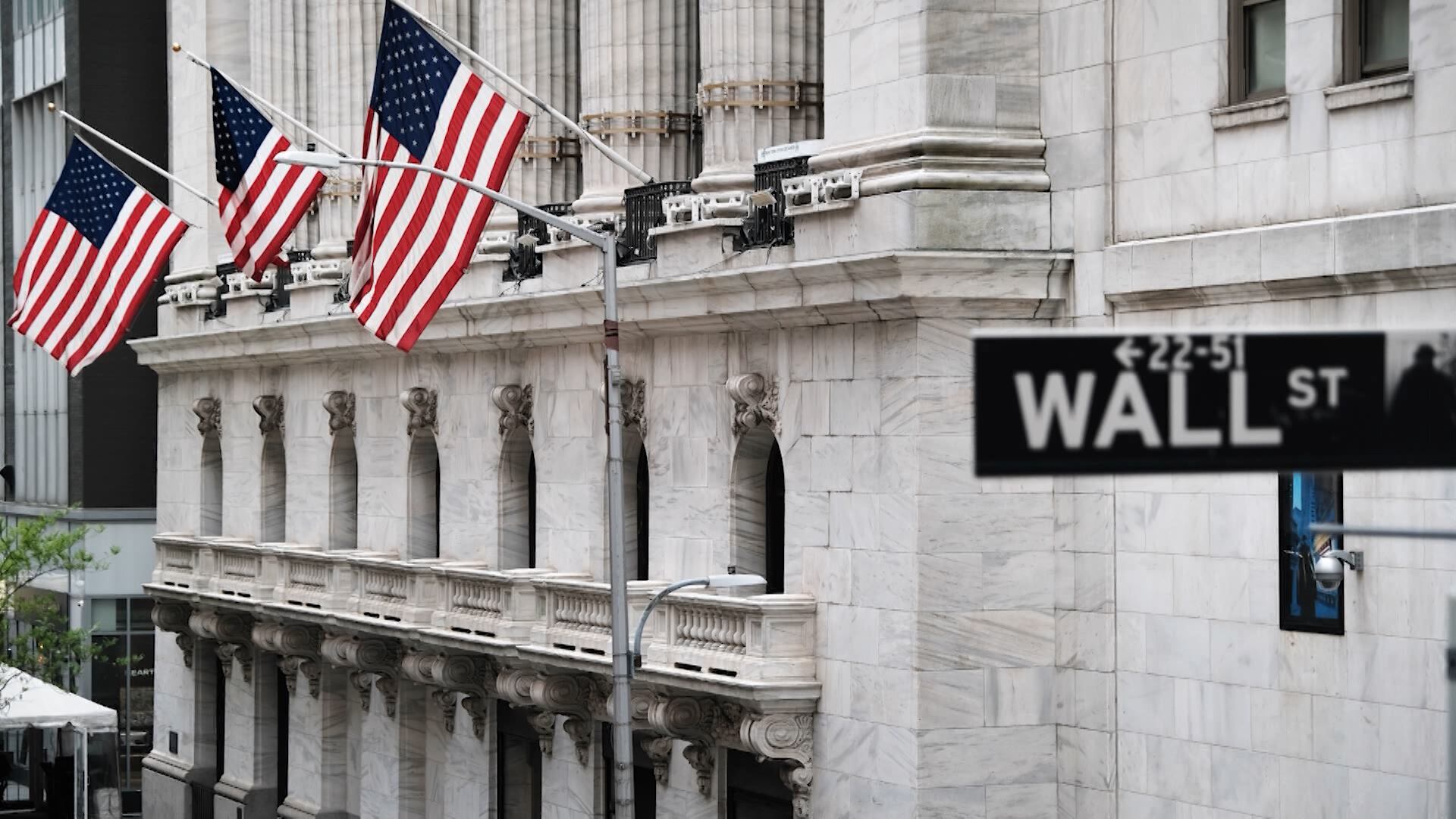
David Nelson, Chief Strategist at Belpointe, joins Cheddar News' Closing Bell, where he says that Wednesday's market movement shows a rotation back into the industries that were hit hard in January, but says his eyes are firmly fixed on the January CPI data set to be released Thursday.
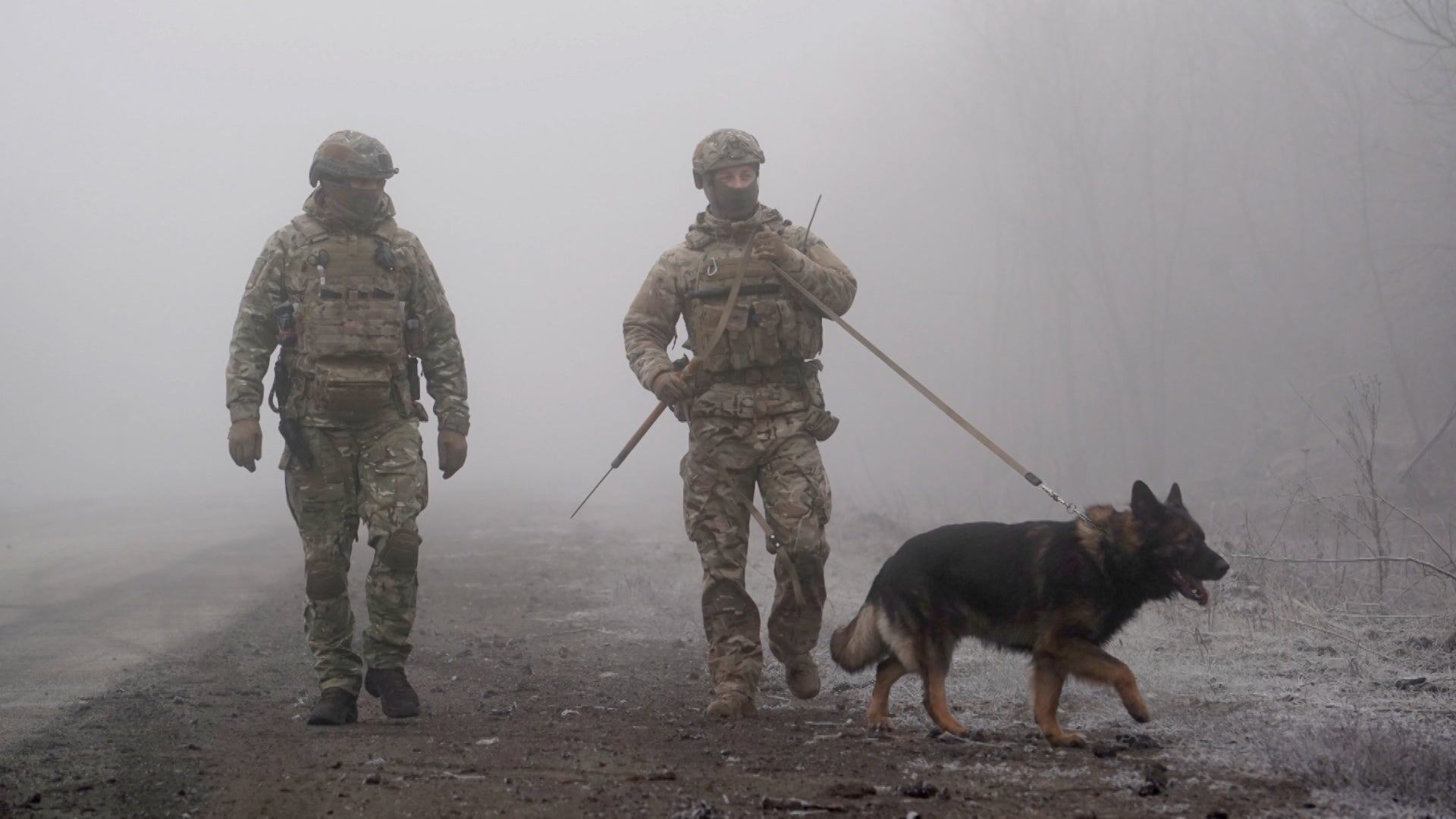
Russia is preparing alongside Belarus for reportedly one of the largest joint military exercises ever held. Some analysts are concerned this could be a disguise for a real attack, while the Kremlin contends that the exercise is meant to confront potential "unprecedented security threats." Christian Whiton, a former State Department senior advisor, joined Cheddar News to break down the still tense situation. "While it could of course be a prelude to invasion, it seems like the Biden administration is signaling that if you look at Europeans, the Germans and Macron … who just met with Putin, they seem to be thinking that maybe this is a show of force by Russia intended at political intimidation, not actual invasion," said Whiton.
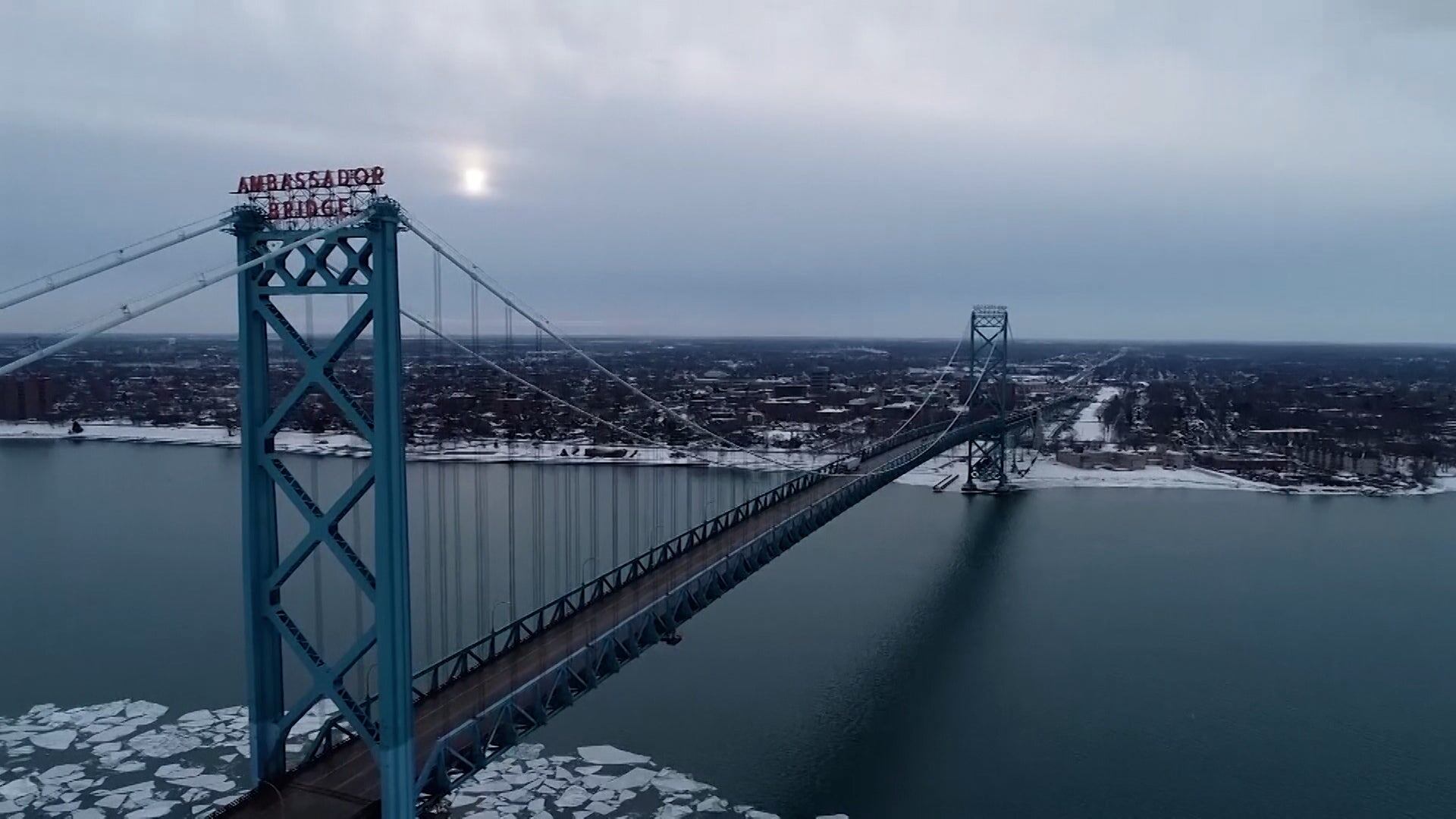
Truckers in Canada have blockaded the Ambassador Bridge, the busiest border crossing between Canada and the U.S. protesting a COVID-19 vaccine mandate. Cheddar News spoke with Samir Kapadia, head of trade practice at the Vogal Group, about how this impacts trade between the two countries.
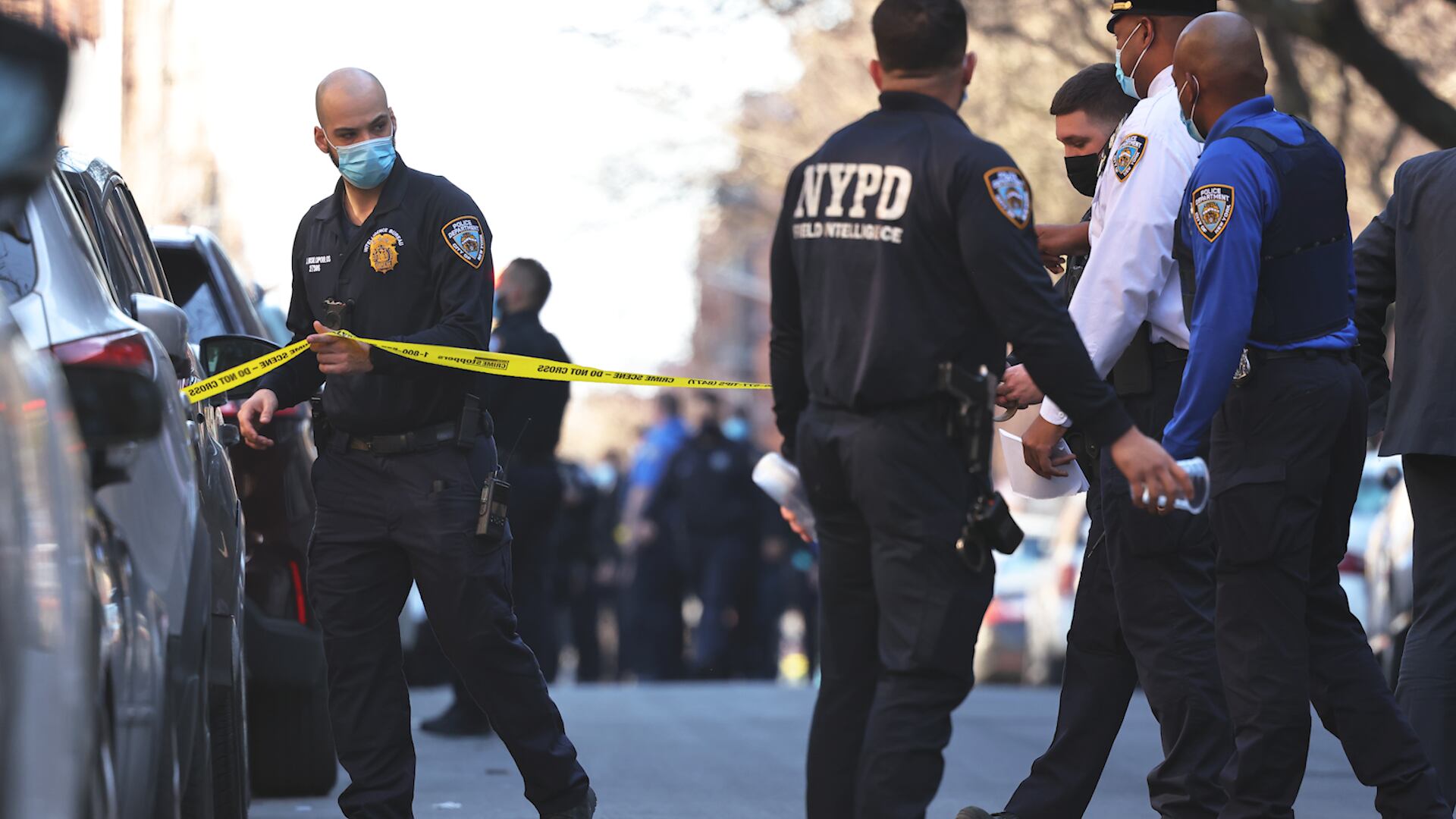
New York City is not only dealing with the ongoing pandemic, it’s also facing a surge in crime. President Biden recently traveled to New York to meet with the city’s new mayor, Eric Adams, to discuss the rise in crime and gun violence.
The president praised Mayor Adams' crimefighting agenda and unveiled a new federal initiative to curb the flow of illegal weapons from the south. Josefa Velásquez, Senior Reporter for THE CITY, joined Cheddar's Fast Forward to talk about how the mayor is battling this increase in crime in his first weeks in office.
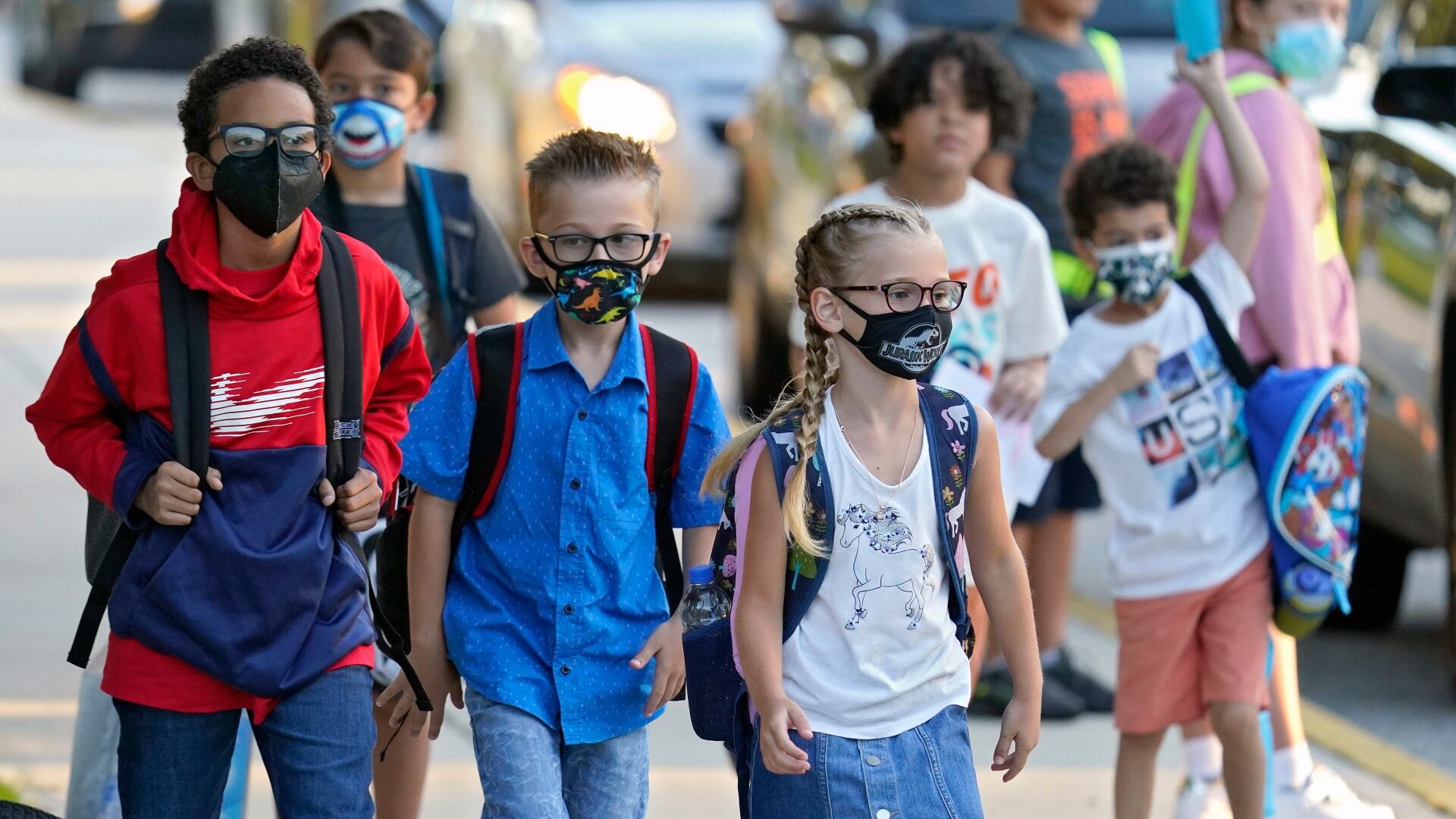
The Democratic governors of New Jersey, Connecticut, Delaware, and Oregon say they will lift mask requirements for schools in the coming weeks, reflecting a nationwide shift away from restrictions. Cheddar News speaks with internist Dr. Vivek Cherian whether it's safe to relax the regulation.
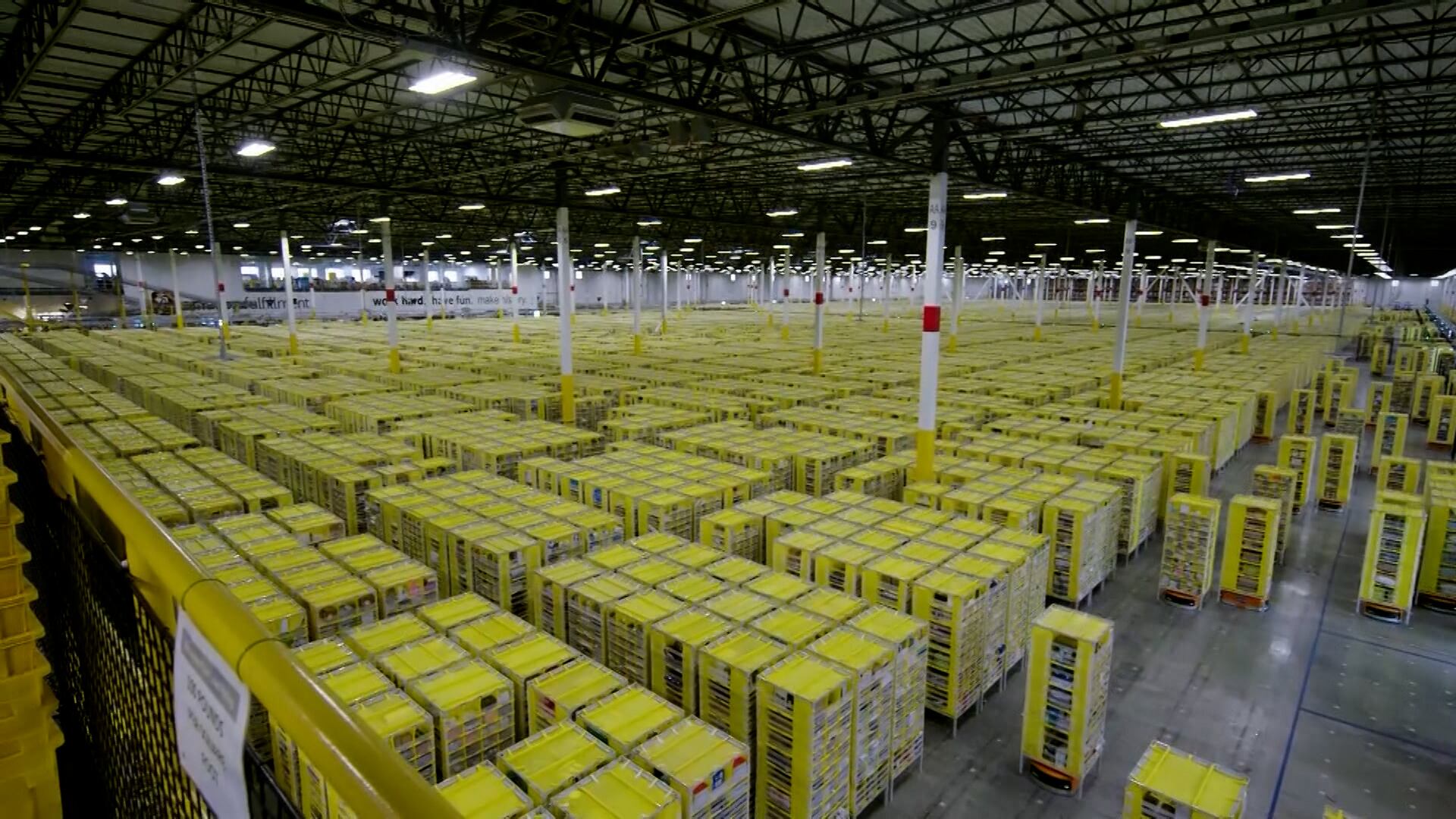
Amazon warehouse workers in Alabama are set to begin voting to unionize for a second time after workers at the facility in the town of Bessemer overwhelmingly voted against forming a union during an election early last year; but in November, the National Labor Relations Board overturned the vote, upholding a union challenge of the results which argued that Amazon undermined the conditions for a fair election. Another round of ballots will now be mailed out to works at the warehouse for a so-called re-run election. Director of Labor and Employment Studies at San Francisco State University John Logan and National Field Director for Our Revolution Mike Oles joined Cheddar News' Closing Bell to discuss.
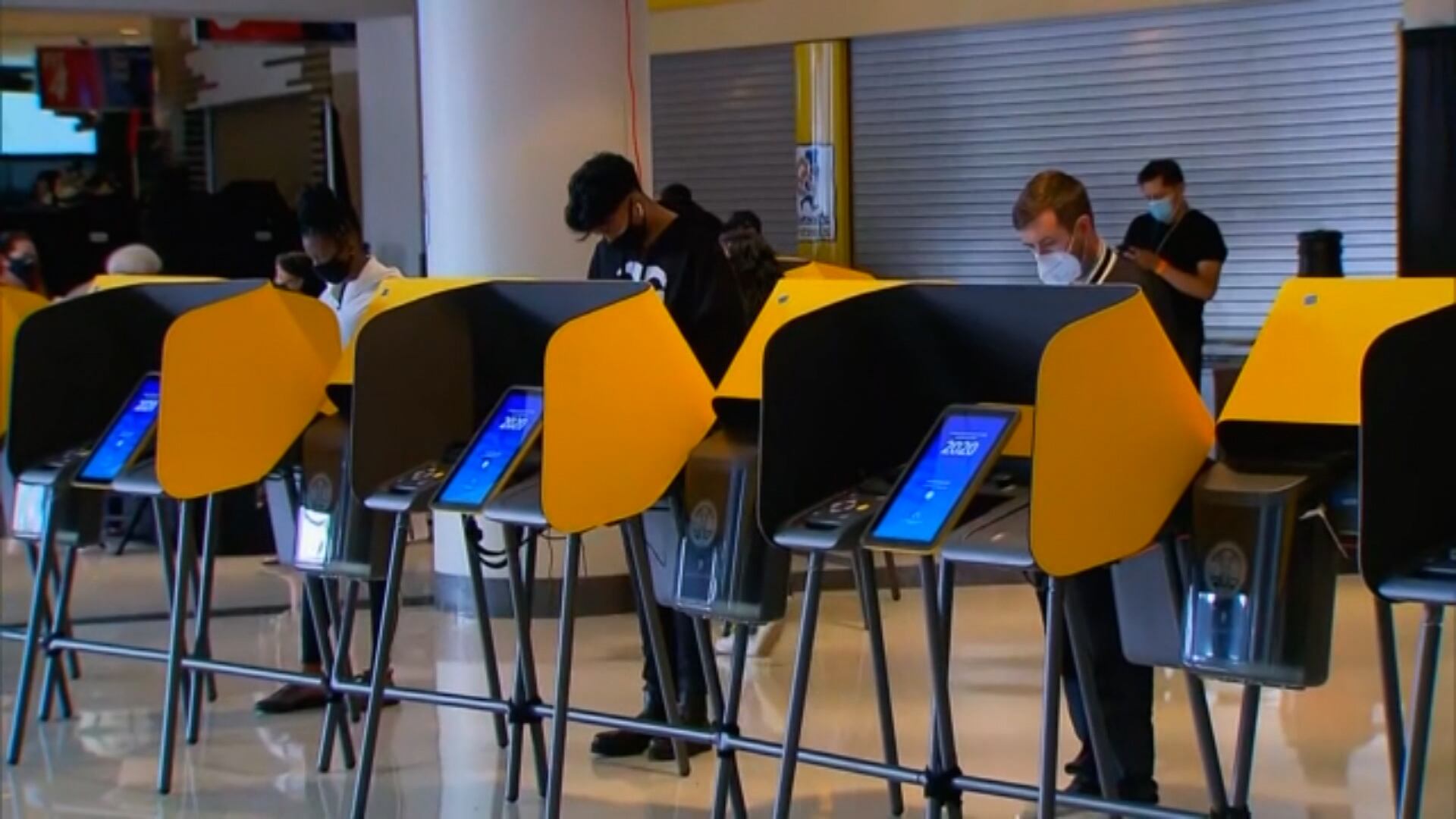
David Daley, author of the book 'Unrigged: How Americans Are Battling Back to Save Democracy,' joins Cheddar News to discuss redistricting battles taking place across the U.S.