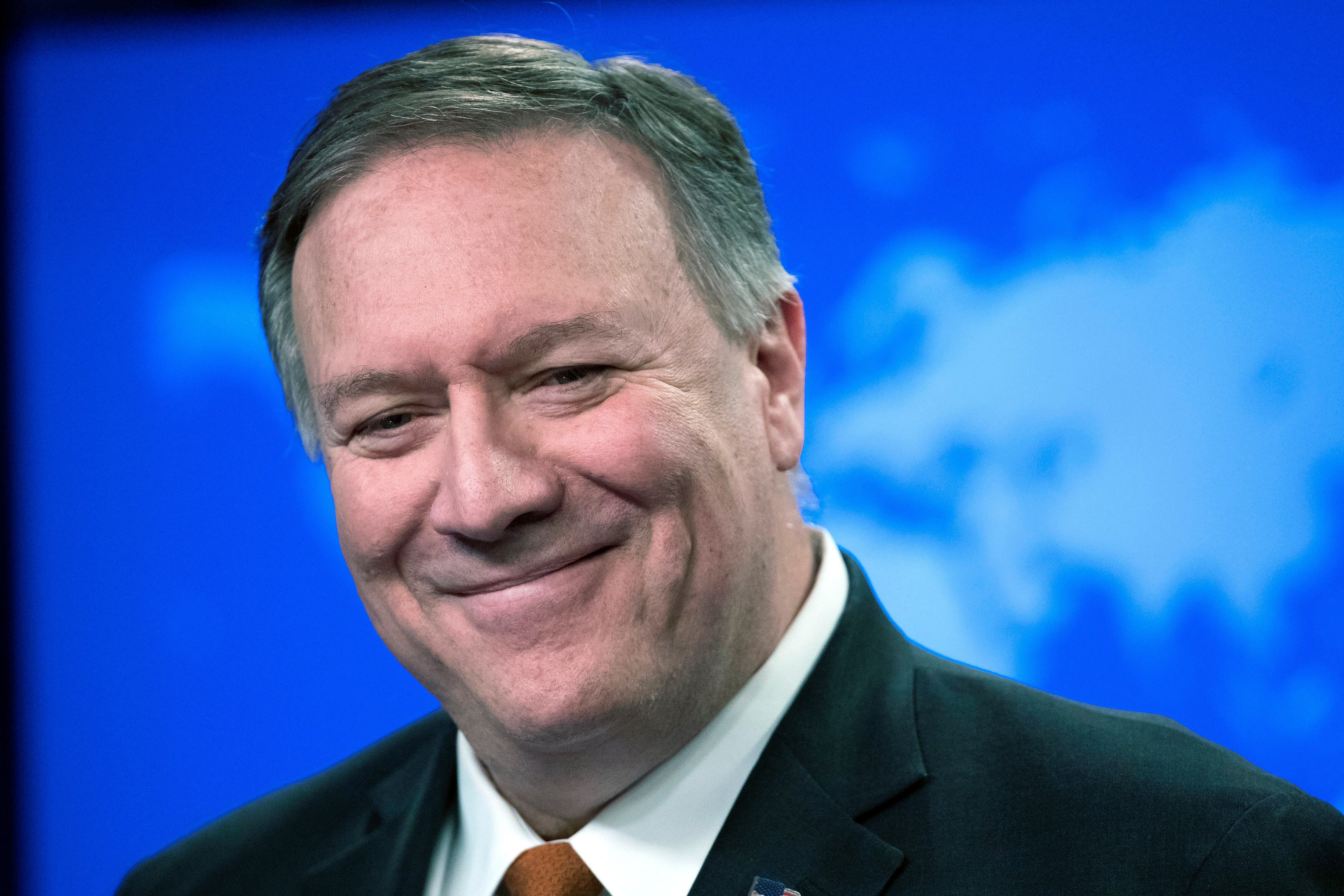
In this Nov. 26, 2019 file photo, then Secretary of State Mike Pompeo smiles as he speaks with reporters at the State Department in Washington. The State Department says it's looking into the the apparent disappearance of a nearly $6,000 bottle of whisky given to former Secretary of State Mike Pompeo by the government of Japan. (AP Photo/Alex Brandon)
By Matthew Lee
The State Department said Wednesday it’s looking into the apparent disappearance of a nearly $6,000 bottle of whisky given more than two years ago to then-Secretary of State Mike Pompeo by the government of Japan. Pompeo knows nothing about the gift or an inquiry, a representative said.
In a notice filed in the Federal Register, the department said it could find no trace of the bottle’s whereabouts and that there is an “ongoing inquiry” into what happened to the booze. The department reported the investigation in its annual accounting of gifts given to senior U.S. officials by foreign governments and leaders.
The department's Office of Protocol is required to record gifts given to U.S. officials and keep track of their disposition. Recipients have the option of turning gifts of a certain value over to the National Archives or another government entity or purchasing them for personal use by reimbursing the Treasury Department for their value.
The Japanese whisky was valued at $5,800 and was presented to Pompeo in June 2019, presumably when he visited the country that month for a Group of 20 summit that was also attended by President Donald Trump. But unlike other gifts, the department said there was no record of what had become of the bottle.
“The department is looking into the matter and has an ongoing inquiry,” it said in the Federal Register notice. The notice offered no additional detail. A representative for Pompeo said Pompeo “has no knowledge of the gift and has not been contacted by anyone regarding an investigation of it.”
Pompeo also reported receiving two carpets worth a total of $19,400 from the president of Kazakhstan and the foreign minister of the United Arab Emirates. Both floor coverings were transferred to the General Services Administration, the notice said.
The filing said Trump and his wife, Melania, received more than $120,000 worth of presents from foreign leaders in 2019, compared with $88,200 the year before. In Trump's first year in office, in 2017, they reported receiving more than $140,000 in gifts.
There was no significant common theme to the 2019 gifts. At least three foreign leaders — from Australia, Egypt and Vietnam — presented Trump with photographs or portraits of himself that collectively were valued at more than $10,000.
Trump received a painting of himself on “dual pane glass” from then-Vietnamese President Nguyen Phu Trong that was worth an estimated $5,250, according to the filing. It also says Trump got a “large double frame carved from black stone with image of President Donald J. Trump in precious metal on one side and the coat of arms of Egypt on the reverse” worth $4,450 from Egyptian President Abdel-Fattah el-Sisi. Australian Prime Minister Scott Morrison gave Trump a framed photo of himself and his wife worth $470.
Other more expensive gifts Trump received included an Ottoman Empire rifle valued at $8,500 from the prime minister of Bulgaria, a bronze sculpture of an Arabian horse from the crown prince of Bahrain worth $7,200 and a gold, onyx, emerald and diamond statue of an Arabian oryx worth $6,300 from the emir of Qatar.
All of those gifts, including the portraits and photograph, were turned over to the National Archives, according to the report.
Another significant recipient of gifts was now-retired Gen. Joseph Votel, commander of U.S. Central Command until March 2019; that command oversees American military operations in the Middle East. The government of Qatar lavished Votel with nearly $37,000 in luxury watches in 2019, including one Rolex timepiece valued at $14,995, according to the report. Votel turned those watches over to the GSA.
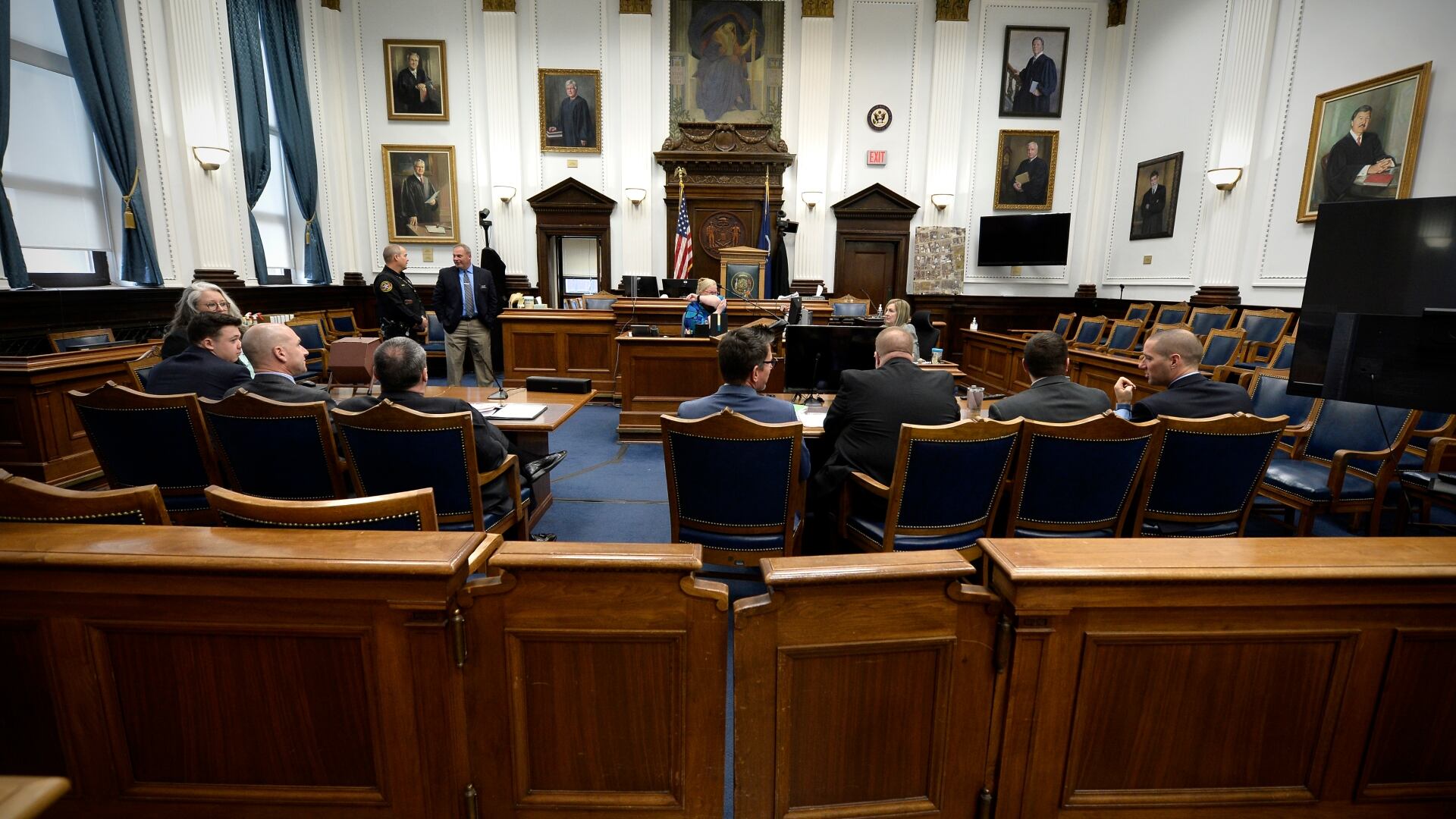
Markets were pointing mostly lower to end the week as investors reacted to the threat of a Covid resurgence in Europe. Jeff Schulze, Investment Strategist at ClearBridge Investments joined Cheddar's Opening Bell to discuss Friday's pre-market activity.
A federal judge tossed out a lawsuit against financial services platform Robinhood following the meme stock saga that swept the investment world. The judge said it found no wrongdoing on Robinhood's part after the platform halted trading on popular meme stocks Gamestop and AMC.
Jill and Carlo are back to cover the latest in the Rittenhouse trial, new information on the origins of Covid, return-to-office and more.
JOIN US FOR THE YOUTUBE WATCH PARTY @ 9aET: http://www.youtube.com/cheddarnow
The U.S. Justice Department has filed a lawsuit against Uber after it was discovered that disabled people were being disproportionately affected by extra “wait time” fees. Attorney Jonathan Bell joined Cheddar to discuss.
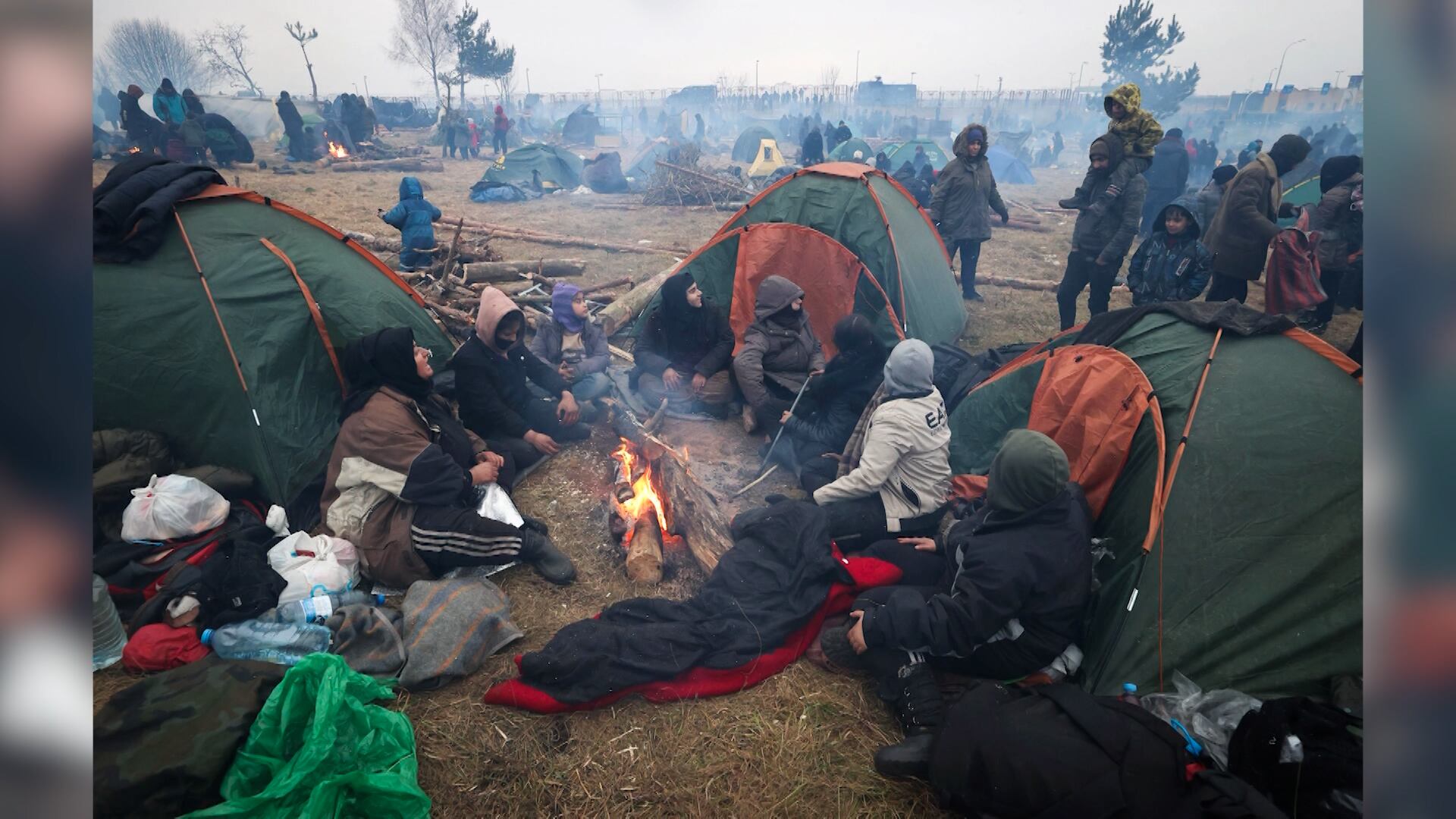
Belarus President Alexander Lukashenko has been accused by the EU of manufacturing a migration crisis along his border with Poland. But, even as tensions appear to be stabilizing at the moment, Ali Noorani, the president and CEO of National Immigration Forum and the host of the "Only in America" podcast spoke to Cheddar about the ongoing danger to the migrants who hail from countries like Iraq and Afghanistan. "What is going to happen to folks who are in Belarus who came from these countries? Is Lukashenko going to provide them asylum and protection in Belarus, or are they going to continue to be political pawns in a geopolitical battle," he said. "Real people's lives are being put at great risk."
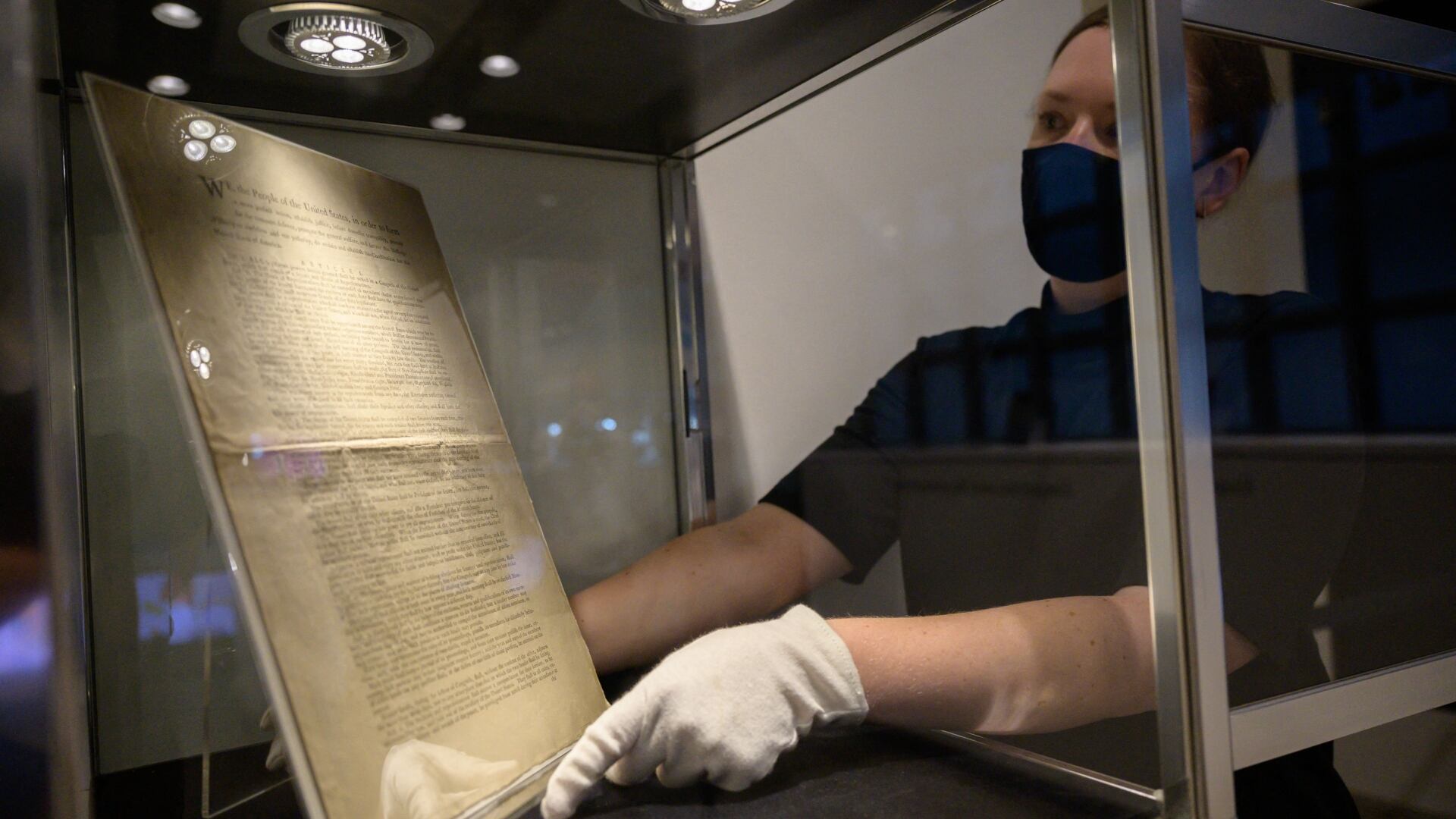
A group of crypto investors has come together to raise millions of dollars in the hopes of owning a rare piece of the U.S. Constitution. According to the crypto group, "Constitution DAO" It is time to put the constitution in the hands of the people. CEO and Founder of Metaversal Yossi Hasson, joined Cheddar to discuss more.
Polarization is among the defining traits of American politics in the 21st century. Sometimes it seems like the only thing we can all agree on is the fact that we don't really agree on anything. But those divisions don't just stop at whether you vote red or blue.
A new survey from the Pew Research Center finds that rather than just two political buckets, we have nine. The "2021 political typology" as it's called distinguishes between different ideological subsets in the Democratic and Republican party. It encompasses everyone from the loudest revolutionary lefties, to the loudest insurrection apologists on the right.
Andrew Daniller, research associate at the Pew Research Center, joins None of the Above to discuss.
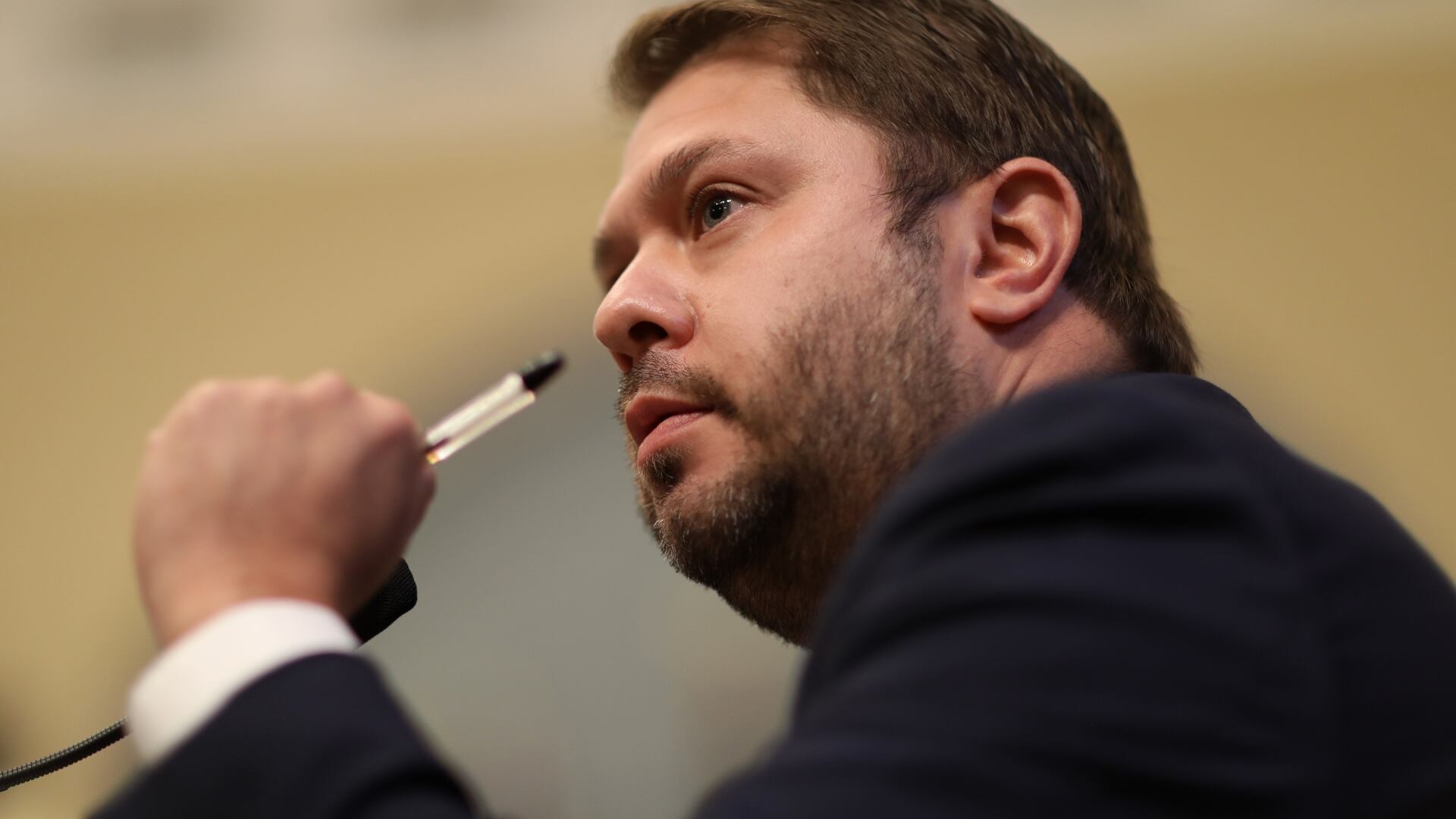
Tanya Snyder, transportation reporter at Politico, joins None of the Above with J.D. Durkin to discuss the bipartisan infrastructure law, what it means for the electric vehicle industry and whether Democrats will be able to capitalize on the legislative victory ahead of the 2022 midterms.
Heading into 2022, the eyes of political nerds like us are fixed on statehouses across the country. State legislatures are in the process of taking the data from the 2020 census and using it to draw new congressional districts. The process has major implications for midterms, as Republicans could retake the majority just by gerrymandering enough seats into their column. In Maryland, state level Democrats are considering several maps, one of which would completely draw out the only Republican from the state in Congress.
Bruce DePuyt, senior reporter at Maryland Matters, and Helen Brewer, legal analyst at Princeton's Electoral Innovation Lab, join Cheddar Politics to discuss.