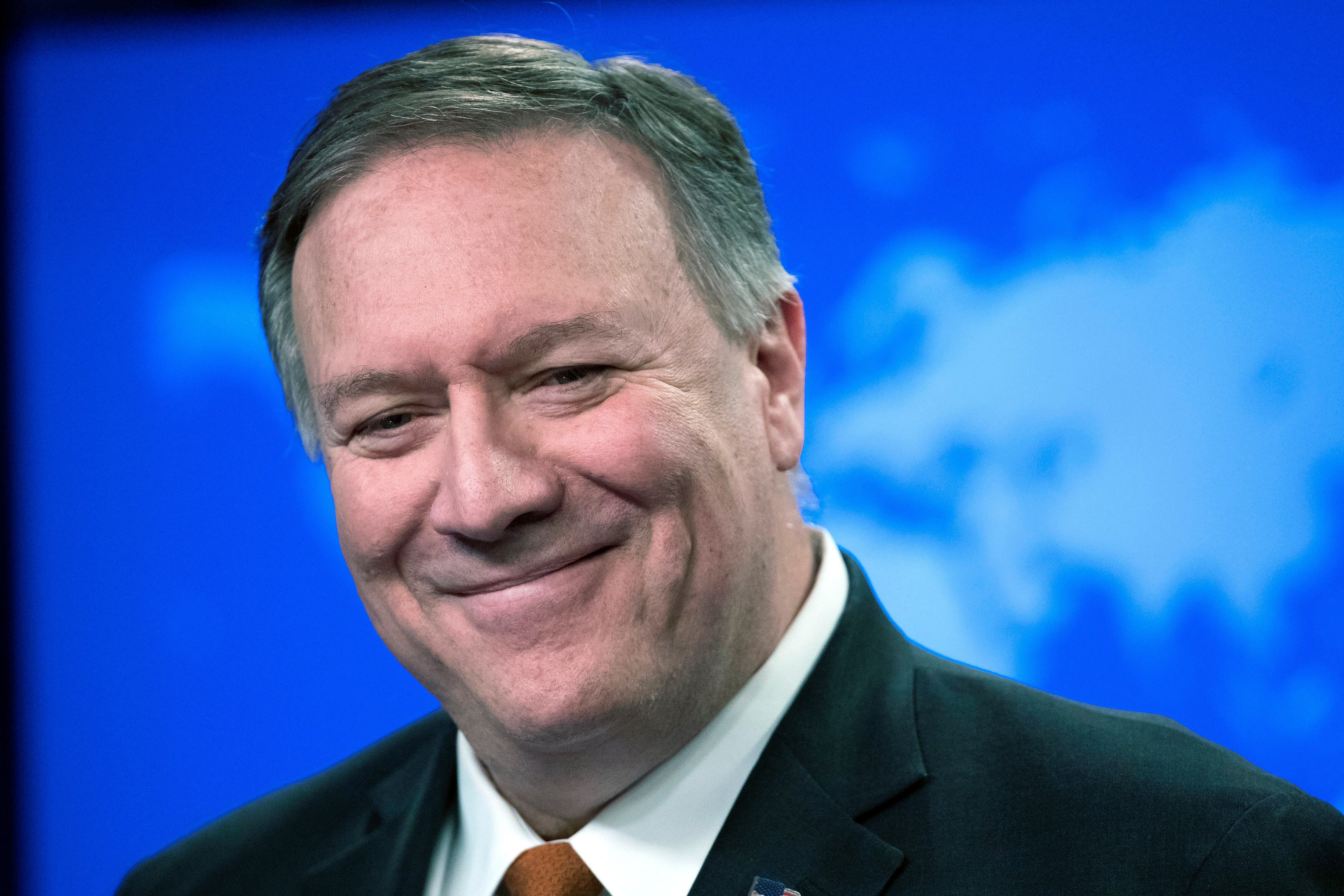
In this Nov. 26, 2019 file photo, then Secretary of State Mike Pompeo smiles as he speaks with reporters at the State Department in Washington. The State Department says it's looking into the the apparent disappearance of a nearly $6,000 bottle of whisky given to former Secretary of State Mike Pompeo by the government of Japan. (AP Photo/Alex Brandon)
By Matthew Lee
The State Department said Wednesday it’s looking into the apparent disappearance of a nearly $6,000 bottle of whisky given more than two years ago to then-Secretary of State Mike Pompeo by the government of Japan. Pompeo knows nothing about the gift or an inquiry, a representative said.
In a notice filed in the Federal Register, the department said it could find no trace of the bottle’s whereabouts and that there is an “ongoing inquiry” into what happened to the booze. The department reported the investigation in its annual accounting of gifts given to senior U.S. officials by foreign governments and leaders.
The department's Office of Protocol is required to record gifts given to U.S. officials and keep track of their disposition. Recipients have the option of turning gifts of a certain value over to the National Archives or another government entity or purchasing them for personal use by reimbursing the Treasury Department for their value.
The Japanese whisky was valued at $5,800 and was presented to Pompeo in June 2019, presumably when he visited the country that month for a Group of 20 summit that was also attended by President Donald Trump. But unlike other gifts, the department said there was no record of what had become of the bottle.
“The department is looking into the matter and has an ongoing inquiry,” it said in the Federal Register notice. The notice offered no additional detail. A representative for Pompeo said Pompeo “has no knowledge of the gift and has not been contacted by anyone regarding an investigation of it.”
Pompeo also reported receiving two carpets worth a total of $19,400 from the president of Kazakhstan and the foreign minister of the United Arab Emirates. Both floor coverings were transferred to the General Services Administration, the notice said.
The filing said Trump and his wife, Melania, received more than $120,000 worth of presents from foreign leaders in 2019, compared with $88,200 the year before. In Trump's first year in office, in 2017, they reported receiving more than $140,000 in gifts.
There was no significant common theme to the 2019 gifts. At least three foreign leaders — from Australia, Egypt and Vietnam — presented Trump with photographs or portraits of himself that collectively were valued at more than $10,000.
Trump received a painting of himself on “dual pane glass” from then-Vietnamese President Nguyen Phu Trong that was worth an estimated $5,250, according to the filing. It also says Trump got a “large double frame carved from black stone with image of President Donald J. Trump in precious metal on one side and the coat of arms of Egypt on the reverse” worth $4,450 from Egyptian President Abdel-Fattah el-Sisi. Australian Prime Minister Scott Morrison gave Trump a framed photo of himself and his wife worth $470.
Other more expensive gifts Trump received included an Ottoman Empire rifle valued at $8,500 from the prime minister of Bulgaria, a bronze sculpture of an Arabian horse from the crown prince of Bahrain worth $7,200 and a gold, onyx, emerald and diamond statue of an Arabian oryx worth $6,300 from the emir of Qatar.
All of those gifts, including the portraits and photograph, were turned over to the National Archives, according to the report.
Another significant recipient of gifts was now-retired Gen. Joseph Votel, commander of U.S. Central Command until March 2019; that command oversees American military operations in the Middle East. The government of Qatar lavished Votel with nearly $37,000 in luxury watches in 2019, including one Rolex timepiece valued at $14,995, according to the report. Votel turned those watches over to the GSA.
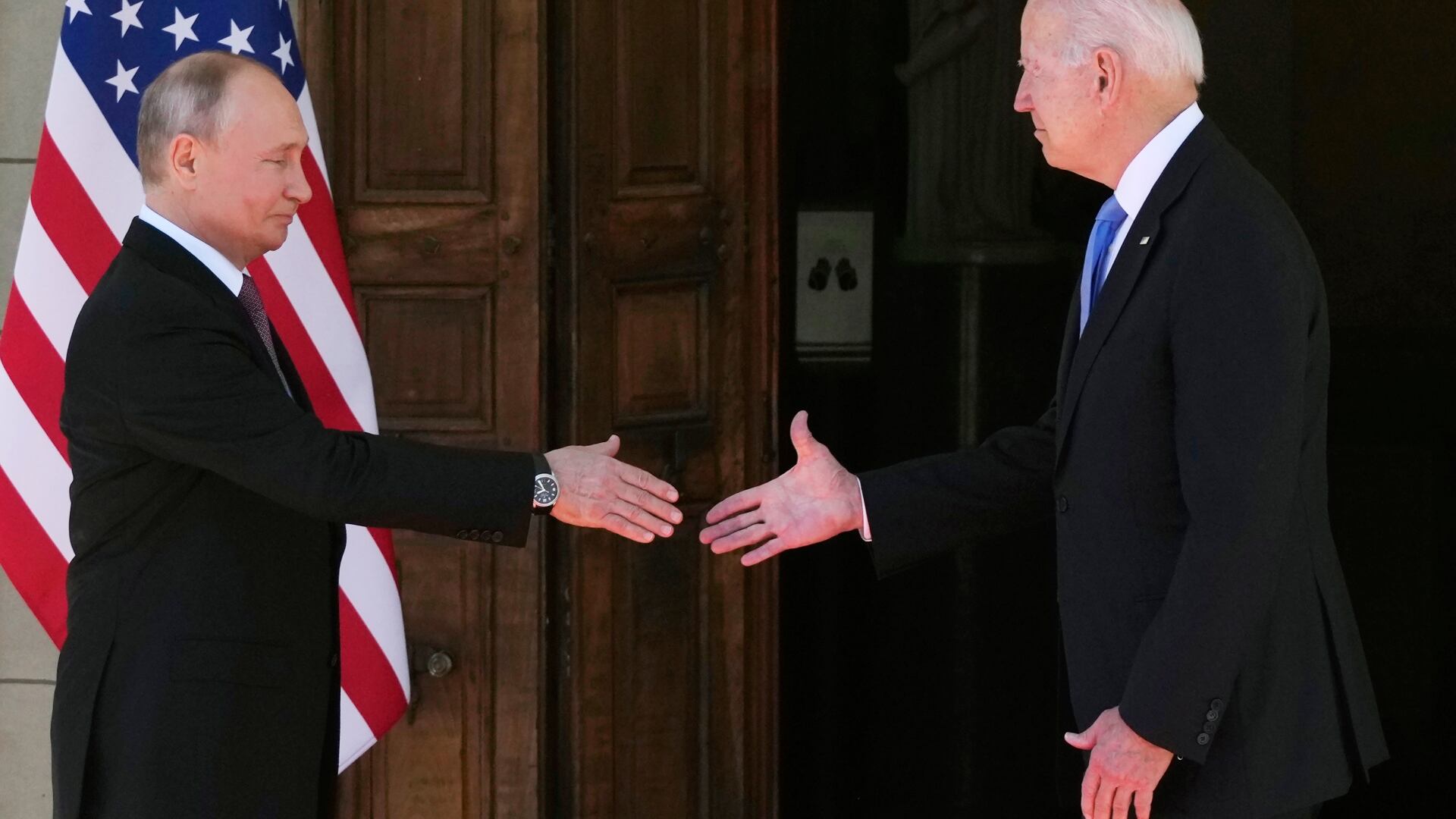
President Biden spoke with Russian President Vladimir Putin for the fourth time this year. Biden and Putin spoke for two hours about the massing of Russian troops and materials near the Russian border with Ukraine. Various outlets have reported that the U.S. has intelligence that Russia could be planning an invasion of Ukraine in the next few months. Both countries said the call was productive, but the situation remains tense.
Hagar Chemali, foreign policy expert and host of "Oh My World!" on YouTube, joins Cheddar Politics to discuss.
A recent Wall Street Journal poll indicated that Hispanic voters are up for grabs for the upcoming midterm elections, with 41 percent of respondents saying they would vote for Democrats and 44 percent for Republicans. Bryanta "Bre" Maxwell, a Democratic Strategist, former political director for Jaime Harrison's senate campaign, and principal and CEO of Indigo Consulting, LLC, joined Cheddar to break down the numbers and to dive into what this specific electorate is looking for as the balance of power in Congress hangs in the balance in 2022.
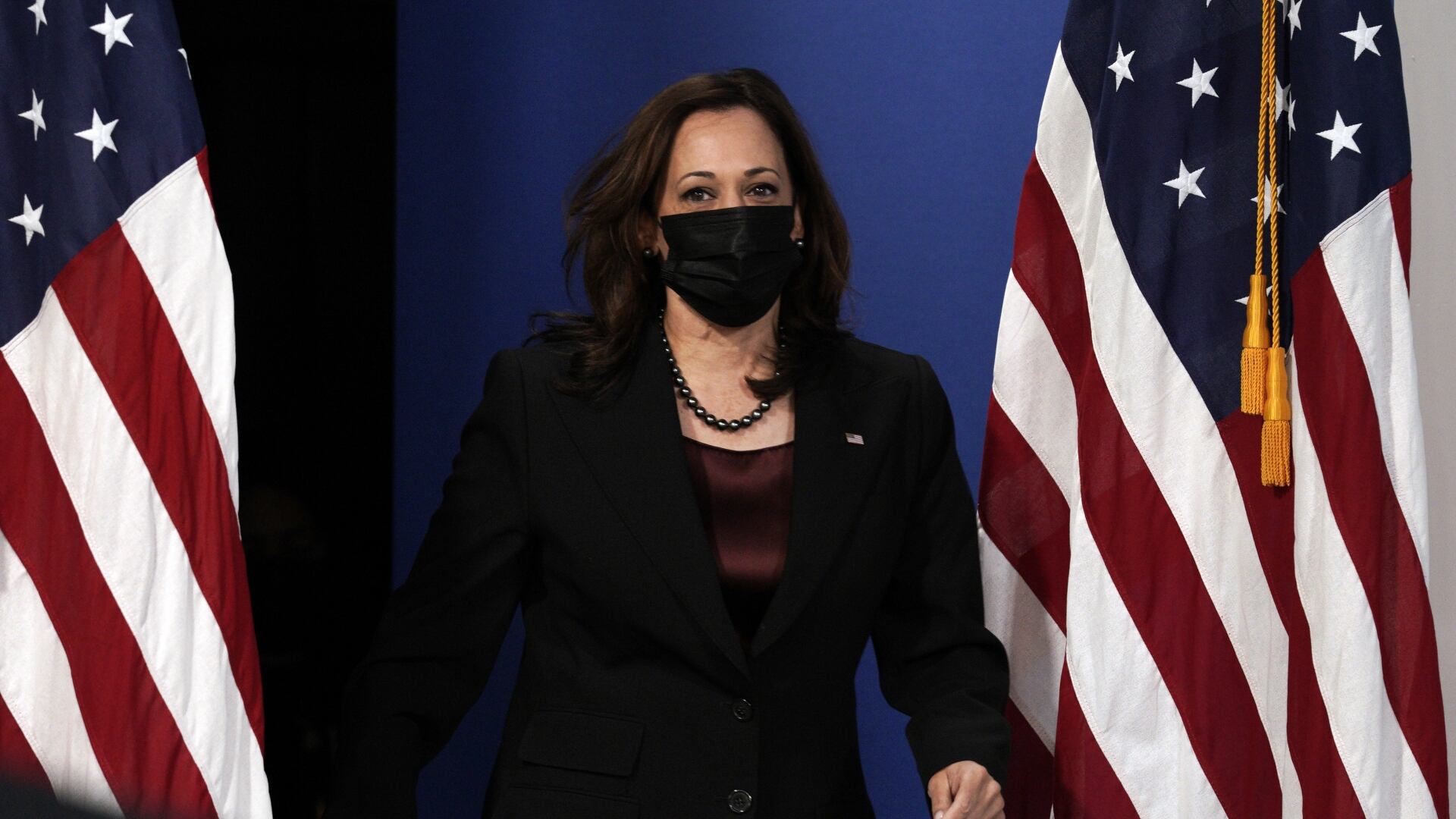
Vice President Kamala Harris received impressive amount of media coverage in January for making history. However, the media attention waned significantly and some are now even saying she has almost disappeared from public view. Reecie Colbert, founder of BlackWomenViews Media, joined Cheddar Politics to discuss more.
If you thought you heard the last of the Mueller report back in 2019, you'd be wrong. While the bombshell report was the biggest story in Washington for years, much of the report remained redacted. Our friends at BuzzFeed News weren't satisfied, so they sued to have certain passages unredacted. They notched another win when a federal appeals court ordered ten passages from the report to be released.
Matt Topic, BuzzFeed's attorney in the case, and Jason Leopold, reporter at BuzzFeed News, join Cheddar Politics to discuss.
The U.S. reported its first confirmed case of the omicron variant in California on Wednesday. Scientists and health officials are racing to understand the variant, with the WHO saying it's still too early to determine whether it's more contagious, more deadly or more resistant to vaccines than other variants. Omicron has pushed members of the WHO to commit to start talks over a "gobal pandemic treaty" for future pandemic preparedness.
Priti Krishtel, co-founder and co-executive director of the Initiative for Medicines, Access & Knowledge, joins Cheddar Politics to discuss.
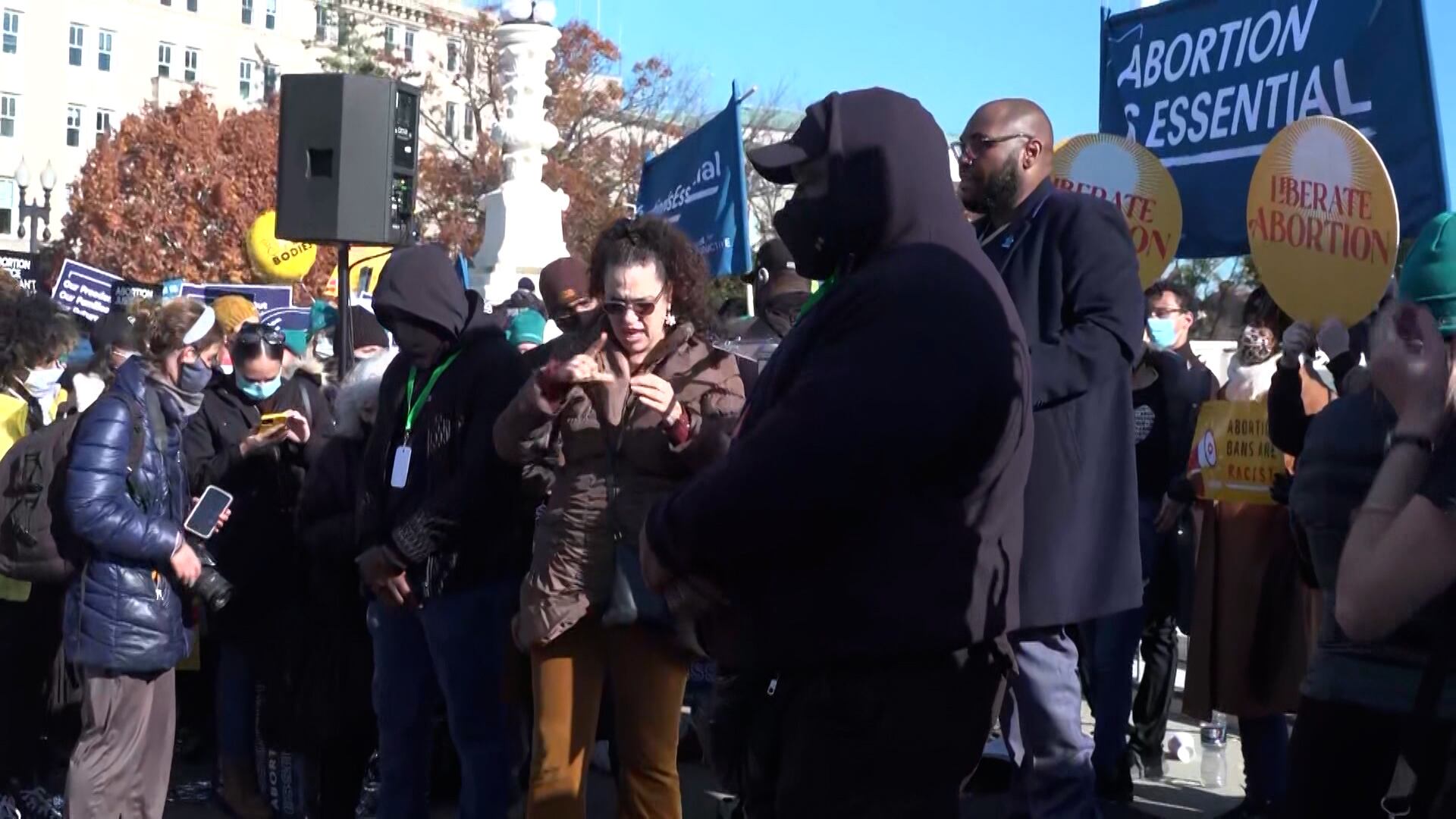
Wednesday was not a good day for those who believe in abortion rights in this country as the Supreme Court heard arguments on a Mississippi abortion law that bans most abortions after 15 weeks of pregnancy. The majority of the court appears poised to roll back abortion rights, and the questions from the conservative justices seemed to indicate the law for nearly 50 years is likely to change.
Jessica Mason Pieklo, senior vice president and executive editor of Rewire News Group, joined Cheddar Politics to discuss Wednesday's hearing.
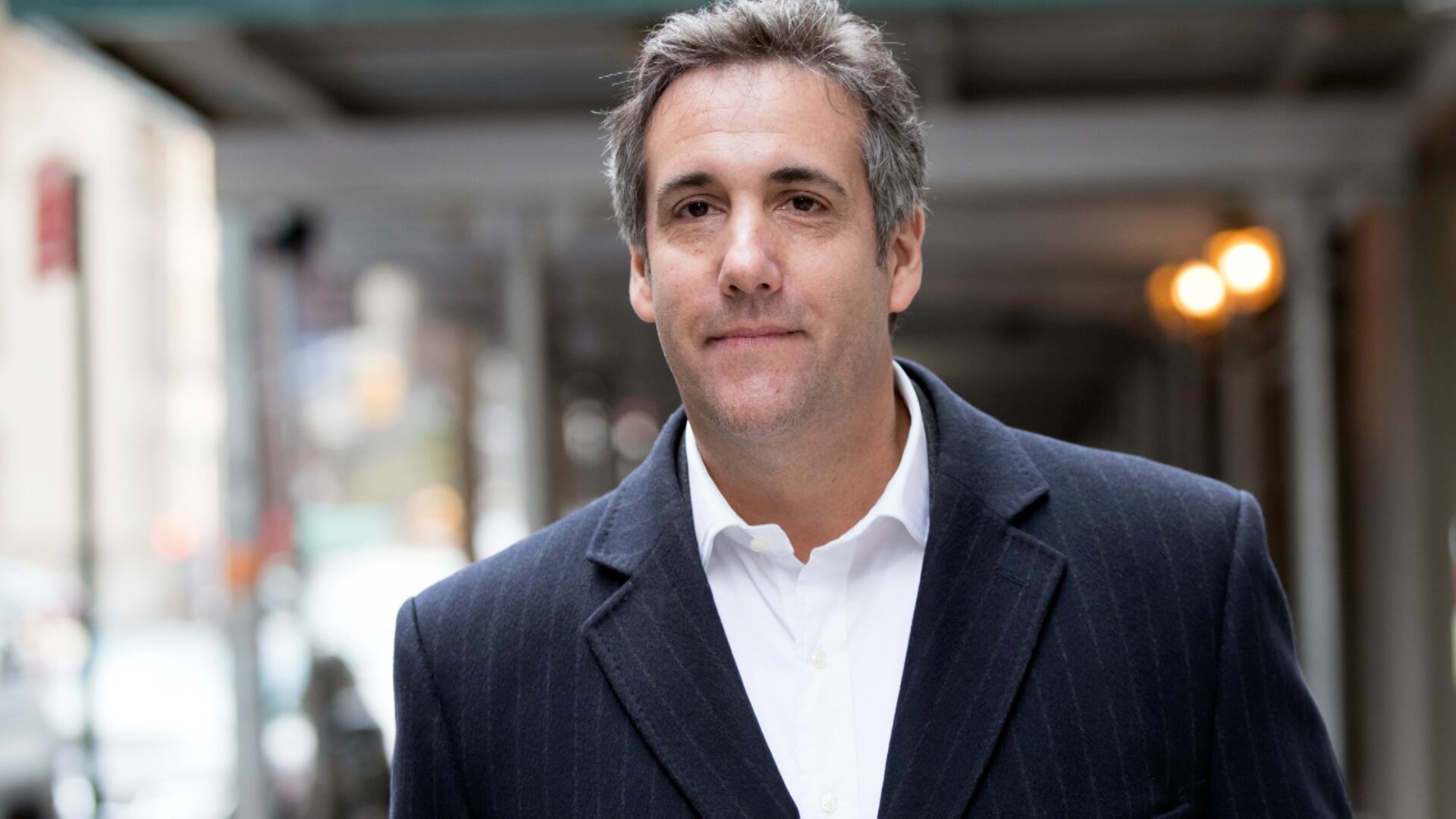
Michael Cohen, Donald Trump's former personal lawyer, has been busy since completing his prison sentence in November. He's getting into the NFT space, selling his federal prison badge and the original manuscript of his book "Disloyal" as NFTs. Cohen joined Cheddar to discuss his latest venture and why he thinks there is still much to be revealed about his case.
Jonathan Adler, Law Professor at Case Western Reserve University, joined Wake Up With Cheddar to discuss Tuesday's ruling and provide legal context to recent battles over vaccine mandates.
Carlo and Baker wrap up the week talking about the Biden economic boom that no one seems to notice, a verdict in the Jussie Smollett case, the first Starbucks union in America and the pleasures of the "dude nod."