By Tammy Webber
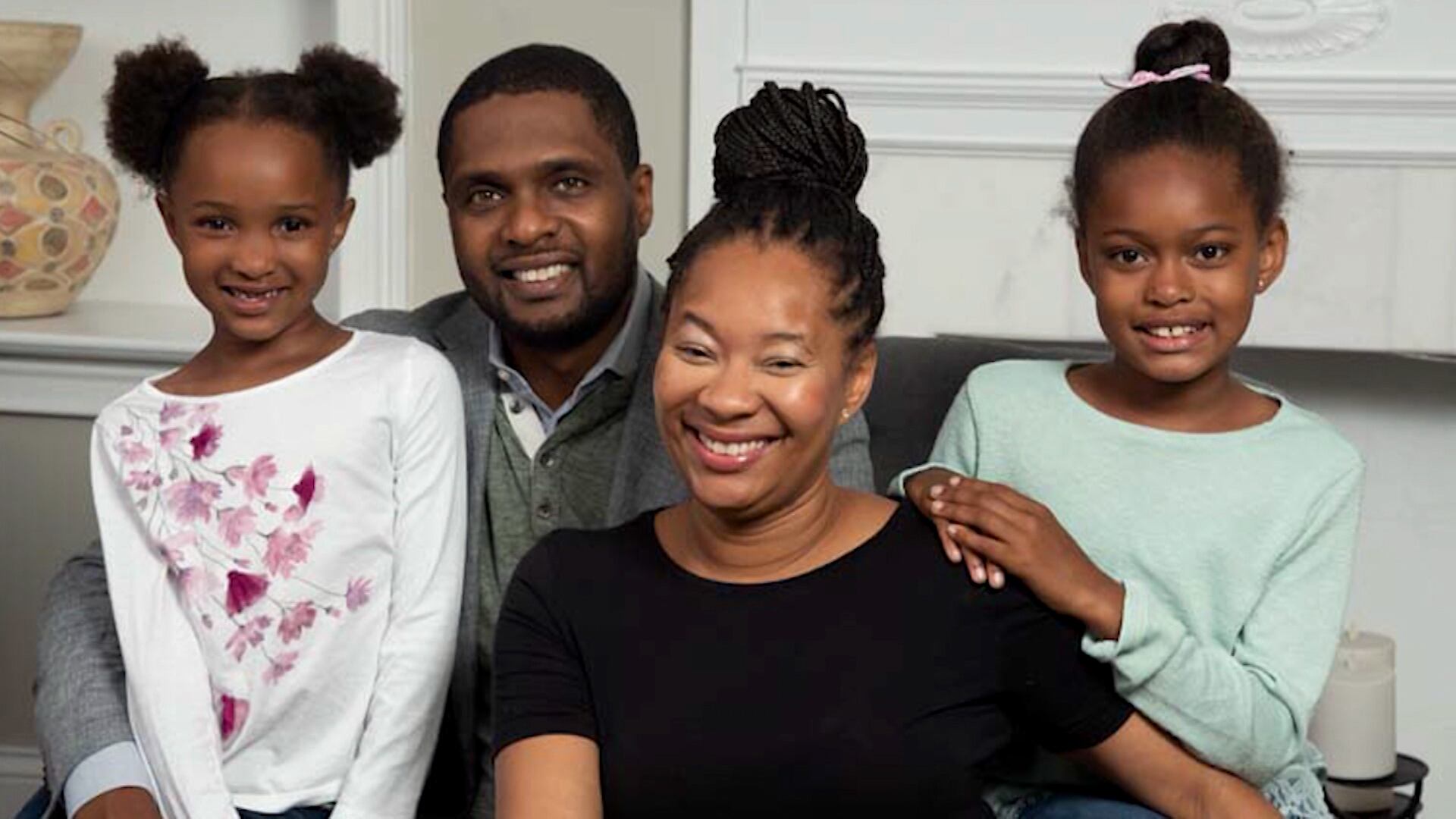
Crystal and Chris Martin put off some payments on their home in this blue-collar town near Flint and are pinching pennies to make ends meet until they return to work. In Windsor, Connecticut, Anne Druce's family canceled home improvement projects out of an abundance of caution but remains financially secure.
As the coronavirus pandemic drags on, a new poll finds it is having different effects on Americans' economic well-being. For some, the virus has meant lost income or struggles to pay bills on time — particularly among Hispanic, Black and younger Americans. Others, most notably college-educated and older Americans, have transitioned to working from home or have experienced the nation's economic decline through a dip in the value of their investments.
"It's just all been kind of frustrating," said Crystal Martin, who lost her job managing a roller skating rink in March and waited 10 weeks for her first unemployment check. Her husband, an X-ray technician at a Flint hospital, was laid off for about month, then took parental leave after Crystal had a baby in July, to reduce the chances of bringing home the virus.
"We had to go into our savings, and we were crunching numbers to see how long it would last," said Martin, adding that the couple, who have six children in their blended family, still aren't sure if their mortgage company will add the deferred house payments to the end of their loan or demand the money all at once later this year.
Overall, roughly a quarter of Americans say they have lost savings and about as many have lost income, according to the latest COVID Response Tracking Study, conducted by NORC at the University of Chicago. About 2 in 10 report losing a job and roughly another 2 in 10 say they have put themselves at risk of exposure to the virus for work.
Meanwhile, the survey also finds about a third of Americans say their investments were negatively impacted during the pandemic. About a quarter say they have had to change their work routine, including having to work from home.
That includes Druce, who said she and her husband, James, are fortunate to have well-paying jobs — she's a process engineering consultant for an insurance company and he works for a mutual fund company — that allow working from home.
While feeling financially stable, they're saving as much money as possible — aside from spending to take a beach vacation in August with their two young boys — because "anything can change," Druce said.
"I know it sounds insanely privileged," said Druce, "but I 1,000 percent feel fortunate."
The poll finds that disparities of economic experience during the pandemic by race and ethnicity, age, and education are stark.
Beyond the dollars-and-cents impacts of the pandemic, the survey found the economic effects taking a toll on Americans' mental health, with stress rising among those who report a loss of income, a loss of savings and trouble paying bills.
Tom W. Smith, director of the Center for the Study of Politics and Society at NORC and the study's lead investigator, said people are also feeling more lonely than might be expected given the recent easing of restrictions and the reopening of businesses. That could be because people still are severely restricting normal activities, perhaps because of finances or because they're "not willing to take the chance yet" on potentially exposing themselves to the virus.
Adding to the uncertainty and anxiety: Some initiatives meant to help people get through the crisis — including extra unemployment compensation and moratoriums on evictions and utility shut-offs — are set to expire soon, said Joy Peterman, development director at the Salvation Army in Flint.
Her organization has seen a 25 percent increase in requests for assistance during the pandemic, mostly from people who were forced to seek help for the first time and many of whom were still working.
"They just didn't have enough money to continue to pay their bills (because of) shorter hours and less pay," said Peterman, who believes needs will increase in coming months. "You still have rent, you still have utilities, you still have a car payment, insurance, and the phone bill. And you still have to feed your children."
___
The survey of 2,012 adults was conducted June 22-July 6 with funding from the National Science Foundation. It uses a sample drawn from NORC's probability-based AmeriSpeak Panel, which is designed to be representative of the U.S. population. The margin of sampling error for all respondents is plus or minus 3 percentage points.