Trust in government agencies such as the Centers for Disease Control and Prevention has eroded in recent months, according to a poll from the nonpartisan Kaiser Family Foundation.
Dr. Richard Besser, president and CEO of the Robert Wood Johnson Foundation and former acting director of the CDC, told Cheddar the drop stems from the politicization of public health during the coronavirus pandemic.
"Repeatedly during this crisis, we've seen instances where the political sector has reached in and changed public health guidance from CDC," he said. "That is a real problem."
Indeed, House Democrats are currently investigating whether the Trump administration pressured CDC officials to alter or delay information on the coronavirus.
Besser said one challenge for the CDC is that it doesn't often speak with the public directly.
"There's incredibly important information coming out from the CDC every single day," he said. "Unfortunately the CDC is not in a position where they're talking to the public through the media every day to be able to lift up that information."
Once that information is politically influenced, he added, "then people have to pick and choose and say 'well is this a guidance that's science-based, or is this one that's politically based?'"
Bessner described trust as one of the CDC's most important tools because early on in a crisis the agency depends on people following the advice of experts despite considerable uncertainty.
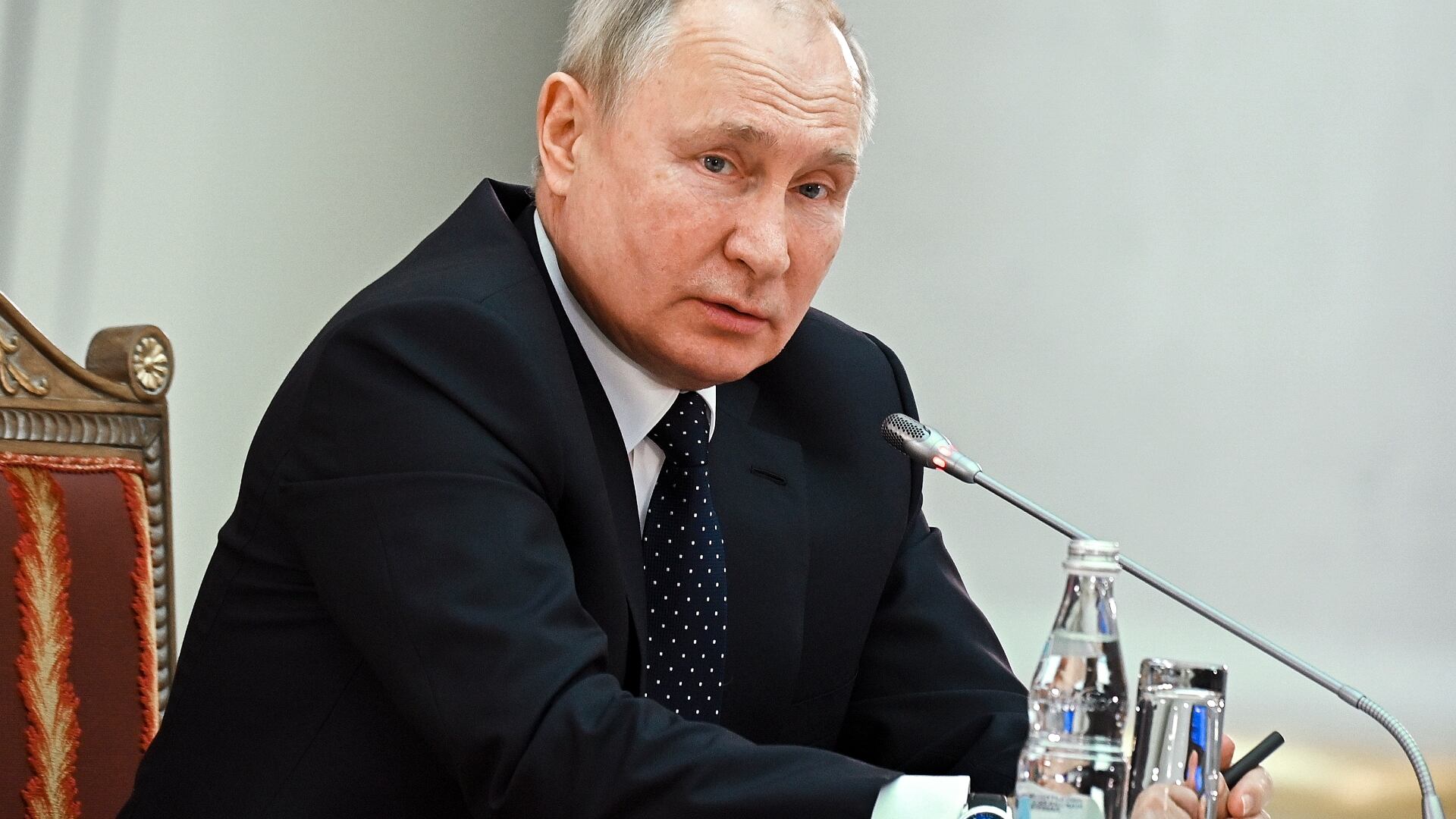
Matt Hayden, vice president of govtech solutions at Exiger and a former assistant secretary of cyber at Department of Homeland Security, joined Cheddar to discuss the surprise phone call initiated by Russian President Vladimir Putin to President Joe Biden, ahead of January security talks about the rising tensions over Ukraine. "We're hoping to hear that we're able to talk about the aggression and the leadup of the Ukrainian militarization," Hayden said. "But we're also looking to hear is how the Kremlin leveraged their talking points to try to test their negotiation stance with the United States leading into this January 10th meeting."
The No Surprises Act begins implementation on January 1, 2022. The legislation is meant to curb the practice of unexpected billing for care from providers the patient was unaware were out-of-network from their insurance. Patricia Kelmar, director of health care campaigns for U.S. PIRG joined Cheddar to describe the hundreds, sometimes thousands, of dollars charged to unsuspecting patients and how things will change under the new law. "If we are picking an in-network doctor and an in-network hospital, we should not see those added costs from anesthesiologists, radiologists, scrub-in surgeons," she said. "The other area it protects you is in air ambulances — not ground ambulances, unfortunately — but the helicopters or the airplanes you might need to transport you in an emergency situation."
President Joe Biden and Russian President Vladmir Putin are expected to have another conversation surrounding escalating tensions between Russia and Ukraine. Ariel Cohen, senior fellow at the Atlantic Council, joined Cheddar's Ken Buffa to discuss the ongoing tensions and why Putin's request for a conversation with Biden comes now. "This is very serious. This is the worst security crisis we had since the collapse of the Soviet Union," Cohen told Cheddar.
Stocks closed mixed on Wednesday, but two indexes - the Dow and the S&P 500 - ended the session with a new record. Akshata Bailkeri, Equity Analyst at Bruderman Asset Management, joins Cheddar News' Closing Bell, where she says there is a consensus for robust consumer spreading in 2022, especially as the Omicron variant is proving to be milder than other COVID-19 strains.
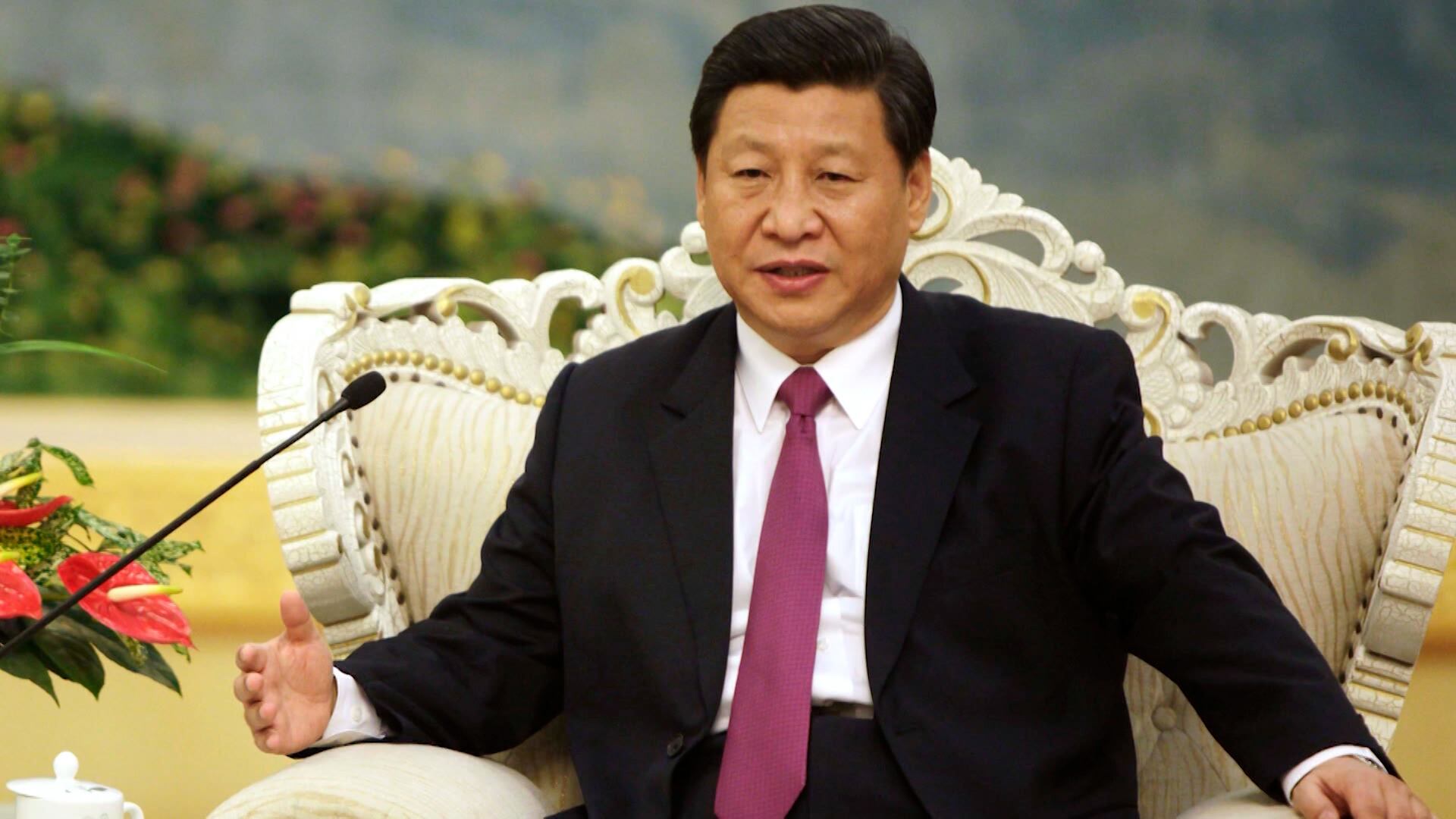
John Quelch, Dean of Miami Herbert Business School, joins Cheddar News' Closing Bell, where he says the retail giant is acting in accordance to President Biden's new law banning goods from China's Xinjiang region. Quelch also elaborates on the importance of China in Walmart's overall strategy.