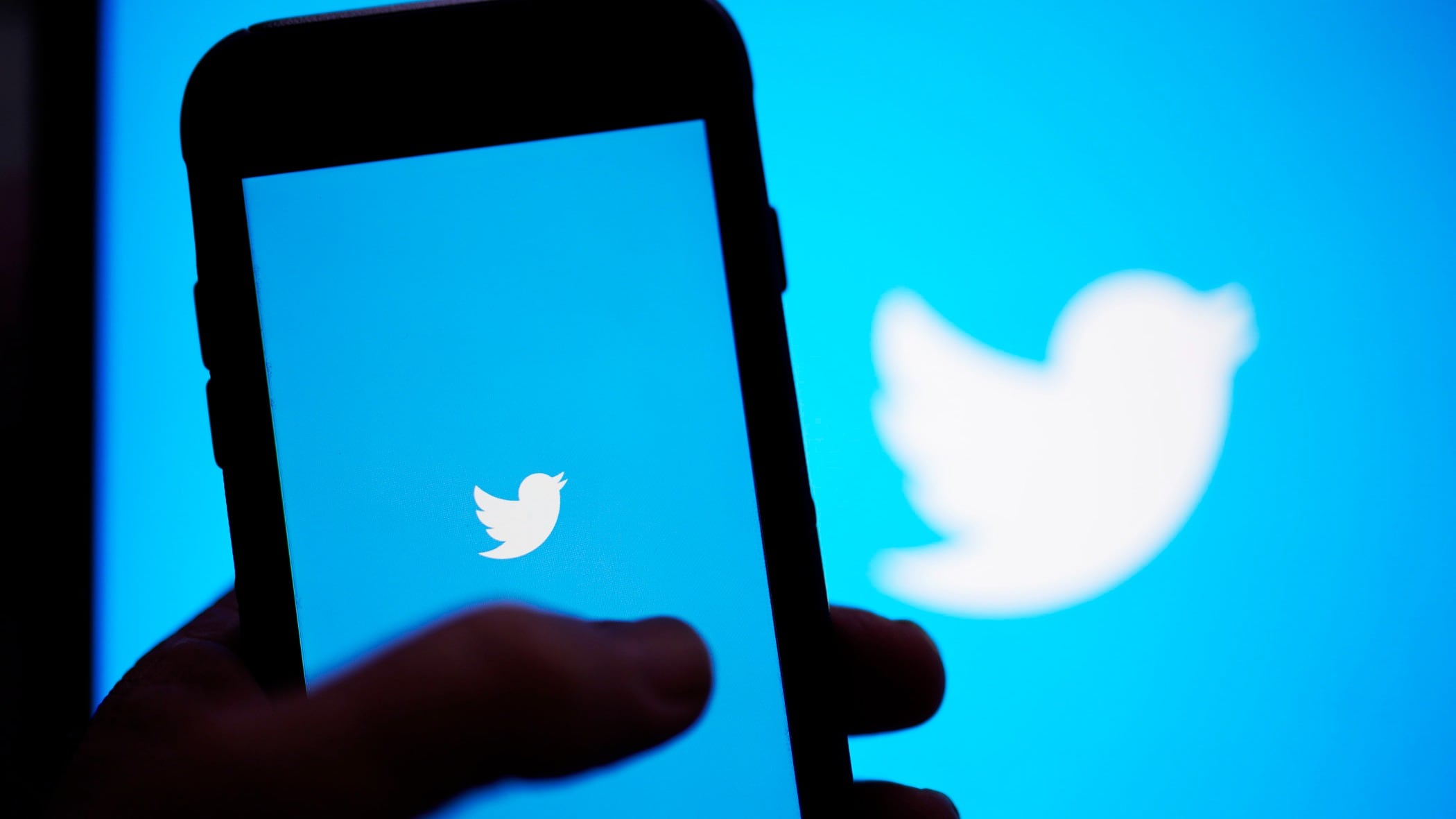
The Twitter application is seen on a digital device, Monday, April 25, 2022, in San Diego. (AP Photo/Gregory Bull, File)
After a three-year hiatus, Twitter is set to reverse course on its ban of political ads.
In 2019, Twitter and then-CEO Jack Dorsey moved to ban cause-based ads in an effort, in part, to reduce the spread of misinformation and paid advertising for smear campaigns but the bird app could be reversing course under Elon Musk's leadership.
Musk is a self-described advocate for free speech and the move comes as Twitter struggles to become profitable. In 2018, when political ads had a green light, they accounted for less than $3 million of total spending during the U.S. midterm elections. Facebook also enacted limits on political and social issue advertising at the time but reversed its decision in 2021.
Last November, Twitter went through some turmoil when notable companies like Chipotle, General Mills, Pfizer, United Airlines, and others, halted advertising on the platform after Musk's takeover.
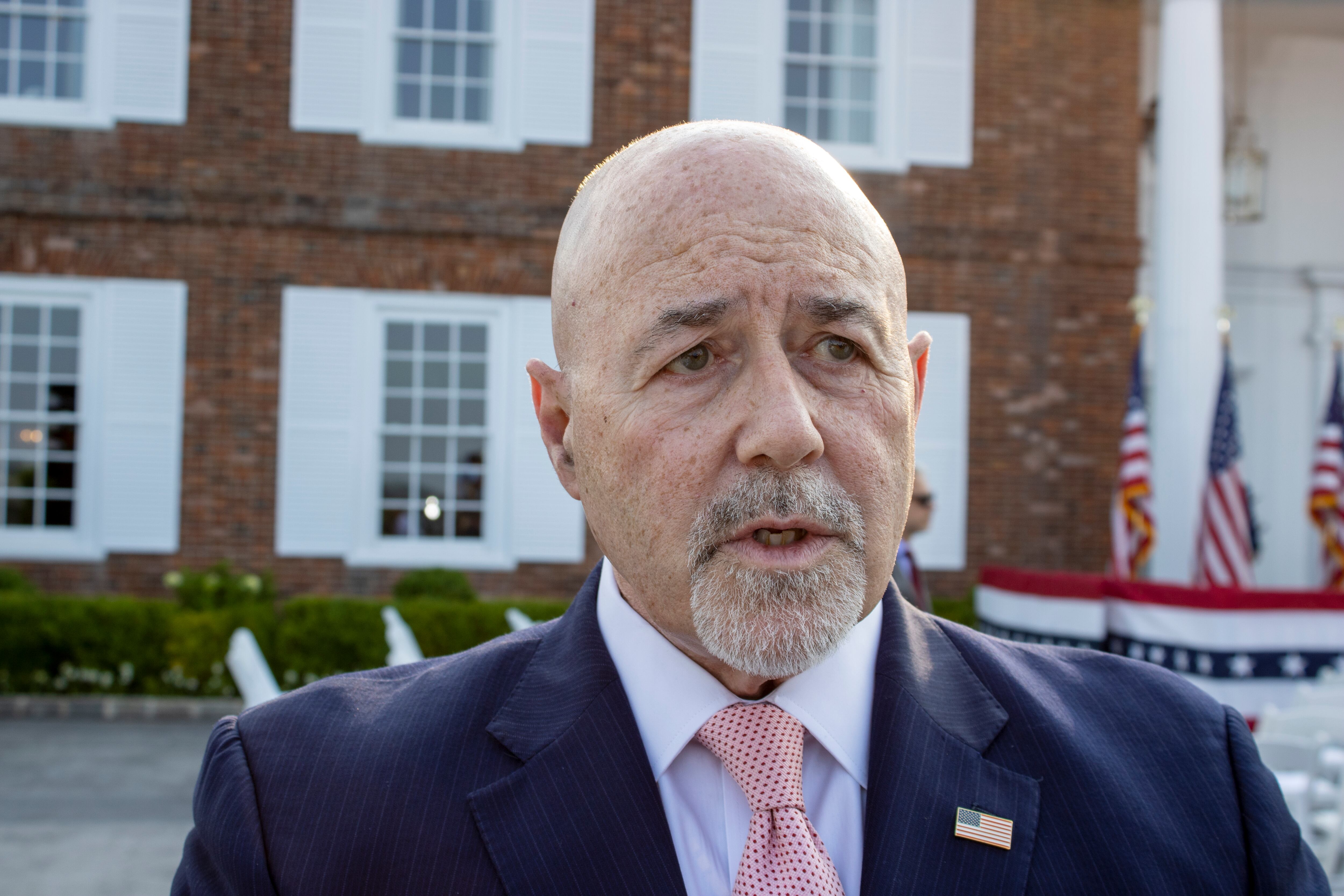
The lawyer for former NYPD commissioner Bernard Kerik turned over thousands of pages and documents to a special counsel as part of an investigation into Kerik's alleged involvement to overturn the results of the 2020 election.
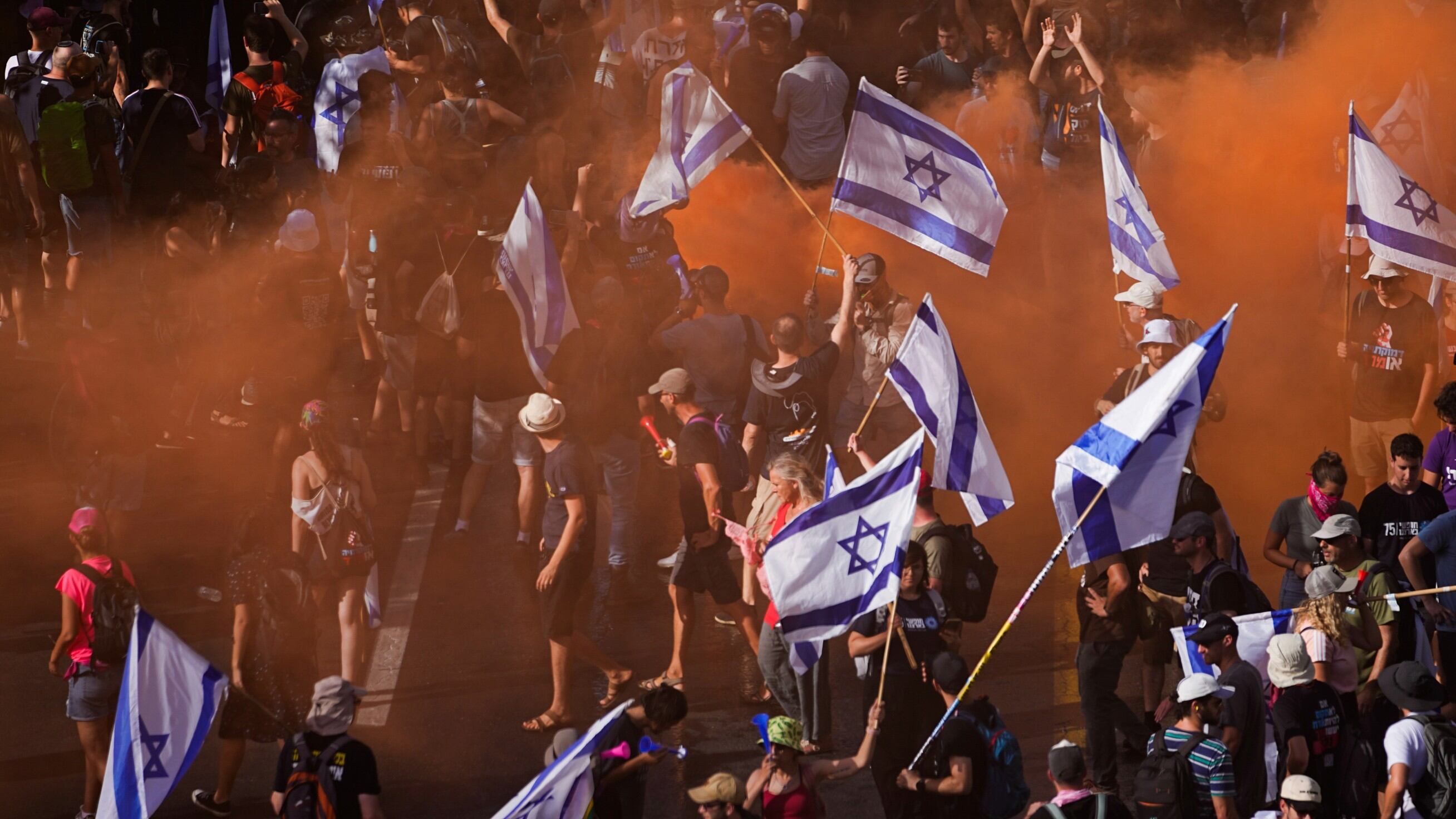
Israel’s parliament on Monday approved the first major law in Prime Minister Benjamin Netanyahu’s contentious plan to overhaul the country’s justice system, triggering a new burst of mass protests and drawing accusations that he was pushing the country toward authoritarian rule.
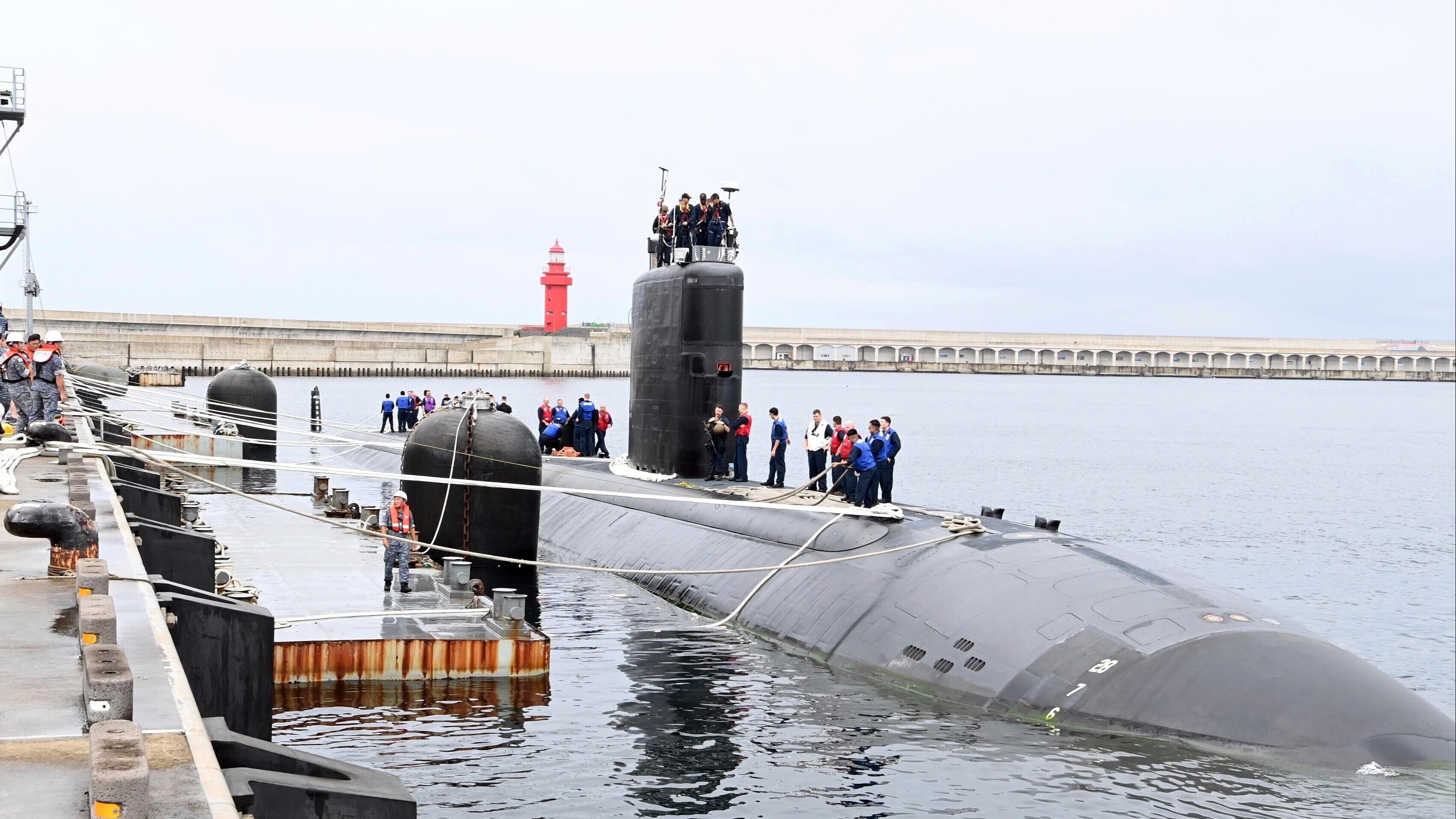
North Korea fired two short-range ballistic missiles into its eastern sea, South Korea’s military said Tuesday, adding to a recent streak in weapons testing that is apparently in protest of the U.S. sending major naval assets to South Korea in a show of force.
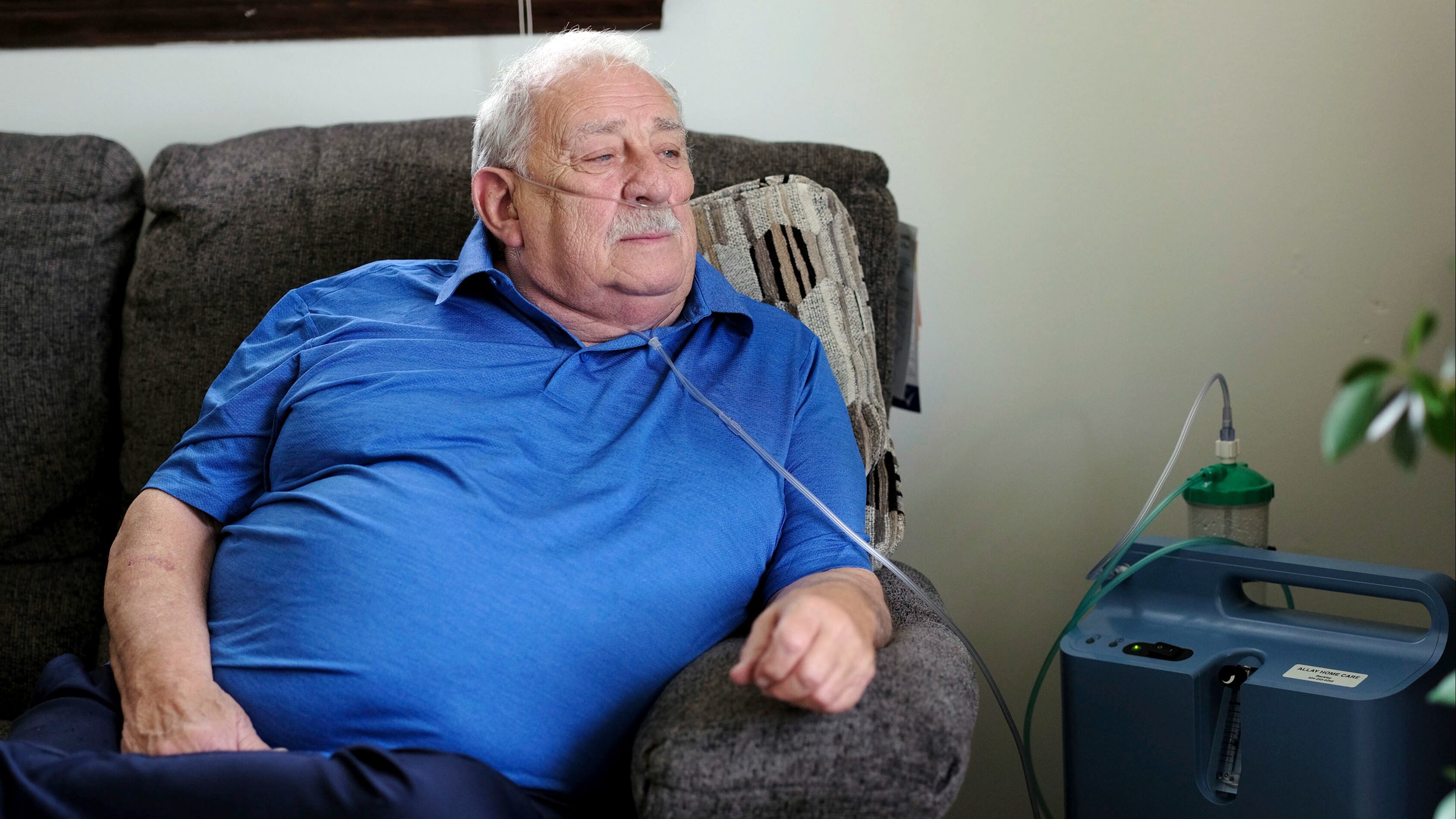
Now the federal Mine Safety and Health Administration has proposed a rule that would cut the current limit for silica exposure by half — a major victory for safety advocates. But there is skepticism and concern about the government following through after years of broken promises and delays.
A state trooper's account of officers denying migrants water in 100-degree Fahrenheit (37.7 Celsius) temperatures and razor wire leaving asylum-seekers bloodied has prompted renewed criticism.