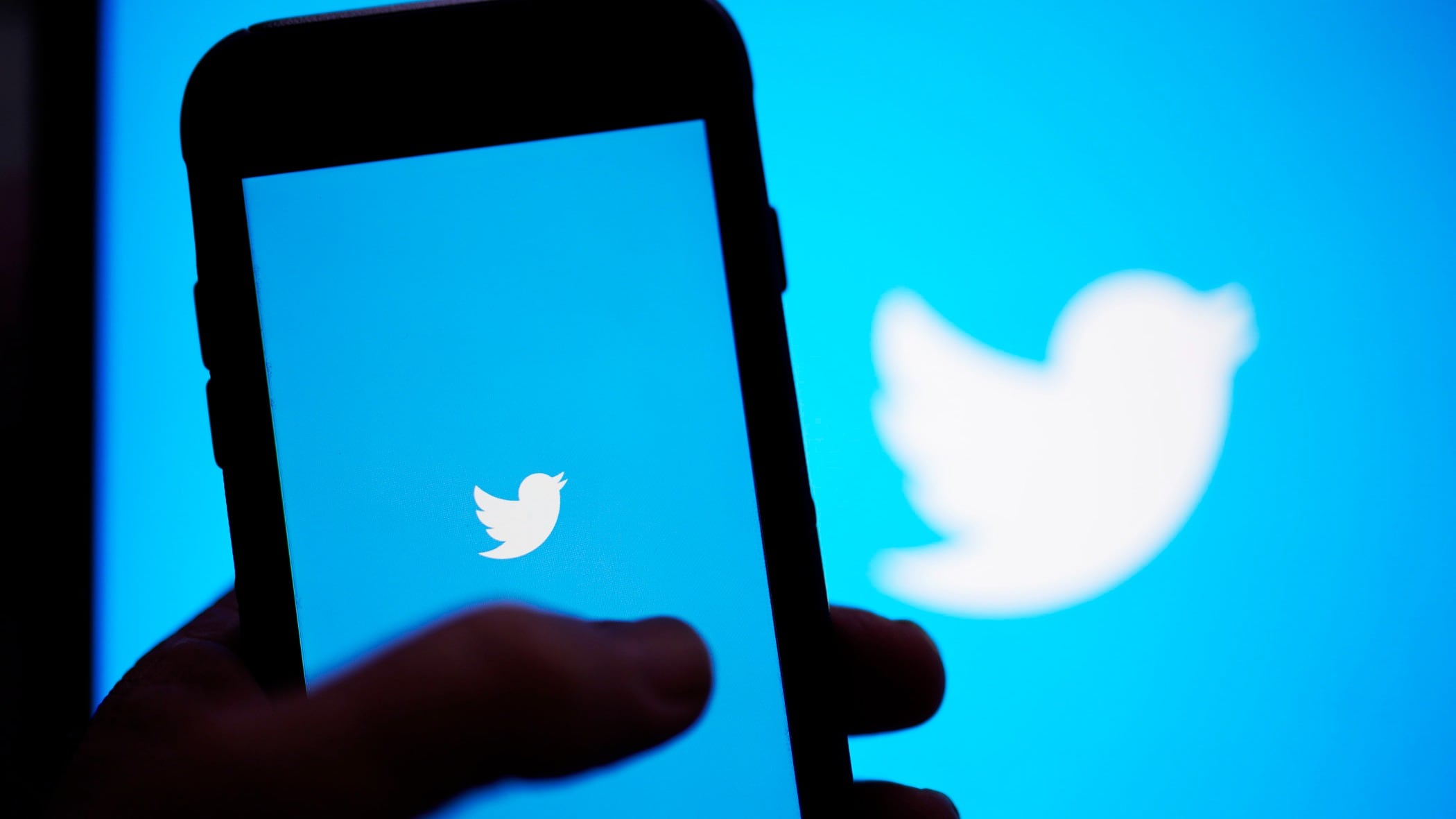
The Twitter application is seen on a digital device, Monday, April 25, 2022, in San Diego. (AP Photo/Gregory Bull, File)
After a three-year hiatus, Twitter is set to reverse course on its ban of political ads.
In 2019, Twitter and then-CEO Jack Dorsey moved to ban cause-based ads in an effort, in part, to reduce the spread of misinformation and paid advertising for smear campaigns but the bird app could be reversing course under Elon Musk's leadership.
Musk is a self-described advocate for free speech and the move comes as Twitter struggles to become profitable. In 2018, when political ads had a green light, they accounted for less than $3 million of total spending during the U.S. midterm elections. Facebook also enacted limits on political and social issue advertising at the time but reversed its decision in 2021.
Last November, Twitter went through some turmoil when notable companies like Chipotle, General Mills, Pfizer, United Airlines, and others, halted advertising on the platform after Musk's takeover.
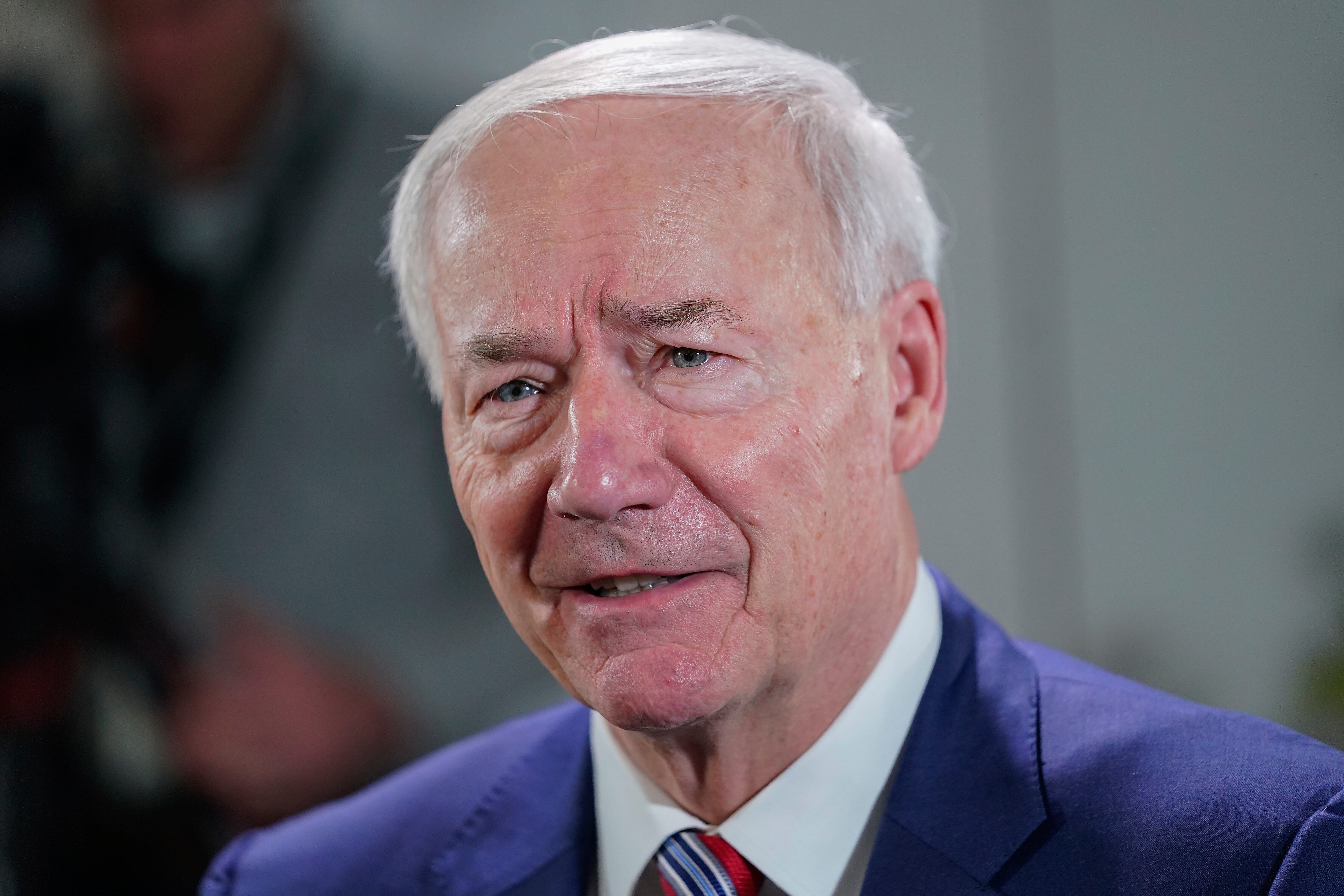
Asa Hutchinson, who recently completed two terms as Arkansas governor, said Sunday he will seek the Republican presidential nomination, positioning himself as an alternative to Donald Trump just days after the former president was indicted by a grand jury in New York.
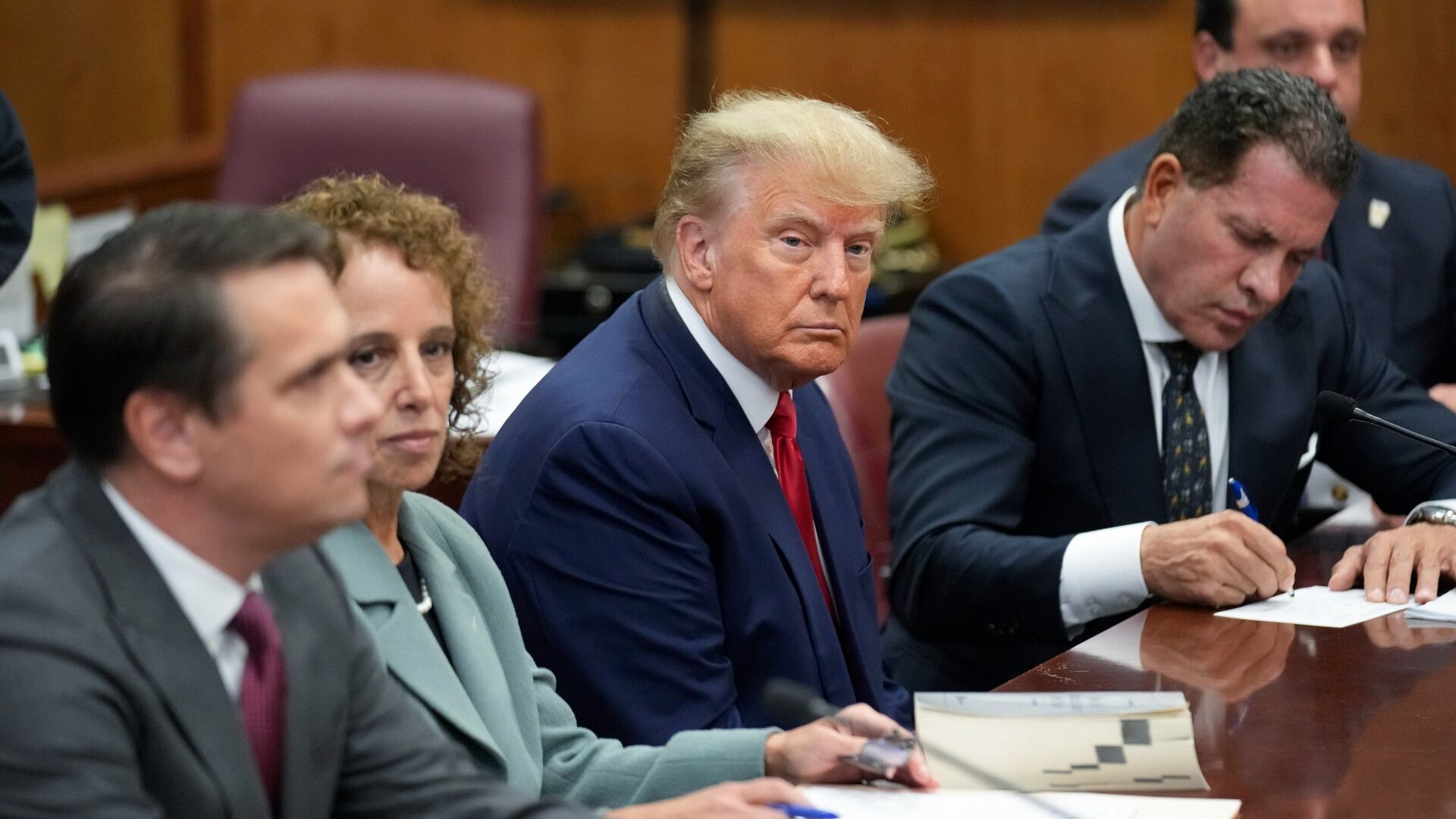
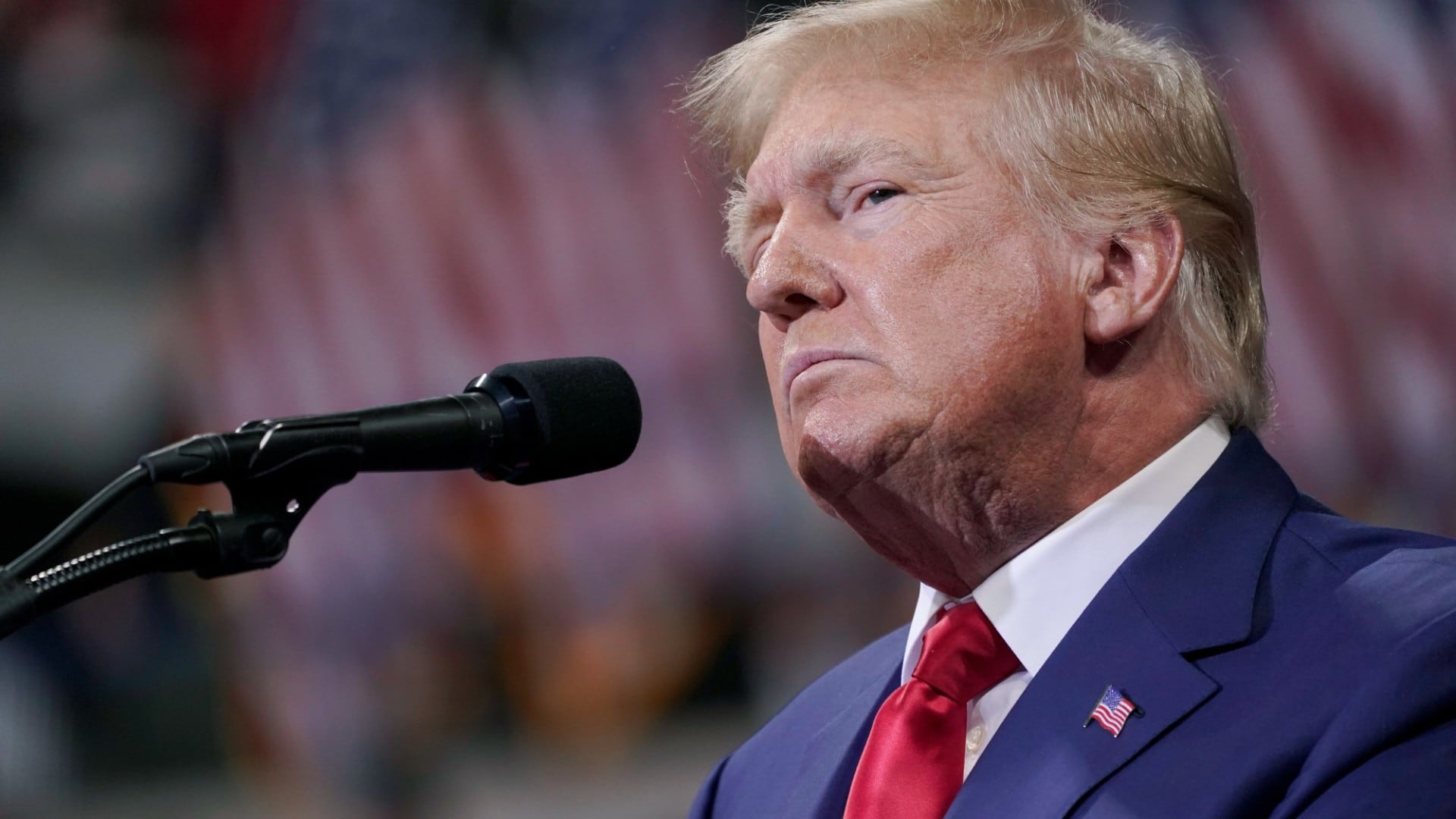
Prosecutors say Donald Trump conspired to undermine the 2016 election through a series of hush money payments designed to stifle claims that could be harmful to his candidacy.
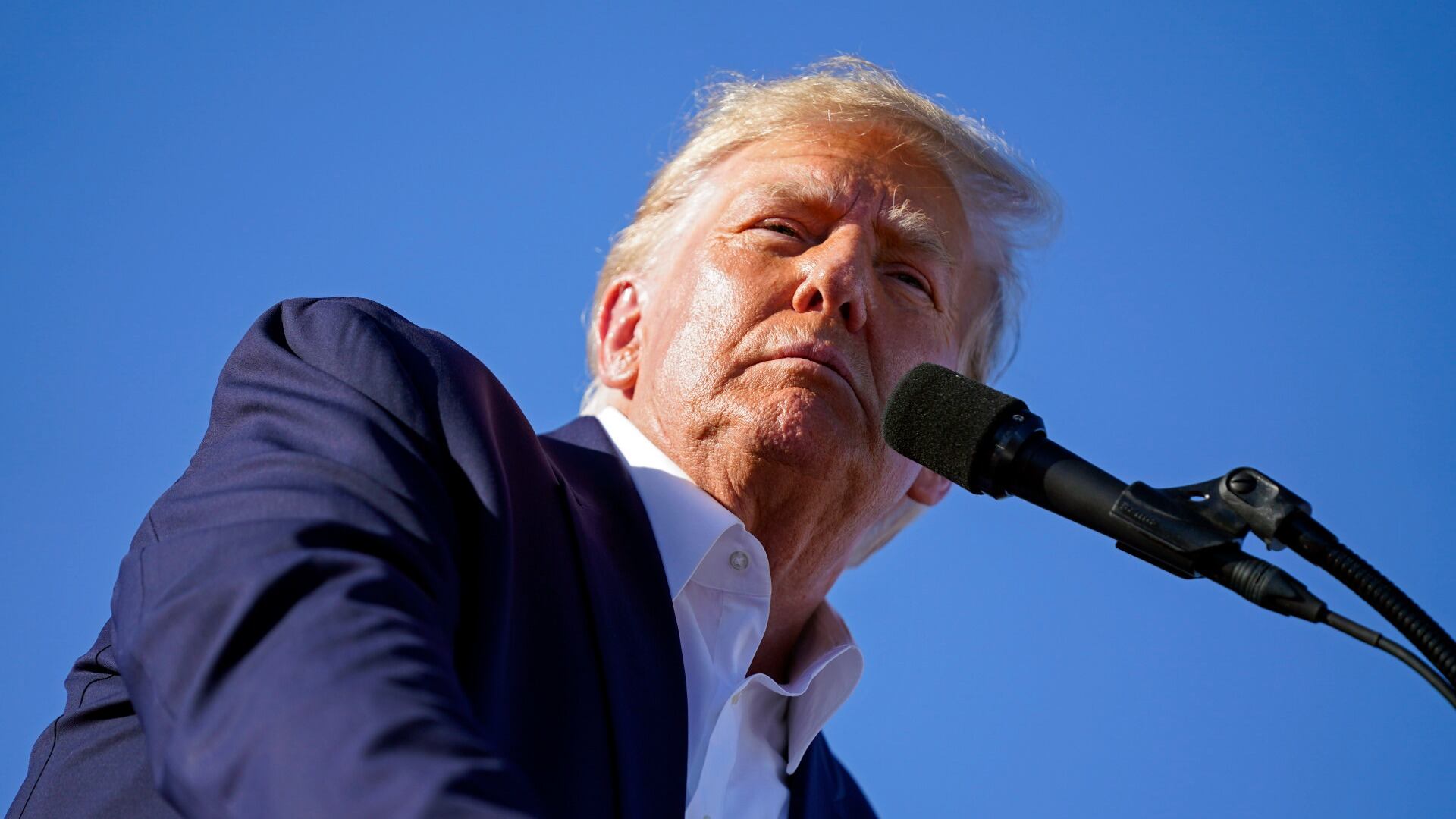
He is expected to be joined in Florida by supporters as he tries to project an image of strength and defiance and turn the charges into a political asset to boost his 2024 presidential campaign.
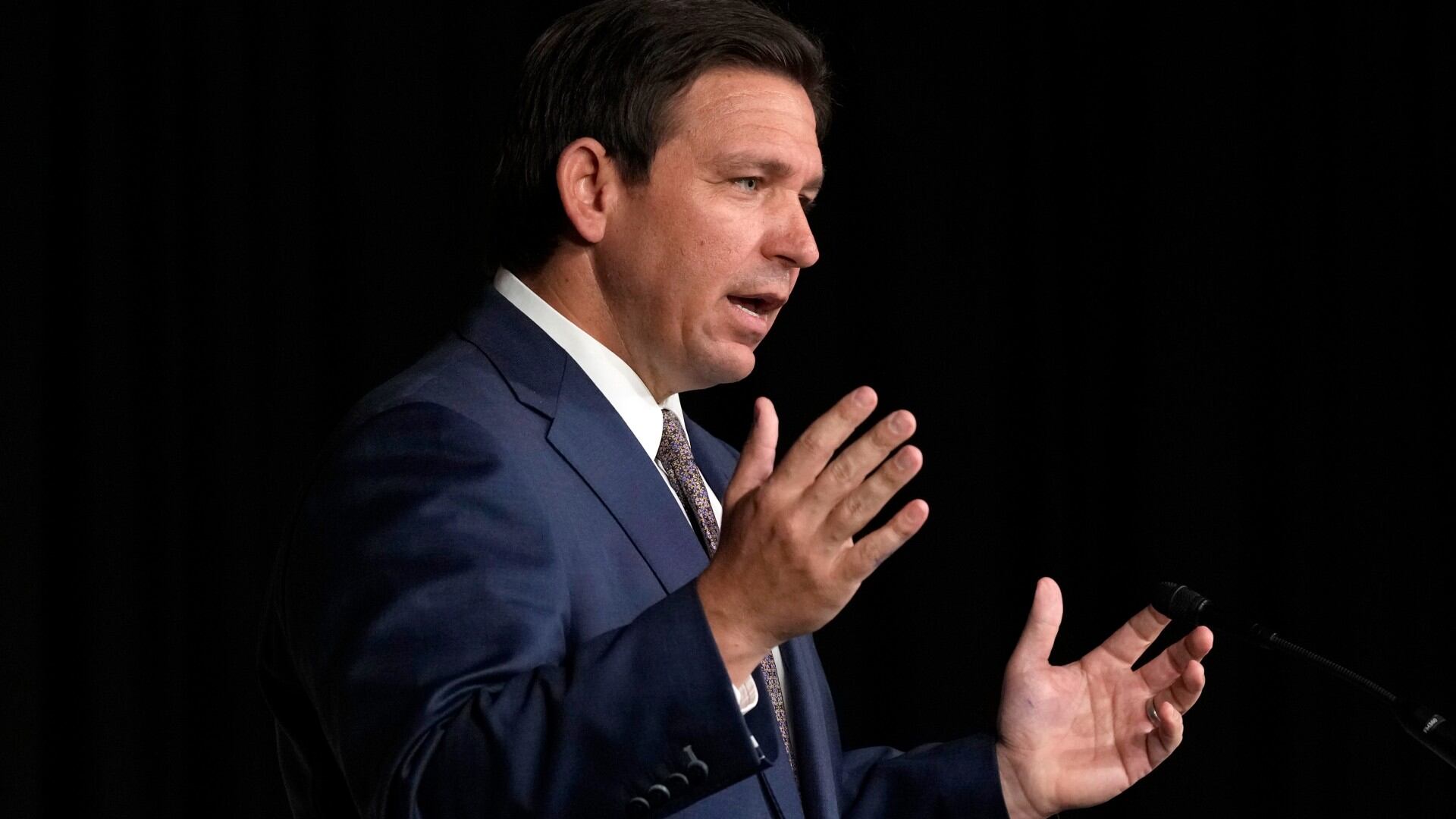
Board members picked by Florida Gov. Ron DeSantis to oversee the governance of Walt Disney World said Wednesday that their Disney-controlled predecessors pulled a fast one on them by passing restrictive covenants that strip the new board of many of its powers.
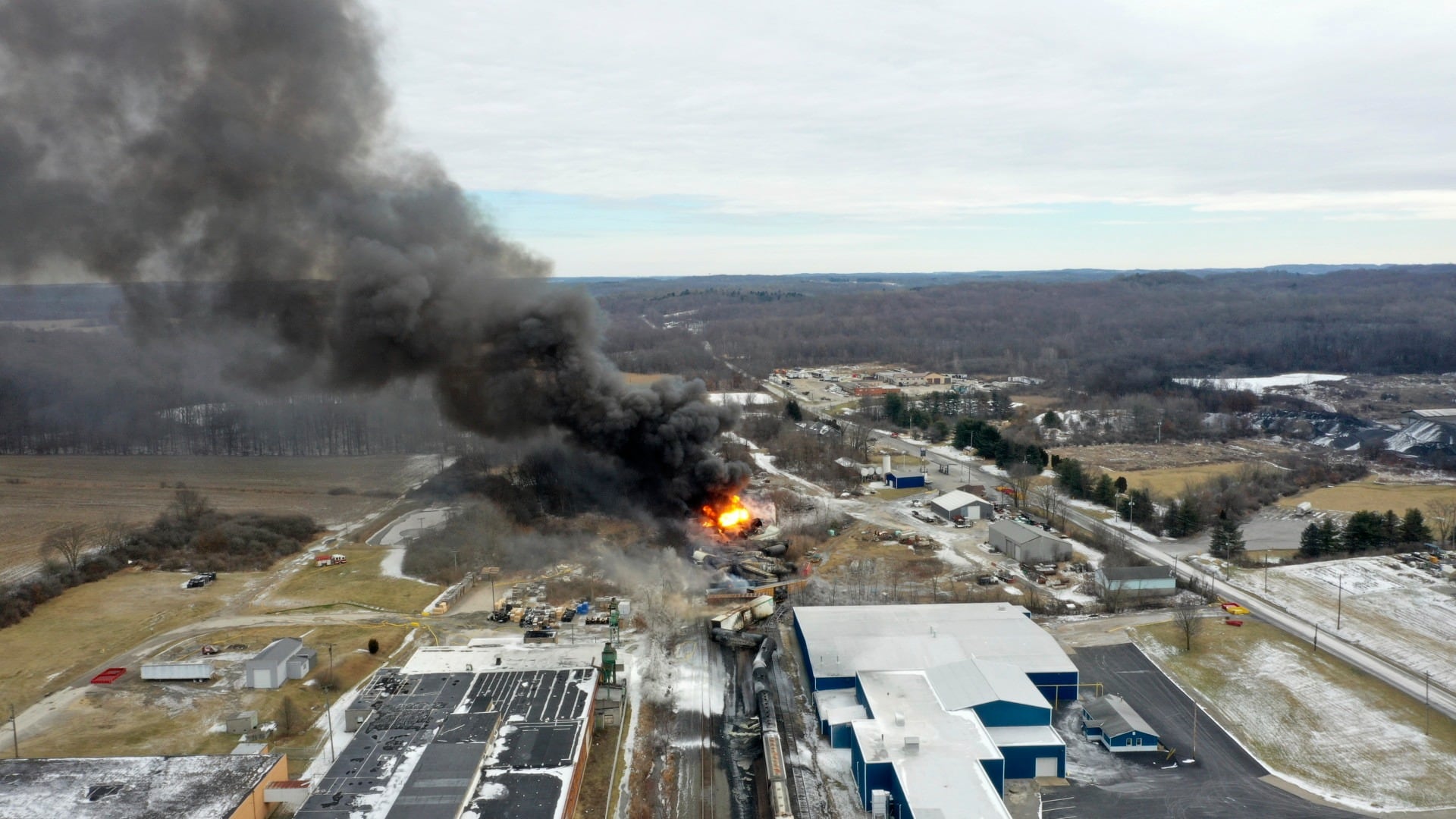
The federal government has filed a lawsuit against railroad Norfolk Southern over environmental damage caused by a train derailment on the Ohio-Pennsylvania border that spilled hazardous chemicals.
The charges in the indictment, made by a Manhattan grand jury, center on payments made during the 2016 presidential campaign to silence claims of an extramarital sexual encounter.