The Twitter application is seen on a digital device, Monday, April 25, 2022, in San Diego. (AP Photo/Gregory Bull, File)
After a three-year hiatus, Twitter is set to reverse course on its ban of political ads.
In 2019, Twitter and then-CEO Jack Dorsey moved to ban cause-based ads in an effort, in part, to reduce the spread of misinformation and paid advertising for smear campaigns but the bird app could be reversing course under Elon Musk's leadership.
Musk is a self-described advocate for free speech and the move comes as Twitter struggles to become profitable. In 2018, when political ads had a green light, they accounted for less than $3 million of total spending during the U.S. midterm elections. Facebook also enacted limits on political and social issue advertising at the time but reversed its decision in 2021.
Last November, Twitter went through some turmoil when notable companies like Chipotle, General Mills, Pfizer, United Airlines, and others, halted advertising on the platform after Musk's takeover.
U.S. states could face some hurdles as they experiment with road usage charging programs aimed at one day replacing motor fuel taxes, which are generating less each year, in part due to fuel efficiency and the rise of electric cars.
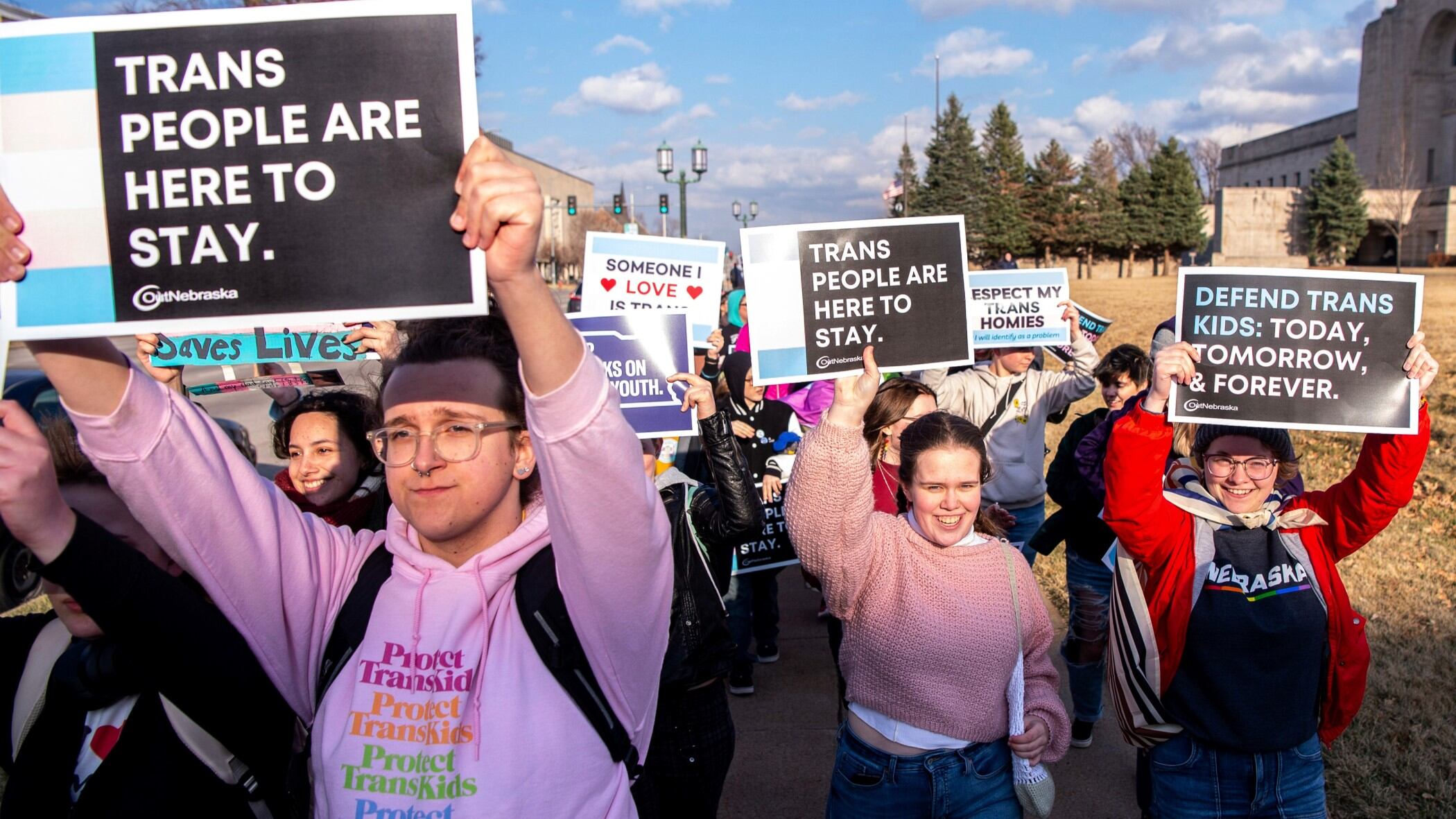
The defiance of restrictions in North Dakota on what bathrooms transgender students can use in public schools and universities shows that it's not exactly clear how bathroom laws will play out in local communities after being enacted in at least 10 states with Republican-controlled legislatures.
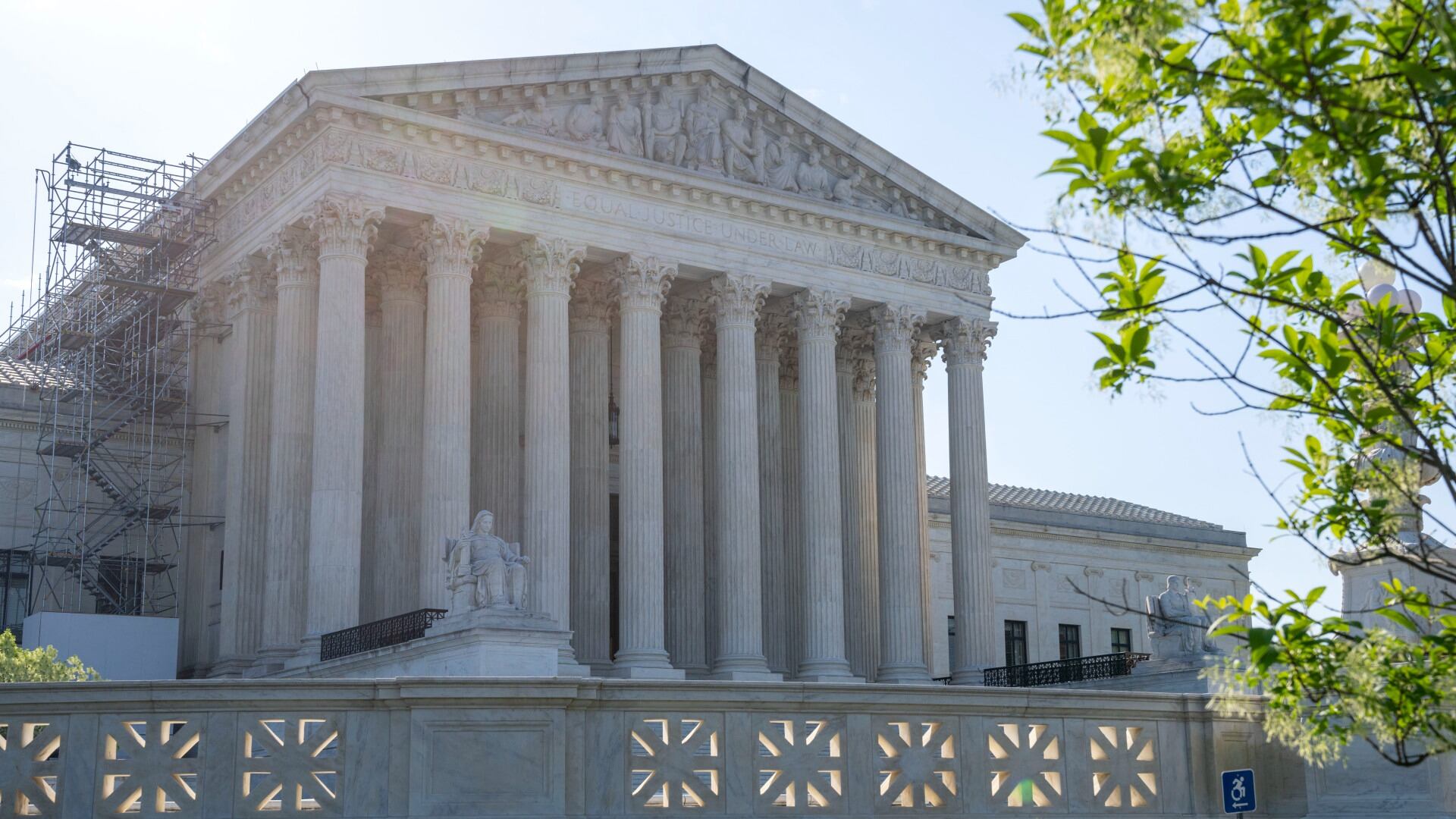
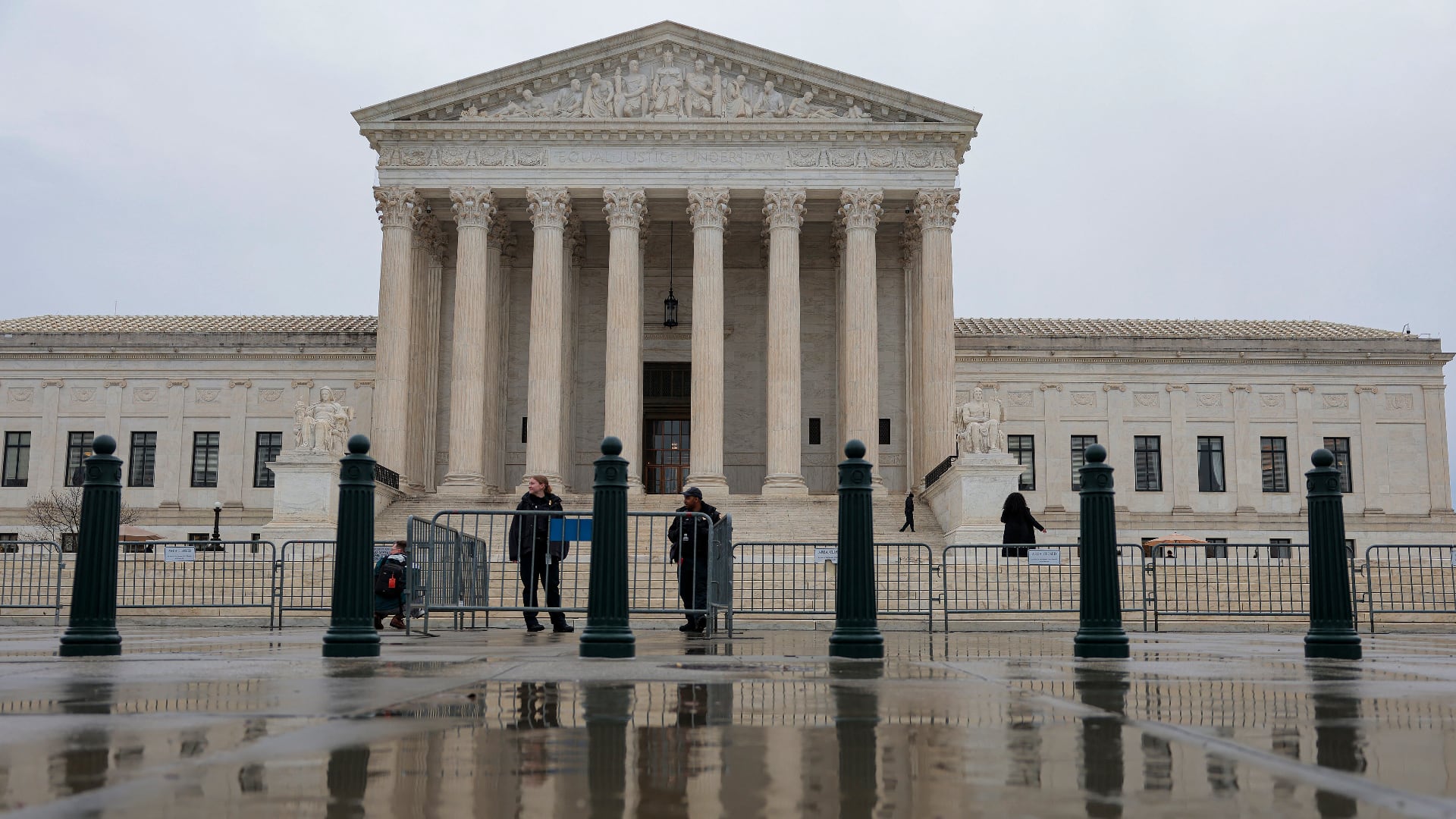
The Supreme Court on Monday left in place an appellate ruling barring a North Carolina public charter school from requiring girls to wear skirts to school.
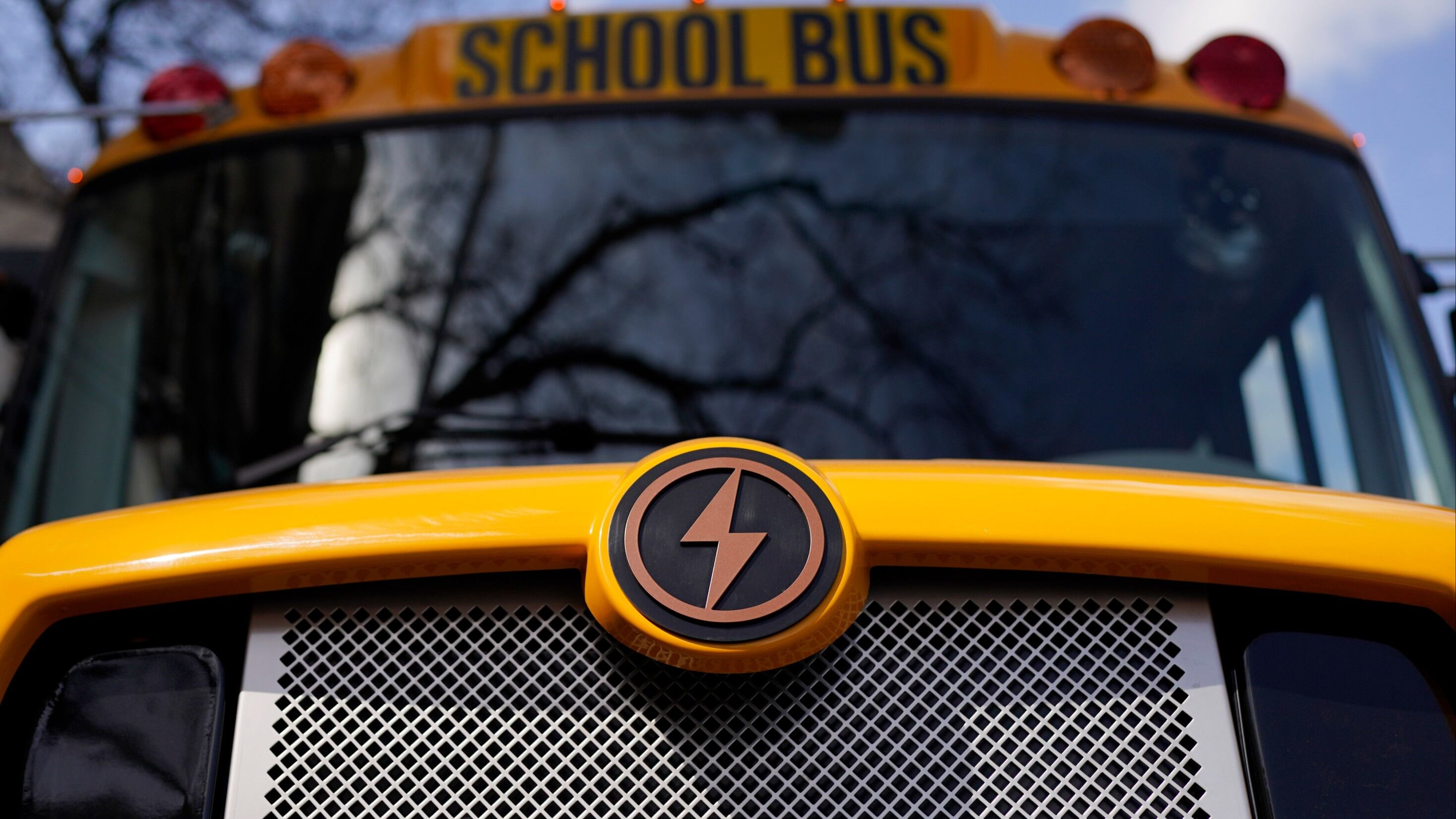
The U.S. Department of Transportation is awarding almost $1.7 billion in grants for buying zero- and low-emission buses, with the money going to transit projects in 46 states and territories.
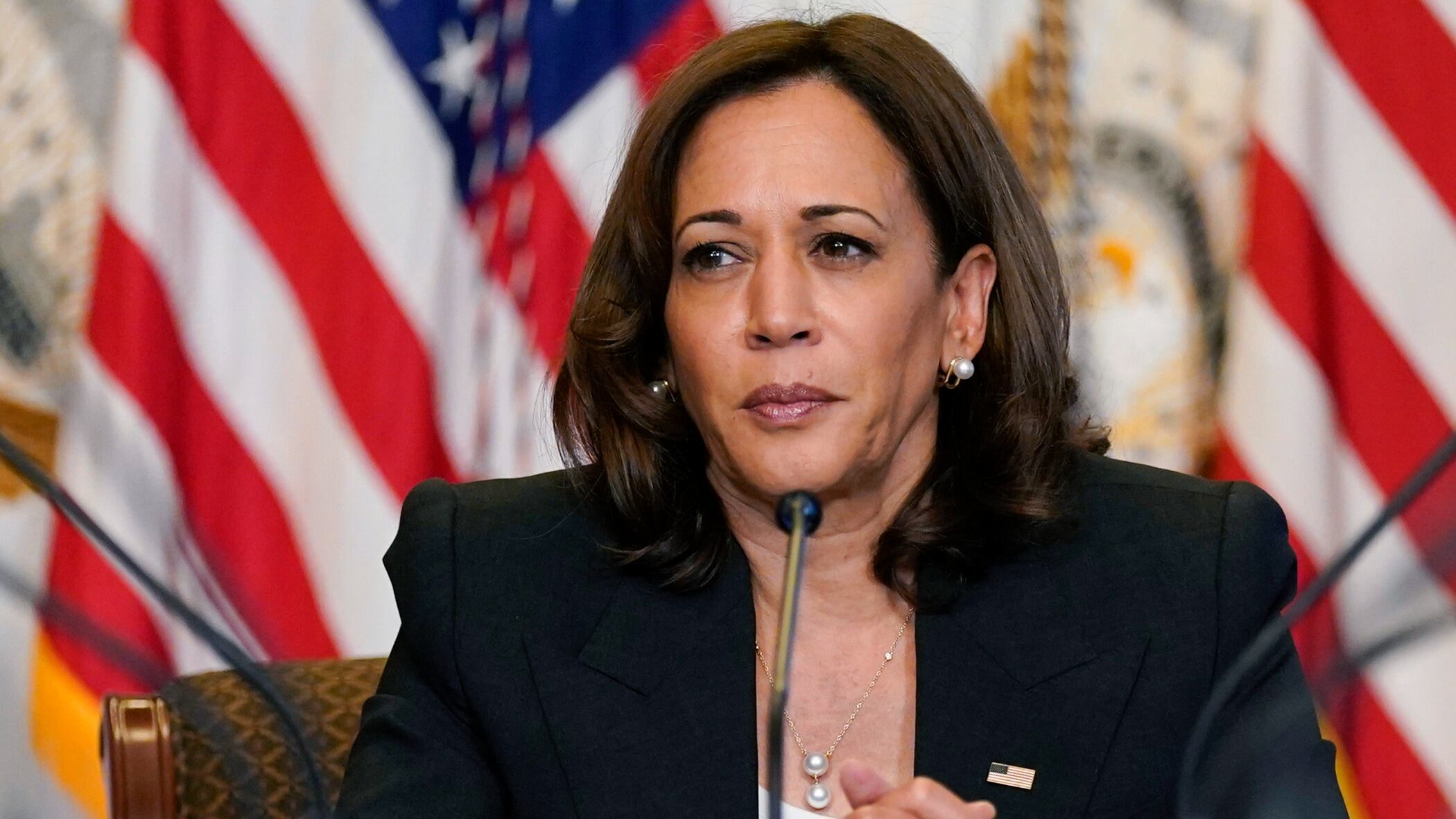
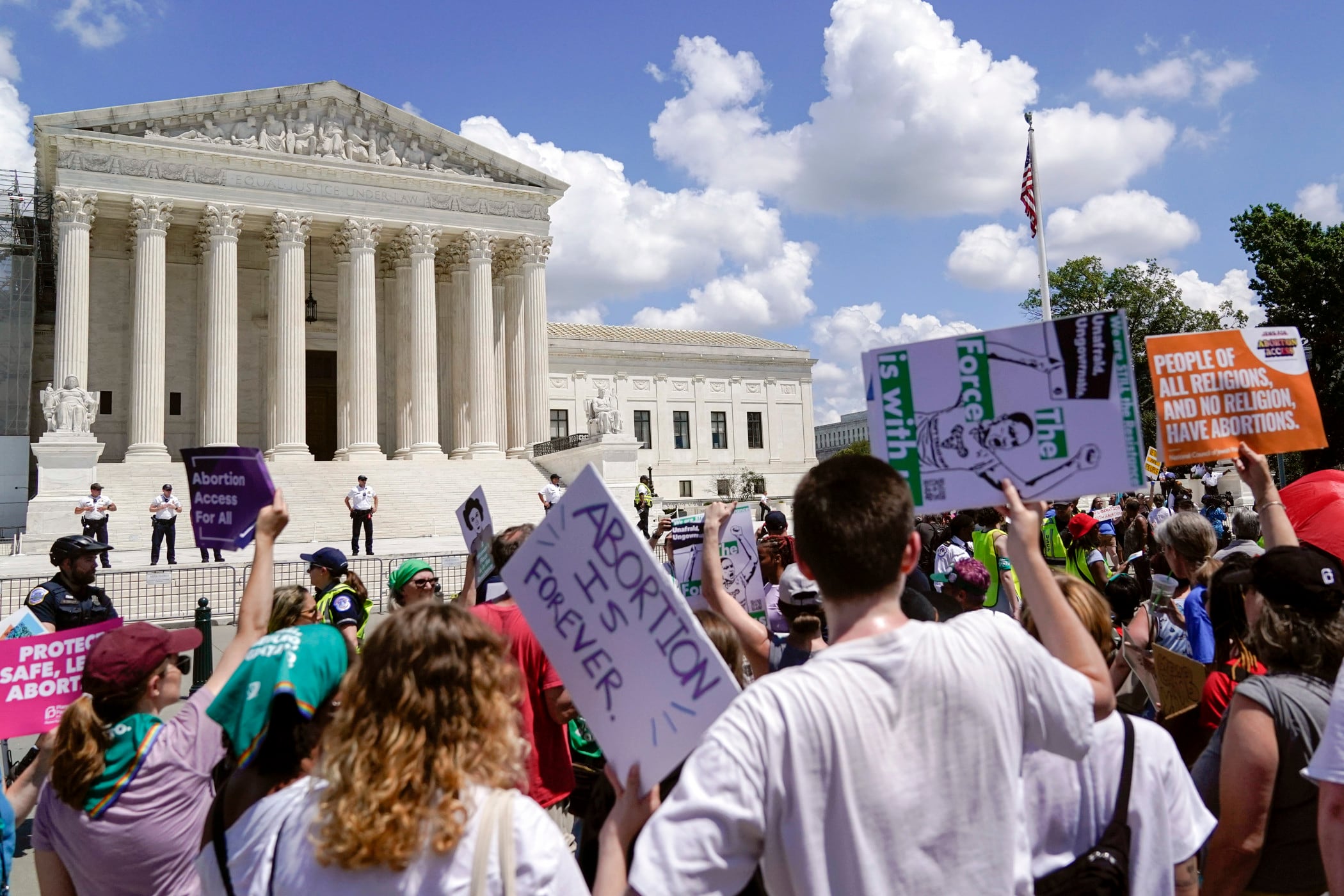
Vice President Kamala Harris said Supreme Court conservatives caused a healthcare crisis in America and blasted abortion bans in Republican-led states.
To many observers, the efforts to roll back two policies that disproportionately help Black students and other students of color reflect a backlash to racial progress in higher education.