While Pittsburgh International Airport is getting ready to break ground on a $1.1 billion modernization plan for its passenger terminal, the airport's CEO says the future is in cargo.
While public [spending on American infrastructure fell by $9.4 billion from 2007 and 2017, Pittsburgh has decided to take the opposite approach. "With our [airline] partners, we have determined that we need to make this infrastructure investment," CEO Christina Cassotis told Cheddar Thursday.
She said she hopes, through modernizing the airport, passengers will see it "as more than just a facility … to get on and off the plane to get to your Uber or your taxi." She also noted that sustainability will be a "huge factor" in the new terminal, scheduled to open in 2023.
"We are redefining what it means to be an airport in the United States," Cassotis said.
While the investment in a new passenger terminal is underway, the airport is also trying to increase its cargo business, which Cassotis called "a huge deal for us." Amazon is currently not using its airport to transport packages, but she said, "We would love to welcome them."
"We believe that we've got the facilities and the geography for a logistics play. We're going after cargo," she said.
Cassotis noted that the $19 million federal grant was awarded for a cargo terminal last month was the first of its kind. The new terminal will help Pittsburgh attract attention far beyond the Pennsylvania border, and show potential new cargo partners "we are national critical infrastructure."
In October, Pittsburgh International Airport also announced it is investing in a microgrid to become 100 percent self-reliant on its own electricity generation. The project is slated to be completed by 2021. It's predicted by Peoples Gas utility and the airport authority it will save the airport about $500,000 a year, or about 7 percent of the airport's annual electric bill.
The World Economic Forum says false and misleading information supercharged with cutting-edge artificial intelligence is the top immediate risk to the global economy.
CES 2024 starts this week in Las Vegas. It's set to feature swaths of the latest advances and gadgets across personal tech, transportation, health care, sustainability and more. Here's a list of the coolest announcements so far.
Astronauts will have to wait until next year before flying to the moon and another few years before landing on it. NASA on Tuesday announced the latest round of delays in its Artemis moon-landing program.
The Biden administration has enacted a new labor rule that aims to prevent the misclassification of workers as independent contractors. The labor department rule going into effect Tuesday replaces a scrapped Trump-era standard that lowered the bar for classifying employees as contractors
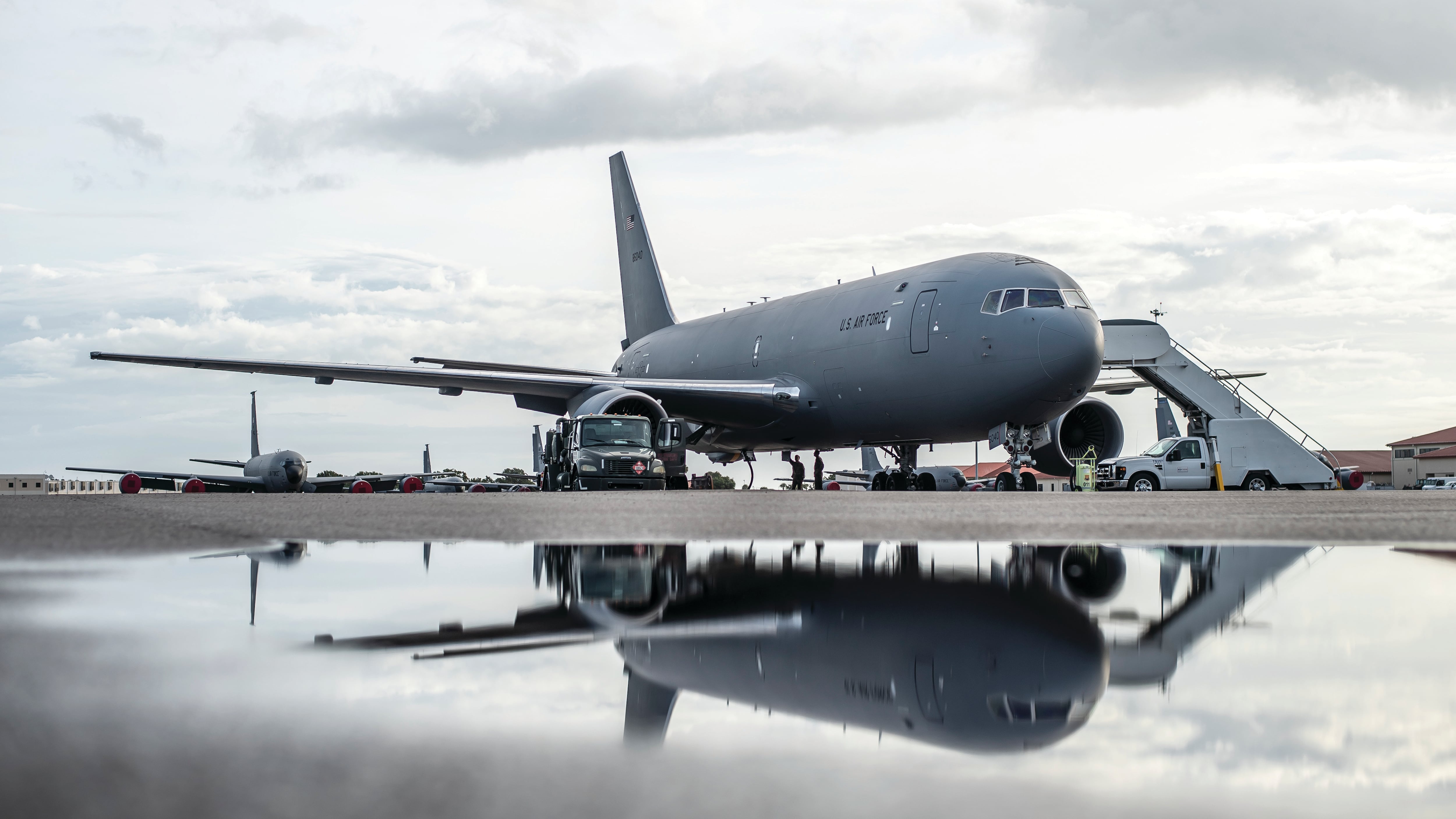
The KC-46 was to be the ideal candidate for a fixed-price development program. Instead, it has cost Boeing billions, and made industry wary of such deals.
Dave Long, CEO and Co-Founder of Orangetheory Fitness joins Cheddar to chat trends in the industry for 2024. He updates us on the company's plans to expand and what the state of the economy has meant for business.
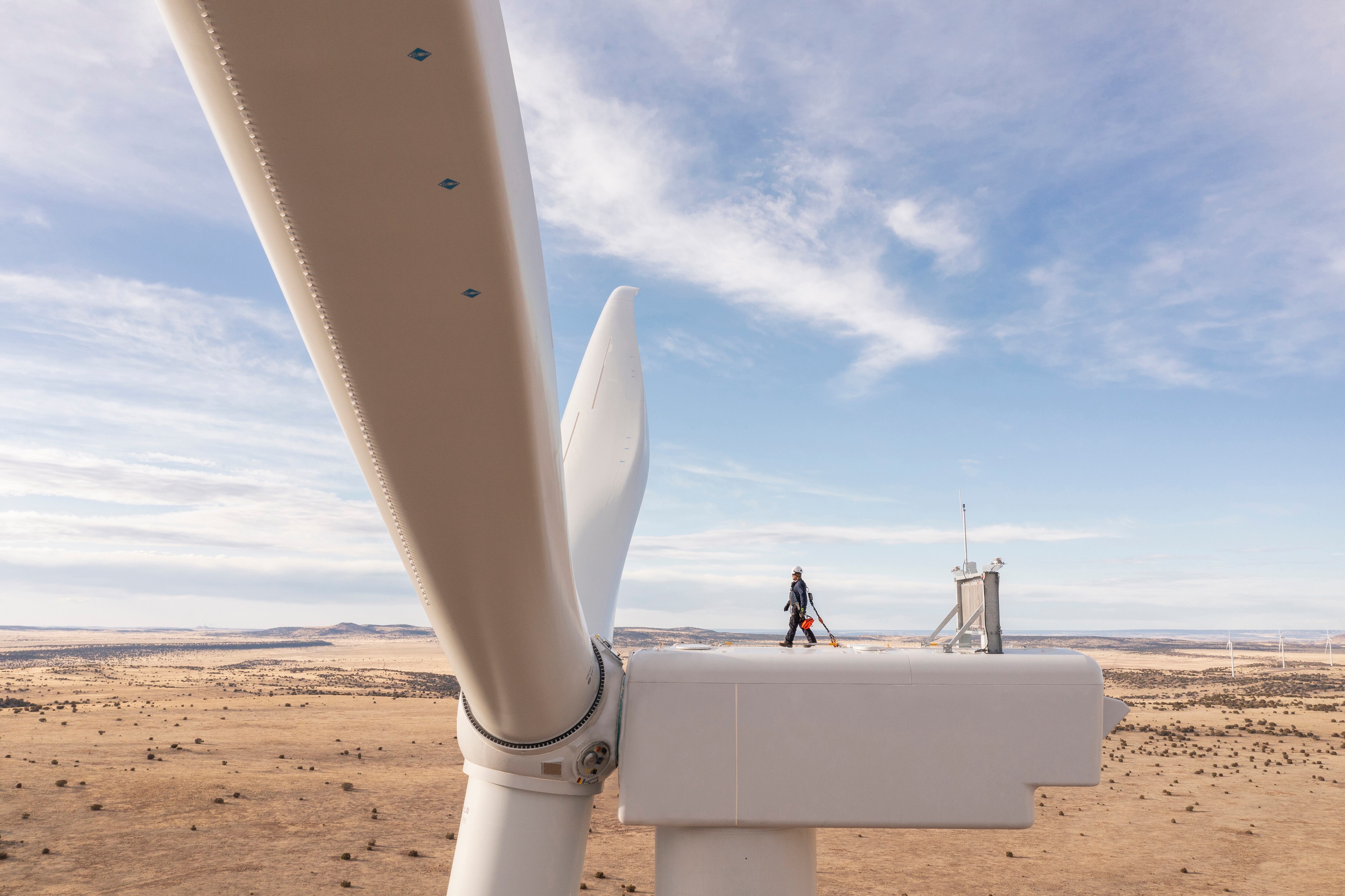
One of the world's largest renewable energy developers will be getting hundreds of wind turbines from General Electric spinoff GE Vernova as part of a record equipment order and long-term service deal.
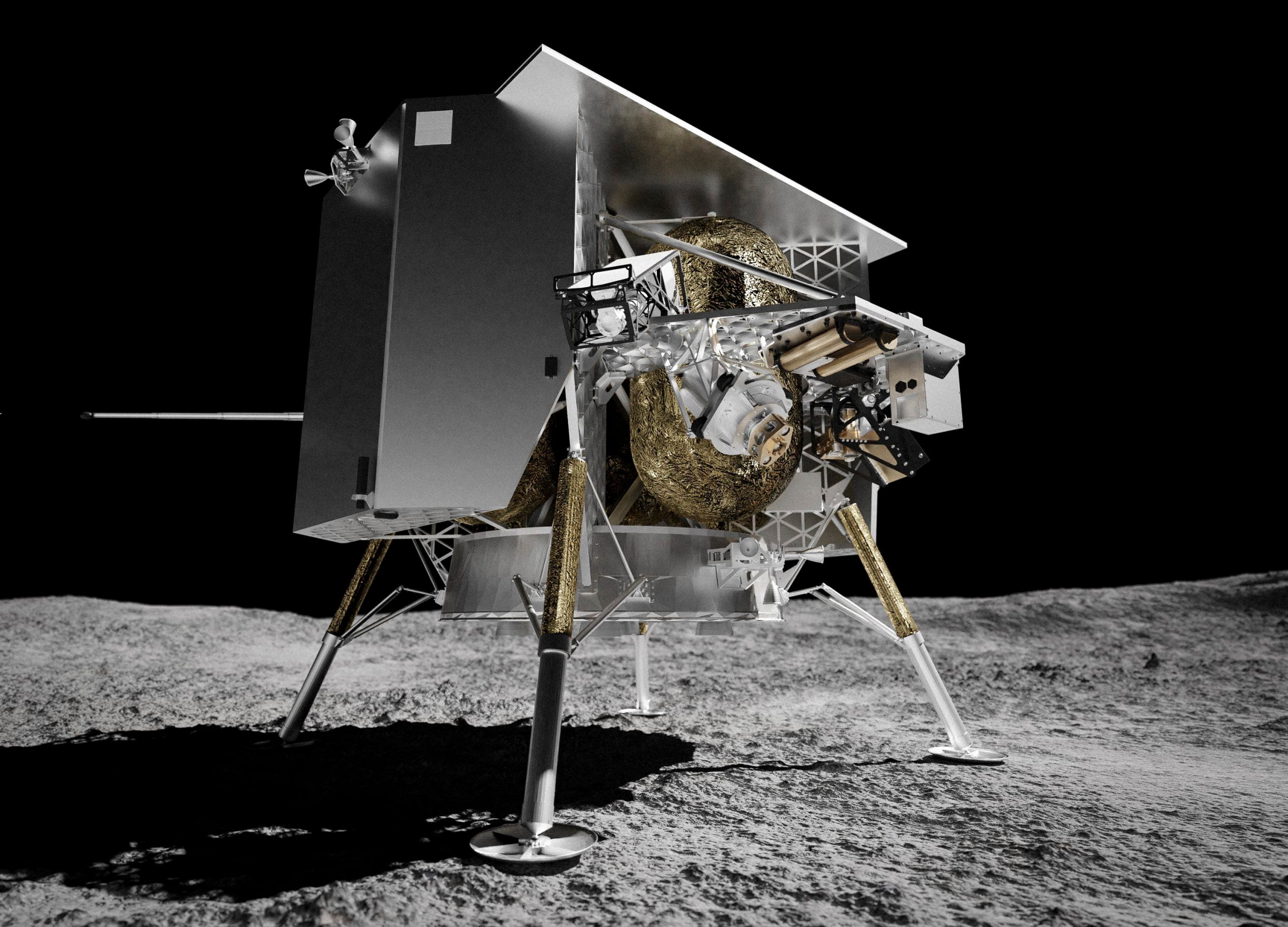
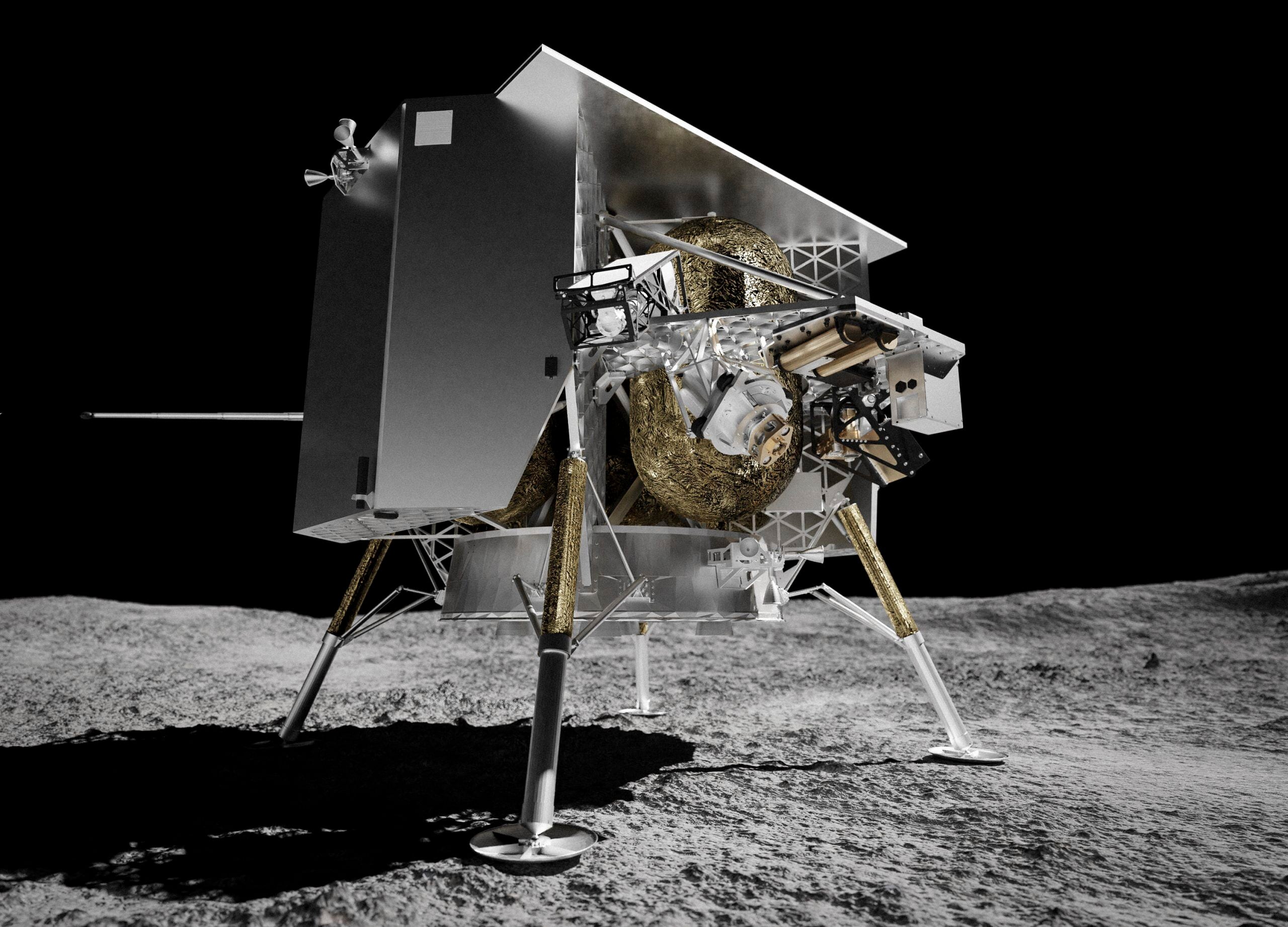
A moon landing attempt by a private US company appears doomed because of a fuel leak on the newly launched spacecraft. Astrobotic Technology managed to orient the lander toward the sun Monday so its solar panel could capture sunlight and charge its onboard battery.