The wildfire that swept across Maui a week ago turned one of the nation’s most celebrated island vistas into an ashen moonscape and killed at least 99 people, a number that officials warn could rise by scores as the search continues.
The deadliest wildfire in the U.S. in more than a century devoured homes and businesses, blackened cars and left only ruins where thriving neighborhoods once stood. In some places, the flames advanced as fast as a car at highway speed — a mile a minute.
The most serious blaze swept into Lahaina on Aug. 8 and destroyed nearly every building in the town of 13,000. When the flames were out and the smoke cleared, all that remained was a grid of gray rubble wedged between the blue ocean and lush green slopes.
Now begins a long recovery as survivors mourn the dead, search teams look for more victims in the charred debris and families try to begin anew.
The cause of the wildfire is under investigation. Fueled by a dry summer and strong winds from a passing hurricane, the flames raced through parched brush covering the island.
The fire was Hawaii’s deadliest natural disaster in decades, surpassing a 1960 tsunami that killed 61 people. A tsunami in 1946 killed more than 150 on the Big Island.
A new gel that helps stop bleeding for both emergency care and surgical procedures in animal medicine is being sought for FDA approval for a human version.
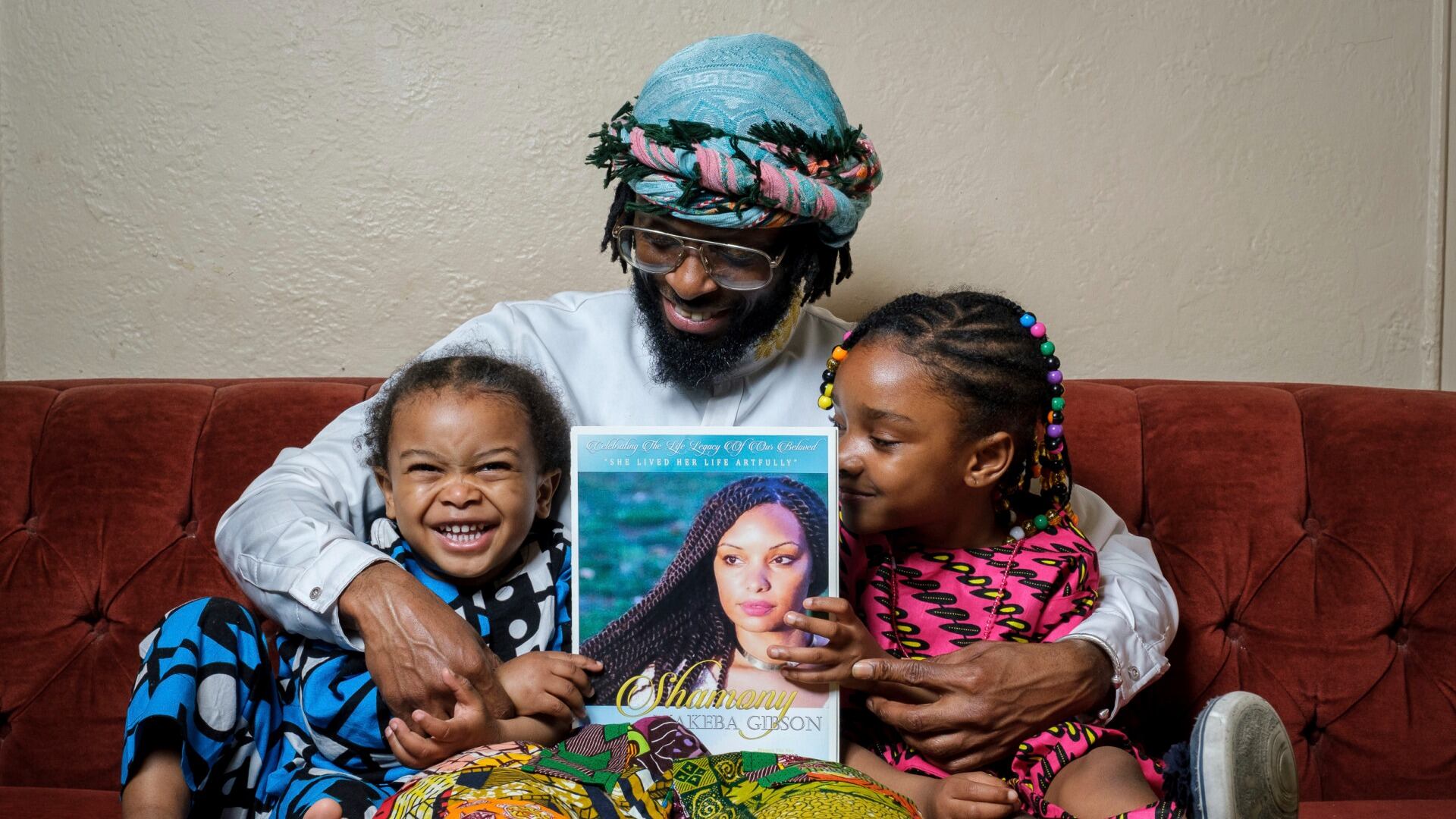
In this photo provided by Henry Danner, Omari Maynard sits with his children, Khari, left, and, Anari, holding a photo of their late mother, Shamony Gibson, at home in the Brooklyn borough of New York on April 9, 2022. Gibson passed away in 2019, two weeks after giving birth to Khari due to a pulmonary embolism. “She wasn’t being heard at all,” said Maynard, an artist who now does speaking engagements as a maternal health advocate.
The Environmental Protection Agency has proposed a new plan to lower the cap on the amount of harmful "forever chemicals" allowed in drinking water across the country.
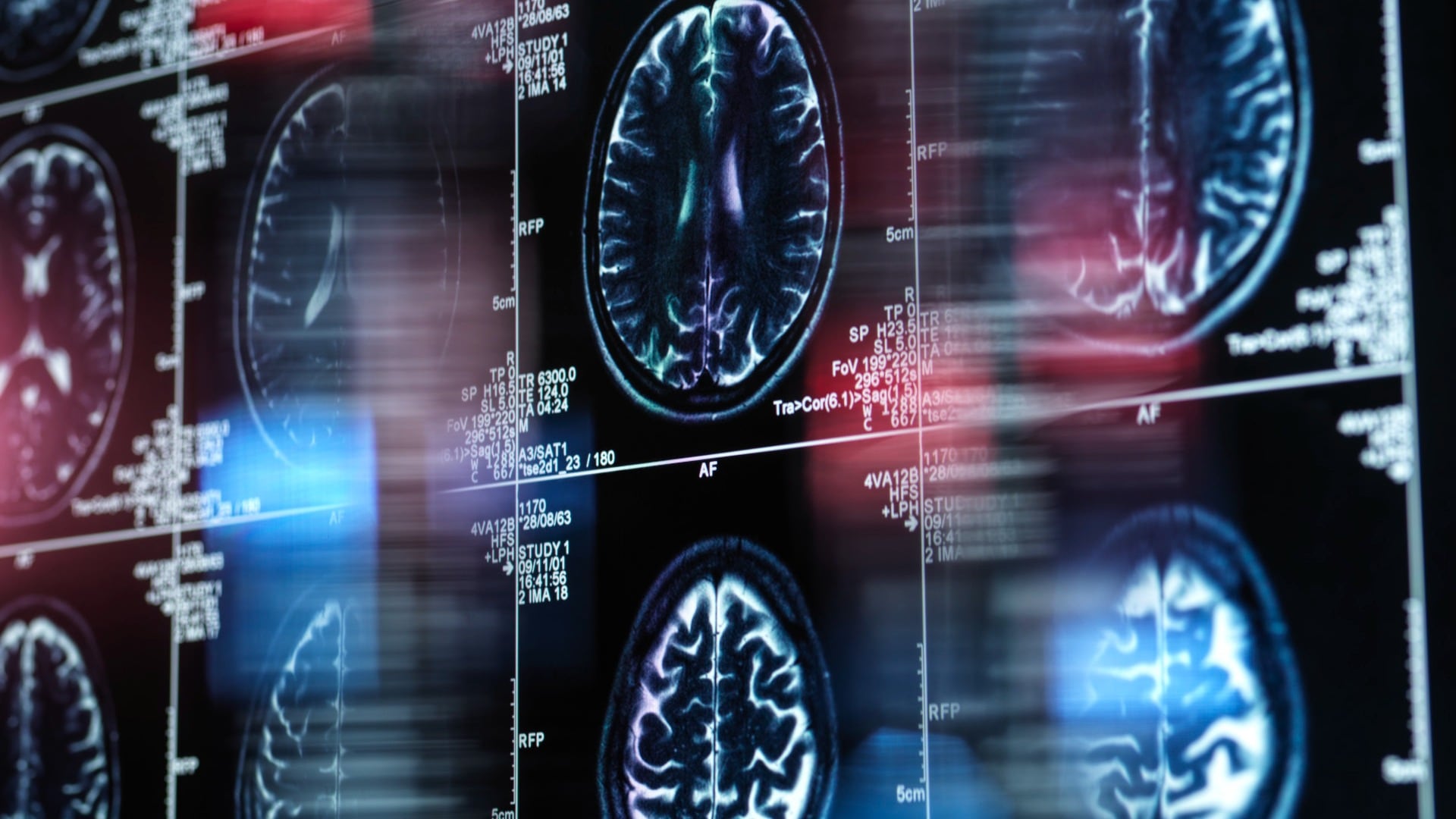
Dr. Joel Salinas, clinical assistant professor of neurology at NYU Langone Health and chief medical officer at Isaac Health, spoke with Cheddar News anchor Shannon LaNier about Alzheimer's disease and struggles to find an effective treatment.