The wildfire that swept across Maui a week ago turned one of the nation’s most celebrated island vistas into an ashen moonscape and killed at least 99 people, a number that officials warn could rise by scores as the search continues.
The deadliest wildfire in the U.S. in more than a century devoured homes and businesses, blackened cars and left only ruins where thriving neighborhoods once stood. In some places, the flames advanced as fast as a car at highway speed — a mile a minute.
The most serious blaze swept into Lahaina on Aug. 8 and destroyed nearly every building in the town of 13,000. When the flames were out and the smoke cleared, all that remained was a grid of gray rubble wedged between the blue ocean and lush green slopes.
Now begins a long recovery as survivors mourn the dead, search teams look for more victims in the charred debris and families try to begin anew.
The cause of the wildfire is under investigation. Fueled by a dry summer and strong winds from a passing hurricane, the flames raced through parched brush covering the island.
The fire was Hawaii’s deadliest natural disaster in decades, surpassing a 1960 tsunami that killed 61 people. A tsunami in 1946 killed more than 150 on the Big Island.
Blame geography for the U.S. getting hit by stronger, costlier, more varied and frequent extreme weather than anywhere on the planet, several experts said. But that's only part of it.
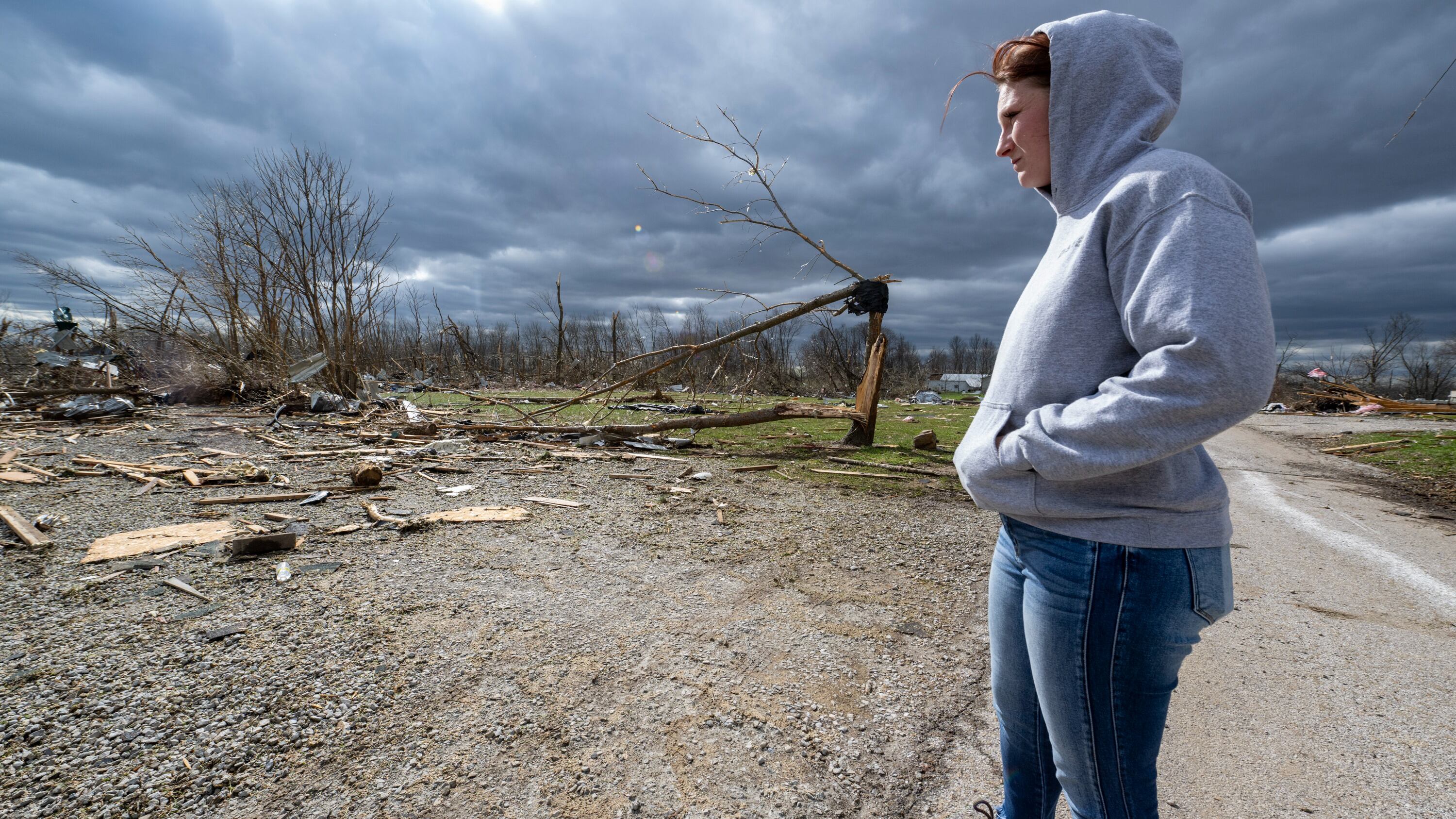
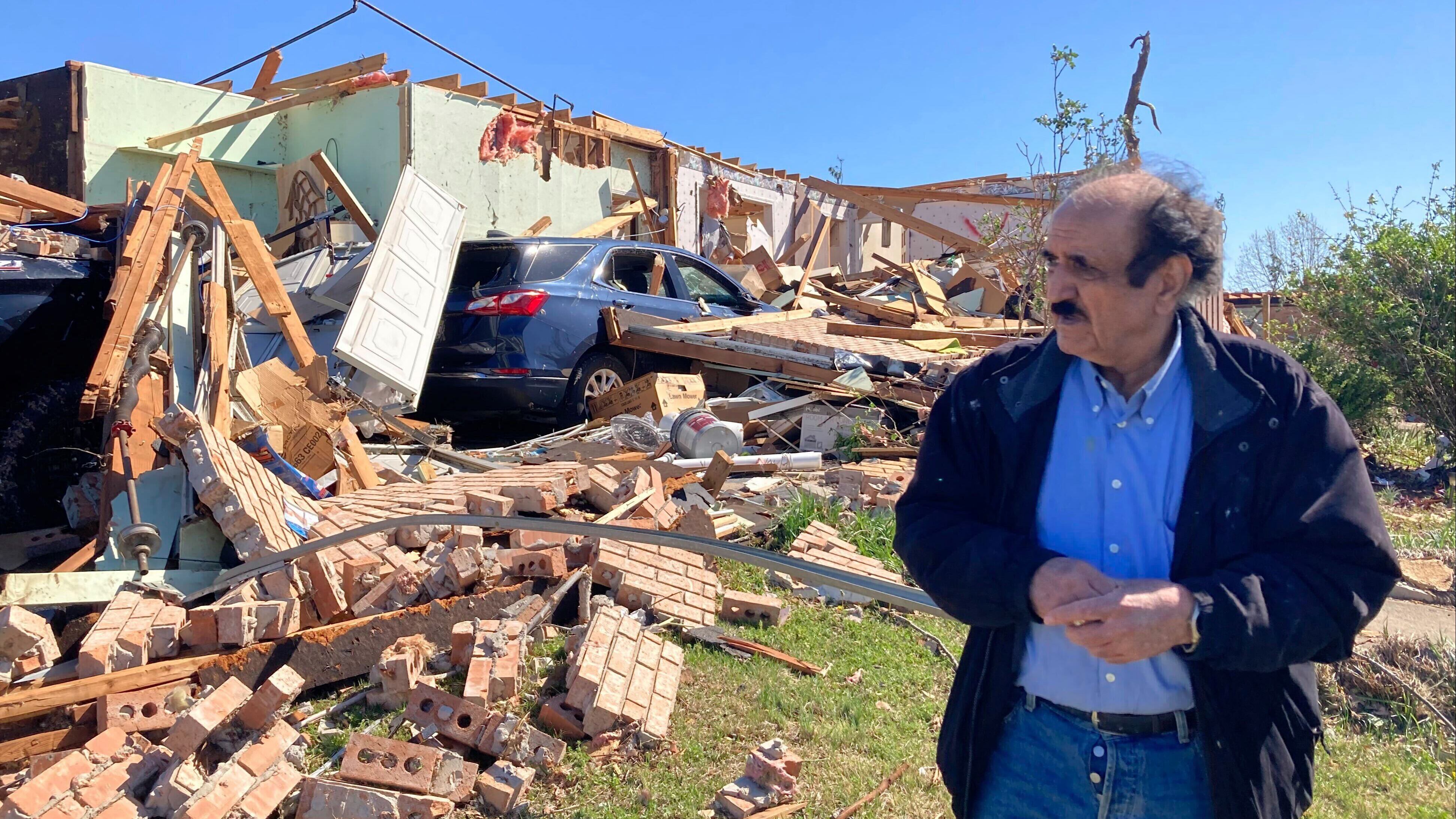
Residents across a wide swath of the U.S. raced Sunday to assess the destruction from fierce storms that spawned possibly dozens of tornadoes from the South and the Midwest into the Northeast.
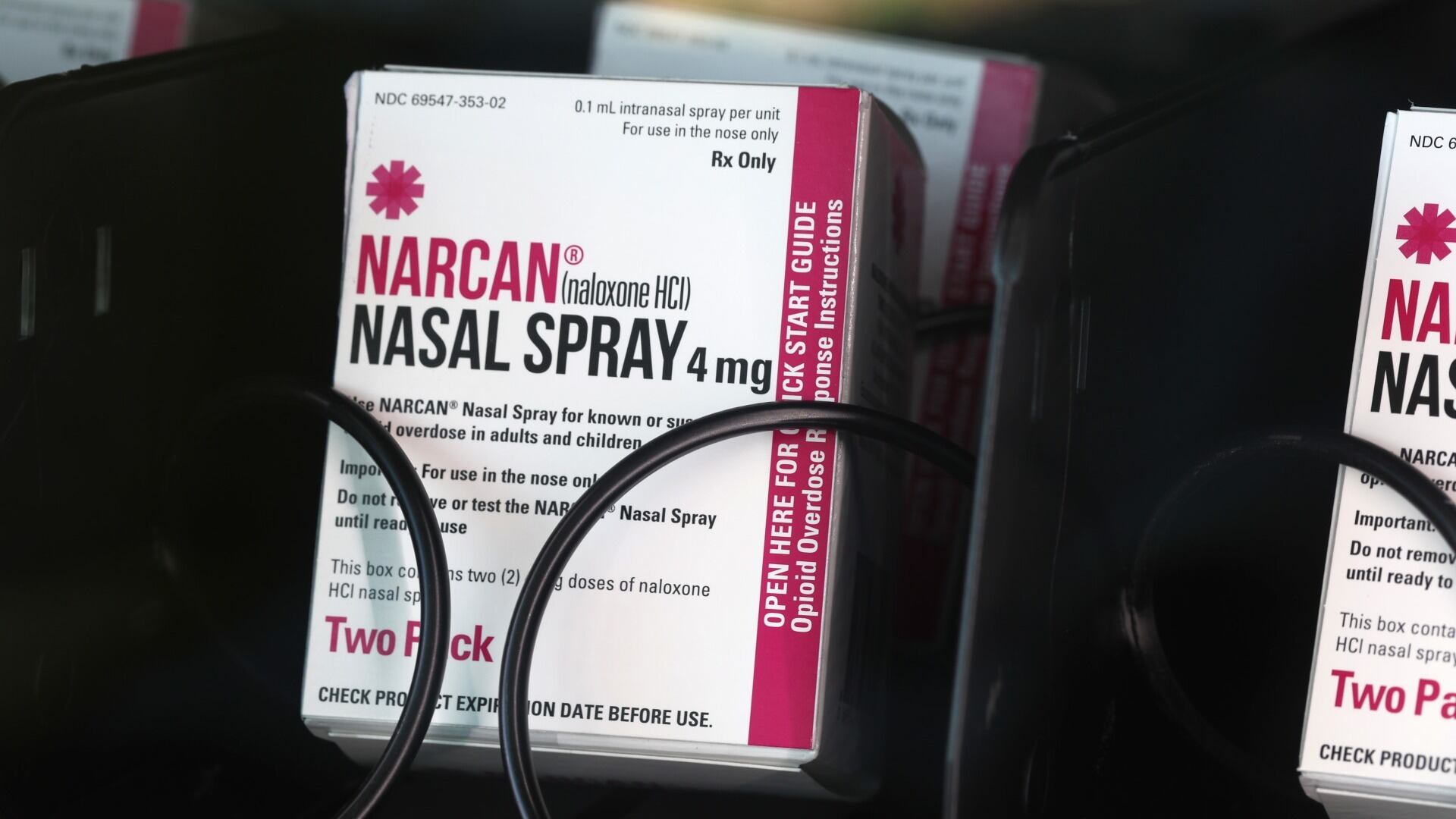
The U.S. Food and Drug Administration has approved selling overdose antidote naloxone over-the-counter, marking the first time a opioid treatment drug will be available without a prescription.
Millions of Americans could lose access to Medicaid on April 1, and Joe Dunn, senior vice president of public policy at the National Association of Community Health Centers, joined Cheddar News' anchor Shannon LaNier to discuss what this means for public health.
One third of Americans don't have access to primary care providers in their communities, according to a study from the National Association of Community Health Centers published last month.
Neuralink, Elon Musk's brain implant venture, is reaching out to major U.S. neurosurgery centers to potentially begin testing its devices on humans, according to a Reuters report.