The wildfire that swept across Maui a week ago turned one of the nation’s most celebrated island vistas into an ashen moonscape and killed at least 99 people, a number that officials warn could rise by scores as the search continues.
The deadliest wildfire in the U.S. in more than a century devoured homes and businesses, blackened cars and left only ruins where thriving neighborhoods once stood. In some places, the flames advanced as fast as a car at highway speed — a mile a minute.
The most serious blaze swept into Lahaina on Aug. 8 and destroyed nearly every building in the town of 13,000. When the flames were out and the smoke cleared, all that remained was a grid of gray rubble wedged between the blue ocean and lush green slopes.
Now begins a long recovery as survivors mourn the dead, search teams look for more victims in the charred debris and families try to begin anew.
The cause of the wildfire is under investigation. Fueled by a dry summer and strong winds from a passing hurricane, the flames raced through parched brush covering the island.
The fire was Hawaii’s deadliest natural disaster in decades, surpassing a 1960 tsunami that killed 61 people. A tsunami in 1946 killed more than 150 on the Big Island.
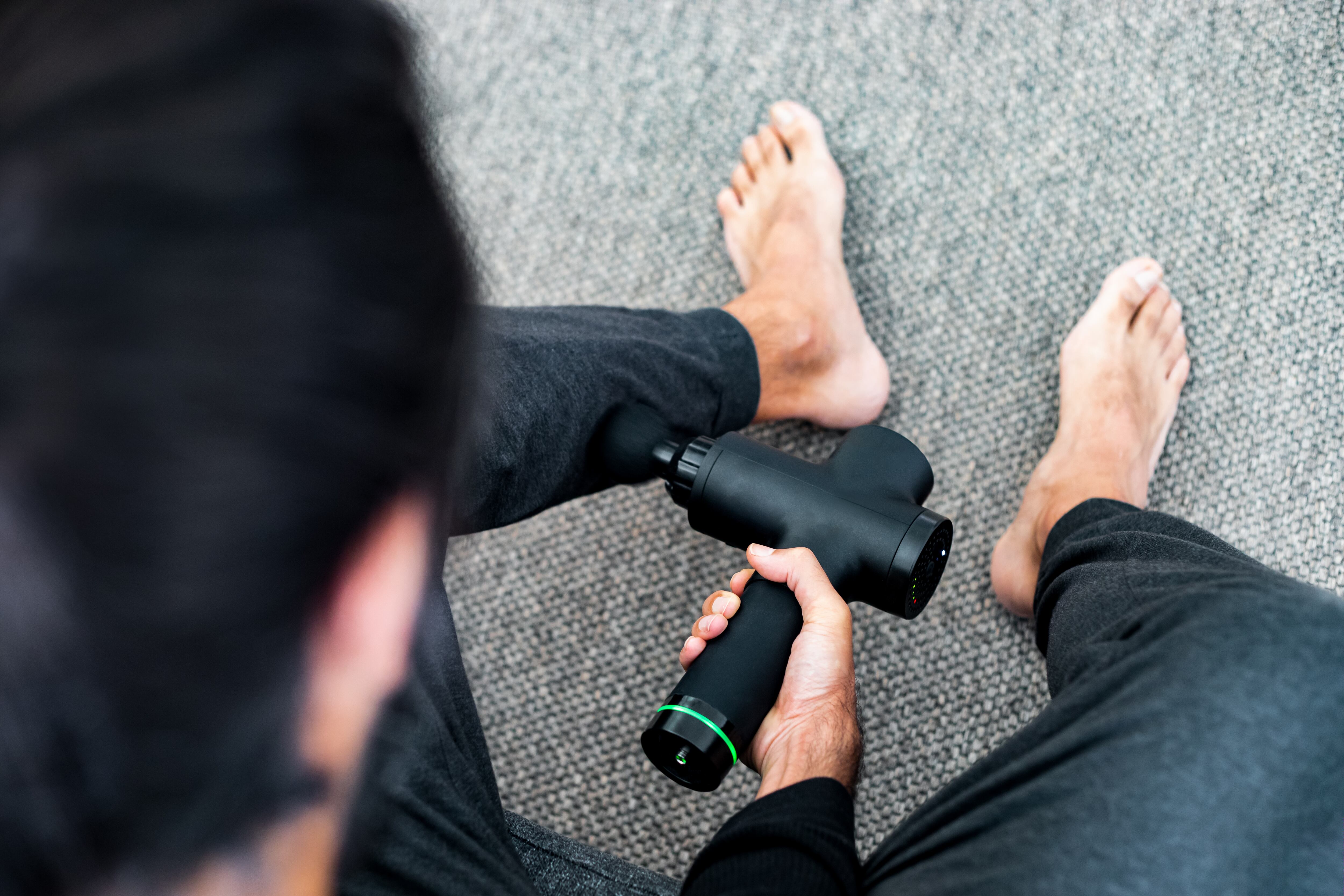
Melissa Whitely, personal trainer for Life Time Fitness, spoke with Cheddar News about the importance of recovery following a tense workout session. "If we're not going through the proper recovery methods, we can have undue pain, discomfort, tightness in our muscles and all those other things we can avoid," she said.
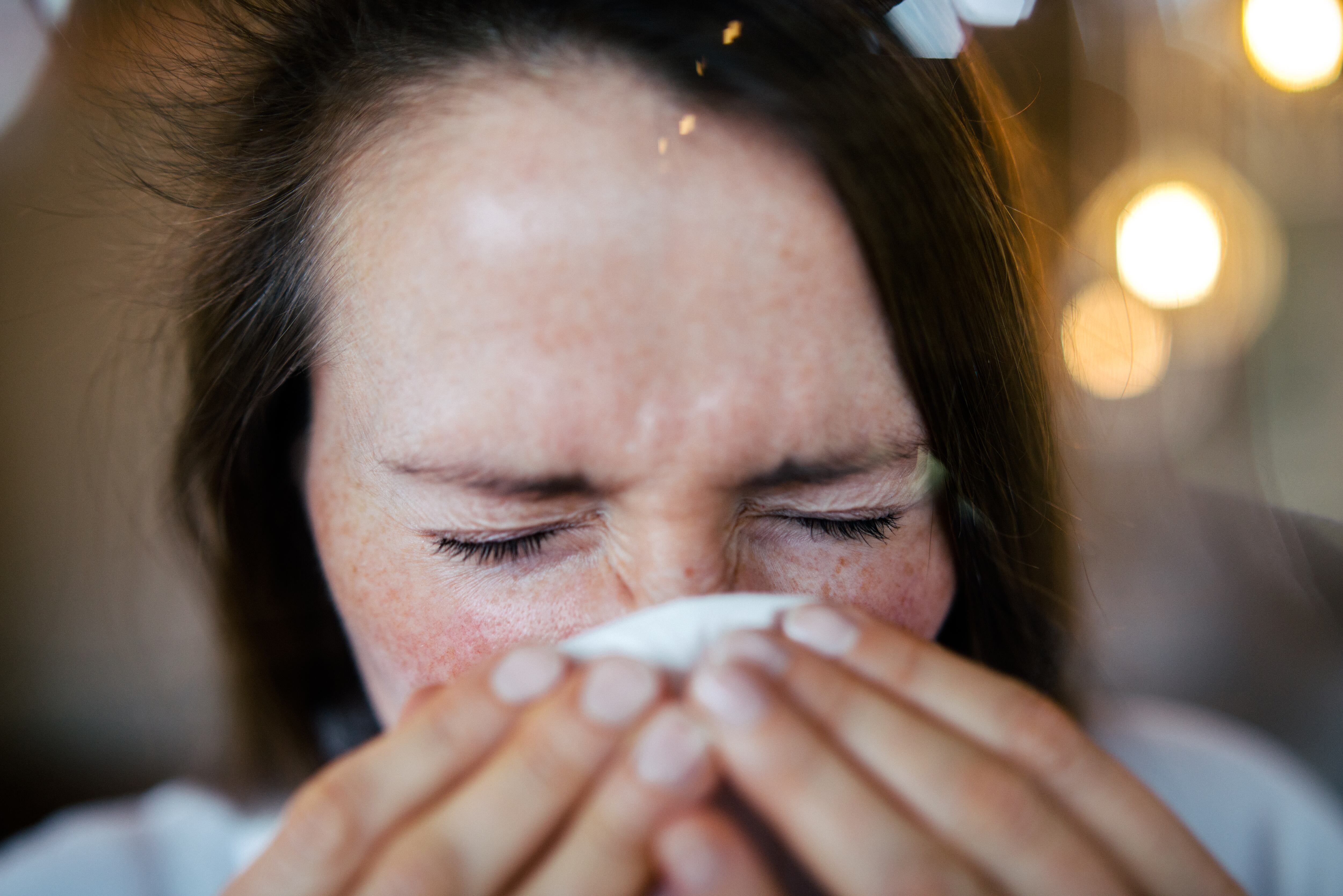
Dr. Payel Gupta, medical director of allergy, asthma, immunology & ENT for LifeMD.com, joined Cheddar News to discuss some tips on how to cope with allergy season. "With the warmer temperatures, we're seeing that the seasons arrive sooner and actually last longer, and also the elevated CO2 levels actually cause the plants to release more pollen," she said.
A new survey from the National Council for Mental Wellbeing shows that four in five behavioral health workers were concerned that labor shortages in their field “negatively impact society as a whole.”
Food and Drug Administration regulators on Tuesday approved a first-of-a-kind drug for a rare form of Lou Gehrig’s disease, though they are requiring further research to confirm it truly helps patients.
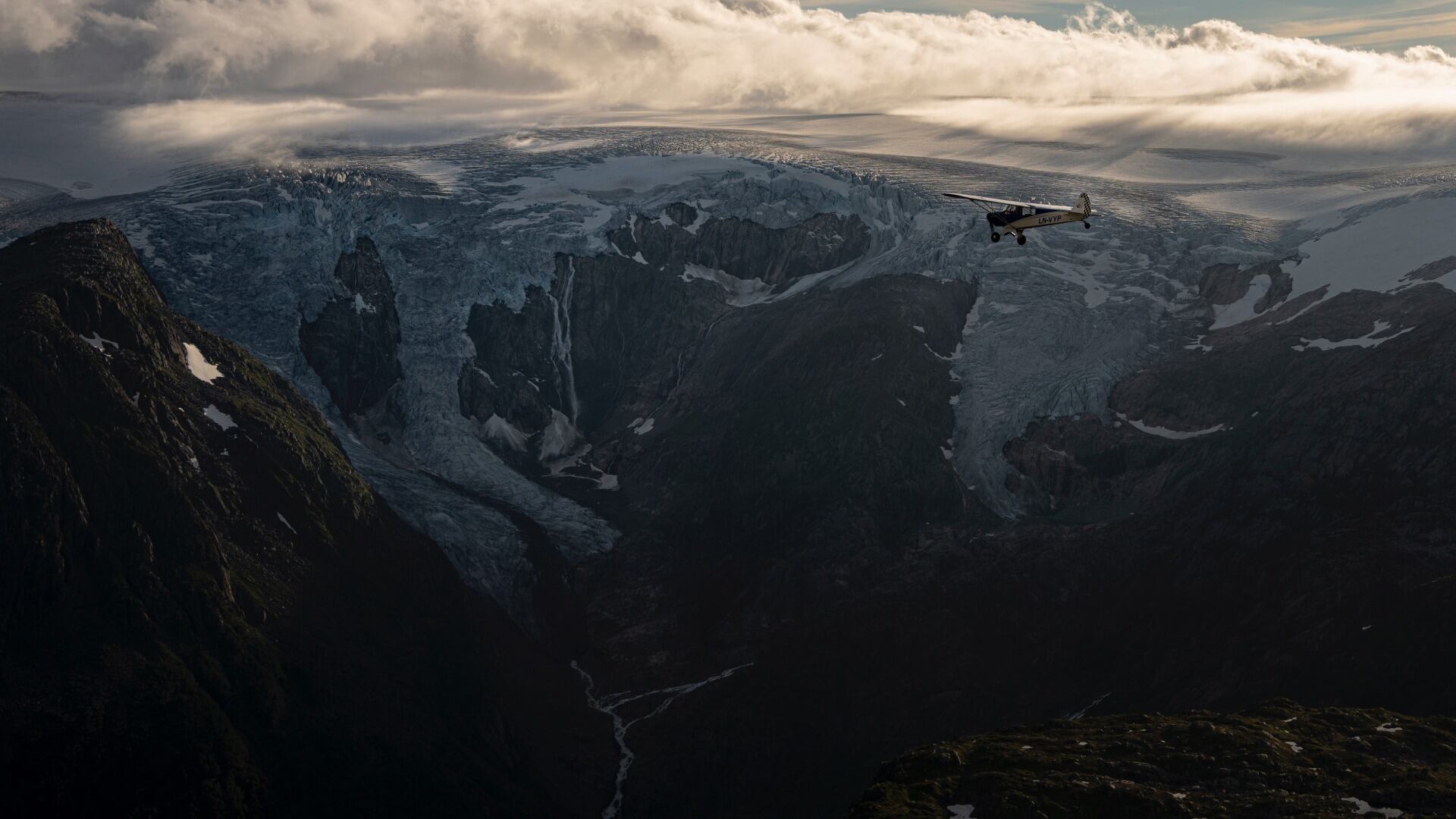
How Accelerated Glacier Melting Is Impacting Rising Sea Levels
A Japanese company's attempt to land a spacecraft on the moon has apparently failed. Flight controllers lost contact Wednesday with the lander after it descended from lunar orbit, aiming for the dusty surface.
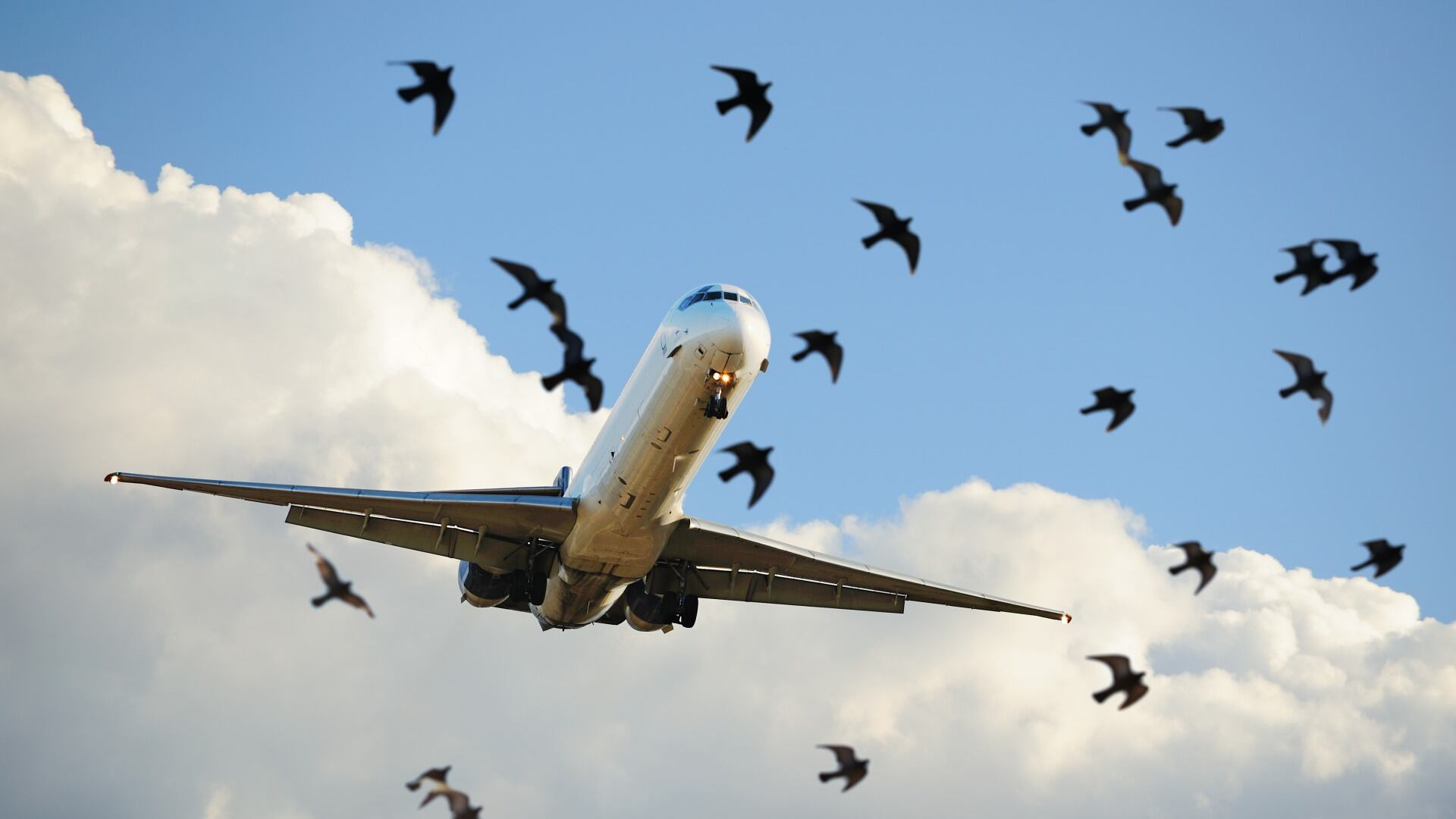
A bird strike sparked an engine fire on a plane shortly after takeoff from an Ohio airport on Sunday.
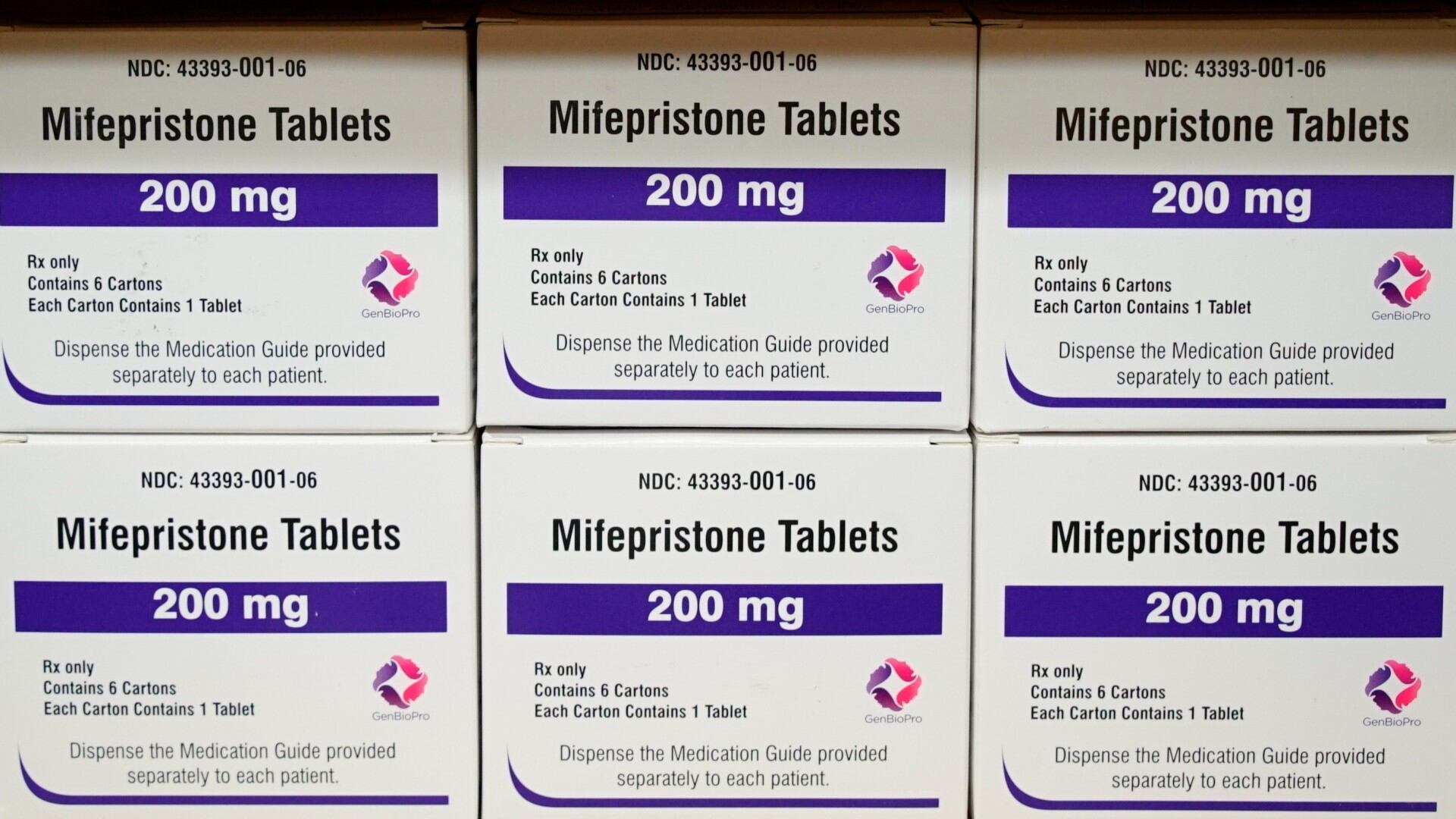
The Supreme Court on Friday preserved women’s access to a drug used in the most common method of abortion, rejecting lower-court restrictions while a lawsuit continues.
Buick's Global Vice President Talks Development of 'Envista,' Gas-Powered Cars
Peter Krull, a partner and director of sustainable investing at Prime Capital Investment Advisors company Earth Equity Advisors, joined Cheddar News to give some tips on green investments.