The wildfire that swept across Maui a week ago turned one of the nation’s most celebrated island vistas into an ashen moonscape and killed at least 99 people, a number that officials warn could rise by scores as the search continues.
The deadliest wildfire in the U.S. in more than a century devoured homes and businesses, blackened cars and left only ruins where thriving neighborhoods once stood. In some places, the flames advanced as fast as a car at highway speed — a mile a minute.
The most serious blaze swept into Lahaina on Aug. 8 and destroyed nearly every building in the town of 13,000. When the flames were out and the smoke cleared, all that remained was a grid of gray rubble wedged between the blue ocean and lush green slopes.
Now begins a long recovery as survivors mourn the dead, search teams look for more victims in the charred debris and families try to begin anew.
The cause of the wildfire is under investigation. Fueled by a dry summer and strong winds from a passing hurricane, the flames raced through parched brush covering the island.
The fire was Hawaii’s deadliest natural disaster in decades, surpassing a 1960 tsunami that killed 61 people. A tsunami in 1946 killed more than 150 on the Big Island.
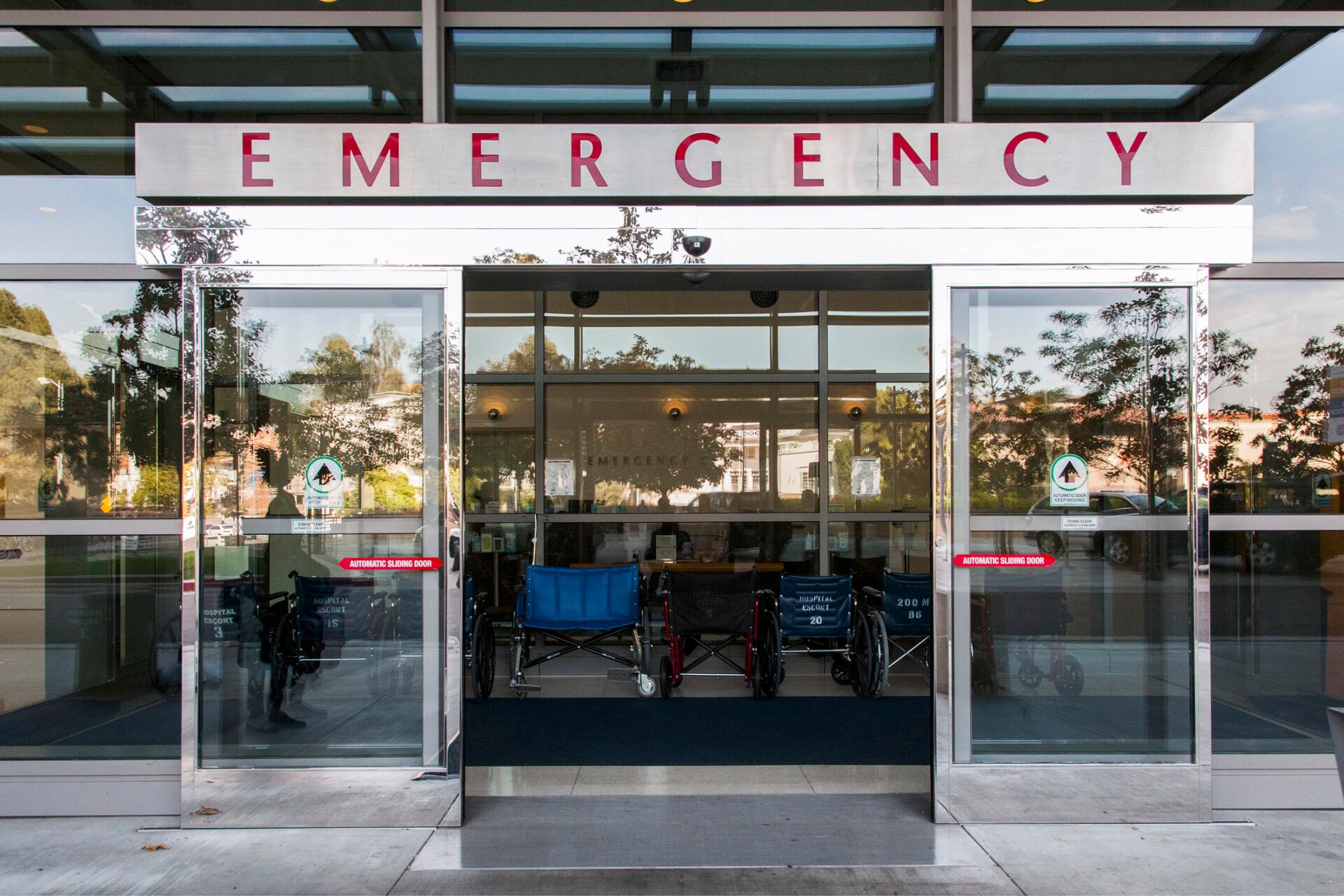
Visits to the emergency room related to mental health among young adults, teenagers, and children spiked between 2011 and 2020, according to the Journal of the American Medical Association. The annual number rose form 4.8 million to 7.5 million over that period.
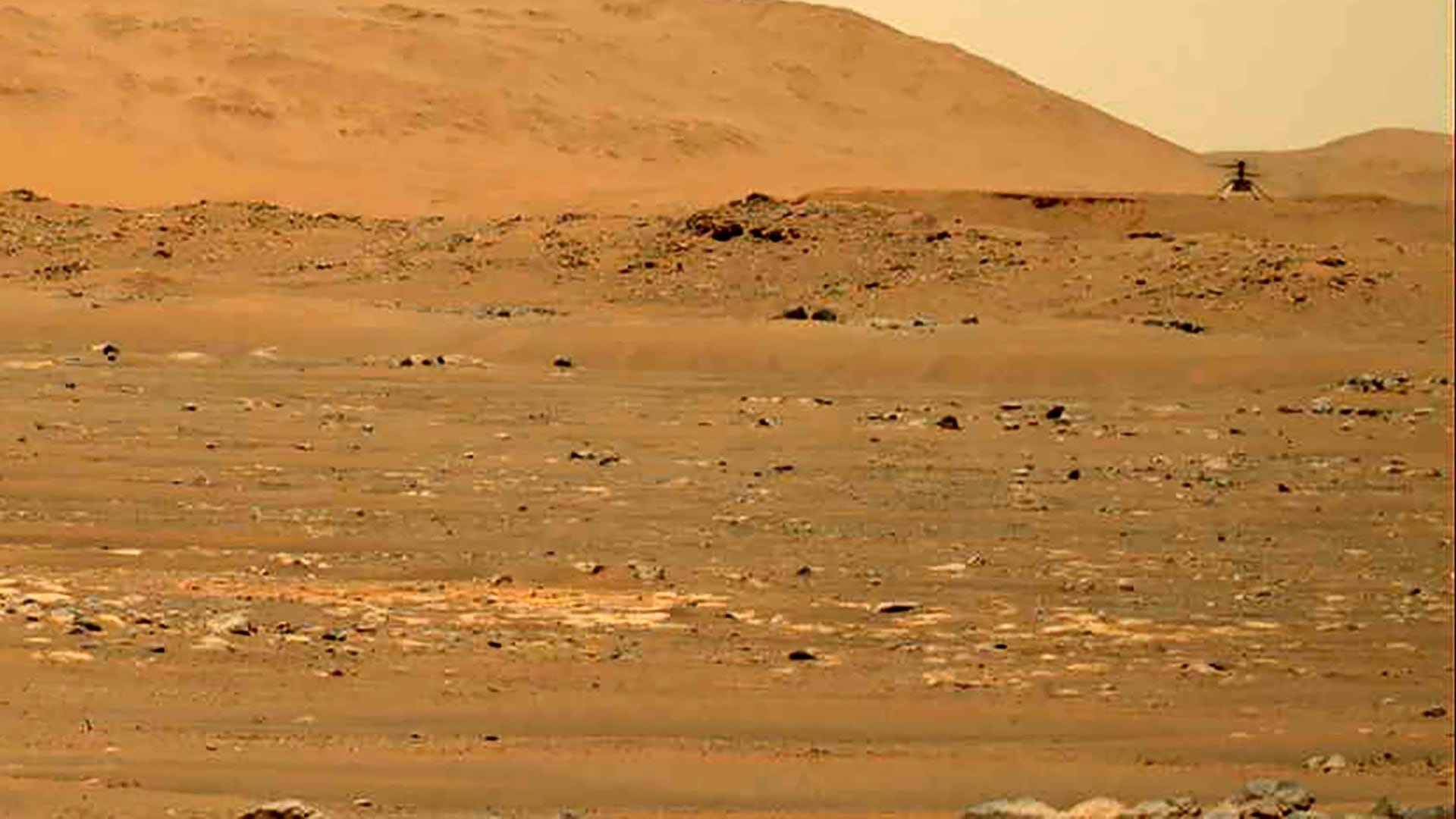
A new study suggests water on Mars may be more widespread and recent than previously thought. Scientists reported the finding from China's Mars rover in Science Advances on Friday.
Thinking about trying a new diet but not sure which way to go? An evidence-based analysis of 10 popular eating patterns shows some promote heart health much better than others.
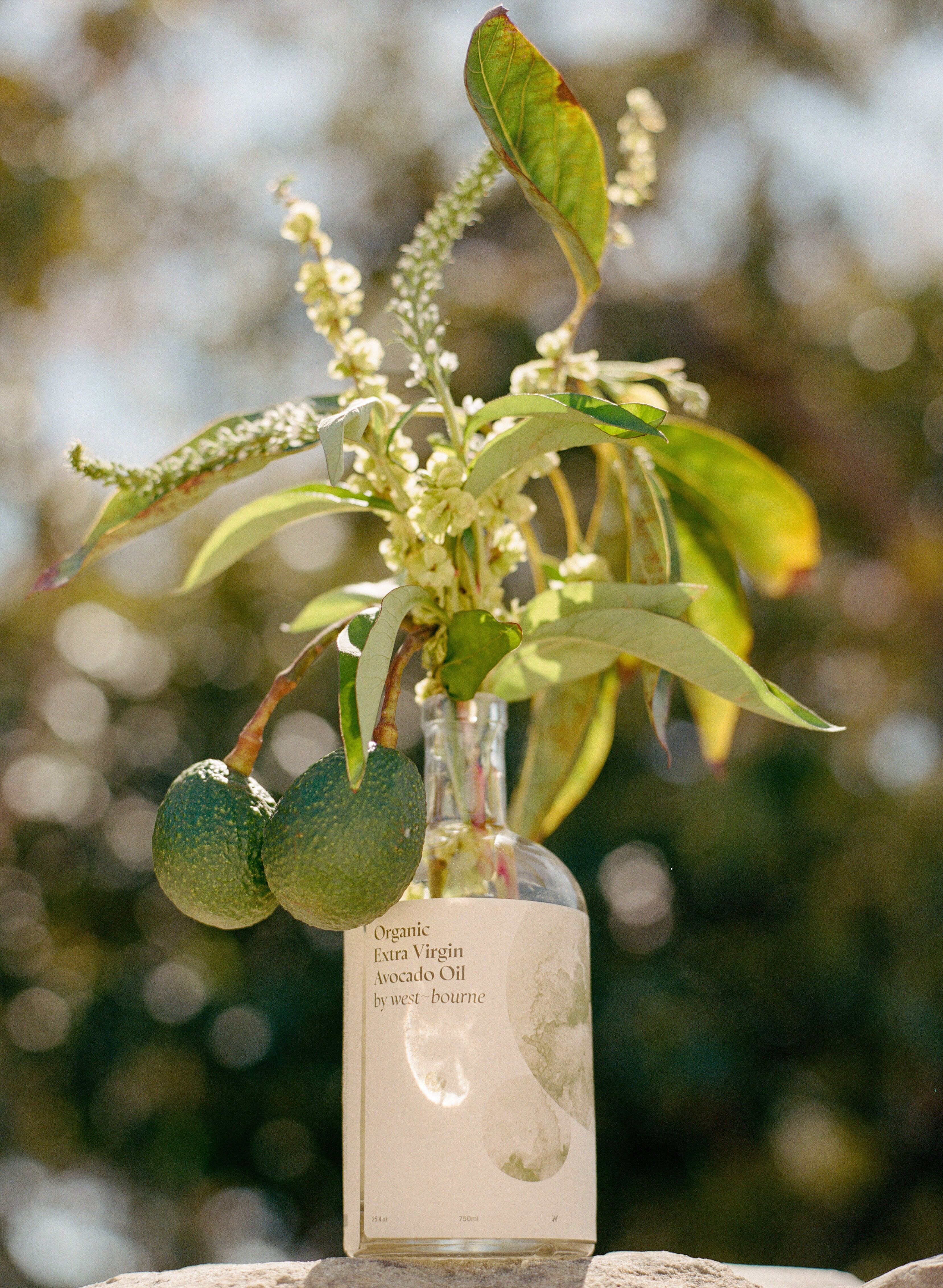
Camilla Marcus, founder of West-Bourne, joined Cheddar News to highlight the issue of wastefulness in the food industry and spoke on the importance of regenerative farming amid a growing climate crisis.