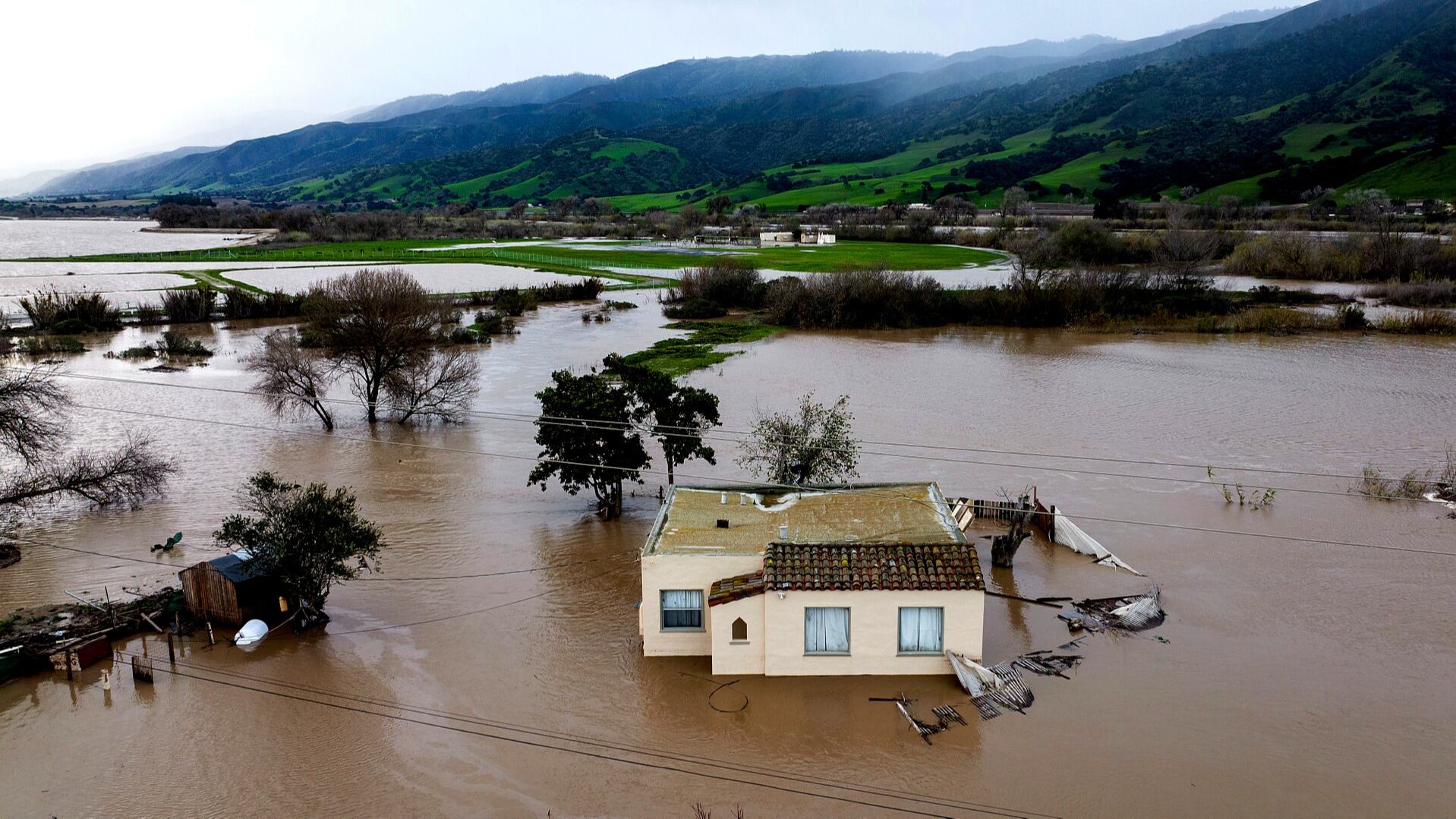
The wildfire that swept across Maui a week ago turned one of the nation’s most celebrated island vistas into an ashen moonscape and killed at least 99 people, a number that officials warn could rise by scores as the search continues.
The deadliest wildfire in the U.S. in more than a century devoured homes and businesses, blackened cars and left only ruins where thriving neighborhoods once stood. In some places, the flames advanced as fast as a car at highway speed — a mile a minute.
The most serious blaze swept into Lahaina on Aug. 8 and destroyed nearly every building in the town of 13,000. When the flames were out and the smoke cleared, all that remained was a grid of gray rubble wedged between the blue ocean and lush green slopes.
Now begins a long recovery as survivors mourn the dead, search teams look for more victims in the charred debris and families try to begin anew.
The cause of the wildfire is under investigation. Fueled by a dry summer and strong winds from a passing hurricane, the flames raced through parched brush covering the island.
The fire was Hawaii’s deadliest natural disaster in decades, surpassing a 1960 tsunami that killed 61 people. A tsunami in 1946 killed more than 150 on the Big Island.
U.S. health regulators on Monday approved a new easy-to-use version of a medication to reverse overdoses caused by fentanyl and other opioids driving the nation’s drug crisis.
Millions of Americans are impacted by mental health issues and a growing number of them are teenagers, causing concerns for parents across the country. Psychiatrist Dr. Liat Jarkon spoke with Cheddar News about how parents can have open and honest conversations with their kids.
A new study shows that climate change is making it harder to fall asleep. The study, published in Cell Press over the weekend, shows that millions of people are already sleeping less because of higher overnight temperatures.
The natural burst of El Nino warming that changes weather worldwide is far costlier with longer-lasting expenses than experts had thought, averaging trillions of dollars in damage, a new study found.