The wildfire that swept across Maui a week ago turned one of the nation’s most celebrated island vistas into an ashen moonscape and killed at least 99 people, a number that officials warn could rise by scores as the search continues.
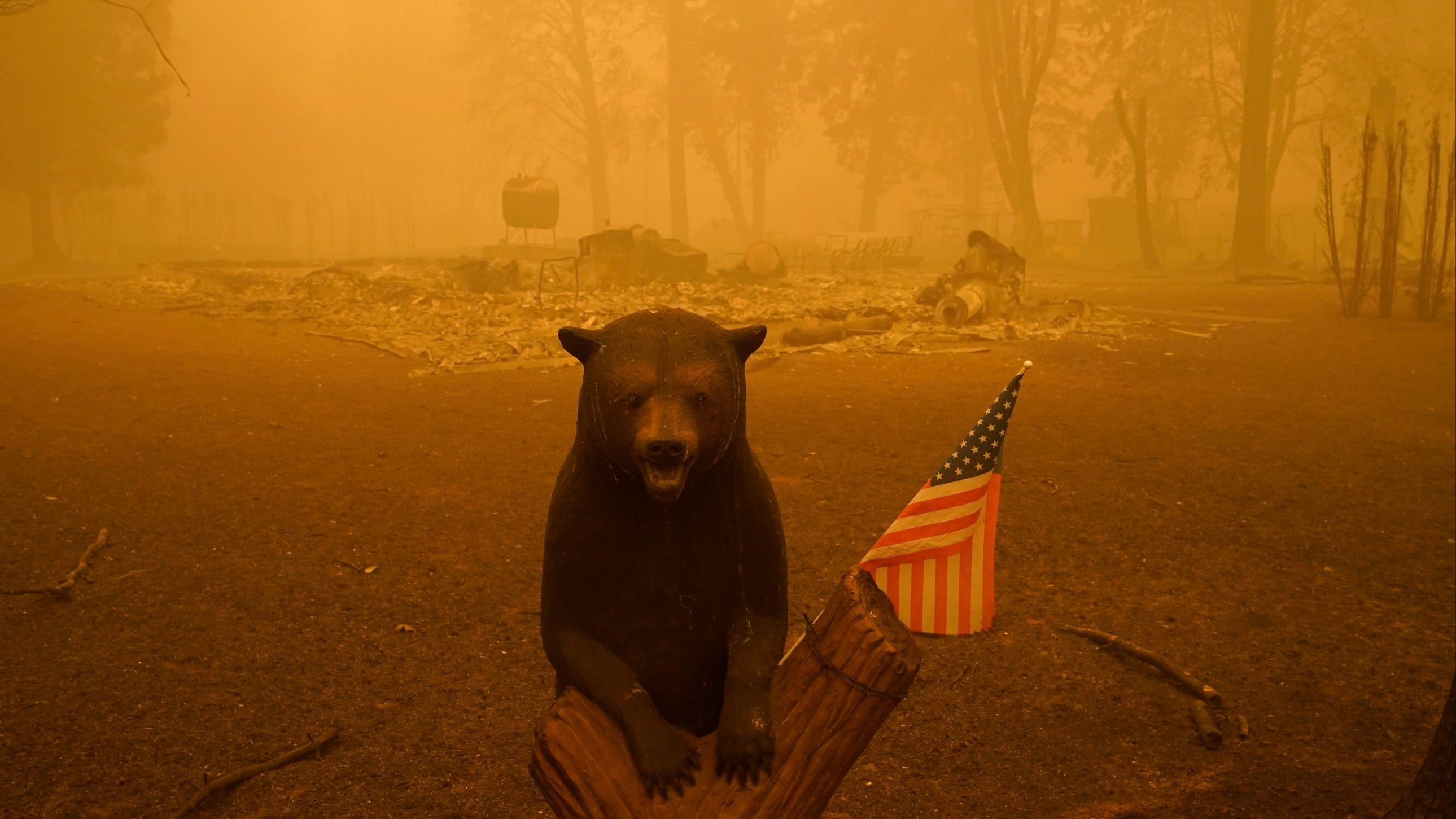
The deadliest wildfire in the U.S. in more than a century devoured homes and businesses, blackened cars and left only ruins where thriving neighborhoods once stood. In some places, the flames advanced as fast as a car at highway speed — a mile a minute.
The most serious blaze swept into Lahaina on Aug. 8 and destroyed nearly every building in the town of 13,000. When the flames were out and the smoke cleared, all that remained was a grid of gray rubble wedged between the blue ocean and lush green slopes.
Now begins a long recovery as survivors mourn the dead, search teams look for more victims in the charred debris and families try to begin anew.
The cause of the wildfire is under investigation. Fueled by a dry summer and strong winds from a passing hurricane, the flames raced through parched brush covering the island.
The fire was Hawaii’s deadliest natural disaster in decades, surpassing a 1960 tsunami that killed 61 people. A tsunami in 1946 killed more than 150 on the Big Island.
OceanGate Expeditions on Thursday said pilot and chief executive Stockton Rush, along with passengers Shahzada Dawood and his son Suleman Dawood, Hamish Harding, and Paul-Henri Nargeolet “have sadly been lost.”
A new study on loneliness is showing it may not only affect mental health, but it may also be bad for the bones. However, the study found it impacts one group in particular: men. Amid concerns about the rising epidemic of loneliness, researchers wanted to take a closer look at its effects.
Be Well: 2-Minute Morning Stretch Routine
Be Well: Celebrity Trainer Bob Harper Talks Heart Health
A new study from Finland found that "night owls," or people who tend to stay up late, don't live as long as those who go to bed early and wake up early as well.
Confidence in the scientific community declined among U.S. adults in 2022, a major survey shows, driven by a partisan divide in views of both science and medicine that emerged during the COVID-19 pandemic.
The American Cancer Society estimates that over 20,000 new cancer cases in Connecticut this year alone. But there's a concerning shortage of chemotherapy drugs in the state and across the country. News 12 reporter Mark Sudol tells us why and what can be done.
A jury in Oregon says the electric utility PacifiCorp must pay punitive damages for causing devastating wildfires in 2020 — on top of an earlier verdict already expected to amount to billions of dollars.
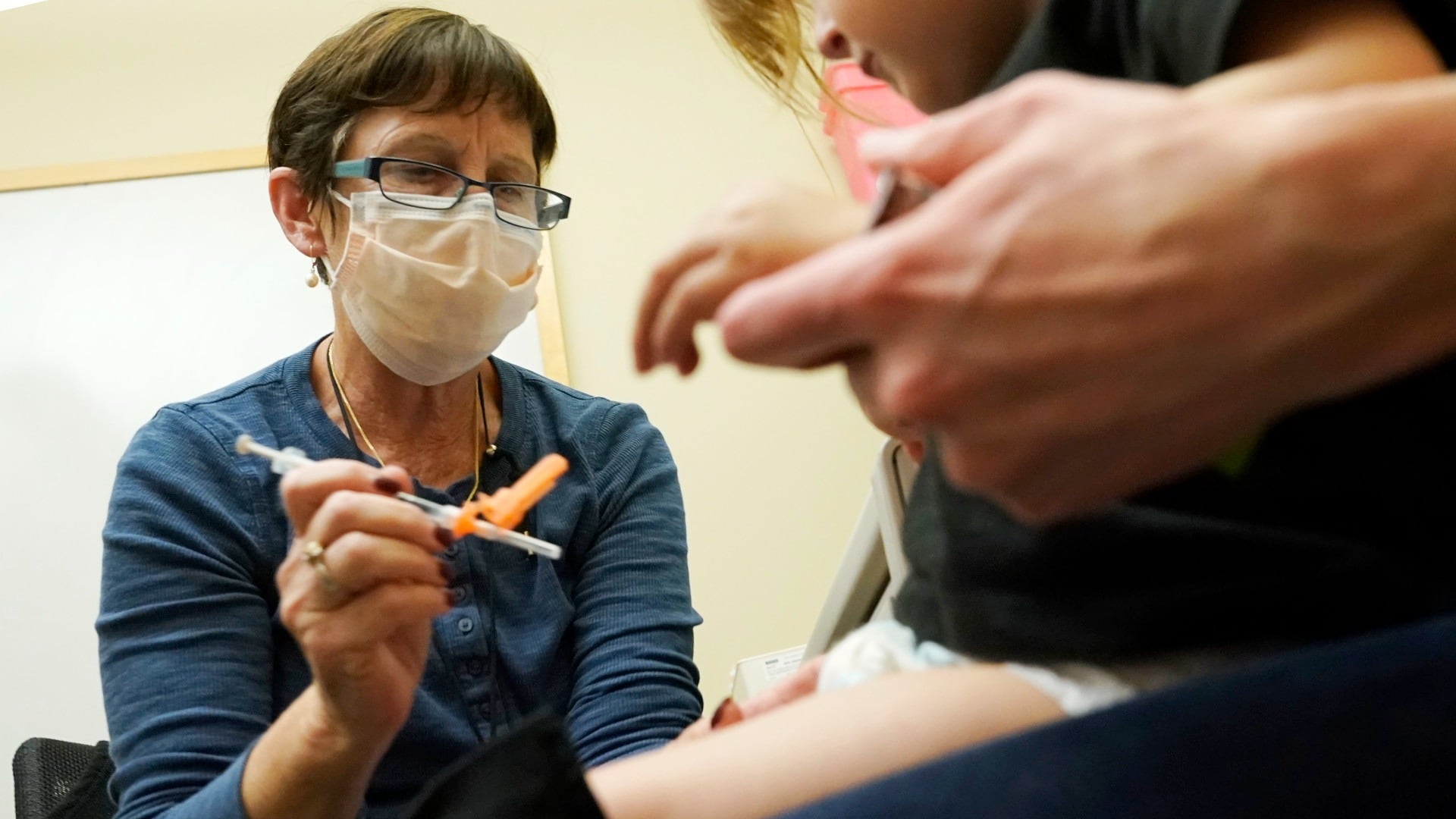
Pfizer is warning that an antibiotic used to treat syphilis and other bacterial infections in young people are likely to run out by the end of this quarter.
Be Well: Alex Rodriguez on the Importance of Dental Hygiene Following Gum Disease Diagnosis