The wildfire that swept across Maui a week ago turned one of the nation’s most celebrated island vistas into an ashen moonscape and killed at least 99 people, a number that officials warn could rise by scores as the search continues.
The deadliest wildfire in the U.S. in more than a century devoured homes and businesses, blackened cars and left only ruins where thriving neighborhoods once stood. In some places, the flames advanced as fast as a car at highway speed — a mile a minute.
The most serious blaze swept into Lahaina on Aug. 8 and destroyed nearly every building in the town of 13,000. When the flames were out and the smoke cleared, all that remained was a grid of gray rubble wedged between the blue ocean and lush green slopes.
Now begins a long recovery as survivors mourn the dead, search teams look for more victims in the charred debris and families try to begin anew.
The cause of the wildfire is under investigation. Fueled by a dry summer and strong winds from a passing hurricane, the flames raced through parched brush covering the island.
The fire was Hawaii’s deadliest natural disaster in decades, surpassing a 1960 tsunami that killed 61 people. A tsunami in 1946 killed more than 150 on the Big Island.
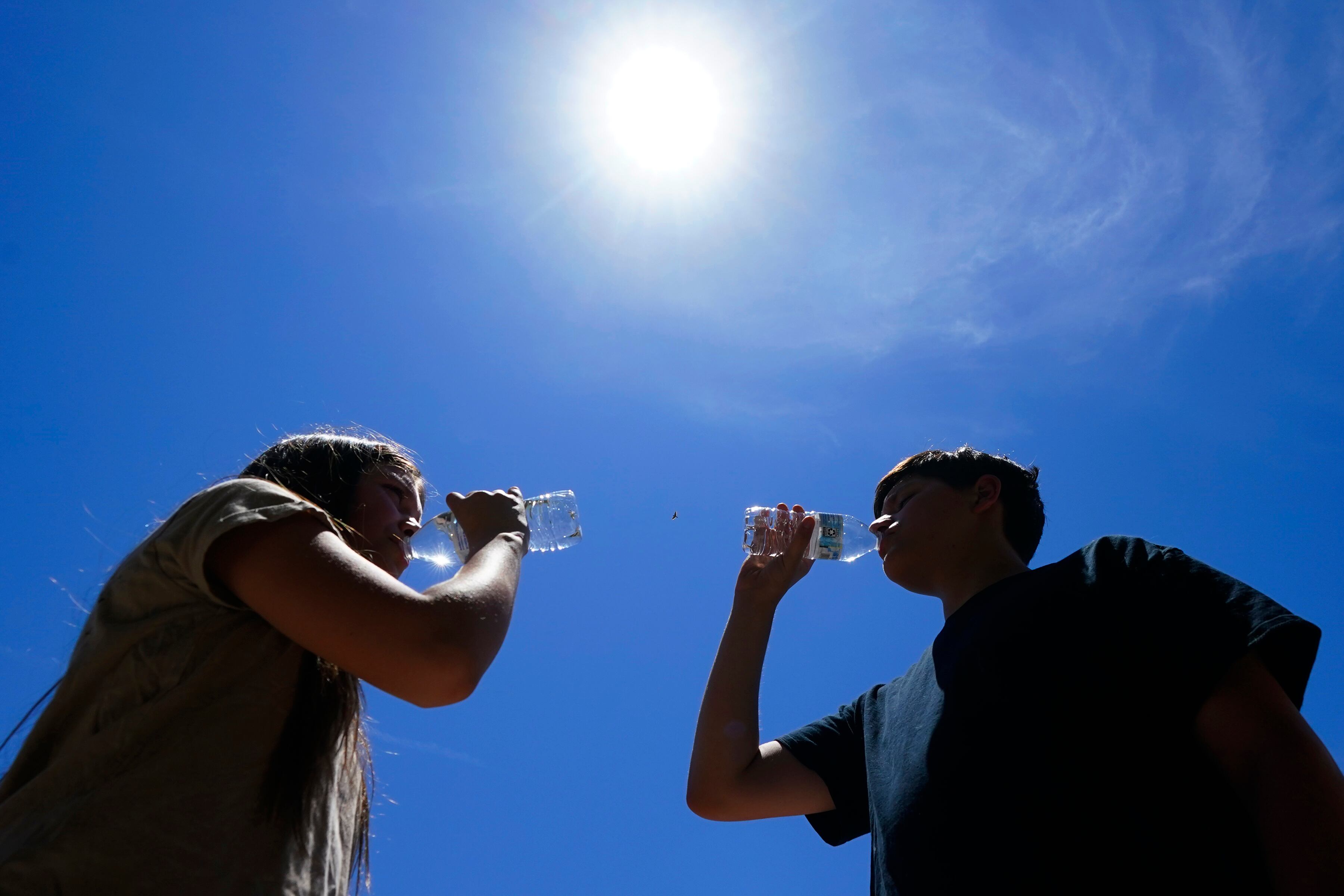
High temperatures continue to affect people in the U.S. and abroad, including in Iran where it reached 152 degrees on Sunday. The southwestern part of the U.S. continues to experience extreme weather after over a week of a heat wave.
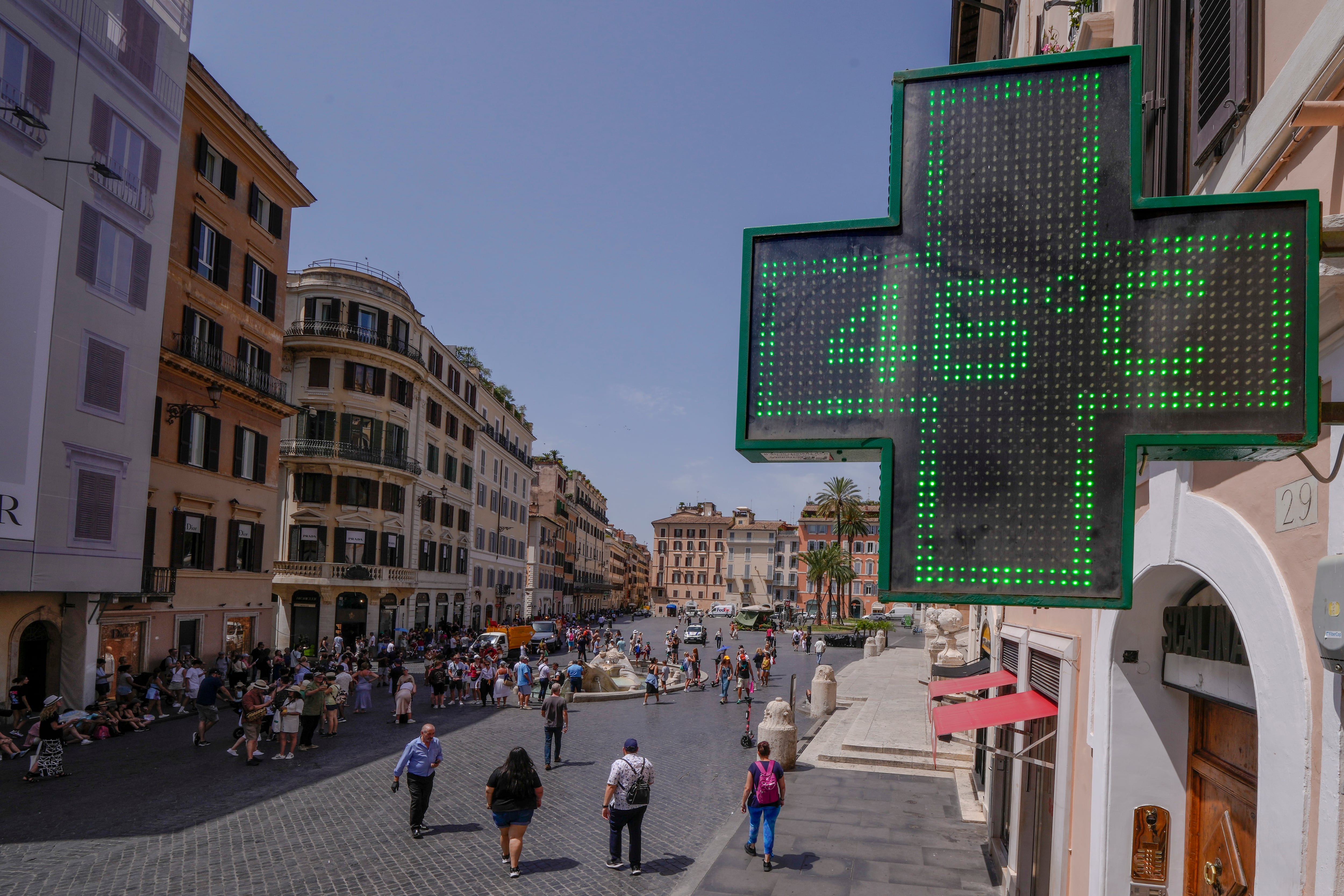
Officials warned residents and tourists packing Mediterranean destinations on Tuesday to stay indoors during the hottest hours as the second heat wave in as many weeks hits the region and Greece, Spain and Switzerland battled wildfires.
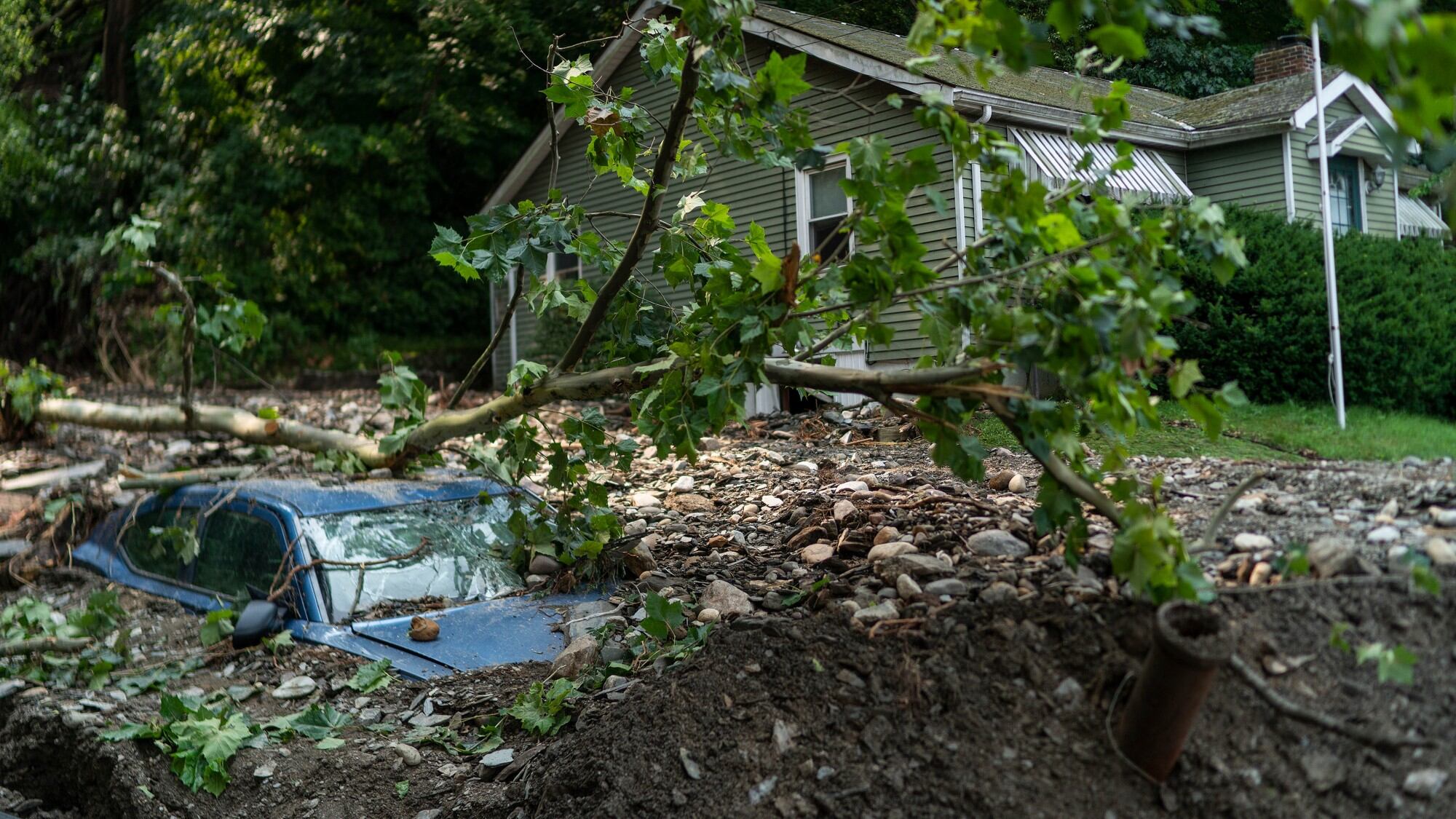
While the East Coast grappled with the aftermath of downpours that closed roads and rendered the water supply undrinkable in places, the West and other parts of the country contended with sizzling temperatures and unsafe air quality attributed to Canadian wildfires.
U.S. officials on Monday approved the first long-acting drug to protect babies and toddlers against a respiratory virus that sends tens of thousands of American children to the hospital each year.