The wildfire that swept across Maui a week ago turned one of the nation’s most celebrated island vistas into an ashen moonscape and killed at least 99 people, a number that officials warn could rise by scores as the search continues.
The deadliest wildfire in the U.S. in more than a century devoured homes and businesses, blackened cars and left only ruins where thriving neighborhoods once stood. In some places, the flames advanced as fast as a car at highway speed — a mile a minute.
The most serious blaze swept into Lahaina on Aug. 8 and destroyed nearly every building in the town of 13,000. When the flames were out and the smoke cleared, all that remained was a grid of gray rubble wedged between the blue ocean and lush green slopes.
Now begins a long recovery as survivors mourn the dead, search teams look for more victims in the charred debris and families try to begin anew.
The cause of the wildfire is under investigation. Fueled by a dry summer and strong winds from a passing hurricane, the flames raced through parched brush covering the island.
The fire was Hawaii’s deadliest natural disaster in decades, surpassing a 1960 tsunami that killed 61 people. A tsunami in 1946 killed more than 150 on the Big Island.
Yelling that the future and their lives depend on ending fossil fuels, tens of thousands of protesters on Sunday kicked off a week where leaders will try once again to curb climate change primarily caused by coal, oil and natural gas.
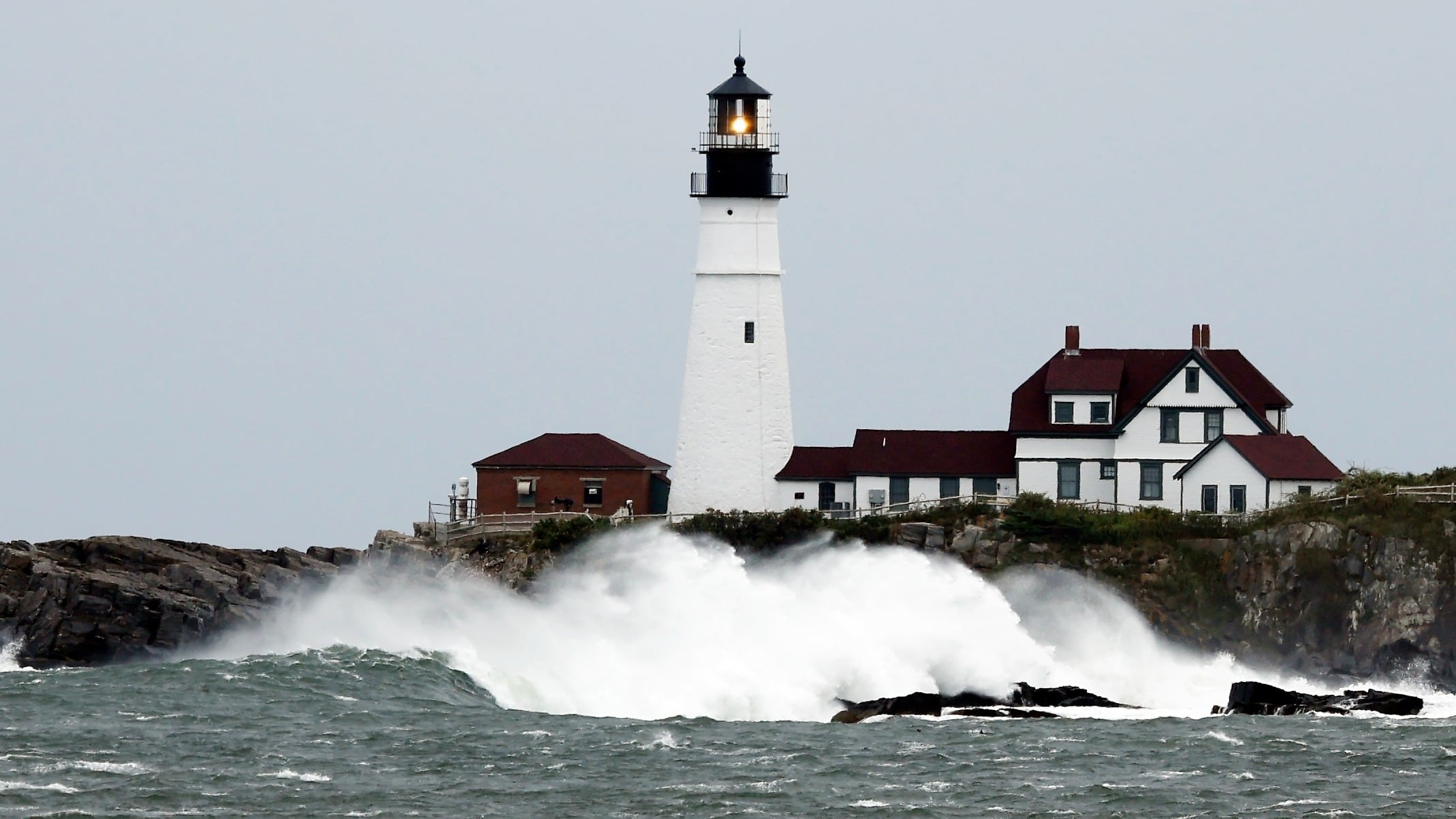
Atlantic storm Lee — which made landfall at near-hurricane strength, bringing destructive winds and torrential rains to New England and Maritime Canada — kept weakening Sunday after officials withdrew warnings and predicted the storm would disappear early this week.
NASA said Thursday that the study of UFOs will require new scientific techniques, including advanced satellites as well as a shift in how unidentified flying objects are perceived.
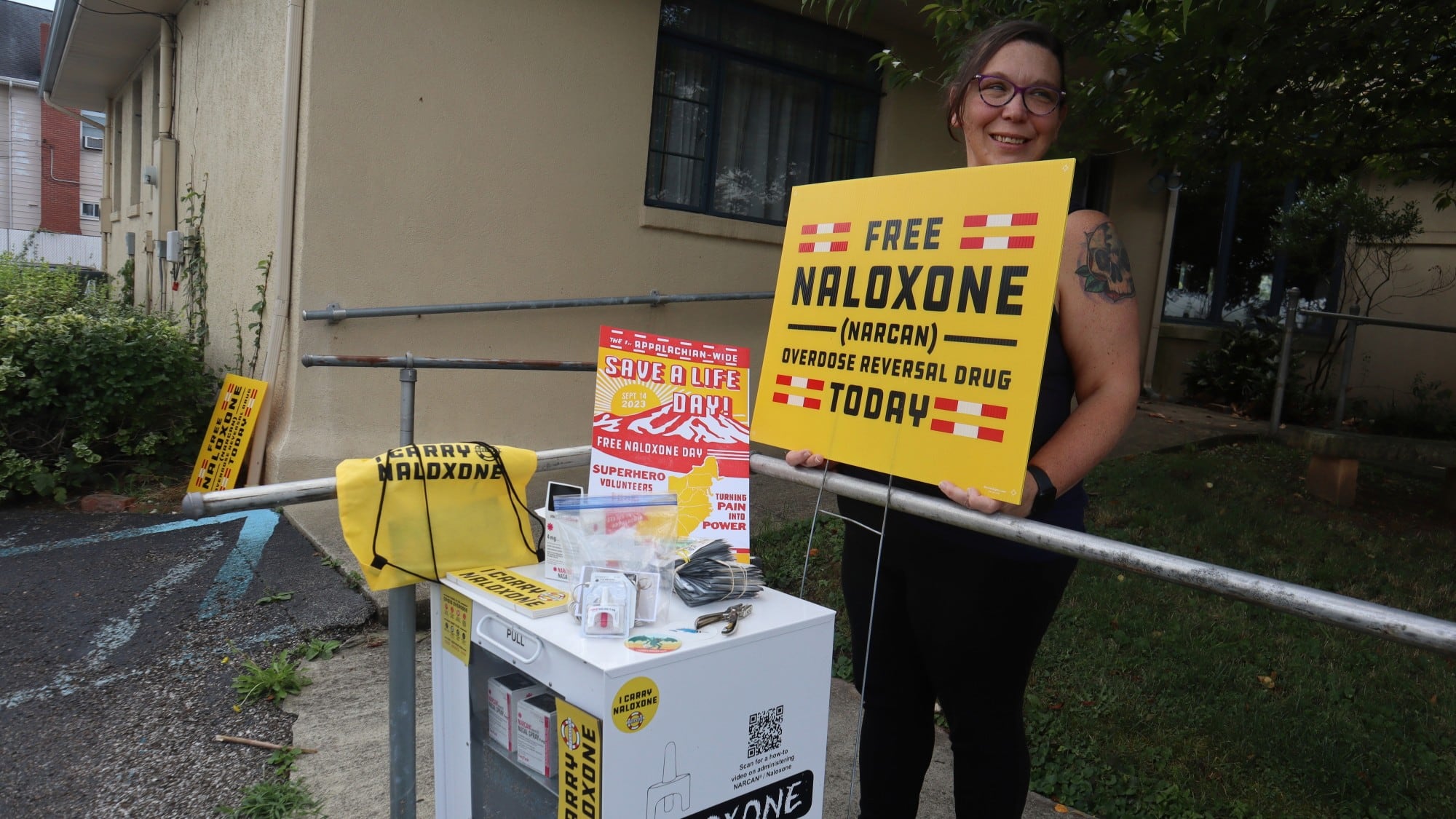
An effort to destigmatize the use of overdose reversal drugs that started as a pilot in two West Virginia counties has expanded to all thirteen states in Appalachia this year.
States and Native American tribes will have greater authority to block energy projects such as natural gas pipelines that could pollute rivers and streams under a final rule issued Thursday by the Biden administration.