By Frank Bajak

IBM security researchers say they have detected a cyberespionage effort using targeted phishing emails to try to collect vital information on the World Health Organization's initiative for distributing COVID-19 vaccine to developing countries.

The researchers said they could not be sure who was behind the campaign, which began in September, or if it was successful. But the precision targeting and careful efforts to leave no tracks bore "the potential hallmarks of nation-state tradecraft,” they said in a blog post on Thursday.

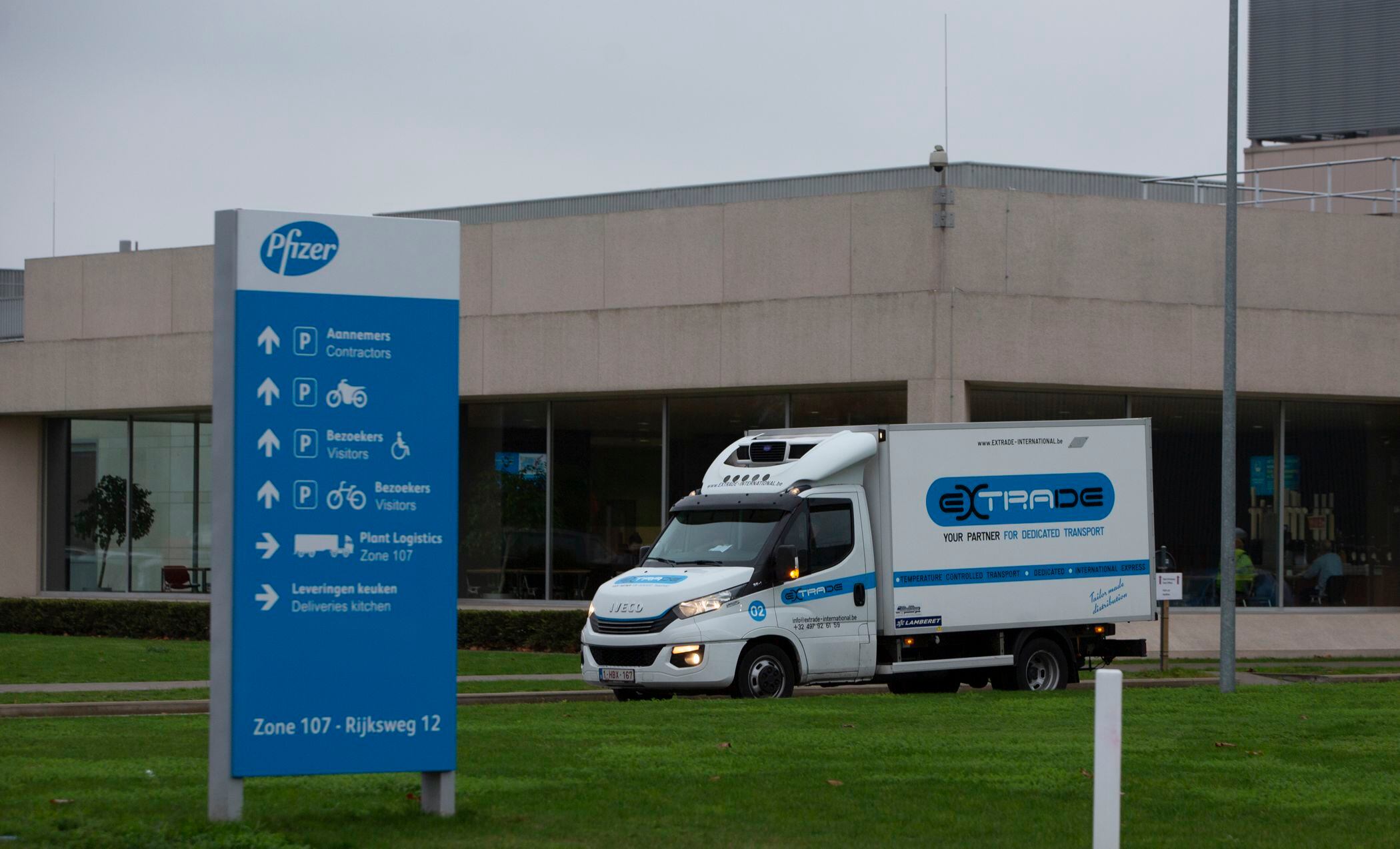
The campaign’s targets, in countries including Germany, Italy, South Korea, and Taiwan, are likely associated with the development of the “cold chain” needed to ensure coronavirus vaccines get the nonstop sterile refrigeration they need to be effective for the nearly 3 billion people who live where temperature-controlled storage is insufficient, IBM said.

“Think of it as the bloodline that will be supplying the most vital vaccines globally," said Claire Zaboeva, an IBM analyst involved in the detection.

The U.S. Cybersecurity and Infrastructure Security Agency later issued an advisory encouraging Operation Warp Speed, the Trump administration’s vaccine program, and other organizations involved in vaccine storage and transport, to review IBM’s findings.

Whoever is behind the operation could be motivated by a desire to learn how the vaccines are best able to be shipped and stored — the entire refrigeration process — in order to copy it, said Nick Rossmann, the IBM team’s global threat intelligence lead. Or they might want to be able to undermine a vaccine’s legitimacy or launch a disruptive or destructive attack, he added.

In the ploy, executives with groups likely associated with the initiative known as Covax — created by the Gavi Vaccine Alliance, the World Health Organization, and other U.N. agencies — were sent spoofed emails appearing to come from an executive of Haier Biomedical, a Chinese company considered the world's main cold-chain supplier, the analyst said.

The phishing emails had malicious attachments that prompted recipients to enter credentials that could have been used to harvest sensitive information about partners vital to the vaccine-delivery platform.

Targets included the European Commission’s Directorate-General for Taxation and Customs Union and companies that make solar panels for powering portable vaccine refrigerators. Other targets were petrochemical companies, likely because they produce dry ice, which is used in the cold chain, Zaboeva said.

The EU agency has been busy revising new import and export regimes for coronavirus vaccines and would be a gold mine for hackers seeking stepping stones into partnering organizations, she said.

Covax has struggled to raise enough money to compete for vaccine contracts against the world’s wealthiest nations in the race to secure doses as fast as they can be produced. But the UN and Gavi have invested millions in cold-chain equipment across Africa and Asia. The investment, in the works well before the pandemic, was accelerated to prepare for an eventual global rollout of coronavirus vaccines.

Whoever was behind the phishing operation likely sought “advanced insight into the purchase and movement of a vaccine that can impact life and the global economy,” the blog post said. Coronavirus vaccines will be one of the world’s most sought-after products as they are distributed, so theft may also be a danger.

Last month, Microsoft said it had detected mostly unsuccessful attempts by state-backed Russian and North Korean hackers to steal data from leading pharmaceutical companies and vaccine researchers. It gave no information on how many succeeded or how serious those breaches were. Chinese state-backed hackers have also targeted vaccine makers, the U.S. government said in announcing criminal charges in July.

Microsoft said most of the targets — located in Canada, France, India, South Korea, and the United States — were researching vaccines and COVID-19 treatments. It did not name the targets.

On Wednesday, Britain became the first to country to authorize a rigorously tested COVID-19 vaccine, the one developed by American drugmaker Pfizer and Germany's BioNTech.

Other countries aren’t far behind: Regulators not only in the U.S. but in the European Union and Canada also are vetting the Pfizer vaccine along with a shot made by Moderna Inc. British and Canadian regulators are also considering a vaccine made by AstraZeneca and Oxford University.

The logistical challenges of distributing vaccines globally are huge. The Pfizer-BioNTech one must be stored and shipped at ultra-cold temperatures of around minus 70 degrees Celsius (minus 94 degrees Fahrenheit).

___

Associated Press writer Lori Hinnant in Paris contributed to this report.

Share:
More In Culture
Pressure to Settle $1 Billion Claim From Nassar Survivors Against FBI
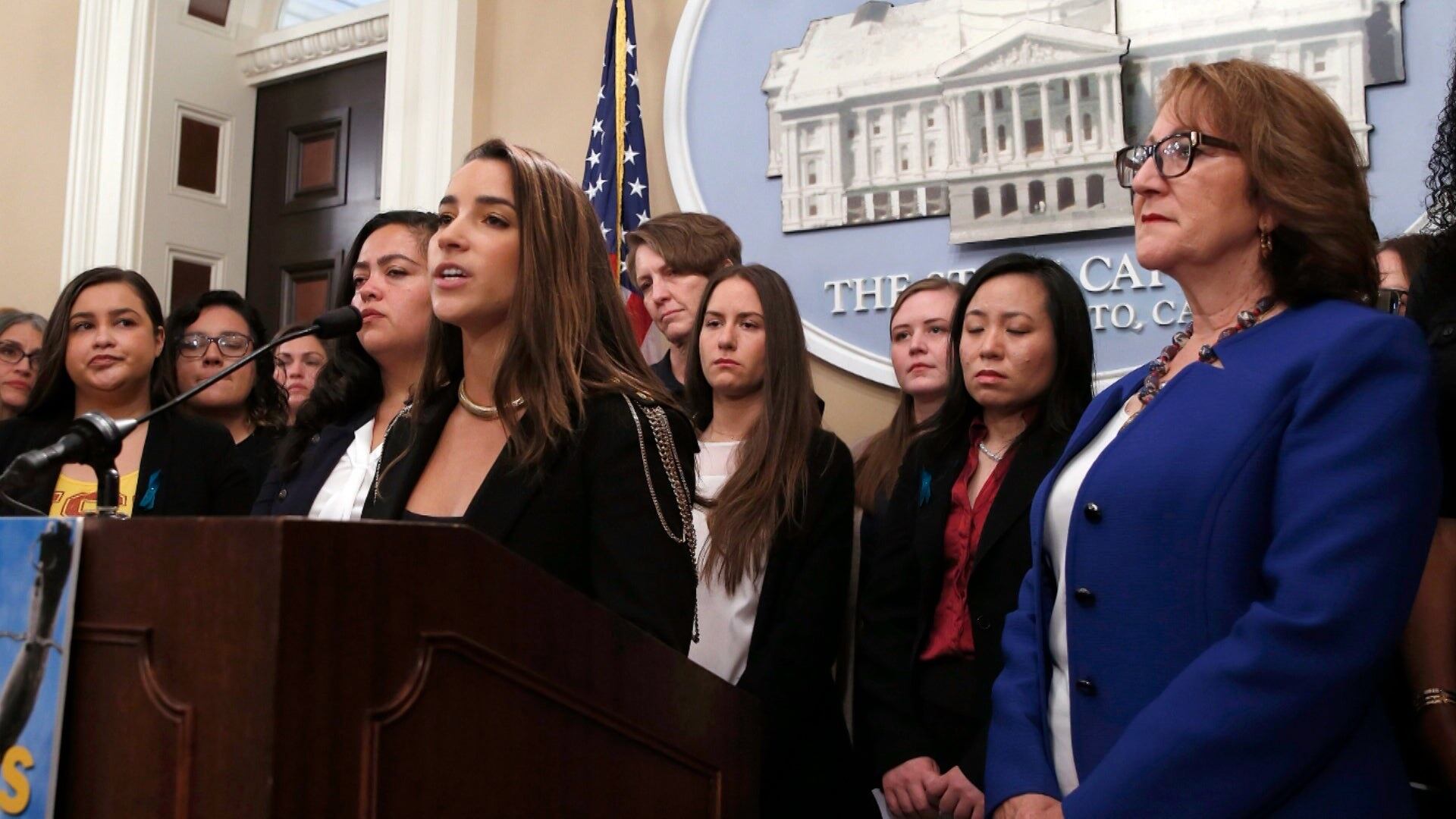
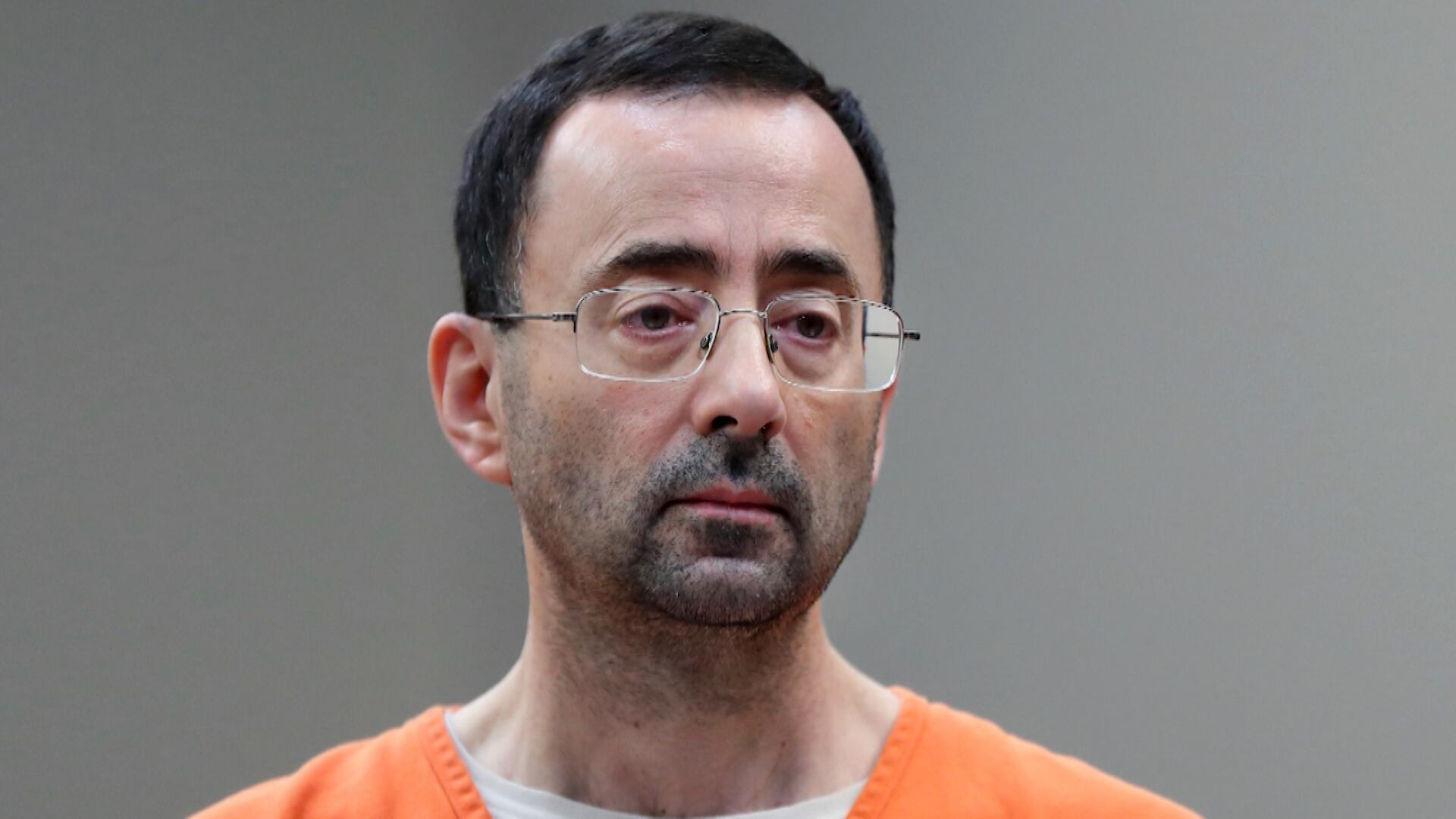
Survivors of Larry Nassar, including Olympian Simone Biles, are seeking $1 billion in damages from the FBI due to its failure to investigate the former gymnastics team doctor convicted of committing years of serial sexual abuse of minors. Jack Queen, a senior reporter at Law360, joined Cheddar News to break down the legal grounds of this case. "This is one of the biggest black eyes that the Bureau has faced in generations, quite frankly, and the FBI has taken full responsibility and admitted that it completely botched this investigation," he said. "So, there's a lot of pressure to settle."
Elevate Prize Foundation Wants to Create 'Fanbase for Good' With $10K Awards
The Elevate Prize Foundation is donating $10,000 to different grassroots organizations based on a theme every month to help scale their work, focusing on a different theme each time. Upcoming prizes will help uplift an organization supporting the LGBTQ community and one mobilizing to help end gun violence. The foundation's CEO Carolina Garcia Jayaram joined Cheddar to discuss the initiative and why it's important to uplift these grassroots organizations. "We are identifying social entrepreneurs around the world to help them scale their work. but the ultimate purpose of that is to create the first-ever fanbase for good," she said. "We're trying to make good famous and by inspiring people to think about the role they can play in doing good in the world."
Stephanie Shojaee on Paving the Way for Women in Real Estate
With real estate being a largely male-dominated industry, Stephanie Shojaee, vice president and chief marketing officer at development company Shoma Group, joined Cheddar News to discuss how she took on the gender gap for women to achieve leadership roles, starting at her own company. “It's been very important to teach all the women that work here, especially the younger ones, that they shouldn't change themselves," she said. "You need to be happy with who you are and just keep breaking barriers."
Hot summer could lead to rolling blackouts
We are already starting to feel the effects of summer. Heat waves in Texas and California are already sending temperatures soaring. That could spell trouble for the nation's power supply. there are new concerns about outages in many areas of the country. Cheddar's Shannon Lanier explains the two main causes of blackouts, and what states are doing to keep the lights on and the air conditioning running.
U.S. traffic deaths hit 16 year high
If you have been on the road this past year, you've probably seen more accidents on the road than you ever have. You're not wrong. Traffic fatalities are not only increasing they are hitting historic highs. Almost 43,000 people died in motor vehicle accidents in 2021. Cheddar's Shannon Lanier investigates - and finds out why.
U.S. Stocks Closed at Session Highs Tuesday
U.S. stocks close Tuesday at session highs after a subpar start to the trading day. Tim Chubb, Chief Investment Officer at the wealth advisory firm, Girard, joins Cheddar News' Closing Bell to discuss. 'We're starting to see the moderation of three core things -- we've seen the moderation of prices, we've seen the moderation of wage growth we've seen in the labor market, and we've also seen a moderation of job openings,' he says.
Gymnasts Seek $1 Billion From FBI Over Larry Nassar Case
The victims from the USA gymnastics sexual abuse scandal continue to seek justice. Survivors of Larry Nassar are seeking more than one-billion dollars from the FBI for failing to stop the convicted sports doctor when the agency first received allegations. According to a report released by the Justice Department's Inspector General, FBI agents knew in July of 2015 that Nassar was accused of abusing gymnasts; however, Nassar wasn't arrested until December of 2016. The group that filed the claim includes Olympic medalist Simone Biles and around 90 other women. Louise Radnofsky, sports reporter at The Wall Street Journal, joins Cheddar News' Closing Bell to discuss.
Kat Tat on Becoming 'Elite' Black Woman Tattoo Artist in Unwelcoming Industry
Tattoo artist Katrina "Kat Tat" Jackson, famous for starring in the VH1 hit series "Black Ink Crew: Chicago," is also the first Black woman to own a tattoo shop in Beverly Hills. She joined Cheddar News to discuss her trailblazing work, the stigma BIPOC tattoo artists face in the industry, and the way the space has changed for artists of color since her start. "In the beginning, I remember walking into a tattoo shop just like, hey, I wanna learn, I wanna be a tattoo artist and kind of just being laughed at, not taken seriously," she said. "Even with the tattoo conventions, a lot of African American tattoo artists were almost scared to go to conventions because it's not a welcoming environment."
Load More