*By Christian Smith*
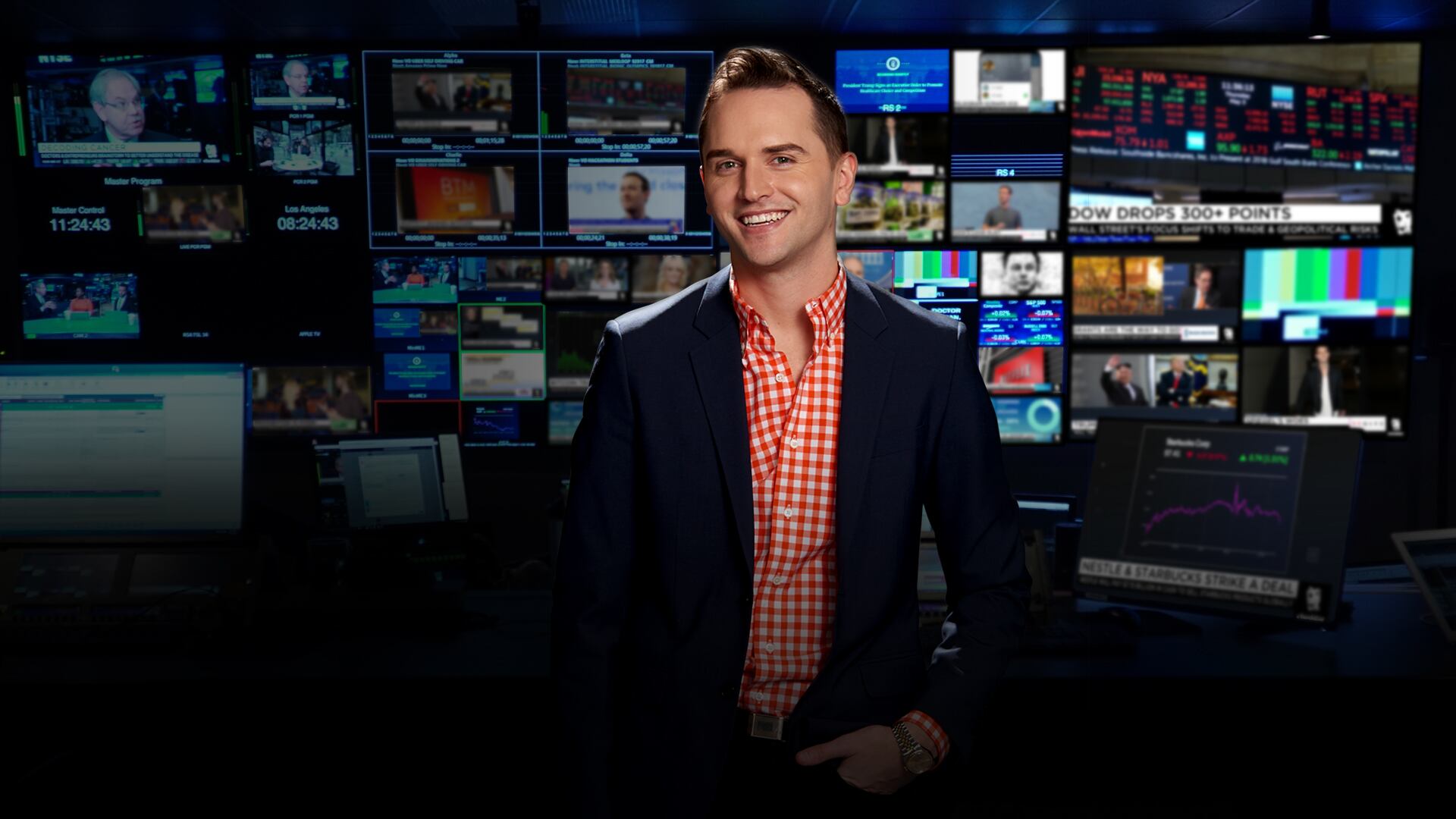
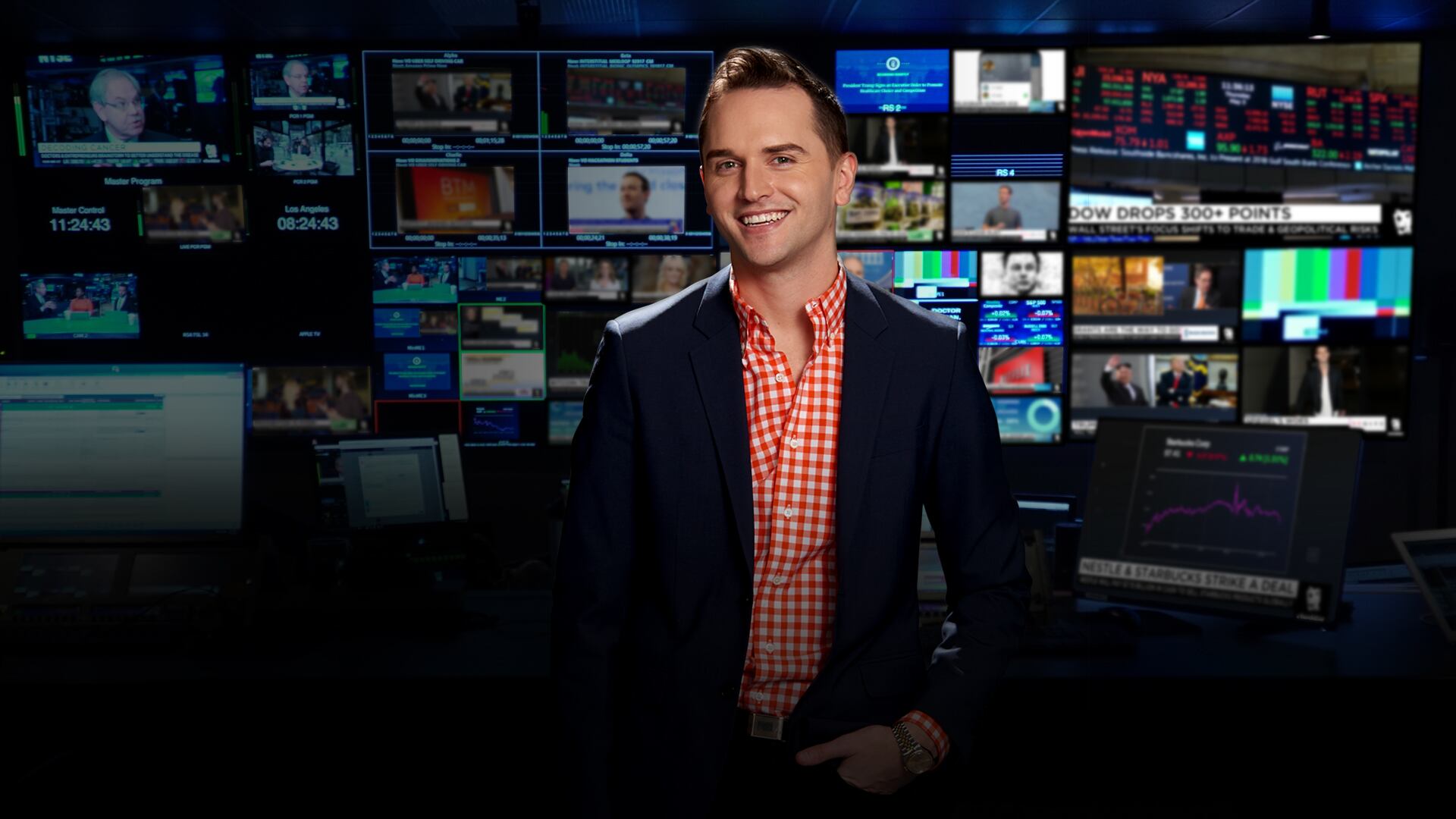
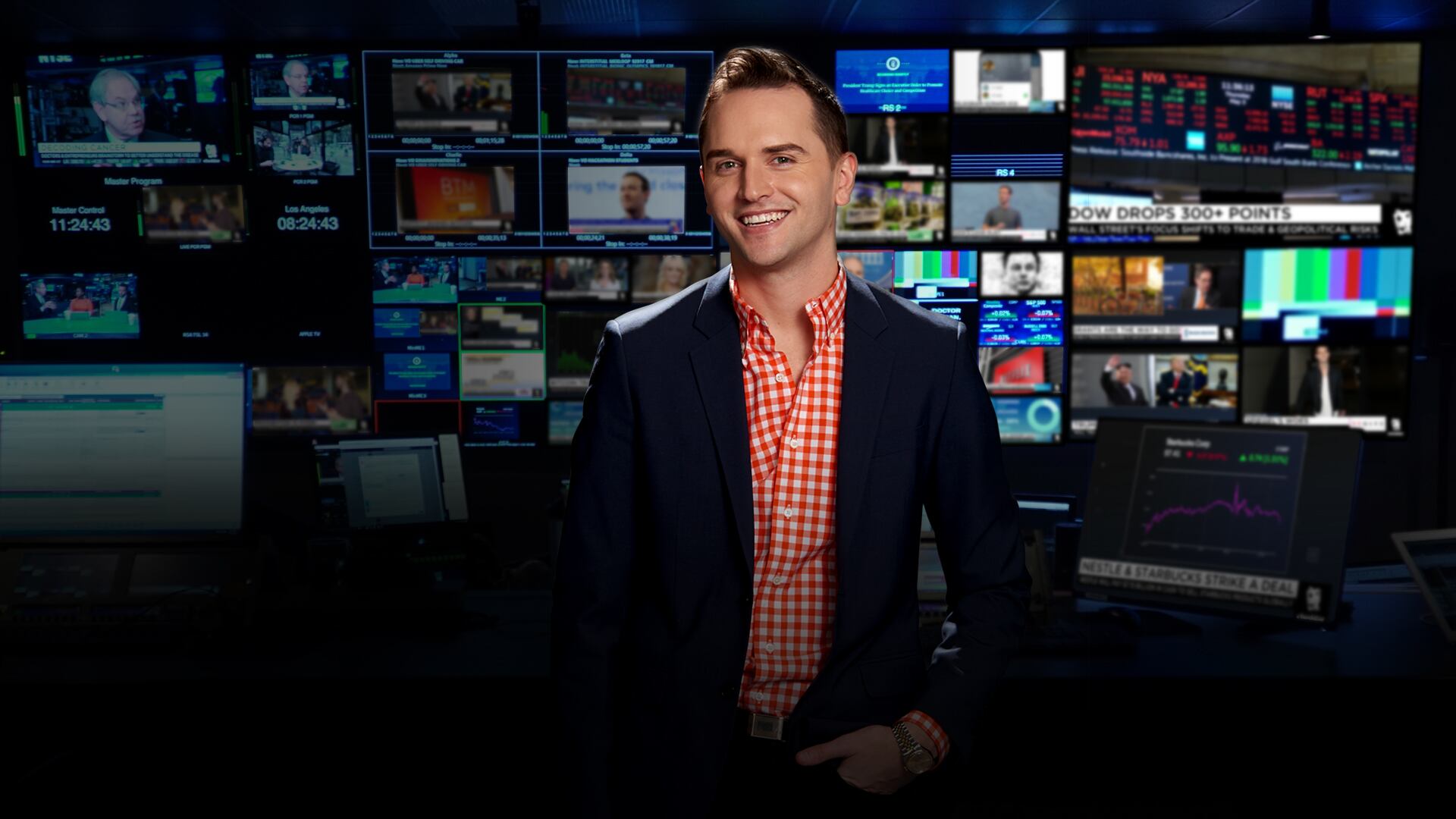
The streaming service Philo is testing a suite of new features to make watching TV more interactive, said the company's chief executive, Andrew McCollum.
"We do believe that we can make TV a much more social experience, and that's going to be a big innovation we can bring to the product," McCollum said Wednesday in an interview with Cheddar. "It's something that really no one is doing right now, and it has never really been done before, and we want to get it right."
McCollum wouldn't give many details about the new features, or when they would be released publicly, but he said the company's employees were testing the new features on an employees-only version of the platform.
"We're thinking about how exactly we want to roll it out. We generally prefer to do things in smaller pieces so that we can kind of see how people are using it," McCollum said.
Philo already offers a "deep link" feature that allows its users to share links to specific parts of a video, and a simplified sign-in process that only requires your phone number. McCollum said it takes about 10 seconds.
He was one of dozens of TV, cable, telecom, and tech executives participating at The Pay TV Show this week in Denver, where participants were discussing innovations and strategies in television.
For the full interview, [click here](https://cheddar.com/videos/philo-plans-new-tech-innovations-for-streaming-service).
Carlo and Baker wrap up the week talking about the Biden economic boom that no one seems to notice, a verdict in the Jussie Smollett case, the first Starbucks union in America and the pleasures of the "dude nod."
According to the U.S. Department of Health and Human Services, more than 40 million people have had their personal health information exposed in data breaches this year alone. A number of these incidents have caused health care networks to crash for weeks. Founder and CEO of BlackCloak Chris Pierson, joined Cheddar to discuss more.
Rainmaker Games bills itself as a blockchain-based organization founded in the metaverse, built on a new type of gaming ecosystem called play-to-earn. The company announced a $6.5 million seed round after it was founded just this year. Rainmaker Games CEO and founder Will Deane joins Cheddar News' Closing Bell to discuss.
Analysts are all-in on tech giant Apple, issuing bullish ratings this week and calling it a 'safety blanket' and one of the best assets for investors in 2022. This comes as Apple edges closer to a $3 trillion market cap. Mario Stefanidis, Vice President at Roundhill Investments, joins Cheddar News' Closing Bell to discuss why analysts are bullish on the tech giant, how close the company is to hitting a $3 trillion market cap, and more.
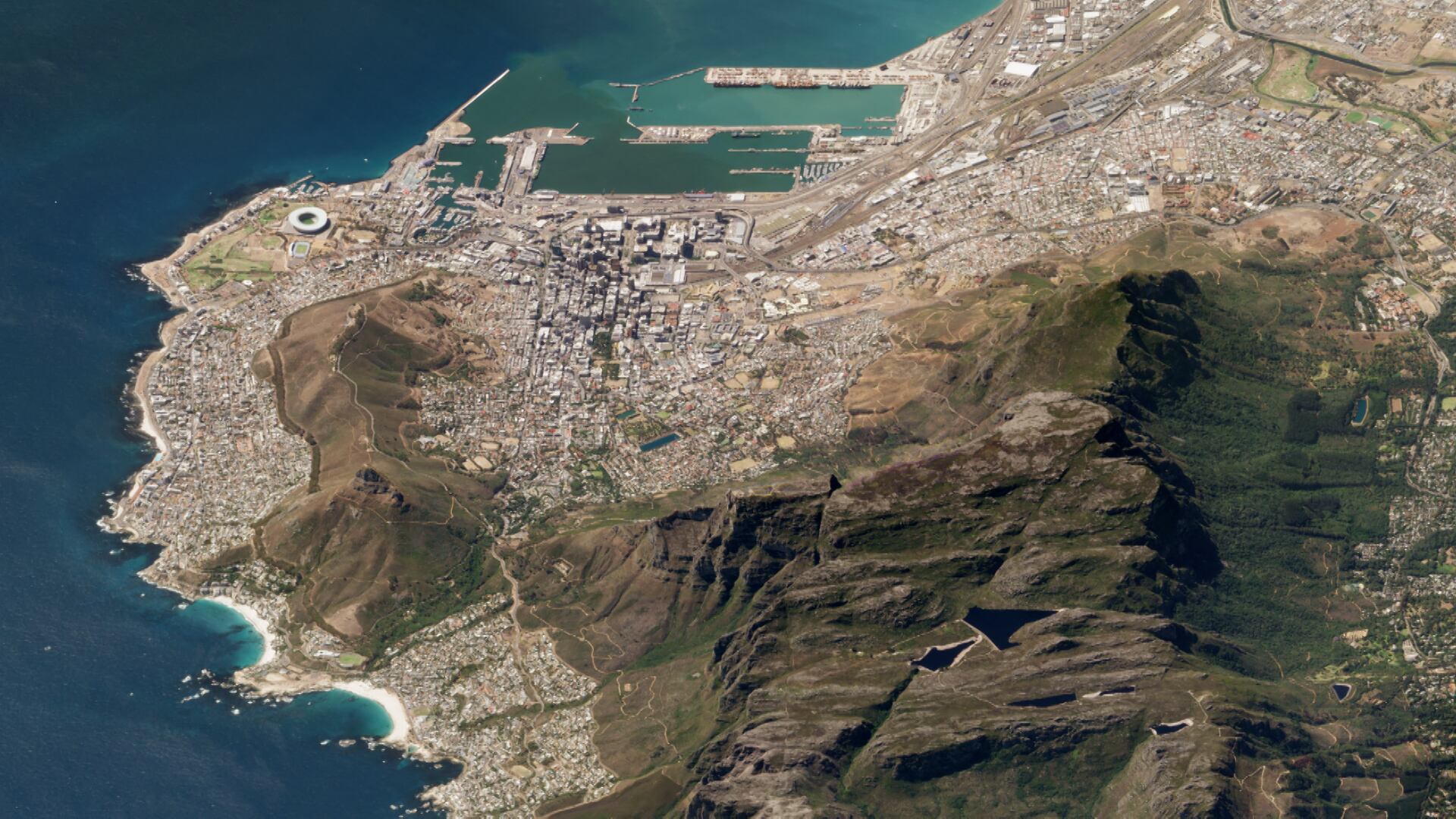
Planet made its public debut on December 8, ringing the opening bell at the NYSE in honor of the occasion. With more than 200 satellites in orbit, the company operates the world's largest constellation of satellites, providing daily scans of the entire earth. This helps with everything from agriculture companies monitoring fields and crop health, to FEMA's disaster response, to marine protection programs. Will Marshall, co-founder and CEO of Planet, explains how this milestone will allow the company fulfill its mission of using space to help life here on Earth.
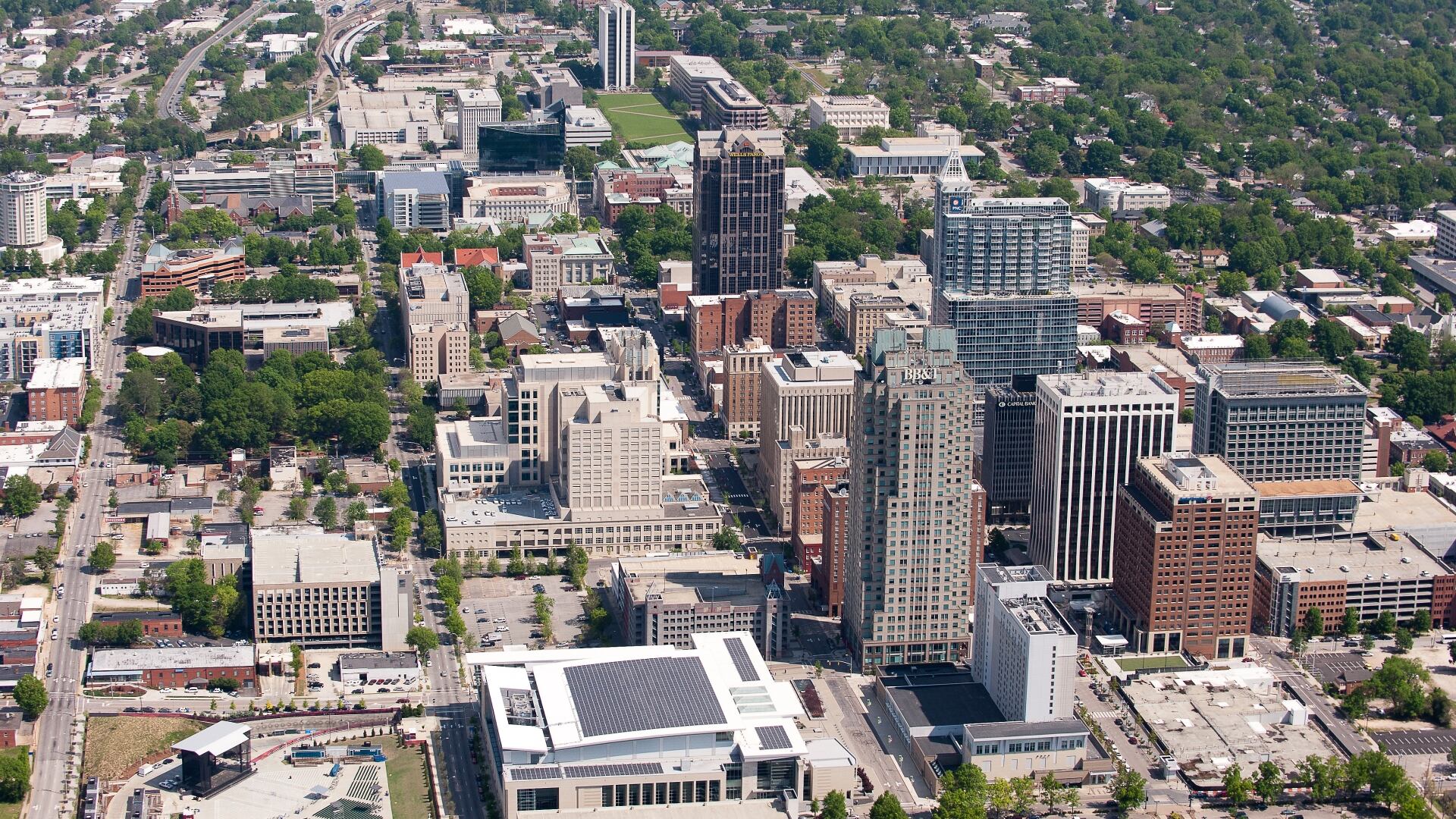
North Carolina is transitioning into an electric vehicle manufacturing hub, as Toyota plans to build its first North American lithium-ion battery plant. Machelle Baker Sanders, secretary of commerce for North Carolina, joined Cheddar to discuss the influx of tech-heavy businesses and what Toyota's 1,750 jobs mean for North Carolina's economy. Sanders said the carmaking giant's $1.29 billion project was contingent on it committing to align with the state's own climate goals for a greener future.
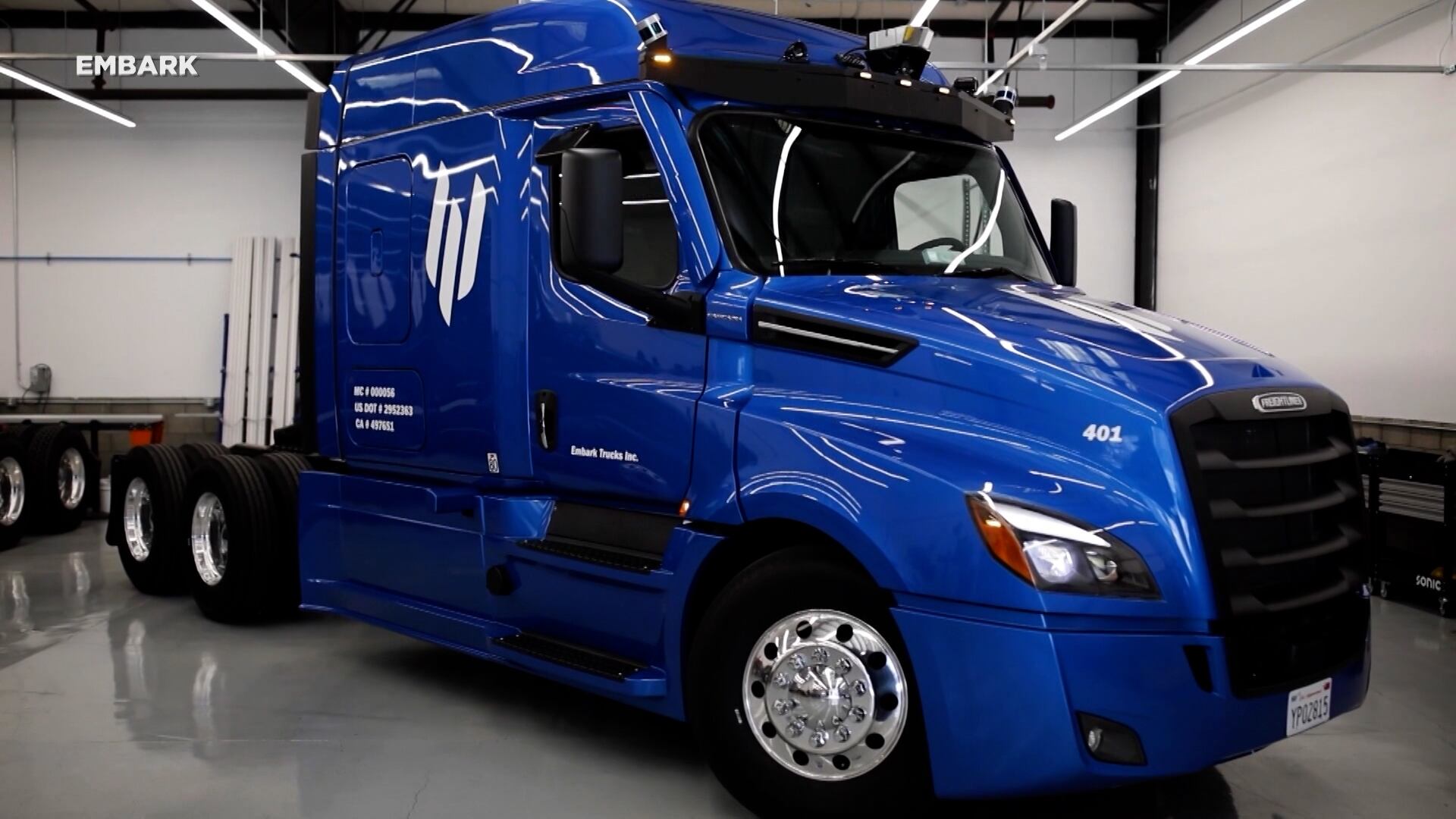
Just weeks after launching its IPO, Embark Trucks is looking to take trucking to the next level by establishing an autonomous truck lane between Houston and San Antonio, Texas. CEO Alex Rodrigues joined Cheddar's "Closing Bell" to talk about the company's expansion into the Lone Star State and the efforts taken to make the driverless vehicles safe for the shipping corridor. "I think the biggest thing you'll notice as a person driving on the road is that they're going to be a little bit more patient, a little bit more law-abiding because they don't have to get there under the same kind of time pressure," he said. "They don't have the hours of service limitations." He also explained that the lane itself isn't a segregated road but a digital route on an existing roadway for the vehicles to follow.