With Pfizer's COVID-19 vaccine receiving emergency use approval, there is still the hurdle to clear of getting it to the people. Senator Tina Smith (D-Minn.) is concerned about whether or not states will be able to effectively distribute the vaccines.
"This is a mammoth undertaking, and I believe that they're going to need some extra help," Smith told Cheddar, about funding needs in a new COVID relief bill.
Under the current strategy, states will receive shipments from the federal government then decide how to administer the vaccines to residents, with frontline and essential workers being at the top of the list.
"We have a big state and large rural communities, and so, one of our big issues is making sure that we get those vaccines, especially the ones that require supercooling," Smith added.
Despite some bipartisan agreements to extend federal aid to states, according to Smith,
"Mitch McConnell has done nothing but pour cold water on this," she said. "The big hold up is that he and others in his party don't want to provide help for states for the additional needs that they have around COVID and insisting on this massive immunity to corporations from any kind of legal liability around COVID."
Continued Testing Roadblocks
As cases surge across the country, Smith said the lack of a national strategy in developing and accessing tests, persists in being an issue that is "stymying our efforts" to beat COVID-19.
"What we are hearing from these testing companies that they are still experiencing shortages around some of the supplies that they need to do the tests, including swabs and reagent, and they are also quite worried about shortages of personal protective equipment, which are so necessary for completing these tests," she said, also noting that paying for the testing has also raised questions.
Smith also pointed out that there were shortfalls in testing children, who may spread the disease.
Continued Quarantines
Minnesotans have been under lockdown order for the past three weeks and could be in for additional quarantine time as Governor Tim Walz is expected to make a decision next week. Smith said while it's hard for residents to be away from family, especially during the holidays, the lockdown, along with mask-wearing, is necessary if we want to have a chance at finally beating the virus.
"Every day, more people are dying from COVID-19 than we lost in 9/11, and unless we are able to turn that tide, we're going to be seeing just a tragic winter. That's over 3,000 souls every day that we are losing," she said.
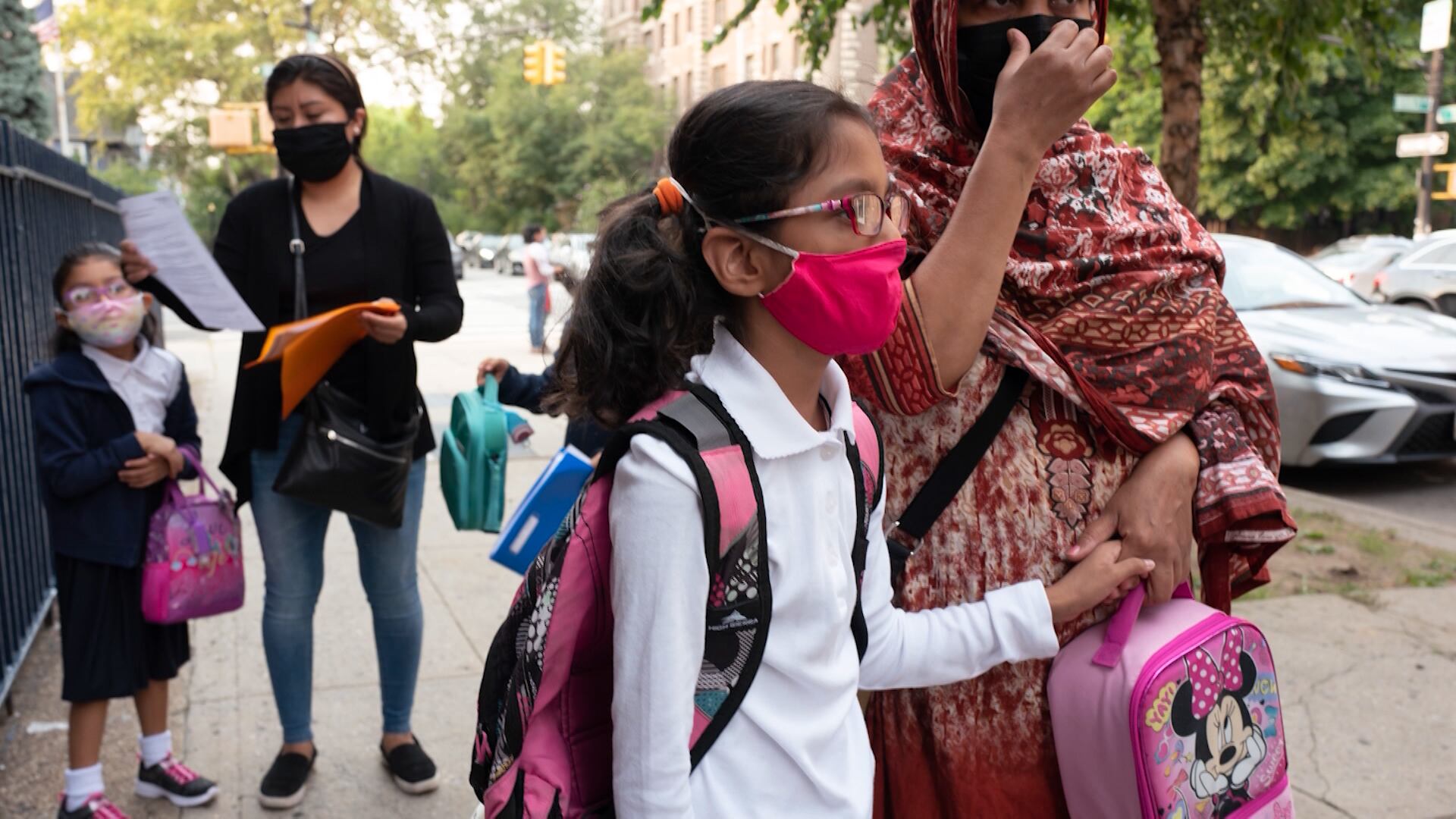
Gifted and talented education programs in schools throughout the United States are falling under greater scrutiny as the race and class divide in the programs remain wide. Marcia Gentry, a professor of educational studies and the director of the Gifted Education Research and Resource Institute at Purdue University, joined Cheddar to weigh in on if advanced tracking for students can also be equitable for lower income students and students of color.
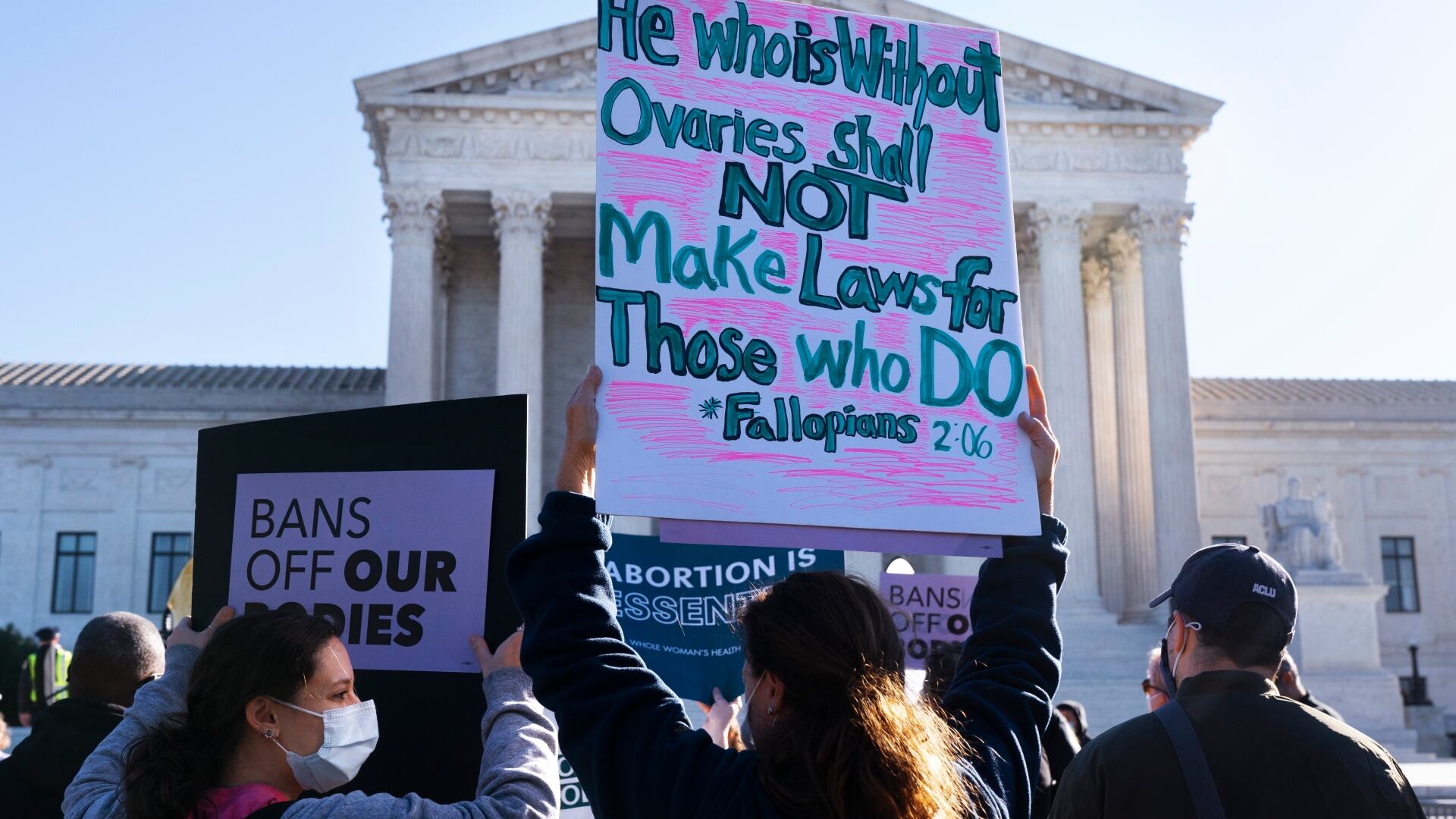
The Supreme Court is now weighing in on one of the nation's most restrictive abortion laws. The Texas law, which was enacted on September 1, bans abortions after six weeks of pregnancy. In addition, it allows any private citizen to sue anyone who helps a woman get an abortion. Jimmy Hoover, Supreme Court Editor-At-Large at Law360, joined Cheddar News to discuss more.
House Democrats are scrambling to hold a vote as soon as Tuesday on President Joe Biden's economic agenda — both the $1 trillion bipartisan infrastructure bill and the $1.85 trillion social safety net and climate bill. With Biden still overseas, the bill stands in flux. Jennifer Haberkorn, congressional reporter at the Los Angeles Times, joined Cheddar's "Opening Bell" to discuss.
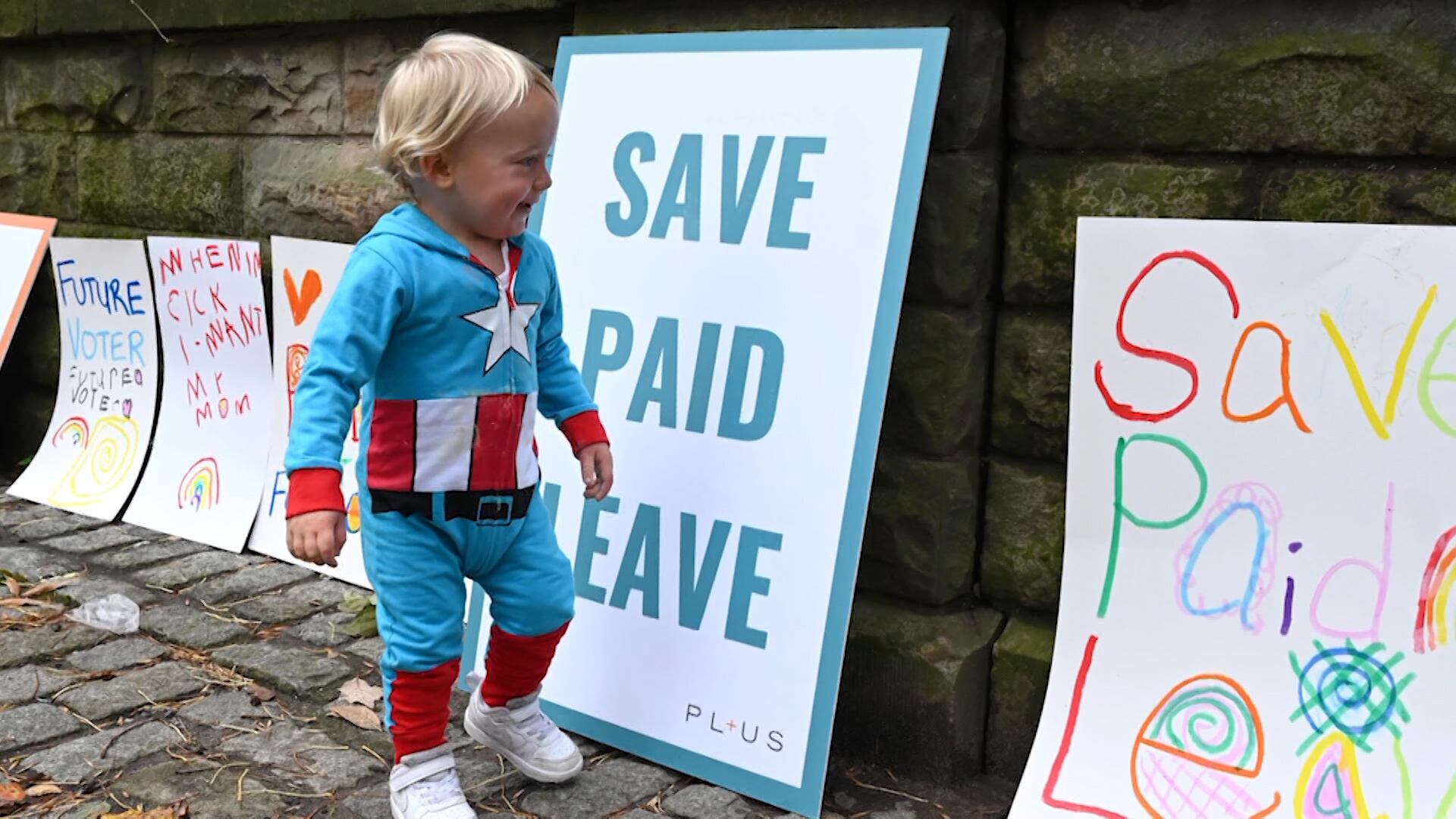
Lauren Brody, author of "The Fifth Trimester," joined Cheddar to talk about the ongoing fight for a national paid family leave policy after it was cut from the Democratic reconciliation bill negotiation reportedly due to objections from Senator Manchin. Brody discussed how parents are often forced to choose between work and caring for their family and newborns — or even taking time to deal with a traumatic loss. "Frankly, it's appalling to me that we live in a place that doesn't support people who have experienced the death of a baby and then had to go right back to work," she noted.
Even with pandemic lockdowns, greenhouse gas levels reached new highs in 2020, according to the World Meteorological Organization. This report comes just a week ahead of the United Nations Climate Change Conference, otherwise known as Cop26. Shannon Osaka, climate policy and solutions reporter at Grist, joined Cheddar's Between Bells to discuss.
Paid family & medical leave is left out of President Joe Biden's Build Back Better domestic policy plan. Abby Vesoulis, reporter for TIME joins Cheddar News to breakdown what this means for Americans.
Carlo's flying solo today, talking COP26 and climate change, another racially charged trial gets underway, SCOTUS takes on abortion and a stunning rise in traffic deaths points to a bigger societal breakdown sparked by the pandemic.
World leaders will converge this weekend at the 2021 G20 Summit in Rome and the UN COP26 conference in Glasgow with the climate crisis on the agenda. Lord Adair Turner, chair of the Energy Transitions Commission, joined Cheddar to discuss what people can expect to come out of the climate-focused conferences. Turner also noted that one of the biggest hurdles for the attending nations will be coming to a uniform decision on expanding on the Paris Climate Accord goals that have become insufficient to prevent global warming by 1.5 degrees celsius.