With Pfizer's COVID-19 vaccine receiving emergency use approval, there is still the hurdle to clear of getting it to the people. Senator Tina Smith (D-Minn.) is concerned about whether or not states will be able to effectively distribute the vaccines.
"This is a mammoth undertaking, and I believe that they're going to need some extra help," Smith told Cheddar, about funding needs in a new COVID relief bill.
Under the current strategy, states will receive shipments from the federal government then decide how to administer the vaccines to residents, with frontline and essential workers being at the top of the list.
"We have a big state and large rural communities, and so, one of our big issues is making sure that we get those vaccines, especially the ones that require supercooling," Smith added.
Despite some bipartisan agreements to extend federal aid to states, according to Smith,
"Mitch McConnell has done nothing but pour cold water on this," she said. "The big hold up is that he and others in his party don't want to provide help for states for the additional needs that they have around COVID and insisting on this massive immunity to corporations from any kind of legal liability around COVID."
Continued Testing Roadblocks
As cases surge across the country, Smith said the lack of a national strategy in developing and accessing tests, persists in being an issue that is "stymying our efforts" to beat COVID-19.
"What we are hearing from these testing companies that they are still experiencing shortages around some of the supplies that they need to do the tests, including swabs and reagent, and they are also quite worried about shortages of personal protective equipment, which are so necessary for completing these tests," she said, also noting that paying for the testing has also raised questions.
Smith also pointed out that there were shortfalls in testing children, who may spread the disease.
Continued Quarantines
Minnesotans have been under lockdown order for the past three weeks and could be in for additional quarantine time as Governor Tim Walz is expected to make a decision next week. Smith said while it's hard for residents to be away from family, especially during the holidays, the lockdown, along with mask-wearing, is necessary if we want to have a chance at finally beating the virus.
"Every day, more people are dying from COVID-19 than we lost in 9/11, and unless we are able to turn that tide, we're going to be seeing just a tragic winter. That's over 3,000 souls every day that we are losing," she said.
Jill is joined by “Friend of the Pod” Mosheh Oinounou to talk booster shots, and whether “fully vaccinated” will eventually mean three shots, not two. Plus, the latest on the Kyle Rittenhouse trial. And the research is in: we know now the perfect way to hug. Also, Jill and Mosheh debate whether Airpods are passé.
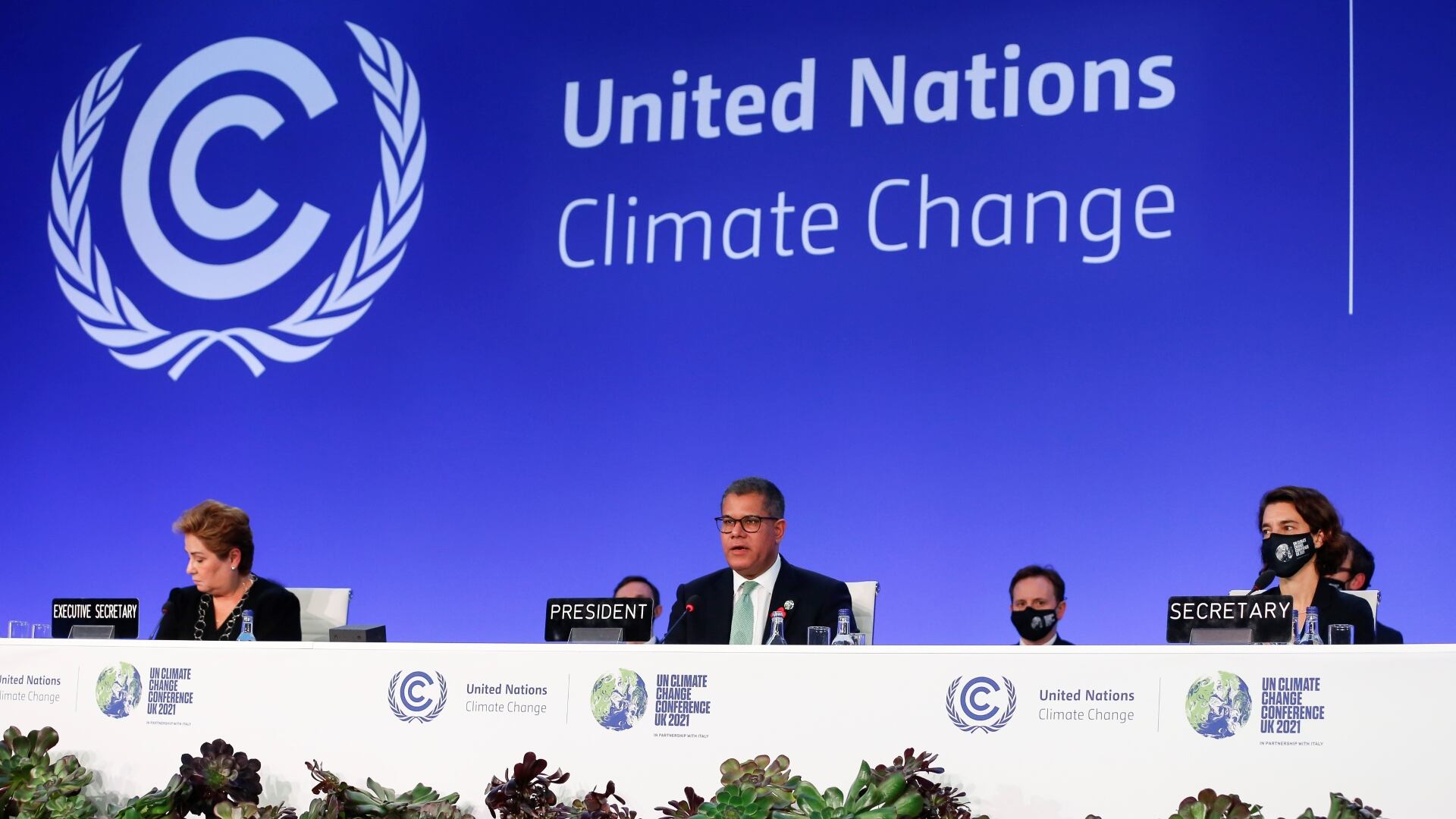
A deal was reached as the COP26 Summit in Glasgow came to a close. Dr. Katharine Hayhoe, Chief Scientist at the Nature Conservancy and Author of 'Saving Us: A Climate Scientist's Case for Hope and Healing in a Divided World,' joined Cheddar News' Closing Bell to discuss the deal.
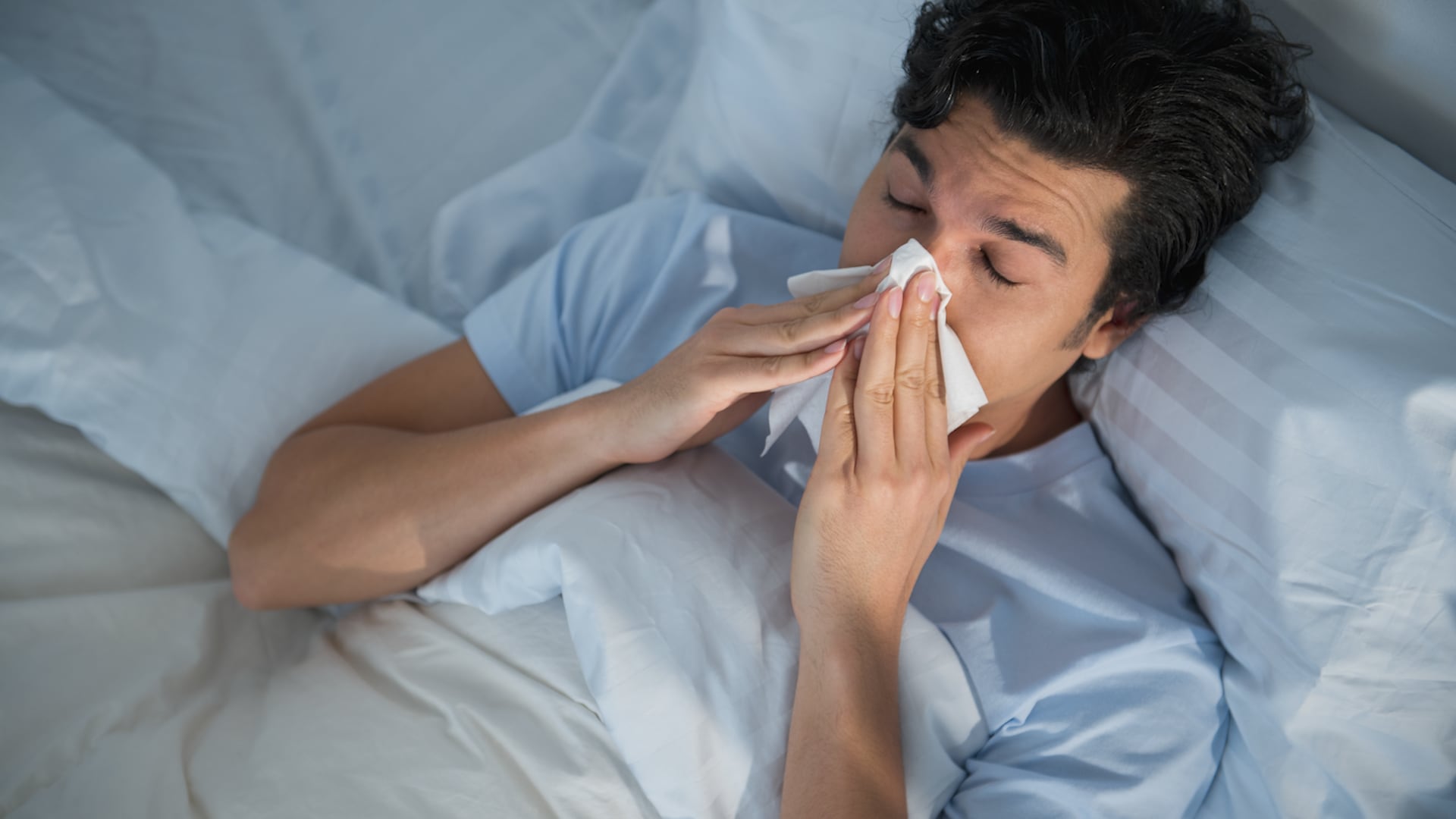
As we move into the colder months in the U.S., health experts are warning of a more active flu season than last year, sounding the alarm on what many are calling a 'twindemic.' Dr. Syra Madad, infectious disease epidemiologist, joined Cheddar's 'Search for the Cure' to discuss the intersection of the flu season with the Covid-19 pandemic.
Schools across the country could expect to see billions of dollars towards providing a more accessible Universal Pre-K program. Steven Barnett, Board of Governors Professor and Director of the National Institute for Early Education Research at Rutgers University, joined Cheddar News to discuss more.
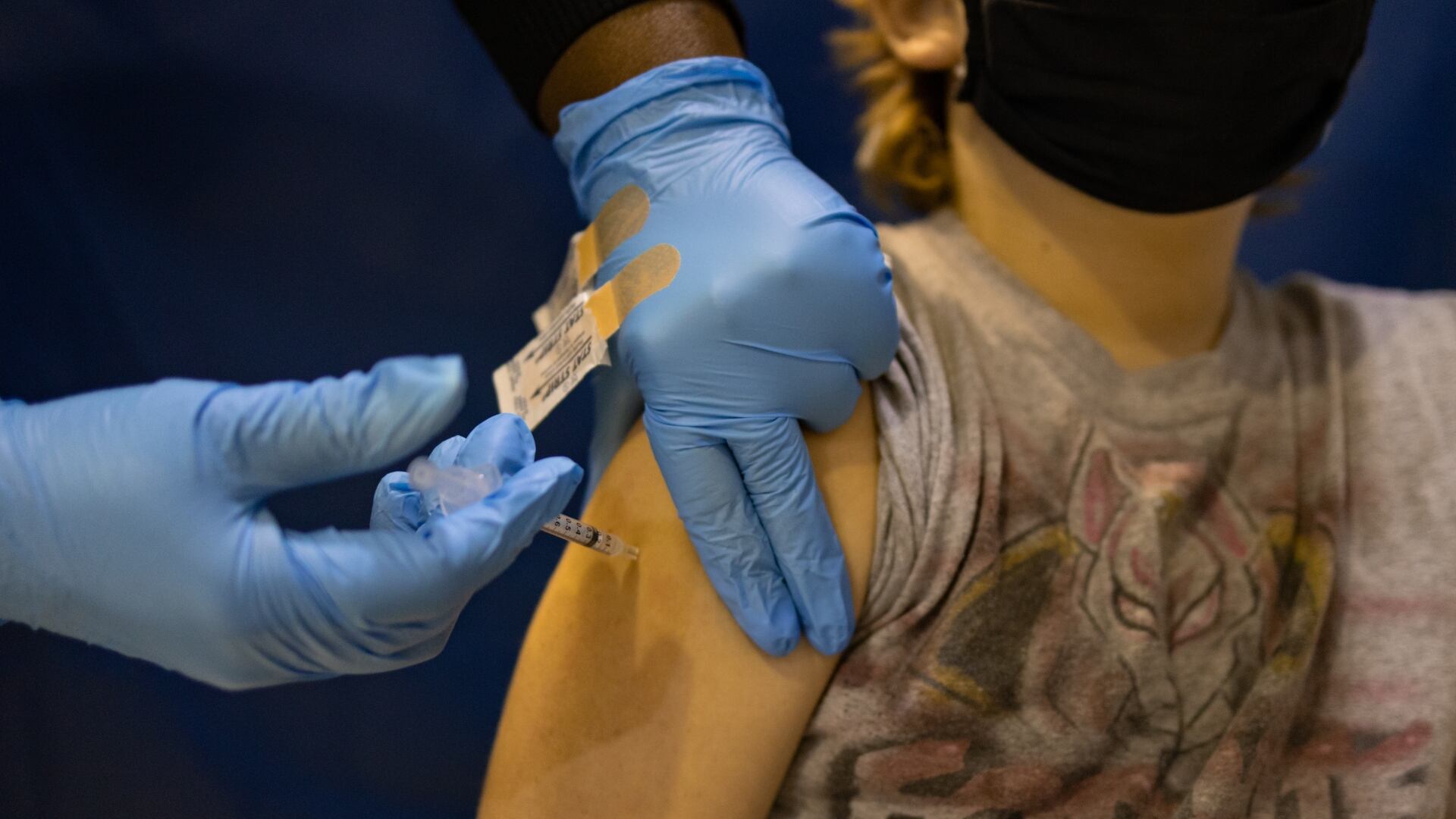
The Fifth Circuit Court of Appeals court temporarily held up President Biden's vaccine mandate for workplaces with more than 100 employees as the various lawsuits challenging it are combined. Marjorie Mesidor, a partner at the law firm Phillips & Associates, PLLC, joined Cheddar to break down the arguments in play. "They [the Biden Administration] say we have the authority to do this under the broad powers that are given under OSHA," she said. "What the Republic side then is saying, no, this is overbroad."
The UN climate summit wrapped up over the weekend after days of negotiations over the summit's final agreement. The agreement pushes countries to reassess their climate goals by the end of next year, do more for countries facing the worst effects of climate change, and also calls for a "phase down" of coal and other fossil fuel subsidies. The White House praised the agreement, but underscored the feelings of many world leaders by saying it isn't enough.
Deborah Brosnan, climate expert and president of Deborah Brosnan and Associates, joined Cheddar's News Wrap to discuss.
President Biden is under some pressure from members of his own party over rising gas prices. Senate Majority Leader Chuck Schumer has called for the president to utilize oil reserves to lower gas prices ahead of the holiday season, as gas prices are currently at a seven-year high. Energy Workforce & Technology Council CEO Leslie Beyer joins Cheddar News' Closing Bell to discuss.
The men's brand Harry's is teaming up with Stop Soldier Suicide and Headstrong to help provide mental health support with a $500,000 financial commitment. The withdrawal of troops from Afghanistan triggered a range of mental health responses from veterans and active service members, as well as displaced refugees who are now acclimating to a new way of life. Maggie Hureau, Harry's head of social impact, joined Cheddar News to talk about the partnership and why Harry's chose to get involved in mental health care.
Inflation has risen to its highest level in 31 years, sending consumer prices on everything from groceries to gas to rent surging. For many businesses, that's good news as inflation typically means better profit margins. According to data from FactSet, nearly two out of three of the biggest U.S. publicly traded companies have reported fatter profit margins so far this year compared to the same stretch of 2019, before the pandemic. Gregory Daco, chief U.S. economist for Oxford Economics, breaks down how the top businesses are reaping the benefits of inflation, and when consumers can expect inflation to ease.