With Pfizer's COVID-19 vaccine receiving emergency use approval, there is still the hurdle to clear of getting it to the people. Senator Tina Smith (D-Minn.) is concerned about whether or not states will be able to effectively distribute the vaccines.
"This is a mammoth undertaking, and I believe that they're going to need some extra help," Smith told Cheddar, about funding needs in a new COVID relief bill.
Under the current strategy, states will receive shipments from the federal government then decide how to administer the vaccines to residents, with frontline and essential workers being at the top of the list.
"We have a big state and large rural communities, and so, one of our big issues is making sure that we get those vaccines, especially the ones that require supercooling," Smith added.
Despite some bipartisan agreements to extend federal aid to states, according to Smith,
"Mitch McConnell has done nothing but pour cold water on this," she said. "The big hold up is that he and others in his party don't want to provide help for states for the additional needs that they have around COVID and insisting on this massive immunity to corporations from any kind of legal liability around COVID."
Continued Testing Roadblocks
As cases surge across the country, Smith said the lack of a national strategy in developing and accessing tests, persists in being an issue that is "stymying our efforts" to beat COVID-19.
"What we are hearing from these testing companies that they are still experiencing shortages around some of the supplies that they need to do the tests, including swabs and reagent, and they are also quite worried about shortages of personal protective equipment, which are so necessary for completing these tests," she said, also noting that paying for the testing has also raised questions.
Smith also pointed out that there were shortfalls in testing children, who may spread the disease.
Continued Quarantines
Minnesotans have been under lockdown order for the past three weeks and could be in for additional quarantine time as Governor Tim Walz is expected to make a decision next week. Smith said while it's hard for residents to be away from family, especially during the holidays, the lockdown, along with mask-wearing, is necessary if we want to have a chance at finally beating the virus.
"Every day, more people are dying from COVID-19 than we lost in 9/11, and unless we are able to turn that tide, we're going to be seeing just a tragic winter. That's over 3,000 souls every day that we are losing," she said.
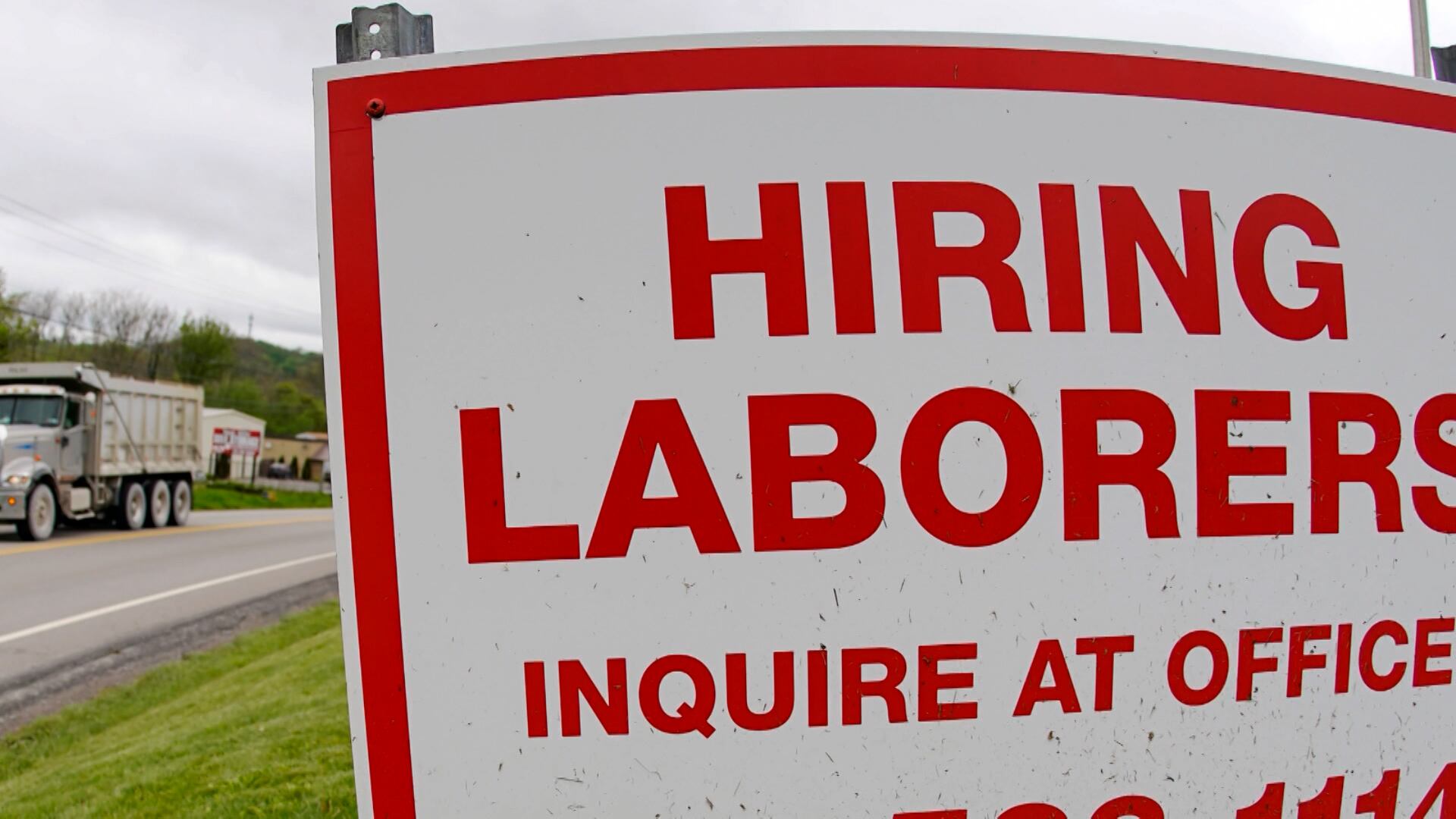
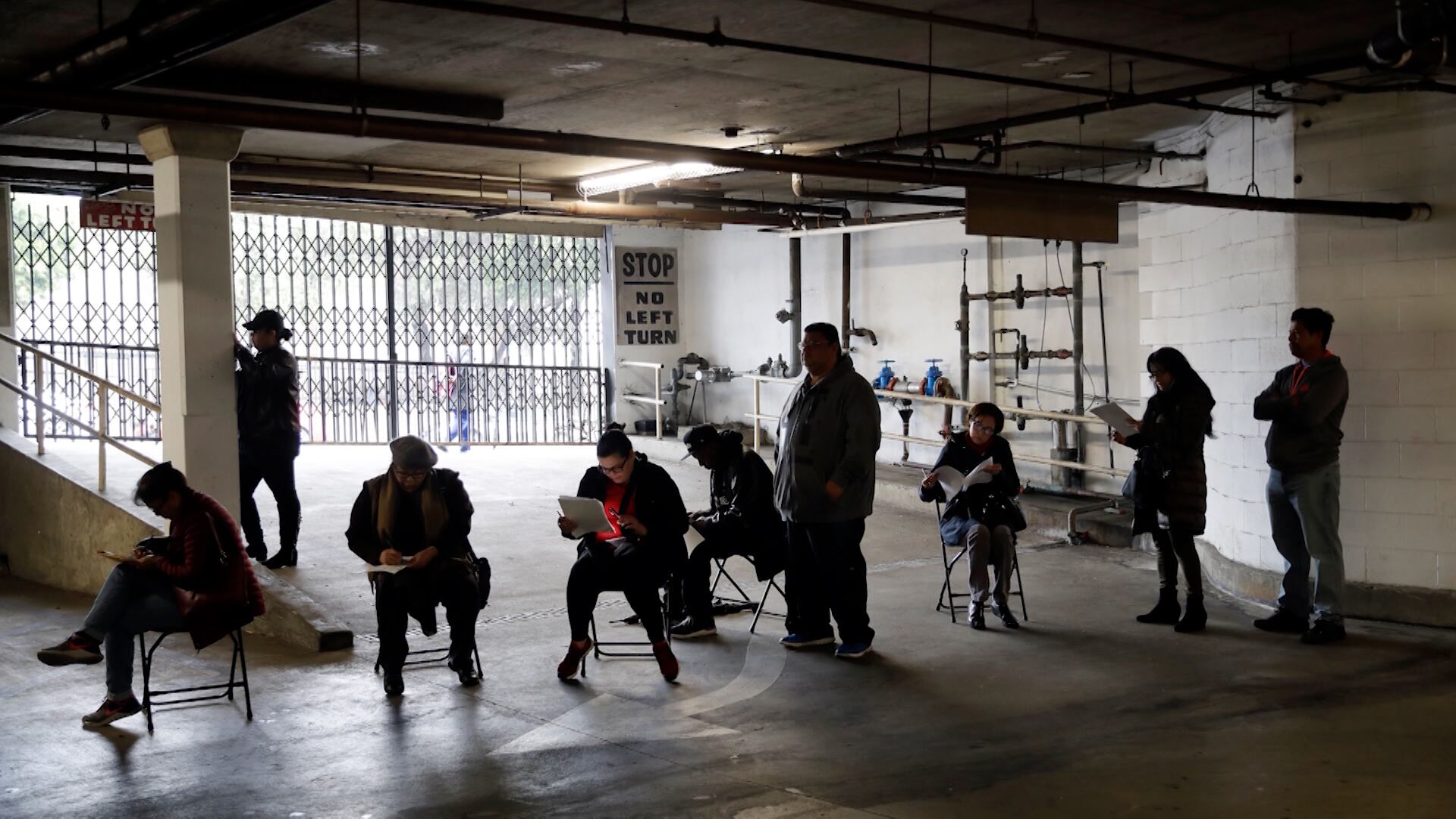
It's a mixed bag for the November jobs report. Hiring slowed last month as employers only added 210,000 jobs, massively missing the estimate of 550,000. But there was one bright spot: the unemployment rate fell to 4.2%, with the number of unemployed people dropping to 6.9 million. Both of those numbers are considerably down from their highs at the end of the 2020 recession. Heather Boushey, a member of President Biden's Council of Economic Advisers, joined Cheddar to discuss the report and the state of the country's ongoing economic recovery.
As the U.S. continues to face supply chain shortages, President Joe Biden is reassuring U.S. consumers that the supply chain is in "very strong shape" ahead of the all-important holiday season. As supply bottlenecks start to show signs of improvement, the industry may be faced with yet another challenge: the Omicron variant. Rob Caucci, Co-Founder & Co-CEO of Fillogic joined Cheddar's Opening Bell to discuss.
Markets rebounded Monday morning after Friday's deep sell-off that saw the Dow suffer its worse day since 2020. It comes as investors continue to react to the impact of the omicron variant on the broader reopening. Eddie Ghabour, Co-Owner at the Key Advisors Group joined Cheddar's Opening Bell to discuss.
Markets bounced back this morning with travel leading the gains after plunging on Monday as the first case of Omicron was detected in the U.S. Jimmy Lee, CEO, Wealth Consulting Group joined Cheddar's Opening Bell to discuss.
The market saw investors react to comments by the World Health Organization's chief scientist, who suggested existing vaccines are likely to offer protection against the new variant. According to Thomas Hayes, chairman of Great Hill Capital, the next two weeks will be crucial as the markets watch for not only the effects of the Omicron variant, but also the Fed's decision on a taper.
It's Friday at long last. Jill and Carlo cover the latest on Omicron, including a possible superspreader event in NYC. Plus, previewing the November jobs report, a new Zoom feature no one asked for, and when it's no longer a good idea to eat Thanksgiving leftovers.
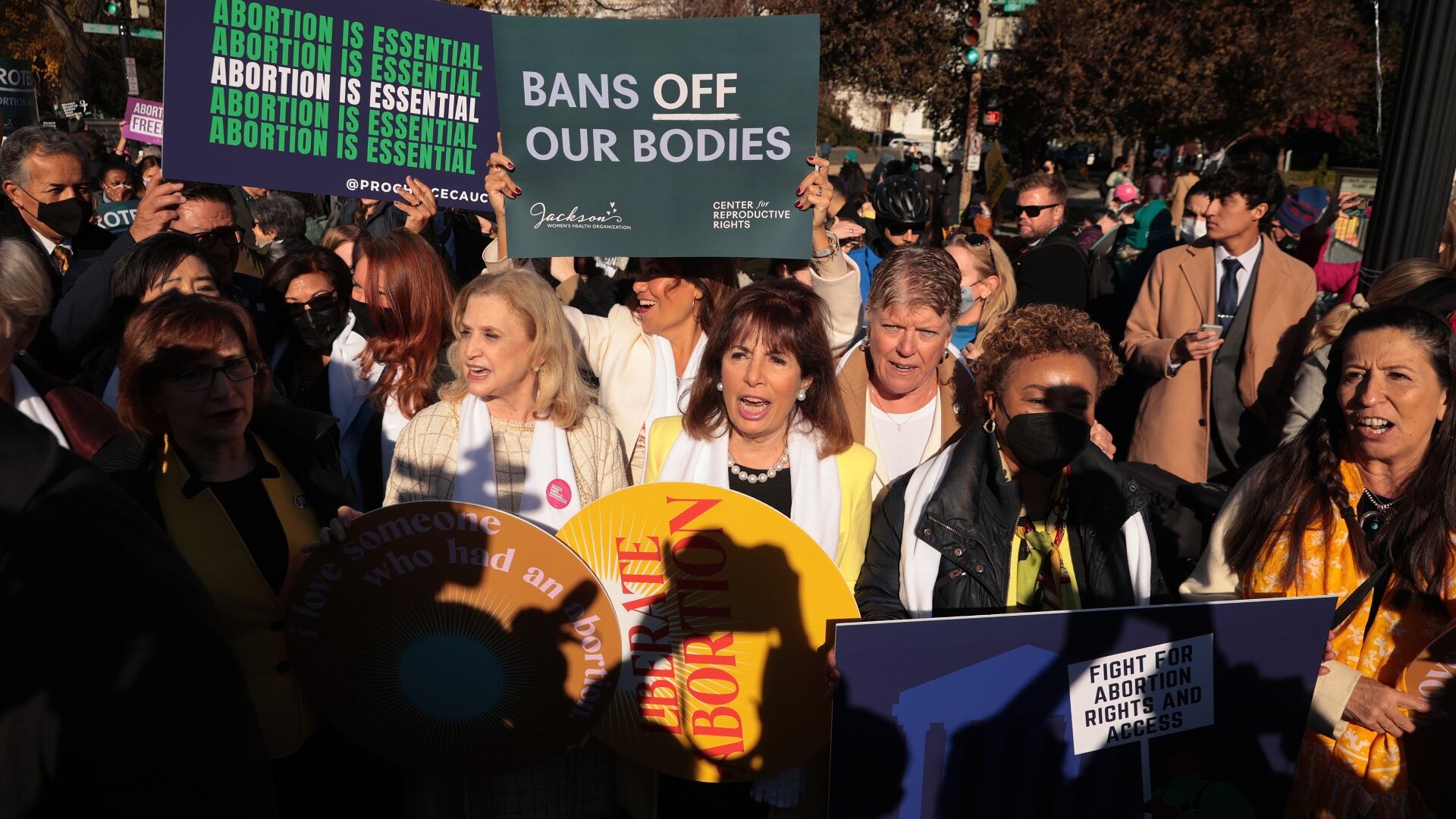
Following the Mississippi abortion case, the fate of Roe V. Wade is at stake. A decision is expected next summer, right around the time midterm candidates will be making their cases to voters. Laura Packard, executive director of Health Care Voter, joins Cheddar News to discuss how the ruling will impact upcoming elections.
Stock markets around the world continue to be impacted by fears of the new Omicron COVID-19 variant. President Biden today reiterated his stance that the new strain is cause for concern, but not cause for panic. Wells Fargo Investment Institute Global Equity Strategist Scott Wren joined Cheddar News' Closing Bell to discuss.