With Pfizer's COVID-19 vaccine receiving emergency use approval, there is still the hurdle to clear of getting it to the people. Senator Tina Smith (D-Minn.) is concerned about whether or not states will be able to effectively distribute the vaccines.
"This is a mammoth undertaking, and I believe that they're going to need some extra help," Smith told Cheddar, about funding needs in a new COVID relief bill.
Under the current strategy, states will receive shipments from the federal government then decide how to administer the vaccines to residents, with frontline and essential workers being at the top of the list.
"We have a big state and large rural communities, and so, one of our big issues is making sure that we get those vaccines, especially the ones that require supercooling," Smith added.
Despite some bipartisan agreements to extend federal aid to states, according to Smith,
"Mitch McConnell has done nothing but pour cold water on this," she said. "The big hold up is that he and others in his party don't want to provide help for states for the additional needs that they have around COVID and insisting on this massive immunity to corporations from any kind of legal liability around COVID."
Continued Testing Roadblocks
As cases surge across the country, Smith said the lack of a national strategy in developing and accessing tests, persists in being an issue that is "stymying our efforts" to beat COVID-19.
"What we are hearing from these testing companies that they are still experiencing shortages around some of the supplies that they need to do the tests, including swabs and reagent, and they are also quite worried about shortages of personal protective equipment, which are so necessary for completing these tests," she said, also noting that paying for the testing has also raised questions.
Smith also pointed out that there were shortfalls in testing children, who may spread the disease.
Continued Quarantines
Minnesotans have been under lockdown order for the past three weeks and could be in for additional quarantine time as Governor Tim Walz is expected to make a decision next week. Smith said while it's hard for residents to be away from family, especially during the holidays, the lockdown, along with mask-wearing, is necessary if we want to have a chance at finally beating the virus.
"Every day, more people are dying from COVID-19 than we lost in 9/11, and unless we are able to turn that tide, we're going to be seeing just a tragic winter. That's over 3,000 souls every day that we are losing," she said.
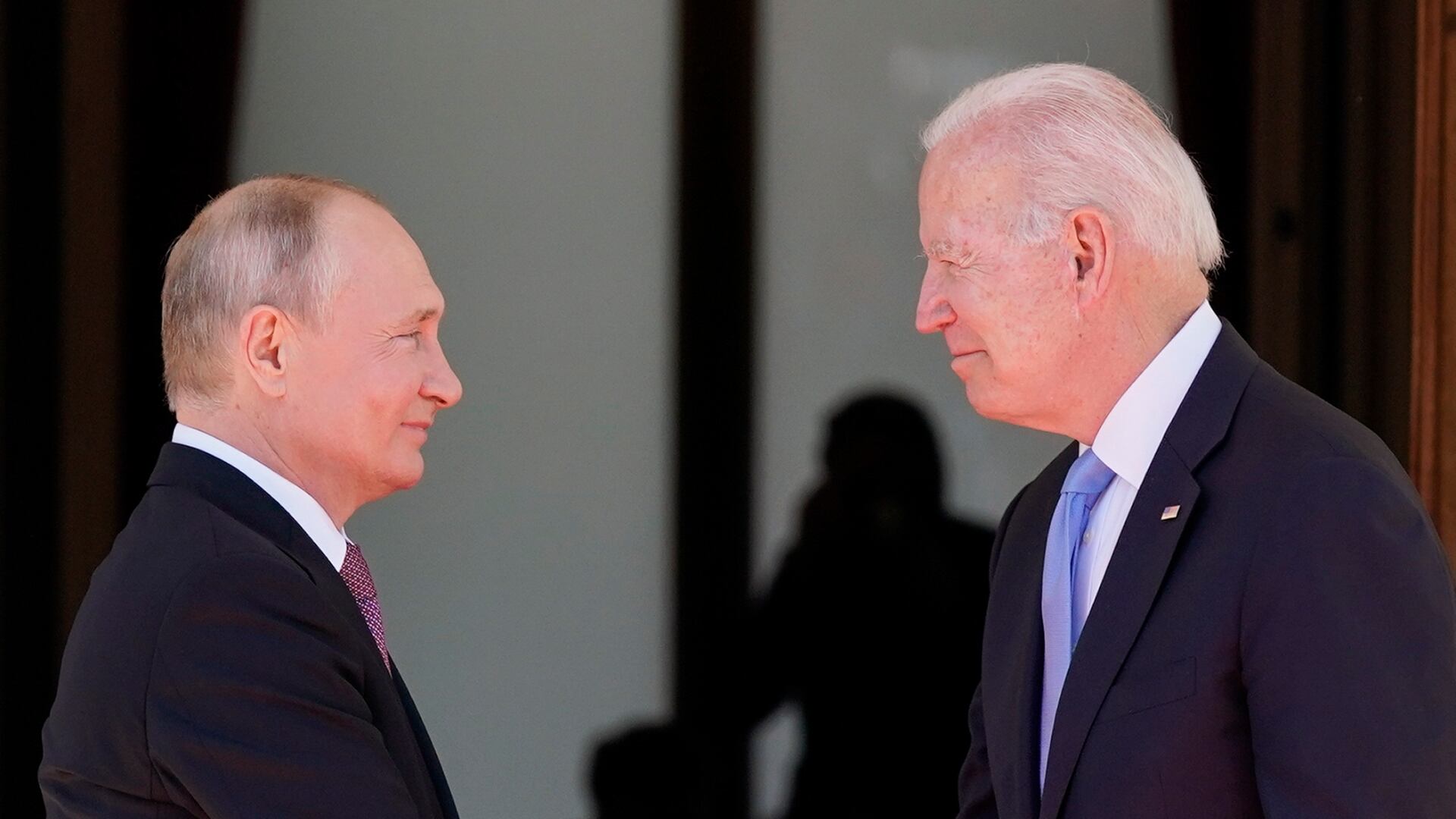
Face to face for just over two hours, President Joe Biden and Russia’s Vladimir Putin squared off in a secure video call Tuesday as the U.S. president put Moscow on notice that an invasion of Ukraine would bring enormous harm to the Russian economy.
Ahead of Instagram head Adam Mosseri's congressional hearing on the mental impact of the social platform on teens, the company announced a number of updates aimed at teen safety.
Troubled Chinese real estate giant Evergrande is once again nearing the brink of collapse. Shares of Evergrande sunk to a new record low on Monday, closing down 20 percent, as debt default fears resurfaced. Drew Bernstein, co-chairman at consultancy MarcumBP, joined Cheddar's Opening Bell to discuss. He said U.S. investors have to understand that "there is no company in China that's too big to fail, that's for sure," and that the Chinese government will be prioritizing the social welfare of the populace. Bernstein did note that it would be a managed collapse in some form.
Joan Greve, a politics reporter at The Guardian US, joined Wake Up With Cheddar to break down the implications of the Biden administration announcing a diplomatic boycott of the 2022 Beijing games in response to allegations of human rights abuses against Uyghur Muslims. She noted the significance of the move, assessing the already frayed relationship between the U.S. and China. "The Chinese have said that a boycott would be politically manipulative, and now they are actually threatening countermeasures," she said. "And that will certainly have an impact on the spirit of the games at the very least."
The Biden administration has reached an agreement with the Mexican government to resume the "Remain-in-Mexico" policy under court order. By reinstating a Trump-era border policy, asylum-seekers will be forced to stay in Mexico until their U.S. immigration court date. The program is set to resume on Monday. Ryan Devereaux, a reporter for The Intercept, joins Cheddar News to discuss.
The U.S. announced it will not send any official representation to the upcoming Beijing winter Olympics. Cheddar's Hena Doba speaks with East Asia expert Michael Swaine about the reasons behind the diplomatic move.
COVID-19 is still battering the nation's criminal justice system, causing a massive backlog in cases and delaying verdicts for months on end. This, combined with the fear of crowded prisons during a pandemic, has prompted many defendants to plead guilty in exchange for time served or probation. Tina Luongo, attorney-in-charge of the Criminal Defense Practice, joined Cheddar to discuss the court backlog, the rise in plea bargains, and why this was an issue long before the pandemic.
With so many high-profile court cases taking over the media, from the trial over the murder of Ahmaud Arbery to the trial of Kyle Rittenhouse to the ongoing Elizabeth Holmes trial, Cheddar took a look at these cases and why there is such a big interest in them. Rachel Fiset, a white collar criminal defense lawyer and partner with Zeiback, Fiset, and Coleman, and Bryan Hance, attorney-at-law, professor, and academic program director of the pre-law and paralegal studies program at National University, joined Cheddar for a roundtable discussion on why there is so much public interest in so-called courtroom drama.