Pfizer Inc. cannot request emergency authorization of its COVID-19 vaccine before the third week of November -- and that’s if everything goes well, the company’s CEO announced Friday.

Despite President Donald Trump’s repeated promises of a vaccine before Election Day, scientists have been cautioning that it’s unlikely data showing a leading shot actually works would come until November or December.

Another leading U.S. contender, Moderna Inc., previously announced the earliest it could seek authorization of its own vaccine would be Nov. 25.

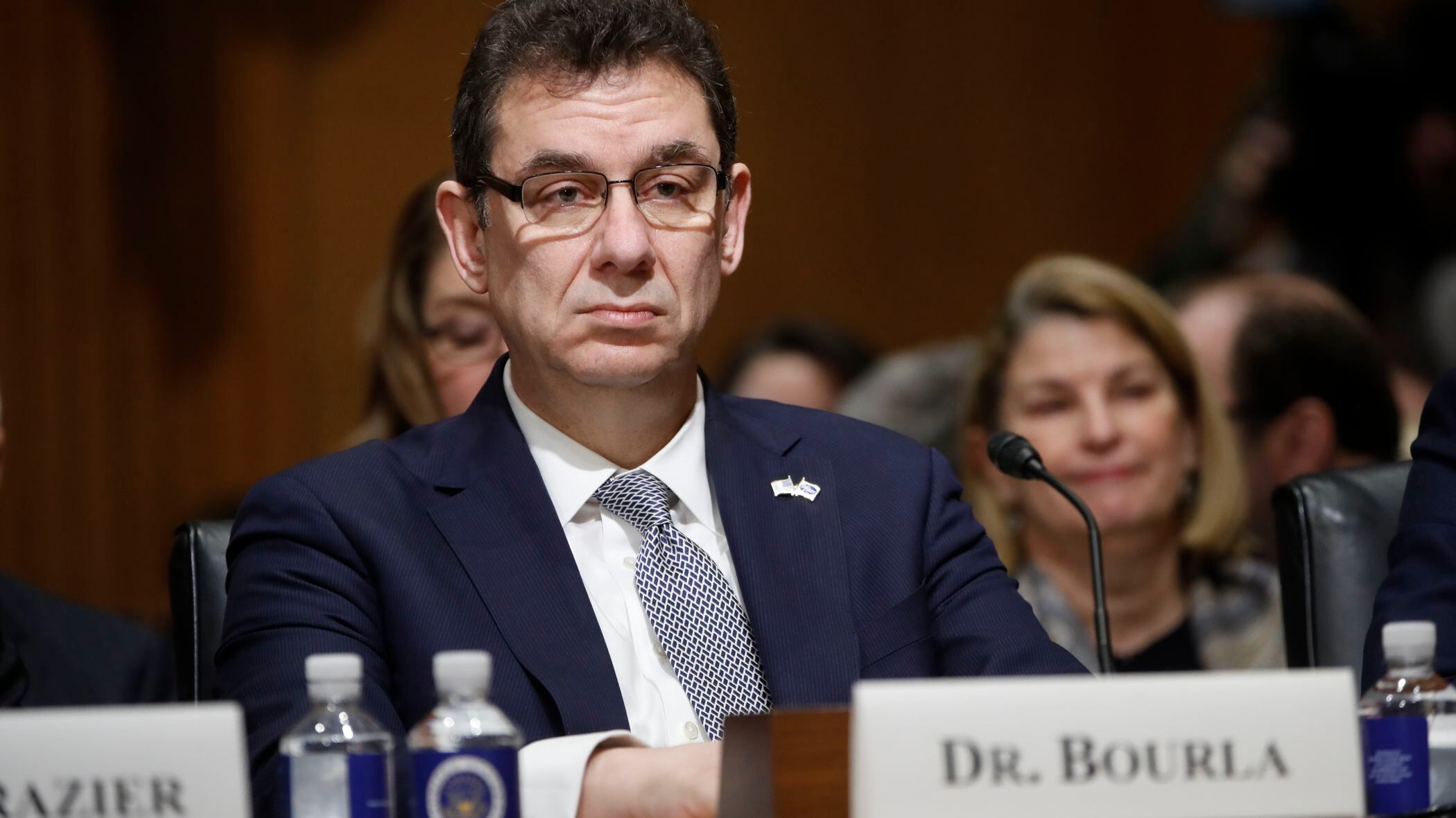
Pfizer CEO Albert Bourla has long said it's possible testing might reveal by the end of October if his company’s vaccine actually protects against the coronavirus. But in Friday’s announcement, he made clear that effectiveness is only part of the equation.

The vaccine also must be proven safe. And to qualify for an “emergency use authorization,” any COVID-19 vaccine must track at least half the participants in large-scale studies for two months after their second dose, the time period in which side effects are likely to appear.

Bourla estimated Pfizer's 44,000-person study will reach that milestone in the third week of November.

“We are operating at the speed of science,” he wrote in a letter posted to the company’s website.

The vaccine made by Pfizer and its German partner BioNTech is among several leading candidates in final testing.

Even if a vaccine emerges by year’s end, only limited doses will be available right away. The U.S. government is deciding who would be first in line, almost certainly health care workers, and estimates there may be enough for widespread vaccinations in the spring.

___

The Associated Press Health and Science Department receives support from the Howard Hughes Medical Institute’s Department of Science Education. The AP is solely responsible for all content.

Share:
More In Business
Al Sharpton to lead pro-DEI march through Wall Street
The Rev. Al Sharpton is set to lead a protest march on Wall Street to urge corporate America to resist the Trump administration’s campaign to roll back diversity, equity and inclusion initiatives. The New York civil rights leader will join clergy, labor and community leaders Thursday in a demonstration through Manhattan’s Financial District that’s timed with the anniversary of the Civil Rights-era March on Washington in 1963. Sharpton called DEI the “civil rights fight of our generation." He and other Black leaders have called for boycotting American retailers that scaled backed policies and programs aimed at bolstering diversity and reducing discrimination in their ranks.
A US tariff exemption for small orders ends Friday. It’s a big deal.
Low-value imports are losing their duty-free status in the U.S. this week as part of President Donald Trump's agenda for making the nation less dependent on foreign goods. A widely used customs exemption for international shipments worth $800 or less is set to end starting on Friday. Trump already ended the “de minimis” rule for inexpensive items sent from China and Hong Kong, but having to pay import taxes on small parcels from everywhere else likely will be a big change for some small businesses and online shoppers. Purchases that previously entered the U.S. without needing to clear customs will be subject to the origin country’s tariff rate, which can range from 10% to 50%.
Southwest Airlines’ new policy will affect plus-size travelers. Here’s how
Southwest Airlines will soon require plus-size travelers to pay for an extra seat in advance if they can't fit within the armrests of one seat. This change is part of several updates the airline is making. The new rule starts on Jan. 27, the same day Southwest begins assigning seats. Currently, plus-size passengers can pay for an extra seat in advance and later get a refund, or request a free extra seat at the airport. Under the new policy, refunds are still possible but not guaranteed. Southwest said in a statement it is updating policies to prepare for assigned seating next year.
Load More