In this photo illustration, the American multinational pharmaceutical corporation Pfizer logo is seen displayed on a smartphone with an economic stock exchange index graph in the background. (Photo Illustration by Budrul Chukrut/SOPA Images/LightRocket via Getty Images)
Pfizer has entered a $43 billion merger agreement with biotechnology firm Seagen. The deal is designed to bolster the pharmaceutical giant's efforts to fight cancer by scaling up the production of a promising antibody drug.
“Pfizer is deploying its financial resources to advance the battle against cancer, a leading cause of death worldwide with a significant impact on public health,” said CEO Dr. Albert Bourla.
“Together, Pfizer and Seagen seek to accelerate the next generation of cancer breakthroughs and bring new solutions to patients by combining the power of Seagen’s antibody-drug conjugate (ADC) technology with the scale and strength of Pfizer’s capabilities and expertise."
ADCs are designed to kill cancer cells and limit off-target toxicities. Bourla noted that oncology is the "largest growth driver in global medicine," and that the deal would improve Pfzier's position in the space.
Seagen forecast $2.2 billion in revenue in 2023, up 12 percent from last year. Pfizer said the company could contribute $10 billion in risk-adjusted revenues by 2030. This would supplement the company's existing oncology division, which brought in $12 billion in revenue in 2022 with a combination of prostate cancer and the breast cancer treatments.
“Pfizer shares our steadfast commitment to patients, and this combination is a testament to the passion, dedication and talent of the Seagen team to achieve our mission to discover, develop, and commercialize transformative cancer medicines that make a meaningful difference in people’s lives,” said Seagan CEO David Epstein.
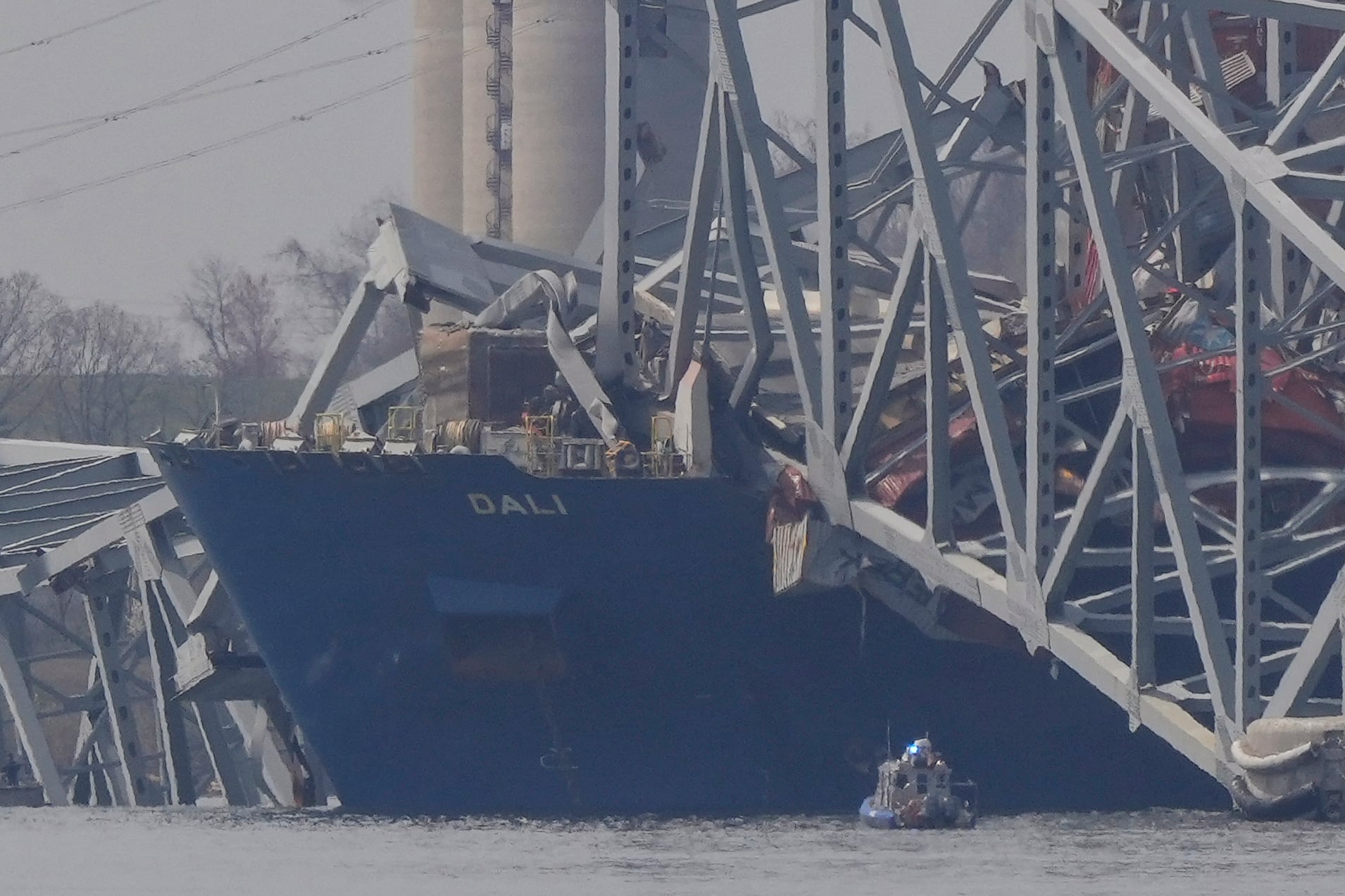
A large cargo ship lost power and issued a mayday call moments before it struck the Francis Scott Key Bridge early Tuesday, though it was still moving toward the span at a rapid speed.
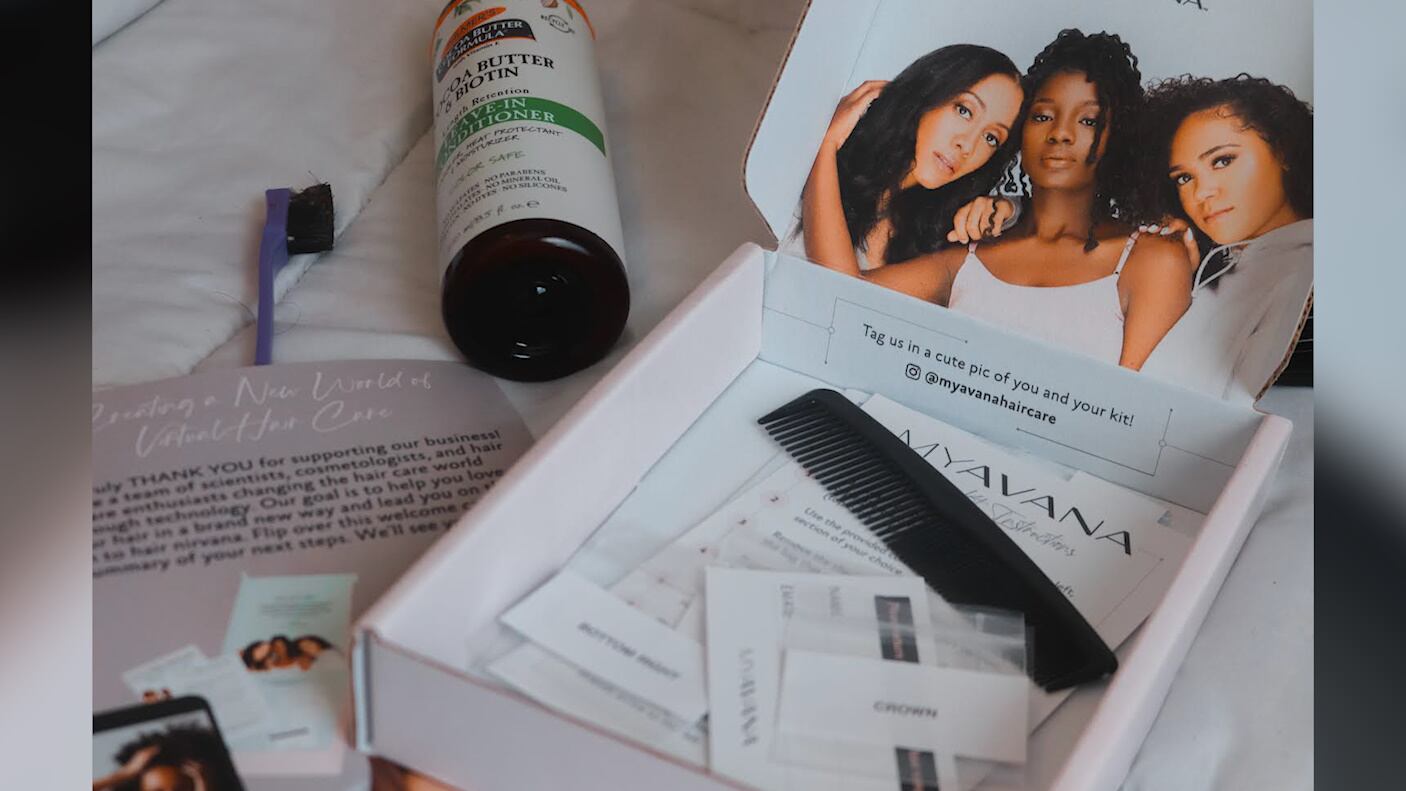
Candace Mitchell Harris discusses her path from computer scientist to founder of beauty tech tool MYAVANA – and how it uses A.I. to analyze each person’s unique haircare needs.
Michael Harris, NYSE global head of capital markets shares what to expect from IPOs in 2024, including A.I. excitement and why interest rate cuts are always helpful.
Lacy Garcia, Founder & CEO of Willow, shares why women, traditionally underserved by fintech, are looking for trust and a personal relationship from their financial advisor.
Alexander Reed, CFA and CIO for Envisage Wealth, breaks down why he thinks rates could stay higher for longer and why real estate, utilities, and regional banks are sectors to avoid.
Big brands that have relied on TikTok videos to reach younger consumers do not appear to be panicking as they wait to see what happens. But they have started planning.
It's been 15 years since the last fatal crash of a U.S. airliner, but you wouldn't know that from a torrent of flight problems that made news in the last three months.
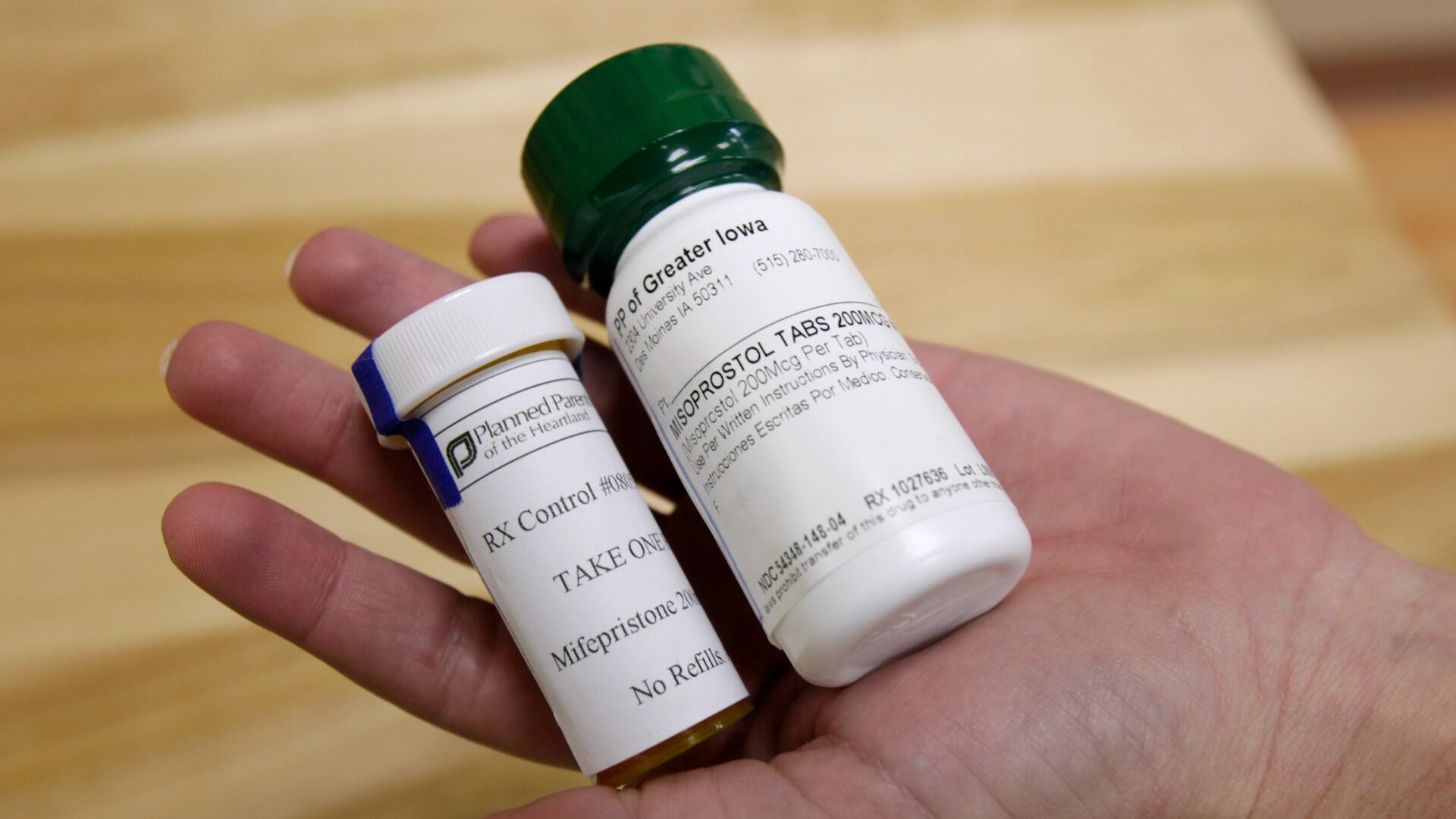
Abortion opponents want the high court to ratify a ruling from a conservative federal appeals court that would limit access to a medication called mifepristone, which was used in nearly two-thirds of abortions last year.
Annie Chechitelli, chief product officer at Turnitin, breaks down how students and teachers alike can learn from artificial intelligence – while still maintaining academic integrity.