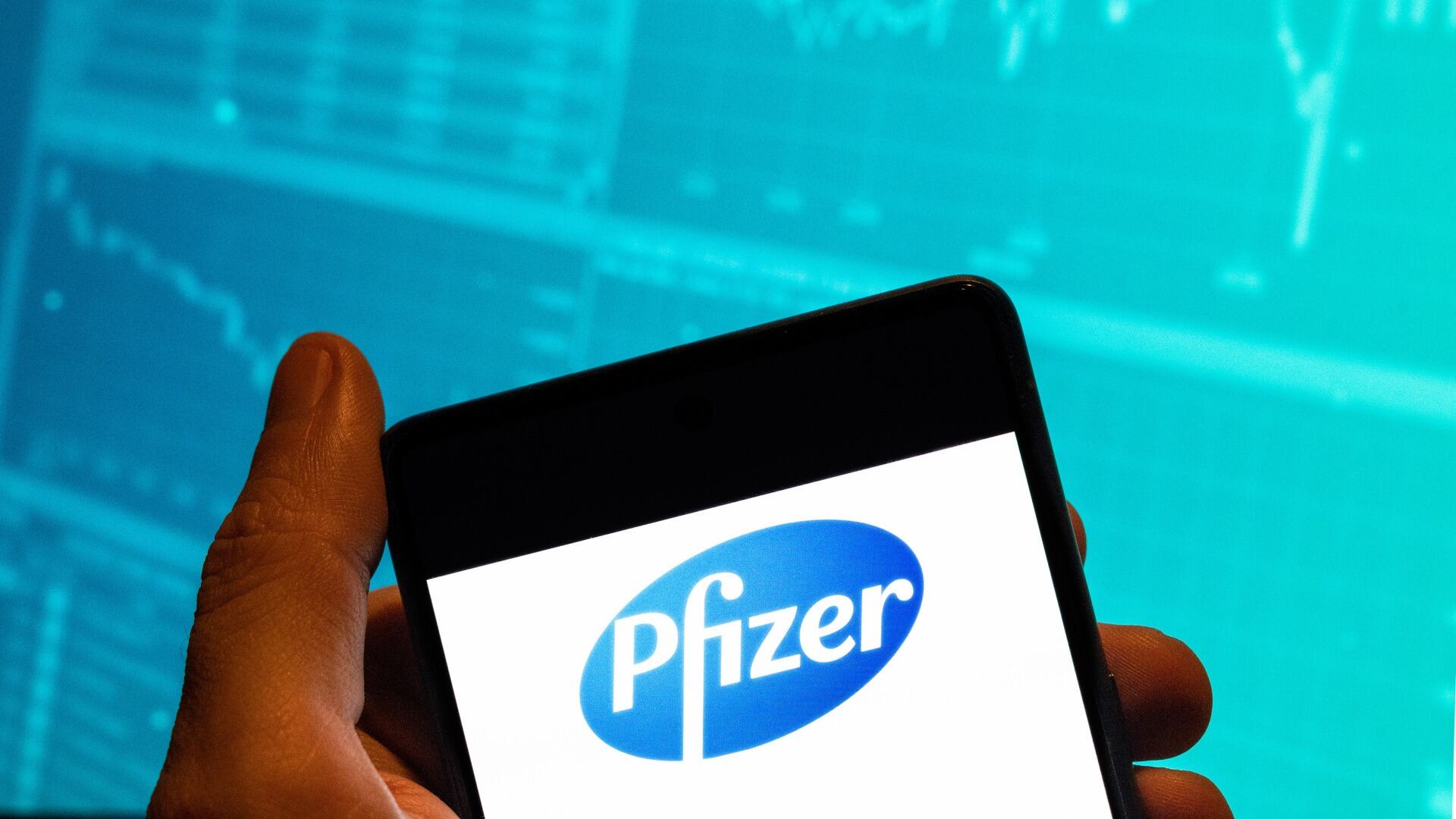
In this photo illustration, the American multinational pharmaceutical corporation Pfizer logo is seen displayed on a smartphone with an economic stock exchange index graph in the background. (Photo Illustration by Budrul Chukrut/SOPA Images/LightRocket via Getty Images)
Pfizer has entered a $43 billion merger agreement with biotechnology firm Seagen. The deal is designed to bolster the pharmaceutical giant's efforts to fight cancer by scaling up the production of a promising antibody drug.
“Pfizer is deploying its financial resources to advance the battle against cancer, a leading cause of death worldwide with a significant impact on public health,” said CEO Dr. Albert Bourla.
“Together, Pfizer and Seagen seek to accelerate the next generation of cancer breakthroughs and bring new solutions to patients by combining the power of Seagen’s antibody-drug conjugate (ADC) technology with the scale and strength of Pfizer’s capabilities and expertise."
ADCs are designed to kill cancer cells and limit off-target toxicities. Bourla noted that oncology is the "largest growth driver in global medicine," and that the deal would improve Pfzier's position in the space.
Seagen forecast $2.2 billion in revenue in 2023, up 12 percent from last year. Pfizer said the company could contribute $10 billion in risk-adjusted revenues by 2030. This would supplement the company's existing oncology division, which brought in $12 billion in revenue in 2022 with a combination of prostate cancer and the breast cancer treatments.
“Pfizer shares our steadfast commitment to patients, and this combination is a testament to the passion, dedication and talent of the Seagen team to achieve our mission to discover, develop, and commercialize transformative cancer medicines that make a meaningful difference in people’s lives,” said Seagan CEO David Epstein.
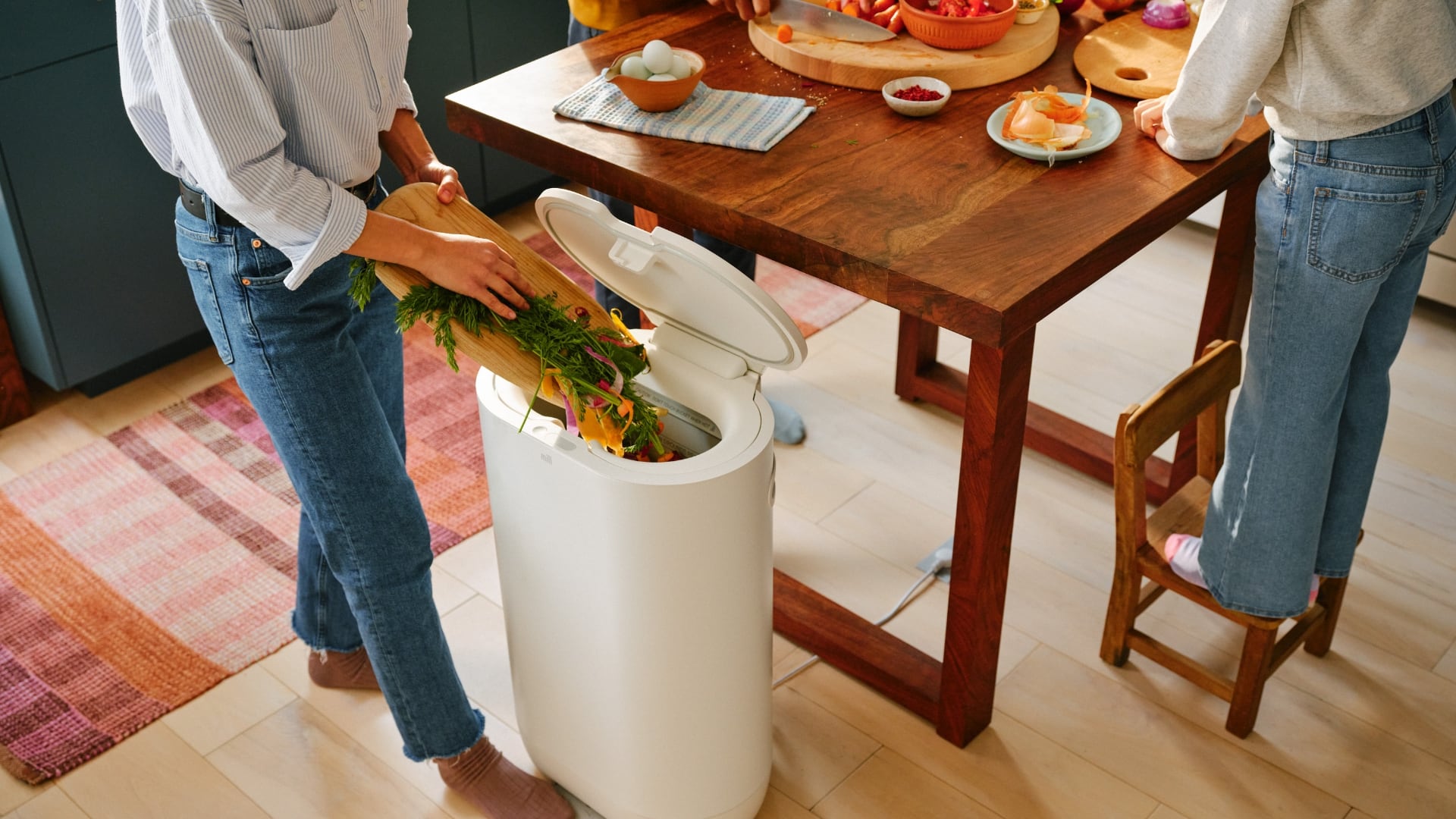
Food waste – uneaten scraps or leftovers sent to landfills – is responsible for 10% of global emissions. Mill, a new product from the co-founder of Nest, thinks technology can play a role in eliminating it.
By the time the 2024 election is over, be prepared to see some form of a recession – but this shouldn’t be as bad as what we experienced in 2020 or 2008.
International Master Alice Lee defeated grandmaster Irina Krush to win the American Cup – becoming one of the best women players in the world in the process – but she’s not stopping there.
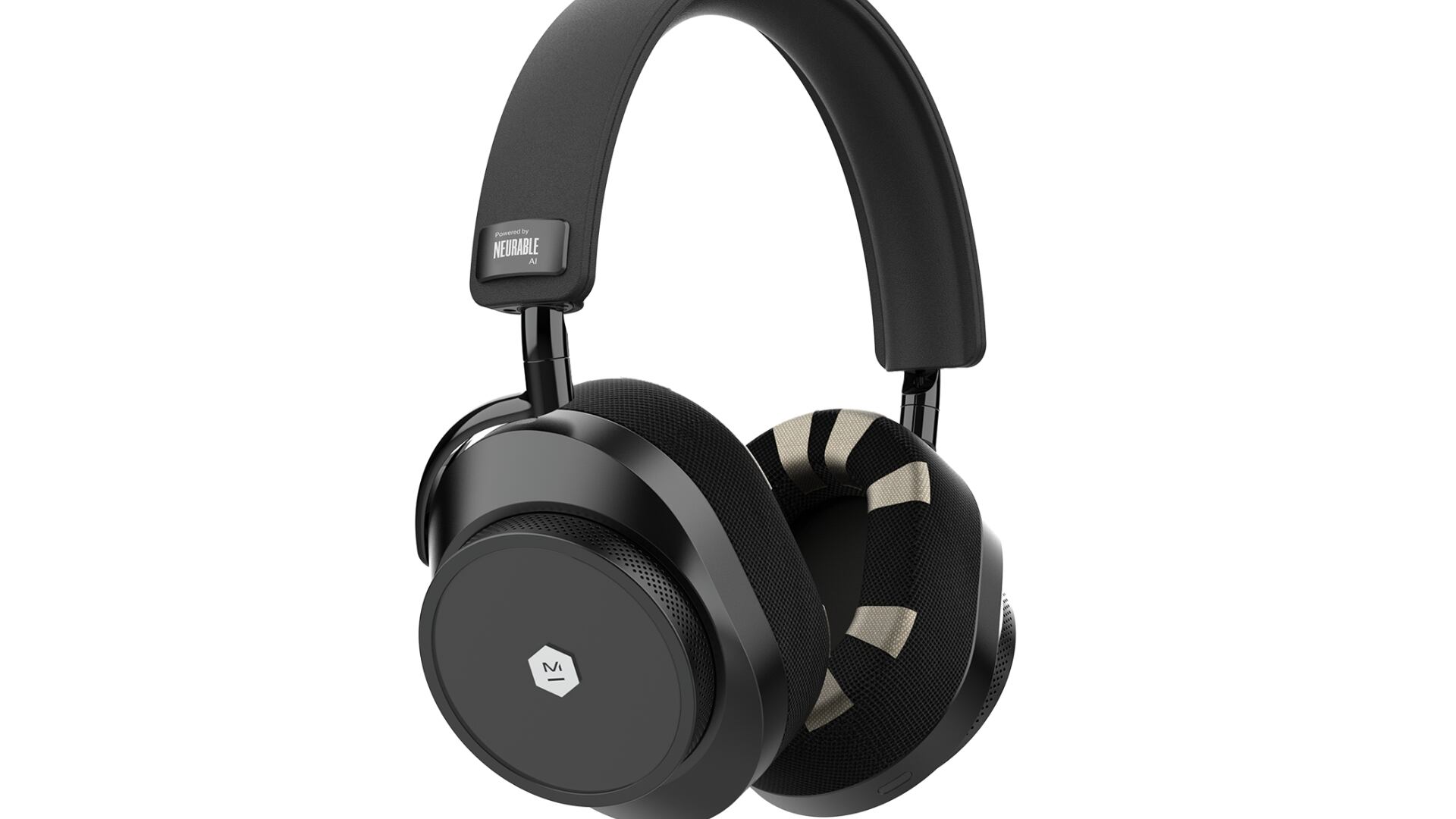
You can track your sleep habits or heart rate, but how about your brain? Neurable's MW75-Neuro headphones turn your focus and productivity into data you can use to avoid burnout – here's how they do it.
Whether it’s a deepfake video of actor Tom Cruise discovering gum in a lollipop or President Joe Biden discouraging people from voting via telephone, you’ve likely come across a deepfake video, photo or audio recording.
Tensions in the South China Sea, Apple moving to India, and banning TikTok? The podcast ‘Face Off: The U.S. Versus China’ helps explain how we got here.
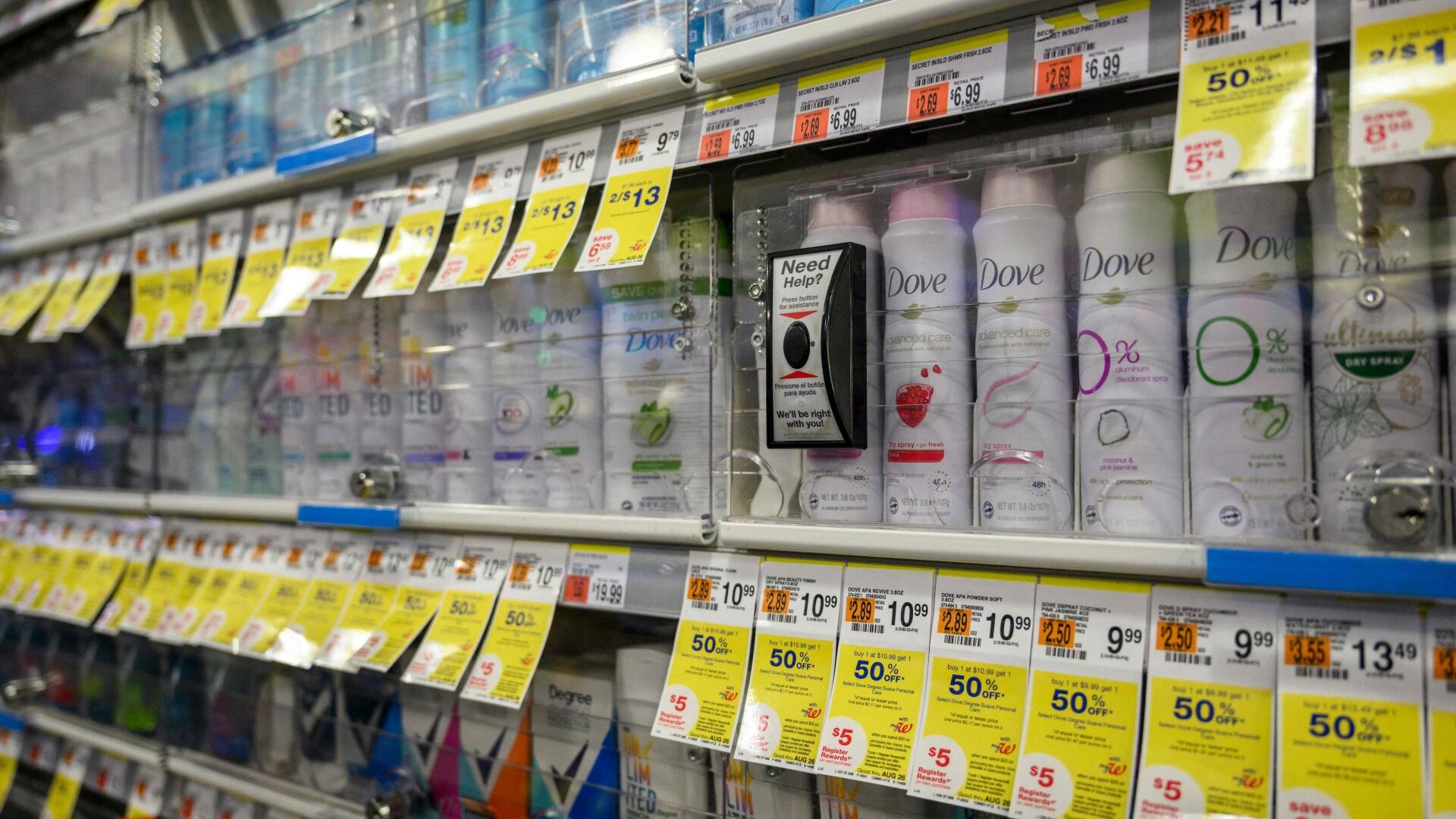
Cust2Mate is a leading innovator in retail technology, aiming to revolutionize the shopping experience. By implementing smart cart technology, the tech company addresses the issue of theft while enhancing the shopper's journey.