Two-liter bottles of soda and bags of chips are synonymous with game day. But when it comes to the Super Bowl, it's all business for snack food's biggest player.
"Over 90 percent of consumers are going to have snacks and beverages during the game, and most of them are going to be Pepsi-Co products," said Greg Lyons, CMO of PepsiCo Beverages North America.
The company, which owns Frito-Lay, produces 600 million pounds of snacks in the six weeks leading up to the NFL championship game, said Rachel Fernando, CMO of Frito-Lay North America.
"This is 20 percent of our annual production and the second biggest eating day after Thanksgiving," she said.
Ratcheting up the pressure is PepsiCo's long-held position as a top advertiser during the annual event and the sponsor of the much-scrutinized half-time show for the last nine years.
"We've got six different brands that we're advertising, each with their own spot. Then we've got the Pepsi Halftime Show, and we've got Gatorade all game on the sidelines," Lyons said.
While snack favorites like Doritos will return with fresh ads, Cheetos also is coming back after a nine-year hiatus from advertising at the Super Bowl, and Mountain Dew will be getting press for an ad inspired by Stanley Kubrick's The Shining that will promote Pepsi's new Zero Sugar line.
PepsiCo also announced earlier this month that it will give a free Pepsi Zero Sugar to everyone in the U.S. if the final score of either team ends in a zero.
The biggest change this year is PepsiCo's halftime show partnership with Roc Nation, the entertainment and sports representation company founded by Jay-Z in 2008, which helped secure both J-Lo and Shakira for the big performances.
CEO and founder of Pinstripes Dale Schwartz shares his thoughts on taking the company public, why they're set for growth this year, and why he's not concerned about inflation weighing on the restaurant sector.
With hype continuing to build for A.I. projects, expert insight on what companies seem poised to benefit, plus how it will impact the lives of everyday consumers.
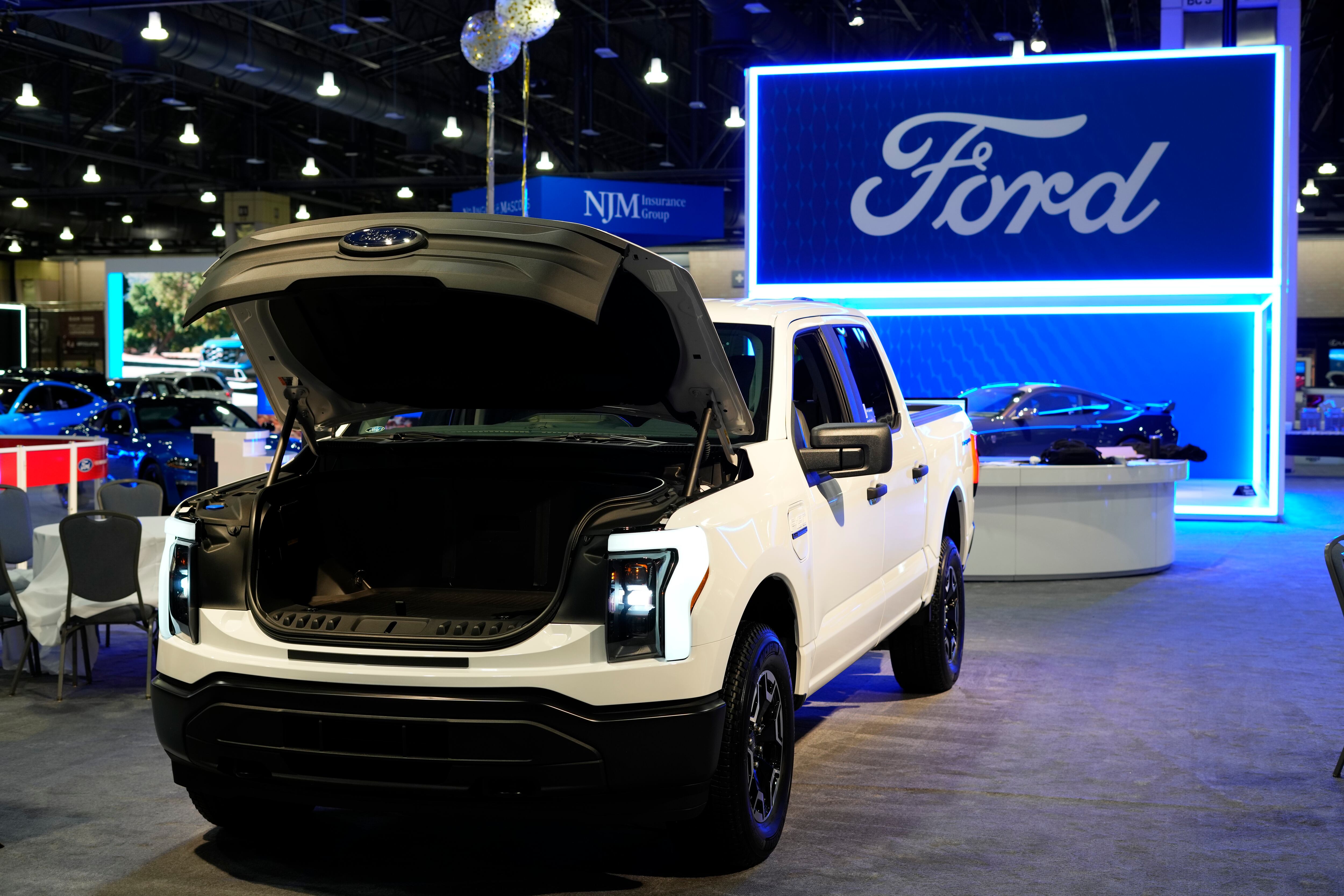
Ford says it’s reducing production of the F-150 Lightning electric pickup vehicle as it adjusts to weaker-than-expected electric vehicle sales growth. The automaker said about 1,400 workers will be impacted by the move.
Walmart Inc. is raising the starting base pay for store managers, while redesigning its bonus plan that will put more of an emphasis on profits for these leaders.
Despite concerns about shipping delays in the Red Sea, RSM Chief Economist Joe Brusuelas says there are still reasons to be optimistic about the state of the U.S. economy.
Dan Ives, Managing Director and Senior Equity Analyst at Wedbush Securities dives deeper into a report by the International Data Corporation (IDC) that Apple has ended Samsung's 12-year reign as the world's largest smartphone seller.
Artificial intelligence is the biggest buzzword at the World Economic Forum’s annual meeting in Davos. Advances in generative AI stunned the world last year, and the elite crowd is angling to take advantage of its promise and minimize its risks.
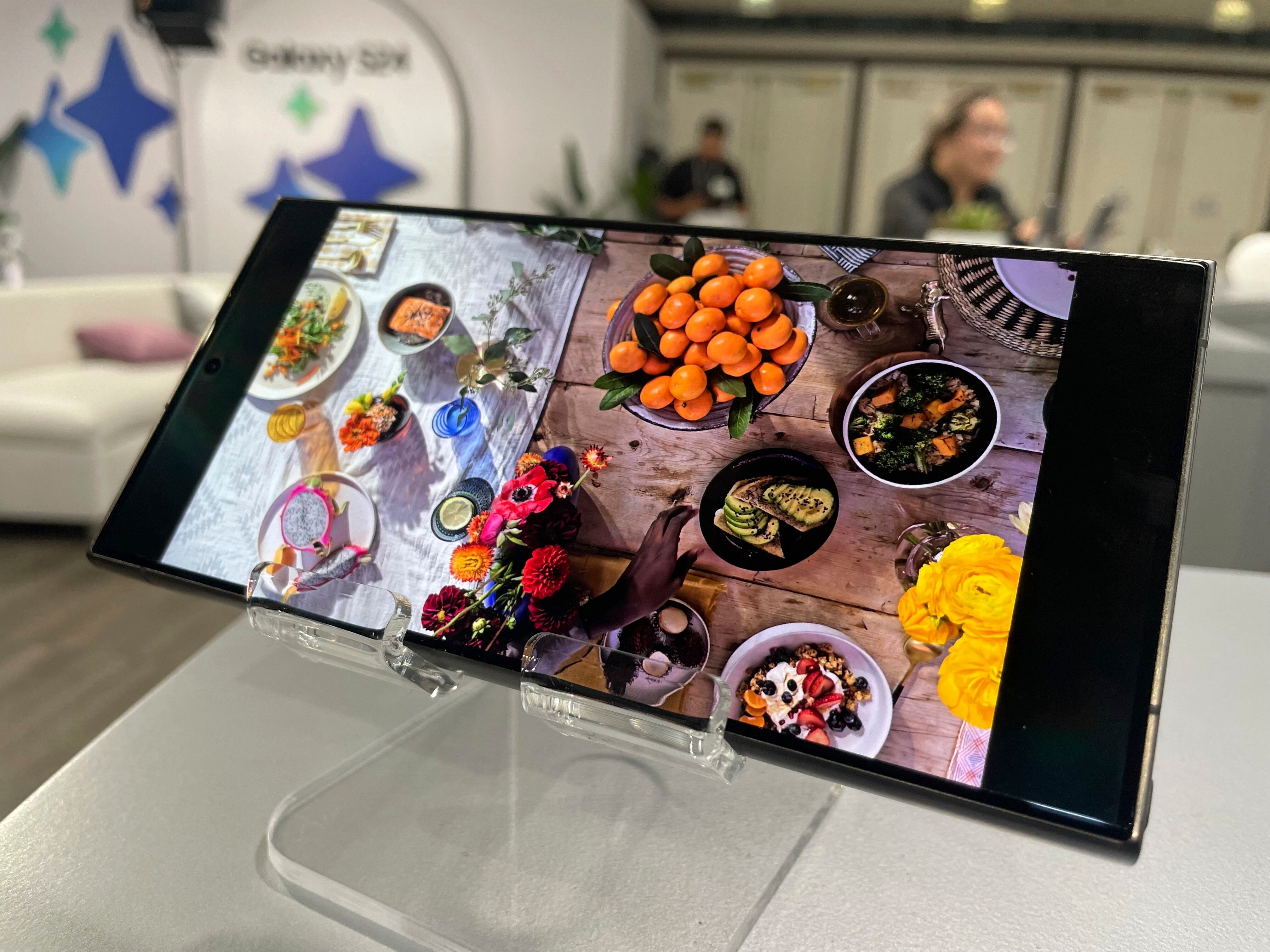
Smartphones could get much smarter this year as the next wave of artificial intelligence seeps into the devices that accompany people almost everywhere they go.