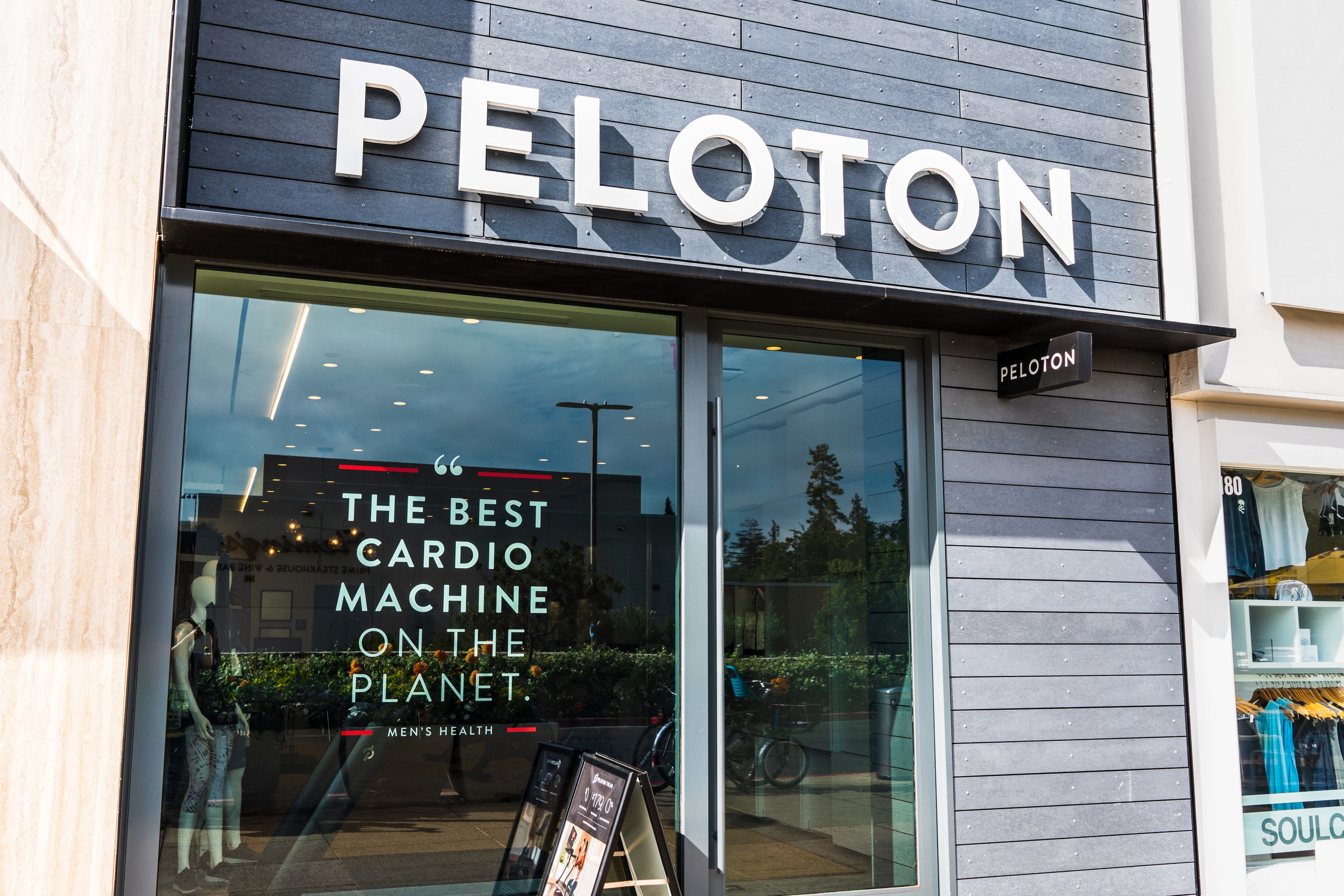
Peloton priced shares at $29 after the bell Wednesday, valuing the company at $8.06 billion as it prepares to make its public debut Thursday. That's at the high end of the original $26 to $29 price range Peloton was targeting. The company raised $1.16 billion in the offering.
Peloton is pitching itself to investors as more than just an at-home fitness company. With live and on-demand classes led by popular instructors, plus branded gear and clothing that members can flaunt in public, Peloton is hoping its cult-like following translates to a successful IPO.
Peloton boasts a loyal subscriber-base with over 1.4 million members that logged 55 million total workouts in fiscal 2019. In its S-1 filing, Peloton also said it had a 95 percent member retention rate which helped the company rake in $915 million in revenue. Most of that money came from sales of Peloton's high-margin and high-cost Connected Fitness Products.
The Peloton bike costs about $2,000 and its treadmill more than $4,000. The Connected Fitness Subscription, which allows members to stream classes for $39 a month, accounted for nearly 20 percent of Peloton's revenue for fiscal 2019.
Those classes are only getting more popular. Peloton says the average number of monthly workouts per connected subscriber has about doubled since the first quarter of 2017 to more than 12 workouts a month.
Still, losses for the company are widening. Peloton's annual net loss more than quintupled from $47.9 million in fiscal 2018 to $245.7 million in 2019. The company doesn't expect to achieve profitability in the near future.
Another reason that may give investors pause, Peloton is currently facing a $300 million lawsuit over the use of music streamed in its classes. The National Music Publisher's Association claims tracks from big-time artists like Taylor Swift, Adele, and the Beatles, have been used unlawfully. Peloton has spent $50.6 million on music licensing over the last three years.
Peloton will start trading Thursday on the Nasdaq Exchange under the ticker symbol PTON.
Gregg Renfrew, founder and CEO of Beautycounter, joins Cheddar News to discuss the company's CEW nominated product 'Beyond Gloss.' Renfrew also discussed the company's holistic approach to sourcing its ingredients.
Mo Gawdat, author of 'Scary Smart: The Future of Artificial Intelligence and How You Can Save Our World' joins Cheddar News to discuss his book that dives into the future of AI.
Cheddar News' Closing Bell featured some of the day's biggest market movers. Today's stock standouts were four companies reporting their latest quarterly results: Facebook, UPS, Google parent company Alphabet, and Robinhood.
Garrett Nelson, Senior Analyst & VP of Equity Research at CFRA Research, discusses the significance of a major purchase deal for both Hertz and Telsa, and highlights what this means for the future of the auto rental market.
Chuck Lieberman, Partner and CIO at Advisors Capital Management, joins Cheddar News' Closing Bell, where he provides his insights on what we've seen during earnings season thus far and breaks down Microsoft's latest figures as the tech giant reports its quarterly earnings.
DraftKings is walking away from a deal to buy Entain, a major company in the international gambling industry, for $22.4 billion. The deal reportedly fell through after the companies could not come to agreements about BetMGM, the exclusive sports betting division of MGM, and a joint venture between MGM resorts and Entain. Sportico sports business reporter Eben Novy-Williams joined Cheddar Nws' Closing Bell to discuss.
Mark Wagman, Managing Director at MediaLink, joins Cheddar News' Closing Bell to discuss the impact of Apple's iOS security change on fellow big tech companies Facebook, Snap, and Twitter. Apple now lets iOS users opt-out of cross-app data tracking - which hurt Facebook and Snap's advertising revenue in the third quarter.
Facebook has dominated the headlines over the past week. The social media giant reported earnings on Monday, has been in the crosshairs of lawmakers and is now expected to rebrand itself as it gears up for what it calls the metaverse. Daniel Newman, Founder & Principal Analyst at Futurum Research, joins Cheddar News' Closing Bell where he discusses what we should expect to see ultimately unfold.
Amalgamated Bank is the first U.S. bank to publish science-based targets to reach net-zero greenhouse gas emissions by 2045. The bank says it will reach this goal through how it engages with customers and how it finances projects. Amalgamated Bank Chief Sustainability Officer Ivan Frishberg joined Cheddar Climate to provide more details about the bank's ambitious climate goals.
After years of dodging Congressional hearings about accusations that they have lied to the public about climate change and spread disinformation, executives from big oil companies are set to testify Thursday before a House committee. Maxine Joselow, anchor of the Washington Post's Climate 202 newsletter, joins Cheddar Climate to preview what we might hear from big oil executives, who will be testifying, and whether or not big oil companies will continue to commit to their small, climate-focused initiatives.