Peloton priced shares at $29 after the bell Wednesday, valuing the company at $8.06 billion as it prepares to make its public debut Thursday. That's at the high end of the original $26 to $29 price range Peloton was targeting. The company raised $1.16 billion in the offering.
Peloton is pitching itself to investors as more than just an at-home fitness company. With live and on-demand classes led by popular instructors, plus branded gear and clothing that members can flaunt in public, Peloton is hoping its cult-like following translates to a successful IPO.
Peloton boasts a loyal subscriber-base with over 1.4 million members that logged 55 million total workouts in fiscal 2019. In its S-1 filing, Peloton also said it had a 95 percent member retention rate which helped the company rake in $915 million in revenue. Most of that money came from sales of Peloton's high-margin and high-cost Connected Fitness Products.
The Peloton bike costs about $2,000 and its treadmill more than $4,000. The Connected Fitness Subscription, which allows members to stream classes for $39 a month, accounted for nearly 20 percent of Peloton's revenue for fiscal 2019.
Those classes are only getting more popular. Peloton says the average number of monthly workouts per connected subscriber has about doubled since the first quarter of 2017 to more than 12 workouts a month.
Still, losses for the company are widening. Peloton's annual net loss more than quintupled from $47.9 million in fiscal 2018 to $245.7 million in 2019. The company doesn't expect to achieve profitability in the near future.
Another reason that may give investors pause, Peloton is currently facing a $300 million lawsuit over the use of music streamed in its classes. The National Music Publisher's Association claims tracks from big-time artists like Taylor Swift, Adele, and the Beatles, have been used unlawfully. Peloton has spent $50.6 million on music licensing over the last three years.
Peloton will start trading Thursday on the Nasdaq Exchange under the ticker symbol PTON.
Christian Kroll, CEO of Ecosia, joins 'Fast Forward' to discuss how Ecosia uses its ad revenue to plant trees, and what the company plans to do after launching a $405 million venture capital fund focused on combating the climate crisis.
Guy Hirsch, USA managing director and head of NFT at eToro, joined Cheddar to discuss the evolution of bitcoin into the mainstream 13 years after the white paper from the presumed pseudonym Satoshi Nakamoto was published. Hirsch said there were several groundbreaking moments for the cryptocurrency, starting with the financial crisis of 2008, noting that people began seeking a solution to protect wealth, and bitcoin "gave people the confidence that it is an immutable ledger that no one can really hack or interfere with."
Visa CFO Vasant Prabhu, joined Cheddar's "Closing Bell" to talk about the financial service company's prediction that a full economic recovery from the pandemic won't happen until summer 2023 based on travel-related sources. Prabhu noted that a big question mark for the recovery is when Asia reopens for travel but "anything's possible" and the recovery could still end up going faster than anticipated.
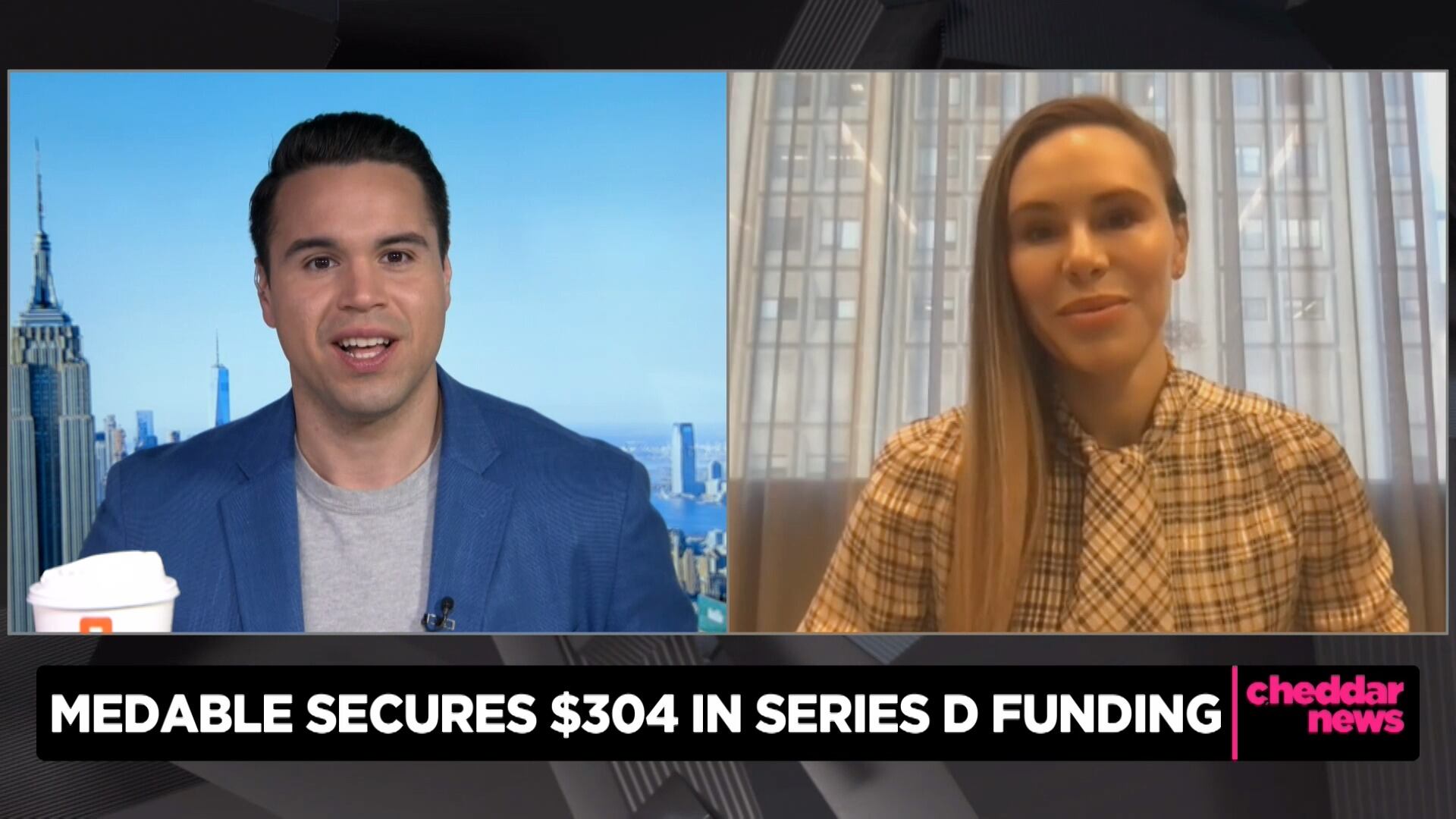
Clinical research company Medable has secured $304 million in Series D funding, marking its fourth round since 2020, giving the firm a valuation of just over $2 billion. Dr. Michelle Longmire, CEO and Co-founder, Medable joined Cheddar's Opening Bell to discuss the future of the company.
House Democrats are scrambling to hold a vote as soon as Tuesday on President Joe Biden's economic agenda — both the $1 trillion bipartisan infrastructure bill and the $1.85 trillion social safety net and climate bill. With Biden still overseas, the bill stands in flux. Jennifer Haberkorn, congressional reporter at the Los Angeles Times, joined Cheddar's "Opening Bell" to discuss.
Sportradar, a global sports data company, announced it will serve as UEFA’s exclusive authorized collector and distributor of data for betting purposes. The agreement covers 1,550 matches from the 2021-2022 season through to the end of the 2023-2024 season across all UEFA properties in Europe. Sportradar CEO Carsten Koerl joined Cheddar to provide additional details on the landmark partnership and some insight into the future of sports betting.
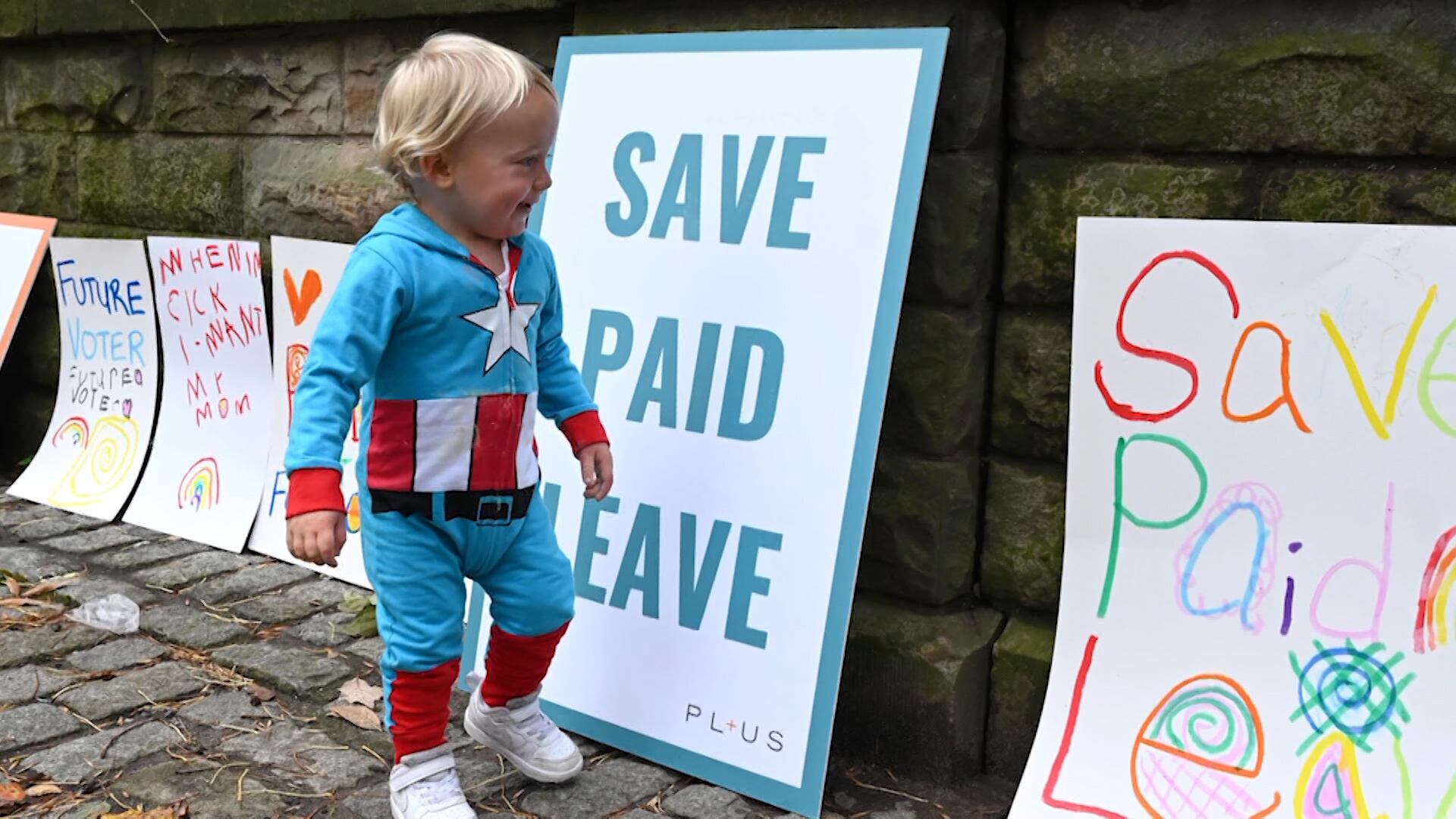
Lauren Brody, author of "The Fifth Trimester," joined Cheddar to talk about the ongoing fight for a national paid family leave policy after it was cut from the Democratic reconciliation bill negotiation reportedly due to objections from Senator Manchin. Brody discussed how parents are often forced to choose between work and caring for their family and newborns — or even taking time to deal with a traumatic loss. "Frankly, it's appalling to me that we live in a place that doesn't support people who have experienced the death of a baby and then had to go right back to work," she noted.