Peloton priced shares at $29 after the bell Wednesday, valuing the company at $8.06 billion as it prepares to make its public debut Thursday. That's at the high end of the original $26 to $29 price range Peloton was targeting. The company raised $1.16 billion in the offering.
Peloton is pitching itself to investors as more than just an at-home fitness company. With live and on-demand classes led by popular instructors, plus branded gear and clothing that members can flaunt in public, Peloton is hoping its cult-like following translates to a successful IPO.
Peloton boasts a loyal subscriber-base with over 1.4 million members that logged 55 million total workouts in fiscal 2019. In its S-1 filing, Peloton also said it had a 95 percent member retention rate which helped the company rake in $915 million in revenue. Most of that money came from sales of Peloton's high-margin and high-cost Connected Fitness Products.
The Peloton bike costs about $2,000 and its treadmill more than $4,000. The Connected Fitness Subscription, which allows members to stream classes for $39 a month, accounted for nearly 20 percent of Peloton's revenue for fiscal 2019.
Those classes are only getting more popular. Peloton says the average number of monthly workouts per connected subscriber has about doubled since the first quarter of 2017 to more than 12 workouts a month.
Still, losses for the company are widening. Peloton's annual net loss more than quintupled from $47.9 million in fiscal 2018 to $245.7 million in 2019. The company doesn't expect to achieve profitability in the near future.
Another reason that may give investors pause, Peloton is currently facing a $300 million lawsuit over the use of music streamed in its classes. The National Music Publisher's Association claims tracks from big-time artists like Taylor Swift, Adele, and the Beatles, have been used unlawfully. Peloton has spent $50.6 million on music licensing over the last three years.
Peloton will start trading Thursday on the Nasdaq Exchange under the ticker symbol PTON.
This November, Philips Norelco is partnering with Movember® in the United States and Canada to urge men to tackle health issues that are right under their noses. Brett Bardsley, Category Leader, Philips Grooming & Beauty, and Dr. Jake Taylor MD, MPH, Chief Urology Resident at NYU Langone Health, join None of the Above to break down how this partnership is more than just growing & grooming a Mo all month long, what men should know about their own mental and physical well-being, and the impact Philips continues to have as a global health technology company supporting men’s health programming and delivering meaningful innovations.
Learn more about how to get involved at Philips.com/Movember
Stocks fell into the red on Wednesday after new data heightened fears over inflation. Vince Lorusso, Co-Founder and portfolio manager at Changebridge Capital, joins Cheddar News' Closing Bell where he says recent history suggests investors to buy the dips.
Food delivery giant DoorDash is acquiring European food delivery company Wolt. The all-stock deal is valued at $8.1 billion and is expected to close in the first half of 2022. The companies say they share a mission to build a global delivery platform. Gerber Kawasaki investment advisor Eva Agi joins Cheddar News' Closing Bell to discuss what the deal means for Doordash, as well as its customers and investors.
Identity verification startup Socure recently raised $450 million dollars in a series E round, bringing the company's valuation to $4.5 billion. Socure says it is now the highest-valued private company in the identity verification space, and that the funds will be used to accelerate its mission to verify 100% of good identities and eliminate identity fraud across all industries. Socure Founder and CEO Johnny Ayers joins Cheddar News' Closing Bell to discuss.
On Tuesday, an Oklahoma court overturned a ruling in a case against Johnson & Johnson for liability in the opioid crisis, and on Wednesday a North Carolina judge put a pause on the thousands of lawsuits accusing the company's baby powder product of containing cancer-causing asbestos. Elizabeth Burch, a professor at the University of Georgia school of law, joined Cheddar to break down the legal results that the pharmaceutical giant had long been hoping to get.
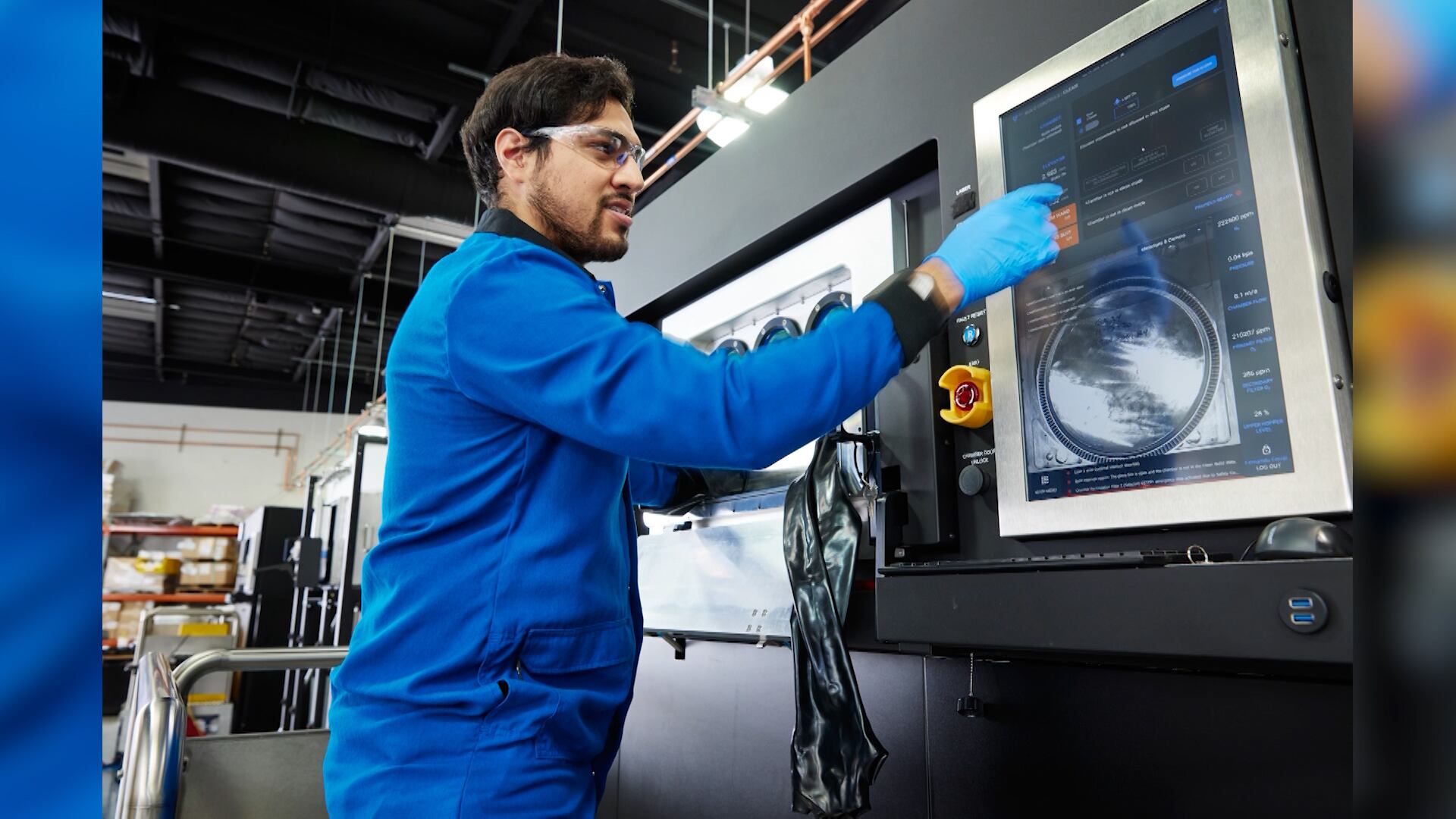
3D printing company Velo3D released its first earnings report since going public in September. CEO and co-founder Benny Buller joined Cheddar to discuss the company's bottom line miss while noting he expects revenue for the year will hit $26 million. Buller also expressed optimism about the company achieving $89 million in revenue in 2022.
Wheels Up CEO Kenny Dichter talked to Cheddar about the aviation company's Q3 earnings report, the increase in memberships, and rising fuel costs. He attributed some of the increase in the number of members and rising revenue to lingering concerns about commercial flying amid the pandemic and noted that legacy members have used the service more frequently than in previous years. Dichter also explained that a rise in pricing is planned for December.
With more companies offering employees flexibility in work schedules, Airbnb is looking to accommodate flexible travel plans. Chief Strategy Officer Nathan Blecharczyk joined Cheddar to discuss the growing trend of people staying in Airbnbs for longer periods of time. "In December over the holidays, in North America, we are seeing a 68 percent increase in the demand for month-long stays relative to years past," he said.
Asad Hussain, lead mobility analyst at data company PitchBook, joined Cheddar to discuss the blockbuster Rivian IPO. The electric truck maker's valuation jumped to more than $90 billion, signaling progress in the "multi-decade transformation in mobility," according to Hussain. He noted that electric automakers like Rivian, Tesla, and Lucid, will continue to lead electrification in being free to innovate and lacking the legacy issues facing traditional, combustion engine carmakers.