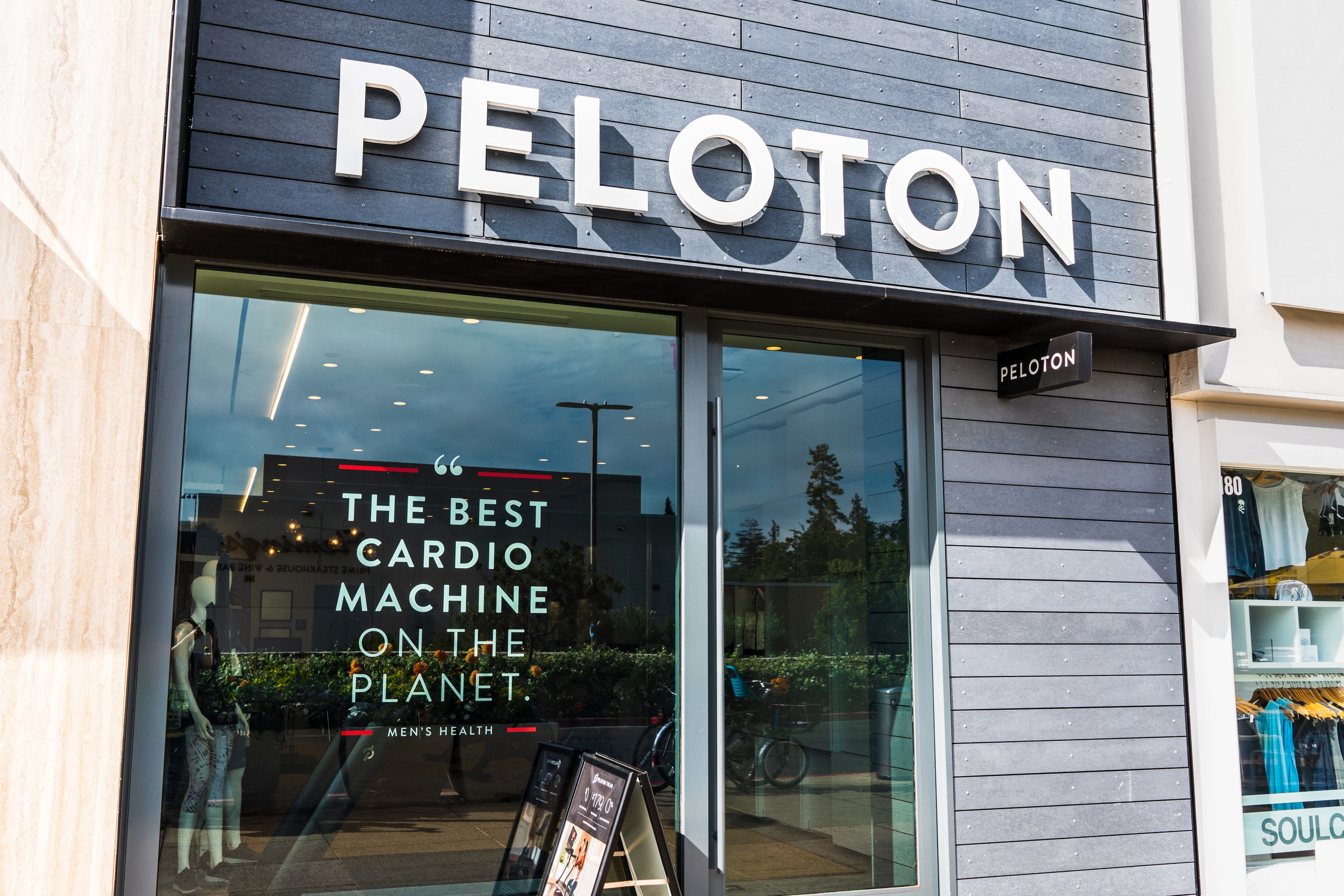
Peloton priced shares at $29 after the bell Wednesday, valuing the company at $8.06 billion as it prepares to make its public debut Thursday. That's at the high end of the original $26 to $29 price range Peloton was targeting. The company raised $1.16 billion in the offering.
Peloton is pitching itself to investors as more than just an at-home fitness company. With live and on-demand classes led by popular instructors, plus branded gear and clothing that members can flaunt in public, Peloton is hoping its cult-like following translates to a successful IPO.
Peloton boasts a loyal subscriber-base with over 1.4 million members that logged 55 million total workouts in fiscal 2019. In its S-1 filing, Peloton also said it had a 95 percent member retention rate which helped the company rake in $915 million in revenue. Most of that money came from sales of Peloton's high-margin and high-cost Connected Fitness Products.
The Peloton bike costs about $2,000 and its treadmill more than $4,000. The Connected Fitness Subscription, which allows members to stream classes for $39 a month, accounted for nearly 20 percent of Peloton's revenue for fiscal 2019.
Those classes are only getting more popular. Peloton says the average number of monthly workouts per connected subscriber has about doubled since the first quarter of 2017 to more than 12 workouts a month.
Still, losses for the company are widening. Peloton's annual net loss more than quintupled from $47.9 million in fiscal 2018 to $245.7 million in 2019. The company doesn't expect to achieve profitability in the near future.
Another reason that may give investors pause, Peloton is currently facing a $300 million lawsuit over the use of music streamed in its classes. The National Music Publisher's Association claims tracks from big-time artists like Taylor Swift, Adele, and the Beatles, have been used unlawfully. Peloton has spent $50.6 million on music licensing over the last three years.
Peloton will start trading Thursday on the Nasdaq Exchange under the ticker symbol PTON.
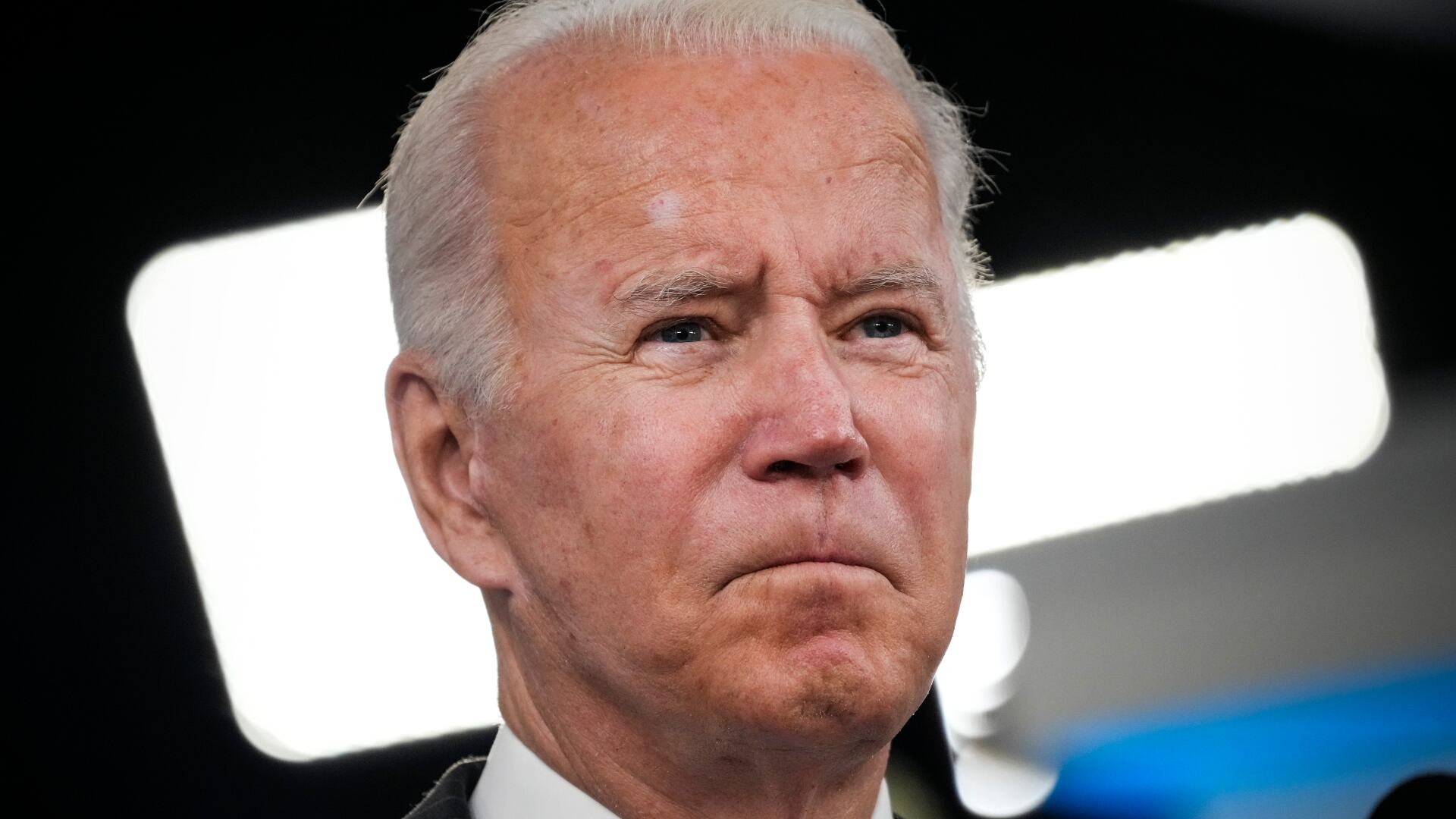
President Joe Biden signed into law today his landmark $1.2 trillion infrastructure bill, and it includes approximately $550 billion in new funding for increased broadband access, improving the power grid, and more. But what does this mean for the American economy, and American workers? Eliza Collins, Politics Reporter at The Wall Street Journal joins Cheddar News' Closing Bell to discuss what's included in the bill, which former mayor has been tapped to oversee how the bill is implemented, and how these new infrastructure investments will impact the economy.
It's been a job hunters market of late, as a mass resignation amid the pandemic has added to millions of openings across businesses. ZipRecruiter co-founder and CEO Ian Siegel explained what people currently are looking for in the labor market. "Survey after survey after survey, whether it's on ZipRecruiter or it's a third-party source, is telling us the same piece of information: over half of job seekers right now are looking for work that is either fully remote or hybrid," he said. "They got a real taste of it during COVID, and they liked it a lot. It's the number one perk that's being requested and you can already see employers starting to shift in that direction."
Celebrity butcher and the third-generation owner of Pat LaFrieda Meat Purveyors, Pat LaFrieda, joined Cheddar to dive into the rapid price surges for beef, poultry, fish, and eggs dubbed a "meatflation" by Bloomberg. LaFrieda noted that the increases were being accelerated by high fuel prices and a shortage of labor like truck drivers. However, he did express some hope that the post-holidays/pre-barbecue season lull in the meat sales market will help reset the market.
Booking.com has unveiled a first-of-its-kind sustainable travel designation for properties that might be on the itinerary of a climate-conscious traveler. CEO Glenn Fogel explained to Cheddar the key metrics a location has to achieve to earn a sustainability badge. Waste handling, energy and greenhouse gases, water usage, local community support, and protection of nature were the five top areas of concern he addressed, with an additional subset of 32 measures that properties can implement.
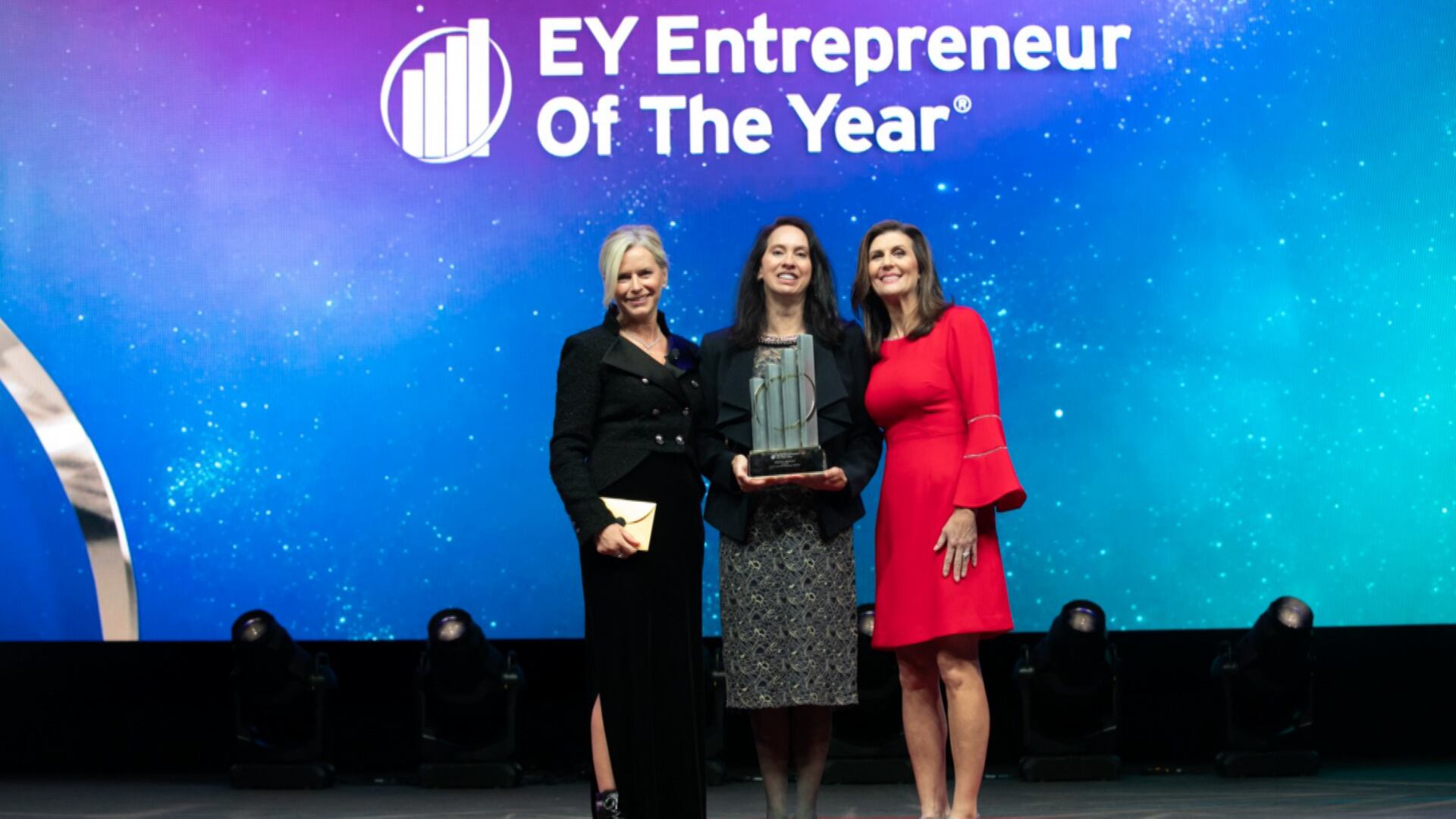
November is National Entrepreneurship Month. Sam Johnson, EY Americas Vice Chair of Markets and Accounts, joins Cheddar to discuss the winner for EY's National Entrepreneur of The Year award, why entrepreneurship is so important to the U.S. economy, and how entrepreneurs can contribute to the growth and success of Fortun 500 companies.
Jill and Carlo cover the latest with the infrastructure bill, the growing state rebellion over boosters, Trump's dereliction of duty on the pandemic, Taylor Swift's reign of cultural domination and more.