Peloton priced shares at $29 after the bell Wednesday, valuing the company at $8.06 billion as it prepares to make its public debut Thursday. That's at the high end of the original $26 to $29 price range Peloton was targeting. The company raised $1.16 billion in the offering.
Peloton is pitching itself to investors as more than just an at-home fitness company. With live and on-demand classes led by popular instructors, plus branded gear and clothing that members can flaunt in public, Peloton is hoping its cult-like following translates to a successful IPO.
Peloton boasts a loyal subscriber-base with over 1.4 million members that logged 55 million total workouts in fiscal 2019. In its S-1 filing, Peloton also said it had a 95 percent member retention rate which helped the company rake in $915 million in revenue. Most of that money came from sales of Peloton's high-margin and high-cost Connected Fitness Products.
The Peloton bike costs about $2,000 and its treadmill more than $4,000. The Connected Fitness Subscription, which allows members to stream classes for $39 a month, accounted for nearly 20 percent of Peloton's revenue for fiscal 2019.
Those classes are only getting more popular. Peloton says the average number of monthly workouts per connected subscriber has about doubled since the first quarter of 2017 to more than 12 workouts a month.
Still, losses for the company are widening. Peloton's annual net loss more than quintupled from $47.9 million in fiscal 2018 to $245.7 million in 2019. The company doesn't expect to achieve profitability in the near future.
Another reason that may give investors pause, Peloton is currently facing a $300 million lawsuit over the use of music streamed in its classes. The National Music Publisher's Association claims tracks from big-time artists like Taylor Swift, Adele, and the Beatles, have been used unlawfully. Peloton has spent $50.6 million on music licensing over the last three years.
Peloton will start trading Thursday on the Nasdaq Exchange under the ticker symbol PTON.
Jack Dorsey is stepping down as CEO of Twitter. In a statement, he says he is leaving because the company is ready to move on from its founders. Twitter's chief technology office Parag Agrawal will take over as CEO. Ian Sherr, editor at large at CNET, joins Cheddar News to talk about the announcement.
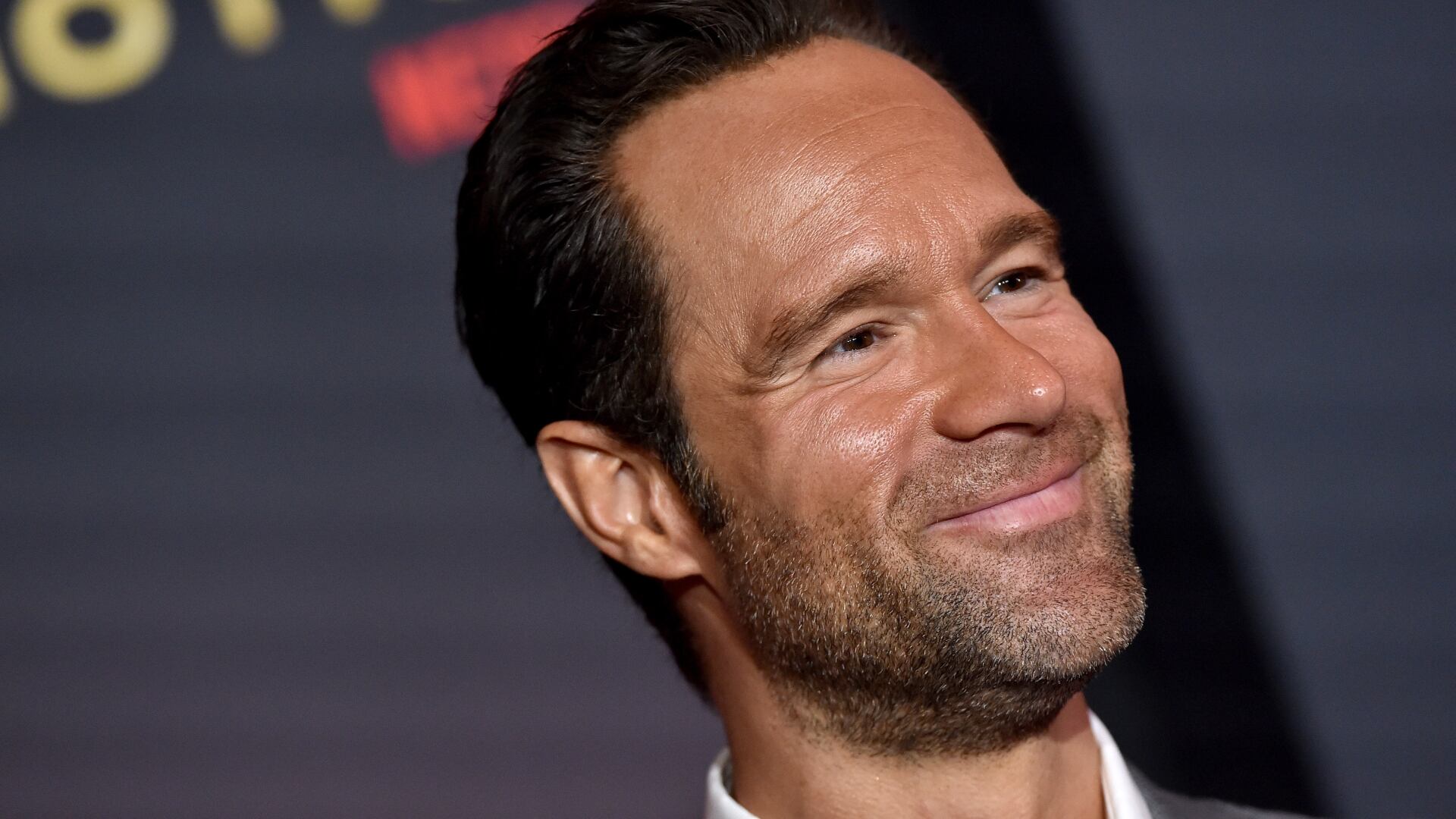
Actor Chris Diamantopolous joined Cheddar's "Between Bells" to talk about his new Netflix movie "Red Notice," starring alongside Ryan Reynolds, Dwayne Johnson, and Gal Gadot, and the massive success it has seen since its release. Diamantopoulos discussed what it was like stepping into the role of the villain, being able to play a character so different from himself in real life. He also talked about playing a heavy in another hit Netflix production, "True Story," and what it was like working with Kevin Hart and Wesley Snipes.
Michelle Holder, president of the Washington Center for Equitable Growth and a labor economist at John Jay College joins Cheddar News to discuss the October jobs report.
If your kid was on Santa's "nice list" this year, maybe you're willing to shell out $1,900 for Tesla's new Cyberquad. The automaker's all-electric ATV for children 8 years old and up is available to order now and is expected to begin shipping in two to four weeks.
Grab, a Southeast Asia-based ride sharing, e-wallet, and delivery service, made its public debut on the Nasdaq via SPAC merger. CFO Peter Oey joined Cheddar's Brad Smith to talk about the IPO and why it was an ideal time for the company to go public. Oey noted that while Grab operates in 465 cities in eight Southeast Asian countries, there is still more opportunity to grow and expand while balancing profitability and growth.
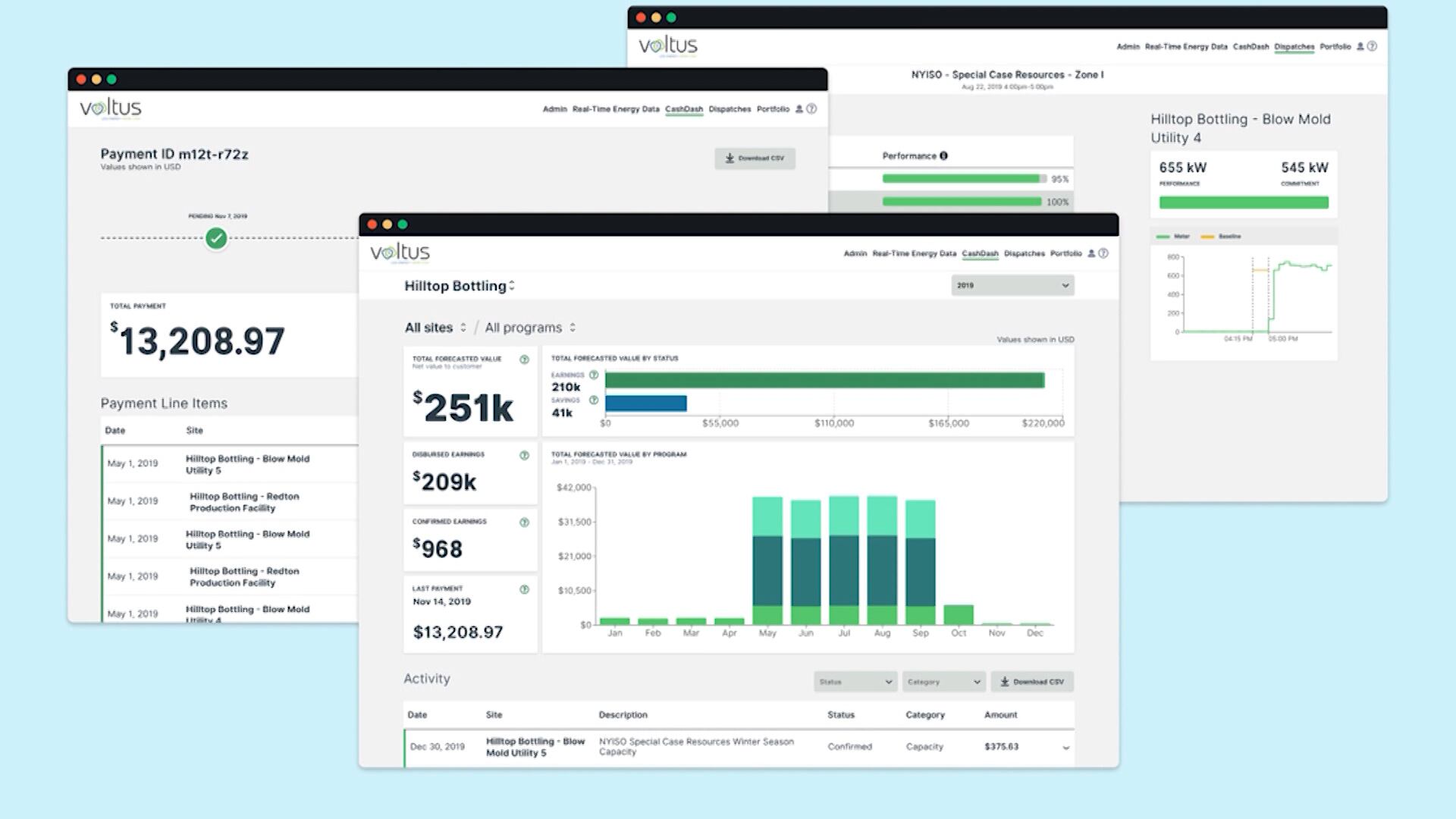
Voltus is going public by combining with a special purpose acquisition company, Broadscale Acquisition Corp., in a deal that values the electricity market technology startup at about $1.3 billion dollars. The company aims to deliver less expensive, more reliable, and more sustainable electricity to its more than 600 customers, including Home Depot, Coca-Cola, and Simon Property Group. Gregg Dixon, co-founder and CEO of Voltus and Andrew Shapiro, chairman and CEO of Broadscale Acquisition Corp., joined Cheddar News to discuss the deal.
Fintech company Square, led by the now-former Twitter CEO Jack Dorsey, will undergo a name change to Block as it expands its product offerings and goes beyond just a payment processing platform into blockchain and crypto spaces.