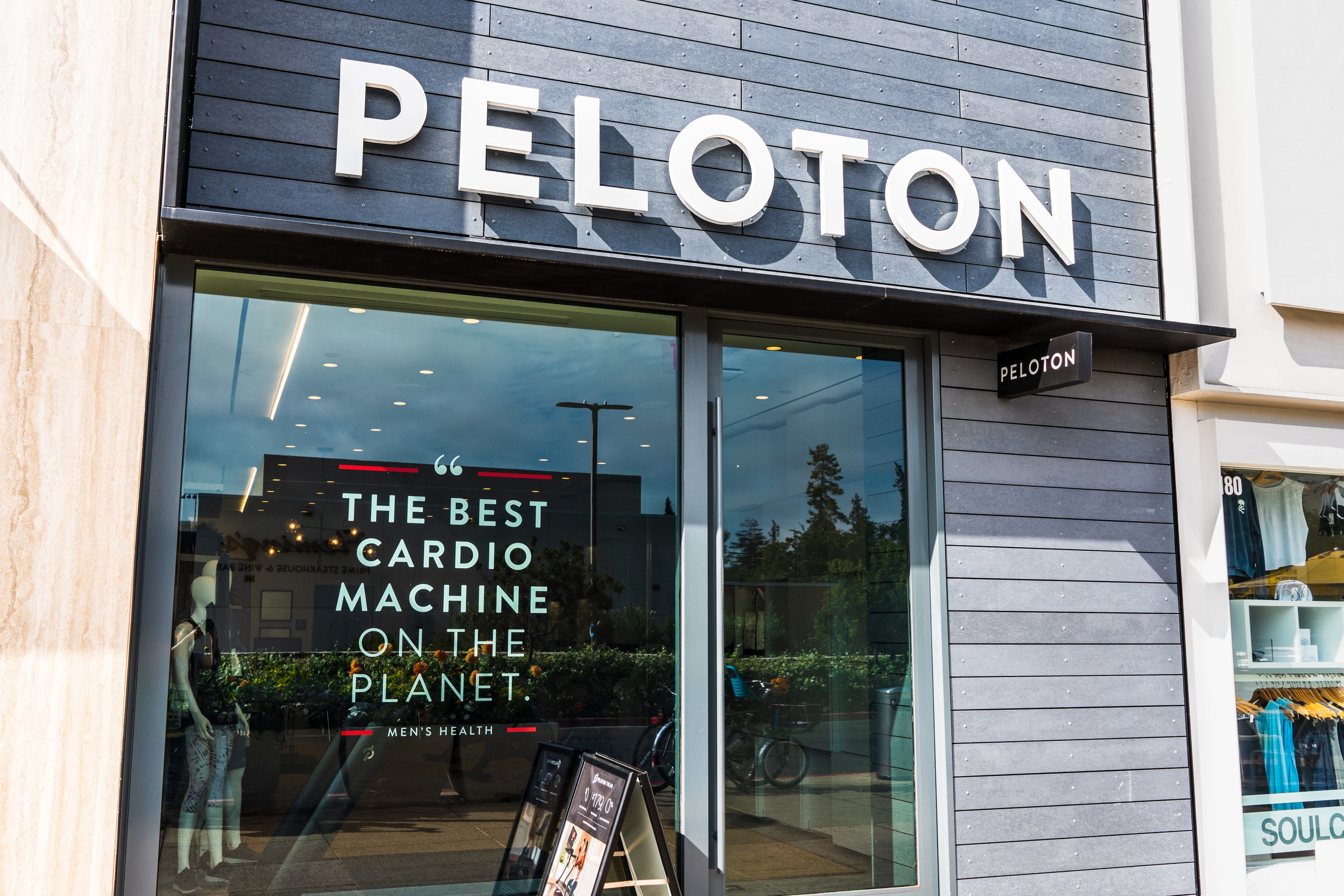
Peloton priced shares at $29 after the bell Wednesday, valuing the company at $8.06 billion as it prepares to make its public debut Thursday. That's at the high end of the original $26 to $29 price range Peloton was targeting. The company raised $1.16 billion in the offering.
Peloton is pitching itself to investors as more than just an at-home fitness company. With live and on-demand classes led by popular instructors, plus branded gear and clothing that members can flaunt in public, Peloton is hoping its cult-like following translates to a successful IPO.
Peloton boasts a loyal subscriber-base with over 1.4 million members that logged 55 million total workouts in fiscal 2019. In its S-1 filing, Peloton also said it had a 95 percent member retention rate which helped the company rake in $915 million in revenue. Most of that money came from sales of Peloton's high-margin and high-cost Connected Fitness Products.
The Peloton bike costs about $2,000 and its treadmill more than $4,000. The Connected Fitness Subscription, which allows members to stream classes for $39 a month, accounted for nearly 20 percent of Peloton's revenue for fiscal 2019.
Those classes are only getting more popular. Peloton says the average number of monthly workouts per connected subscriber has about doubled since the first quarter of 2017 to more than 12 workouts a month.
Still, losses for the company are widening. Peloton's annual net loss more than quintupled from $47.9 million in fiscal 2018 to $245.7 million in 2019. The company doesn't expect to achieve profitability in the near future.
Another reason that may give investors pause, Peloton is currently facing a $300 million lawsuit over the use of music streamed in its classes. The National Music Publisher's Association claims tracks from big-time artists like Taylor Swift, Adele, and the Beatles, have been used unlawfully. Peloton has spent $50.6 million on music licensing over the last three years.
Peloton will start trading Thursday on the Nasdaq Exchange under the ticker symbol PTON.
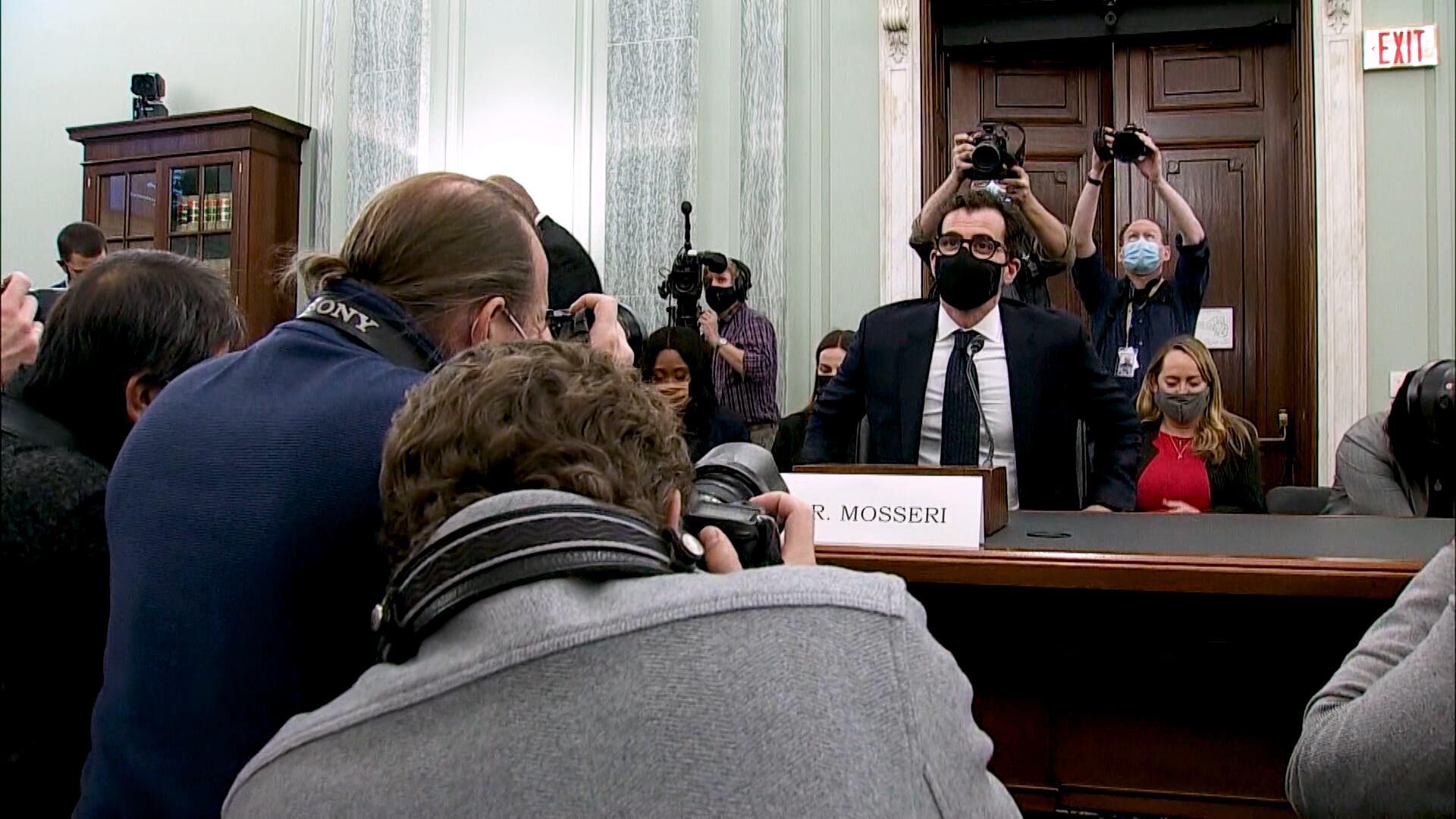
Instagram CEO Adam Mosseri faced a bipartisan Congressional grilling this week as the Senate inquired about safety practices for protecting the mental wellbeing of young people on the platform. Sen. Marsha Blackburn (R-Tenn.) joined Cheddar to talk about the hearing and how she was disappointed in Instagram coming unprepared with relevant information or documents. Blackburn also offered concern that the platform could continue with building a kids-only version despite having drawn significant opposition from the public.
Cheddar Innovates gets a look at the satellite that's searching for the earliest light from the big bang, plus a former Nike executive breaks down what the new era of sportswear looks like.
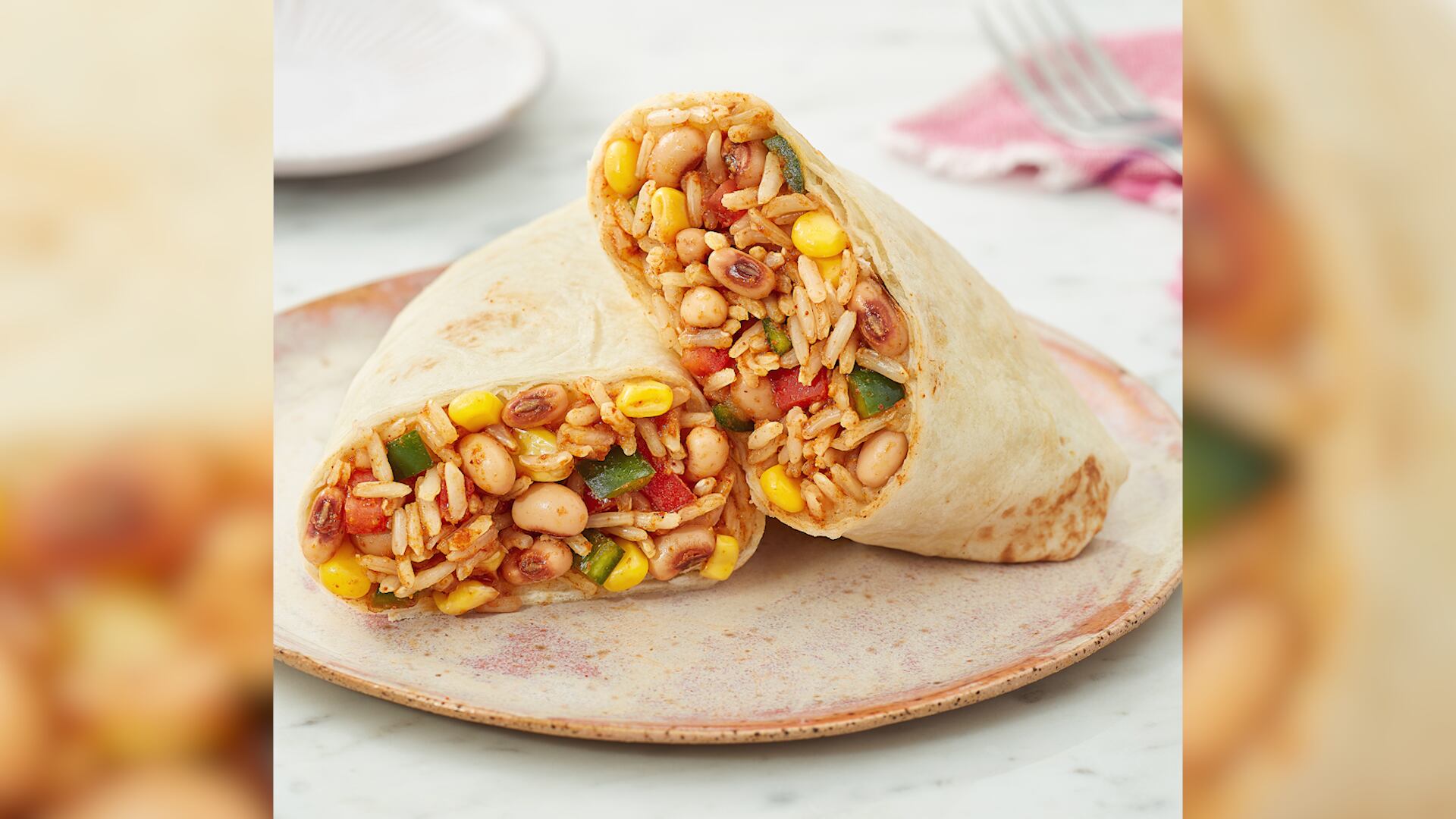
Research finds that the market for plant-based foods is worth $7 billion, but a lot of the plant-based and vegan options on our shelves aren't as healthy as they seem. Enter 'Cool Beans.' Tyler Mayoras joins Cheddar Innovates to talk about his whole-food, plant-based burrito brand.
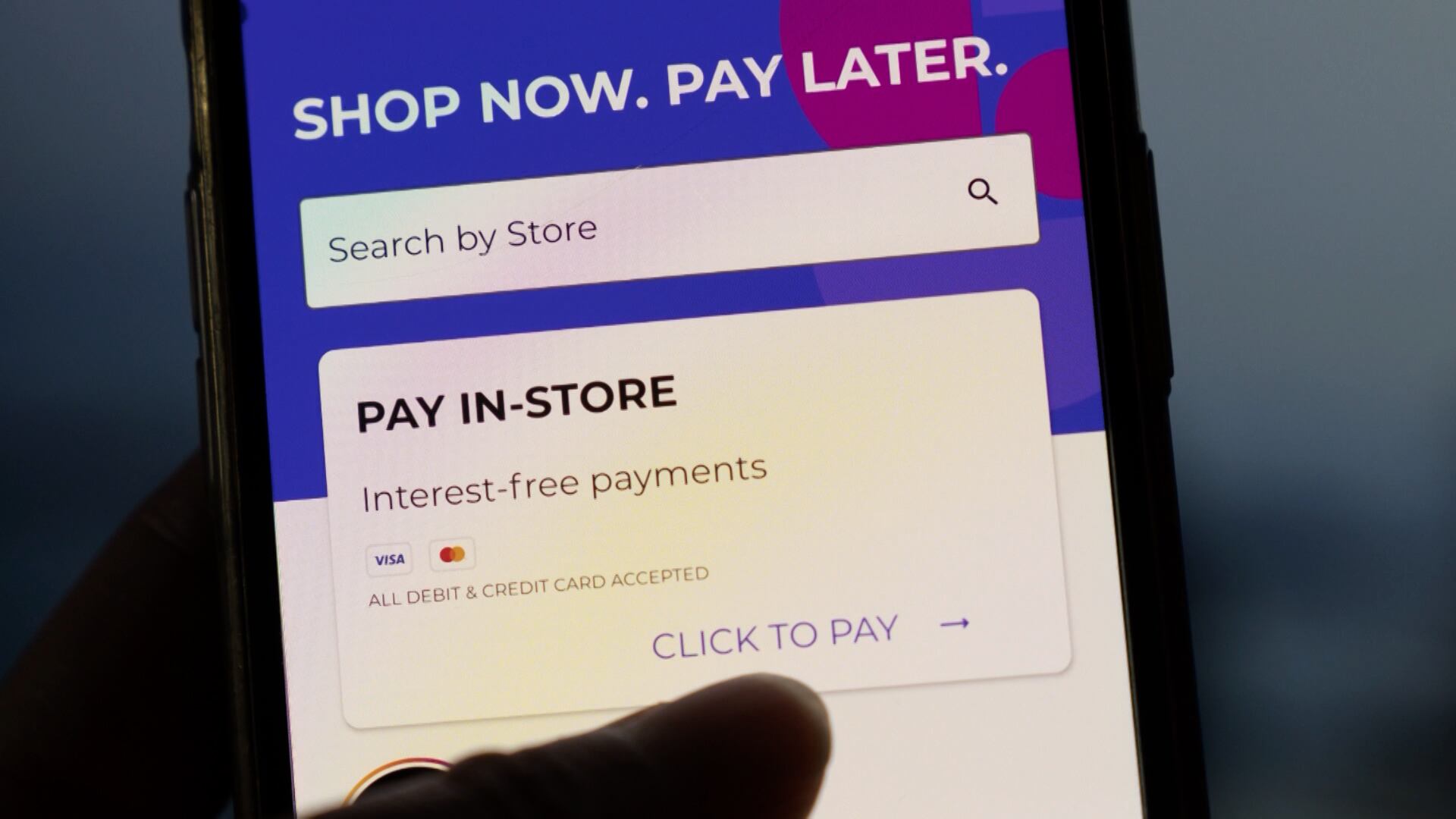
Dominique Broadway, CEO and founder of Finances Demystified, joined Cheddar to talk about the rising number of buy now, pay later (BNPL) services that are available to online shoppers. She noted that the desire for instant gratification among younger shoppers is at least one driver behind these services but said that without restraint it can be easy to fall into a mountain of debt. However, Broadway said this reverse layaway concept could be a huge opportunity for small and medium-sized businesses to increase their sales.
Ford Pro has teamed up with Salesforce to launch 'VIIZR.' a new software service designed to help small businesses and tradespeople succeed. The newly launched tool will help small businesses simplify commercial activities including invoicing, scheduling and managing requests, from one integrated, cloud-based platform. Ted Cannis, CEO, Ford Pro, joined Cheddar to discuss.
The Great Resignation has shown some signs of slowing in October with the number of those who quit their jobs falling by 4.7 percent to 4.16 million. This comes as worker strikes and calls for unionization ramp up. Jane Oates, president at WorkingNation joined Cheddar's "Opening Bell" to discuss the implications.
Cresco, a publicly traded, vertically integrated cannabis and medical marijuana company, recently reported its third quarter earnings. The company met expectations for EDITDA, but slightly missed on revenue, and reported a pretty significant widening of losses this year compared to the same time last year. Charlie Bachtell, CEO of Cresco Labs, joined Cheddar to explain what happened and his hopes for the future of the company.
a new study by The Buy Safe America Coalition shows retail theft has ballooned to over $68 billion per year. Most of these thefts are the result of something called organized retail crime. Those stolen goods are resold to unsuspecting consumers, often on popular online marketplaces like Facebook marketplace, eBay, OfferUp, and letgo. Mike Combs, Director of Organized Retail Crime Investigations at The Home Depot, joined Cheddar to discuss organized retail crime, how to identify it, and what can be done to stop it.
MARLOWE., the men's skincare and grooming brand, has announced 23-year-old professional boxer Ryan Garcia as "Chief Marlowe Officer" and co-owner of the brand. In this role, Ryan will help boost brand awareness, oversee product design, and strategize digital marketing content for his signature products. Ryan joined Cheddar to discuss the partnership and his boxing career.
Online broker TradeStation Group has landed on Wall Street. The company went public via SPAC deal, valuing the combined venture at $1.4 billion. John Bartleman , President & CEO TradeStation Group, Inc. joined Cheddar's Opening Bell to discuss.