Peloton priced shares at $29 after the bell Wednesday, valuing the company at $8.06 billion as it prepares to make its public debut Thursday. That's at the high end of the original $26 to $29 price range Peloton was targeting. The company raised $1.16 billion in the offering.
Peloton is pitching itself to investors as more than just an at-home fitness company. With live and on-demand classes led by popular instructors, plus branded gear and clothing that members can flaunt in public, Peloton is hoping its cult-like following translates to a successful IPO.
Peloton boasts a loyal subscriber-base with over 1.4 million members that logged 55 million total workouts in fiscal 2019. In its S-1 filing, Peloton also said it had a 95 percent member retention rate which helped the company rake in $915 million in revenue. Most of that money came from sales of Peloton's high-margin and high-cost Connected Fitness Products.
The Peloton bike costs about $2,000 and its treadmill more than $4,000. The Connected Fitness Subscription, which allows members to stream classes for $39 a month, accounted for nearly 20 percent of Peloton's revenue for fiscal 2019.
Those classes are only getting more popular. Peloton says the average number of monthly workouts per connected subscriber has about doubled since the first quarter of 2017 to more than 12 workouts a month.
Still, losses for the company are widening. Peloton's annual net loss more than quintupled from $47.9 million in fiscal 2018 to $245.7 million in 2019. The company doesn't expect to achieve profitability in the near future.
Another reason that may give investors pause, Peloton is currently facing a $300 million lawsuit over the use of music streamed in its classes. The National Music Publisher's Association claims tracks from big-time artists like Taylor Swift, Adele, and the Beatles, have been used unlawfully. Peloton has spent $50.6 million on music licensing over the last three years.
Peloton will start trading Thursday on the Nasdaq Exchange under the ticker symbol PTON.
According to the FAA, airlines have reported over 5,000 incidents involving unruly passengers this year, with more than 3,600 of those involving people who refused to wear face masks. As a result of all this, airline crews are calling on the federal government to step in to implement protocols to help ensure safety on the ground and while in flight. President of the Association of Flight Attendants- CWA Sara Nelson, joined Cheddar to discuss more.
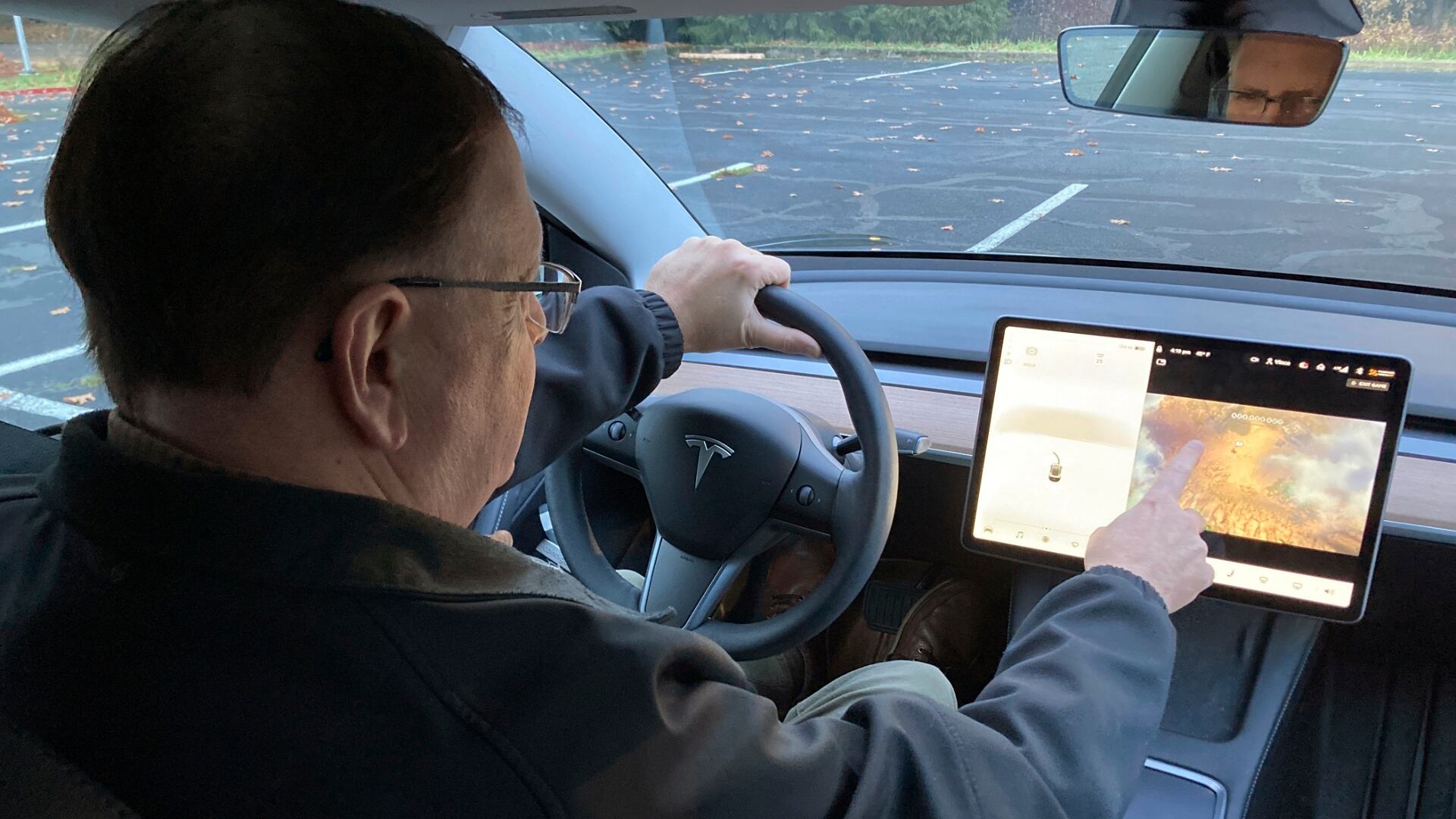
The NHTSA is investigating Tesla over the potential for crashes and distracted driving due to its front touch screen "Passenger Play" game option. The probe covers 580,000 vehicles for all four models from 2017 to 2022.
Cheddar is looking back at the 12 biggest buzzwords of the year leading up to Christmas. The term for Day 11 is Fundamentals. Definition: (noun) information related to a business' profitability, revenue, assets, liabilities, and growth potential.
Google CEO Sundar Pichai addressed staff about workplace culture concerns after they expressed issues with what they perceived as a lack of honesty, candor, and humility from their executives. Pichai attributed some of the challenges to remote communication during the ongoing pandemic.
With Christmas just days away and people rushing out to get last-minute shopping done, Derrick Kinney, host of the "Good Money" podcast, joined Cheddar to provide some financial tips so shoppers can avoid major holiday debt. He suggested people wait until after the holiday to give gifts if possible because stores will likely have discounted goods. For those looking to save a little extra cash around this time of year, Kinney also suggested that they adjust their "commoditized items" like auto insurance and shop for better deals.
Cheddar is looking back at the 12 biggest buzzwords of the year leading up to Christmas. The term for Day 10 is HODL. Definition: (verb) "hold on for dear life." It refers to retaining crypto assets that you own for an extended period, even throughout a highly volatile market movement.
The boys discuss President Biden's plans to send out free rapid tests as the testing supply chain starts to buckle ahead of the holidays. Also, why aren't Americans having more babies, and The Matrix returns.