Peloton priced shares at $29 after the bell Wednesday, valuing the company at $8.06 billion as it prepares to make its public debut Thursday. That's at the high end of the original $26 to $29 price range Peloton was targeting. The company raised $1.16 billion in the offering.
Peloton is pitching itself to investors as more than just an at-home fitness company. With live and on-demand classes led by popular instructors, plus branded gear and clothing that members can flaunt in public, Peloton is hoping its cult-like following translates to a successful IPO.
Peloton boasts a loyal subscriber-base with over 1.4 million members that logged 55 million total workouts in fiscal 2019. In its S-1 filing, Peloton also said it had a 95 percent member retention rate which helped the company rake in $915 million in revenue. Most of that money came from sales of Peloton's high-margin and high-cost Connected Fitness Products.
The Peloton bike costs about $2,000 and its treadmill more than $4,000. The Connected Fitness Subscription, which allows members to stream classes for $39 a month, accounted for nearly 20 percent of Peloton's revenue for fiscal 2019.
Those classes are only getting more popular. Peloton says the average number of monthly workouts per connected subscriber has about doubled since the first quarter of 2017 to more than 12 workouts a month.
Still, losses for the company are widening. Peloton's annual net loss more than quintupled from $47.9 million in fiscal 2018 to $245.7 million in 2019. The company doesn't expect to achieve profitability in the near future.
Another reason that may give investors pause, Peloton is currently facing a $300 million lawsuit over the use of music streamed in its classes. The National Music Publisher's Association claims tracks from big-time artists like Taylor Swift, Adele, and the Beatles, have been used unlawfully. Peloton has spent $50.6 million on music licensing over the last three years.
Peloton will start trading Thursday on the Nasdaq Exchange under the ticker symbol PTON.
David Stryzewski, CEO of Sound Planning Group, joins Cheddar News' Closing Bell, where he says that some of the major stock positions are getting the most lift to the upside as the major indexes climb higher to begin the week.
Despite challenges like inflation, labor and product shortages, and the Omicron variant, holiday sales saw record levels of growth this year, according to a new report from Mastercard SpendingPulse. The group reports on national retail sales across all payment types, finding that holiday sales rose at the fastest pace in 17 years this year. Mastercard senior advisor and former chariman and CEO of Saks Incorporated Steve Sadove joined Cheddar News' Closing Bell to discuss.
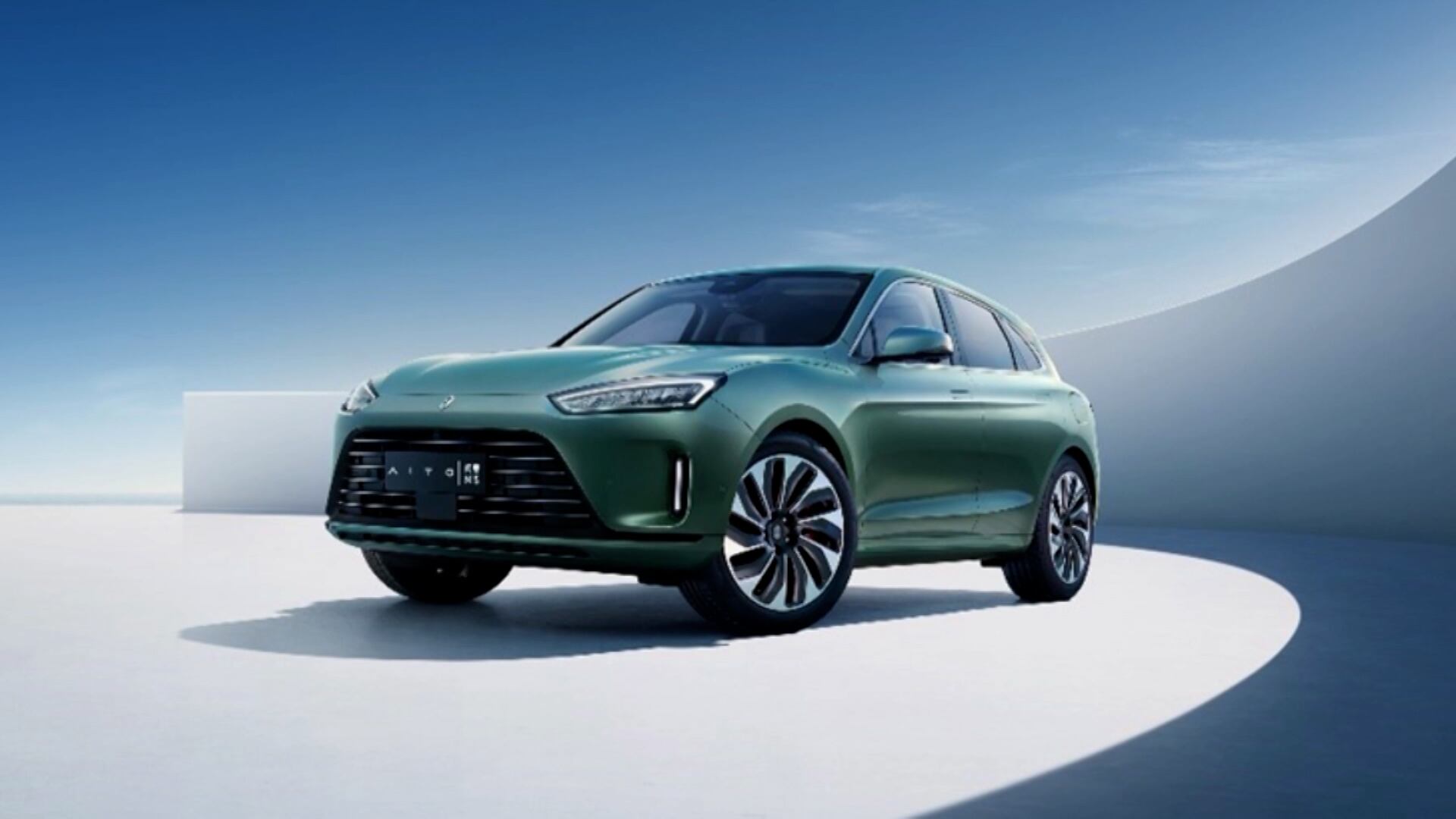
Keith Fitz-Gerald, chief investment officer at Fitz-Gerald Group, spoke to Cheddar about the growing competition for Tesla's electric cars in China as tech giant Huawei enters the race. "There's a lot of legacy worry, but that does not discount the possibility that Elon might have a contender on his hands," he said about the sometimes troubled telecom company. Fitz-Gerald also gave a nod to two other local rivals, Nio and XPeng, noting the latter as having something of an edge with its CEO He Xiopeng being lauded by Chinese state media.
Ariel Kaye, founder and CEO of home goods business Parachute, joined Cheddar to discuss the company's sales success over the holidays as it navigated supply chain issues. She also expects a strong showing in 2022 with the continuation of 2021 trends. "The hybrid work model is going to be here for a long time," Kaye said. The business, which currently has 12 physical locations, plans to expand to 30 brick-and-mortar shops by the end of 2022.
Nikola announced that it delivered its first electric semi trucks last week, sending the embattled EV company's stock soaring. There is a lot of competition in this space, though, said Lauren Fix, an automotive analyst with Car Coach Reports. While every country has companies racing to dominate the electric trucking industry, she explained, a shortage of graphite, used in batteries, and a dearth of convenient charging stations will still keep growth slow in 2022. "You really have to be very careful when you're investing in this marketplace," Fix said. "That's great that [Nikola was] able to deliver one, but can they deliver more?"