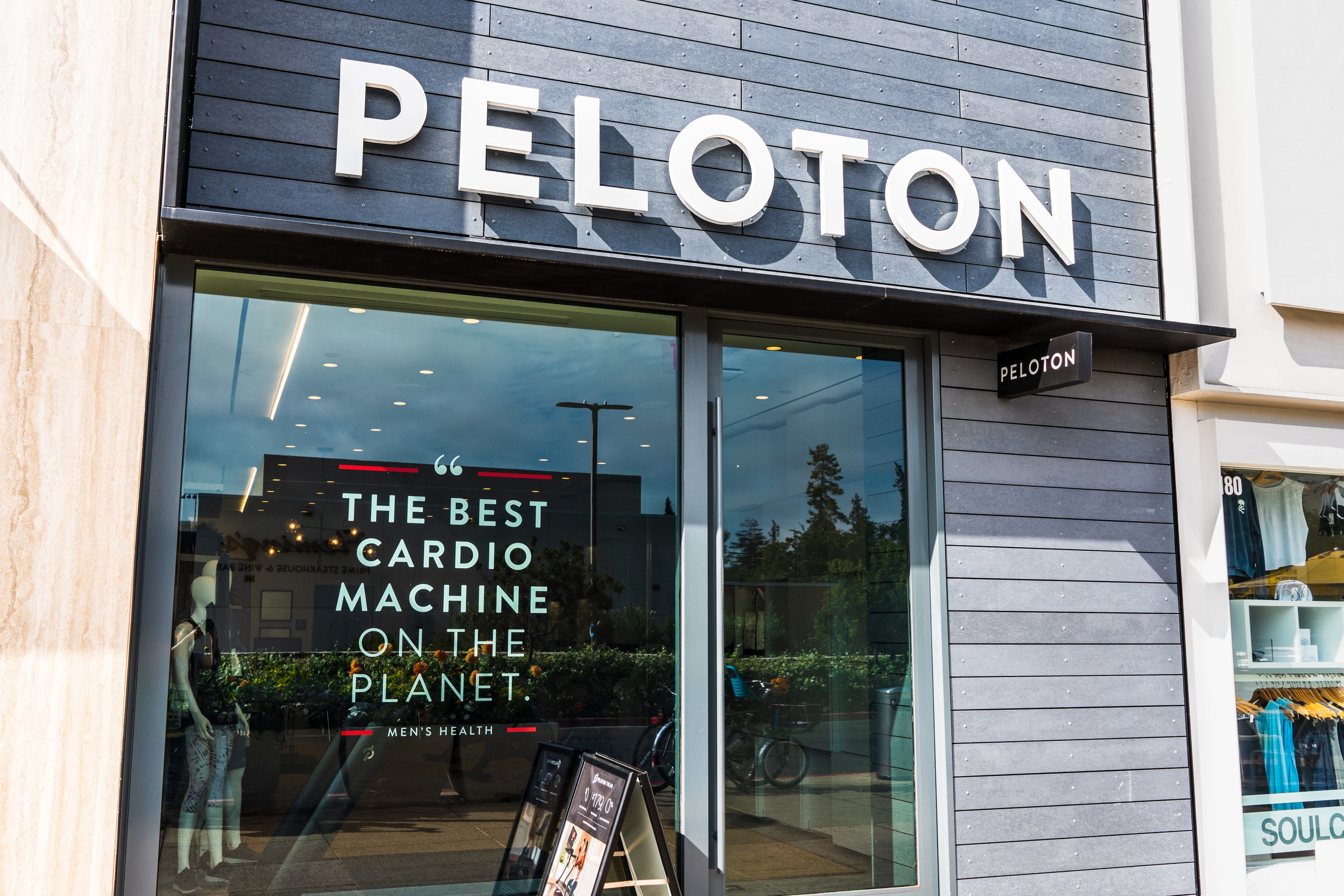
Peloton priced shares at $29 after the bell Wednesday, valuing the company at $8.06 billion as it prepares to make its public debut Thursday. That's at the high end of the original $26 to $29 price range Peloton was targeting. The company raised $1.16 billion in the offering.
Peloton is pitching itself to investors as more than just an at-home fitness company. With live and on-demand classes led by popular instructors, plus branded gear and clothing that members can flaunt in public, Peloton is hoping its cult-like following translates to a successful IPO.
Peloton boasts a loyal subscriber-base with over 1.4 million members that logged 55 million total workouts in fiscal 2019. In its S-1 filing, Peloton also said it had a 95 percent member retention rate which helped the company rake in $915 million in revenue. Most of that money came from sales of Peloton's high-margin and high-cost Connected Fitness Products.
The Peloton bike costs about $2,000 and its treadmill more than $4,000. The Connected Fitness Subscription, which allows members to stream classes for $39 a month, accounted for nearly 20 percent of Peloton's revenue for fiscal 2019.
Those classes are only getting more popular. Peloton says the average number of monthly workouts per connected subscriber has about doubled since the first quarter of 2017 to more than 12 workouts a month.
Still, losses for the company are widening. Peloton's annual net loss more than quintupled from $47.9 million in fiscal 2018 to $245.7 million in 2019. The company doesn't expect to achieve profitability in the near future.
Another reason that may give investors pause, Peloton is currently facing a $300 million lawsuit over the use of music streamed in its classes. The National Music Publisher's Association claims tracks from big-time artists like Taylor Swift, Adele, and the Beatles, have been used unlawfully. Peloton has spent $50.6 million on music licensing over the last three years.
Peloton will start trading Thursday on the Nasdaq Exchange under the ticker symbol PTON.
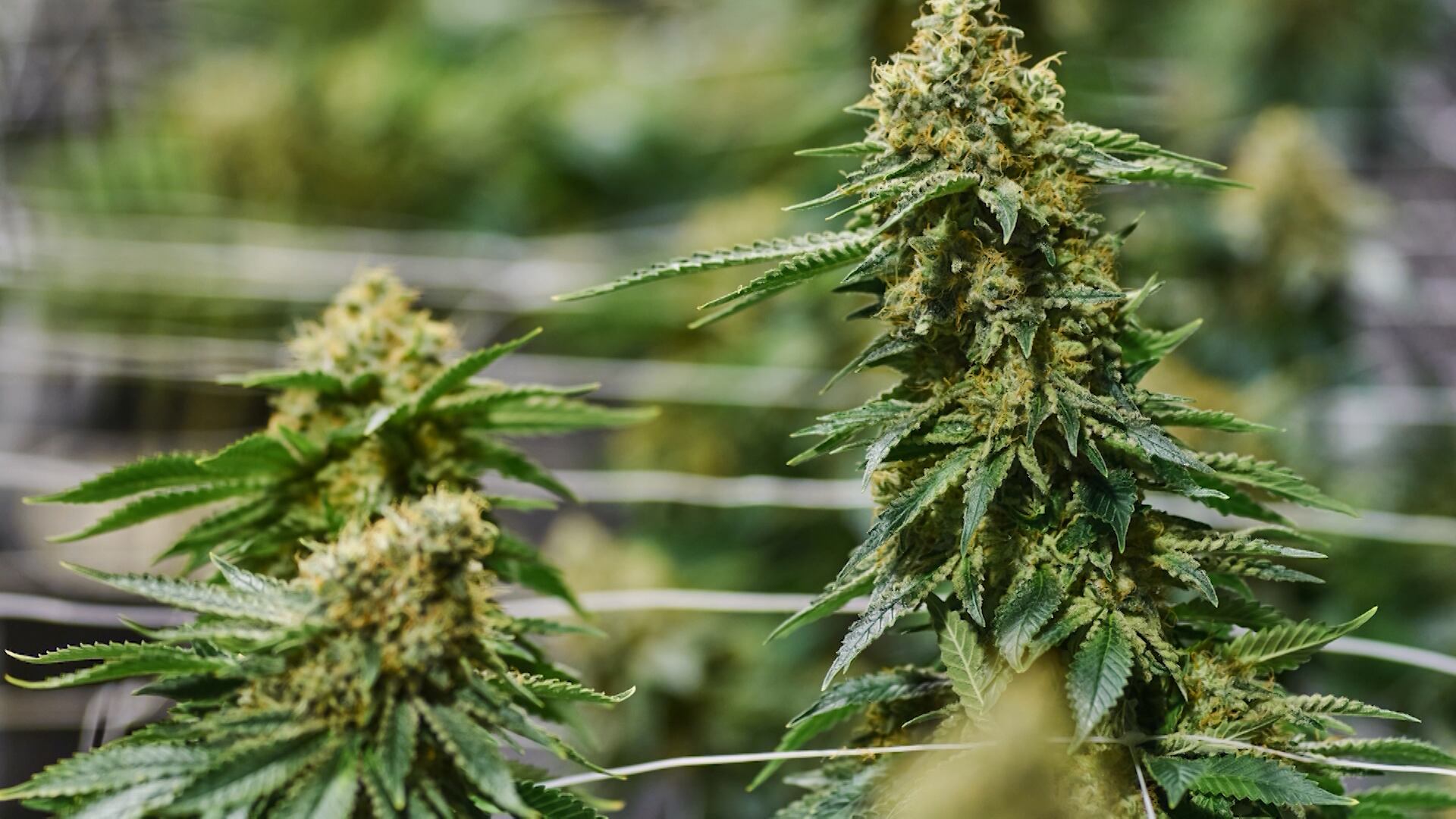
The world of NFTs and cannabis are colliding as luxury cannabis company Peakz gears up to launch a digital dispensary in the metaverse. CEO Jessie Grundy and Tiffany McBride, managing director of social equity ventures at The Parent Company, an investor in Peakz, joined Cheddar to break down exactly how a digital dispensary would work. Grundy also talked about offering low-cost NFT courses in an effort to help Oakland, California, residents not miss out on new investing opportunities, and McBride discussed why the tech-forward vision of Grundy was worth investing in for The Parent Company. "He comes with really fresh ideas that he's vetted, that he's experienced in, and I really believe the thinking along Jessie's lines is the future of cannabis," she said. "He's more than just flower and a story. He comes with concepts that are new that are innovative, and that is easy for us to get behind."
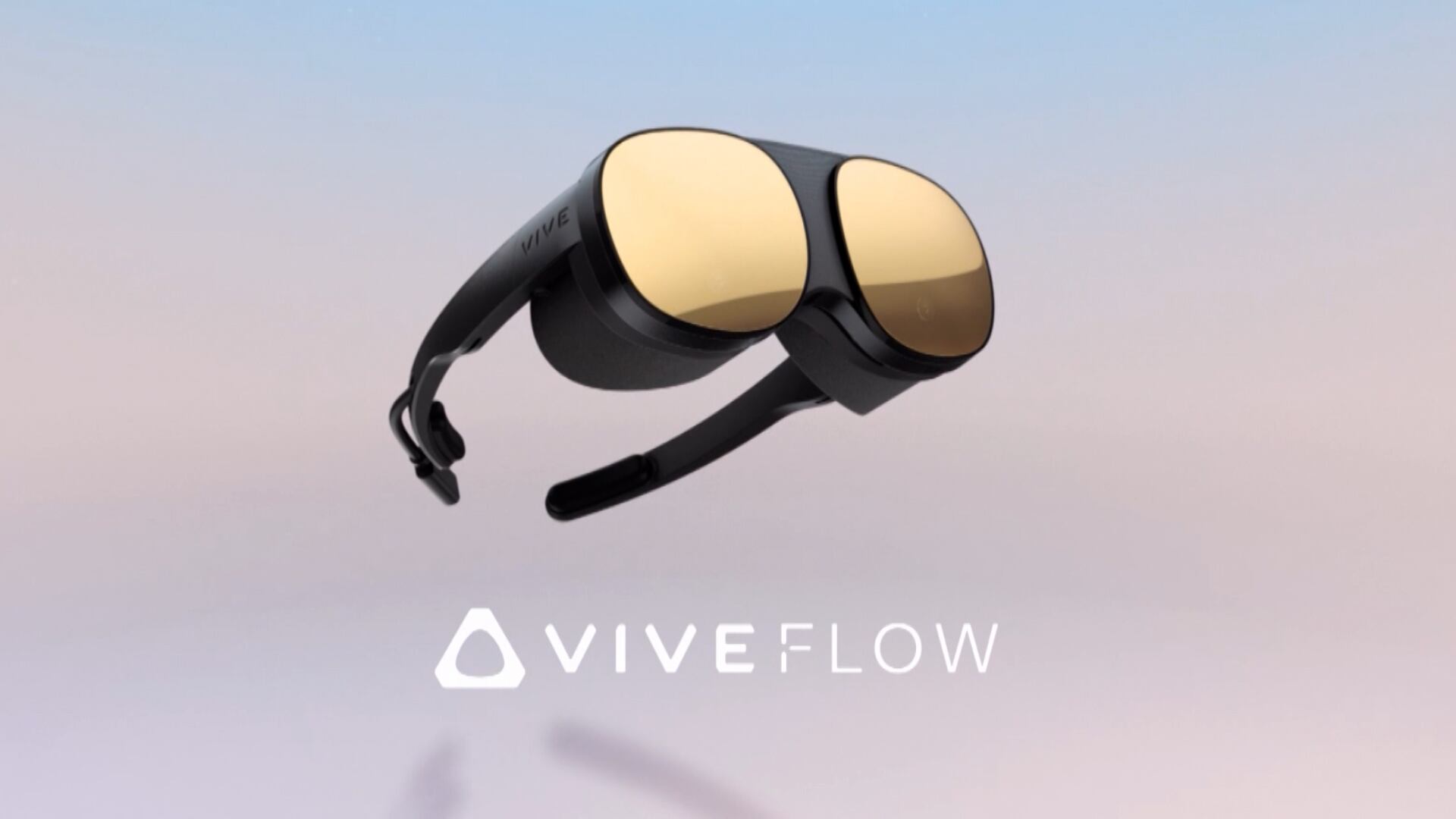
Daniel O'Brien, president and global head of enterprise at HTC America, joined Cheddar's "Closing Bell" to discuss new products and services the virtual reality brand showed off at CES 2022, including a wrist tracker — in lieu of controllers — for more accurate interactions connected to its all-in-one headset, the VIVE Focus 3. O'Brien also described a cloud-based, 5G content delivery system. "We partnered up with Lumen Technologies and from six miles away we delivered high bandwidth VR to a headset directly in the Wynn Hotel during CES," he said. "And people were able to walk around in their virtual experience through a wireless signal."
Samsung unveiled a slew of new electronics and upgraded designs at CES 2022. With a heavy focus on gaming and the future of work, the company showed off its all new Odyssey Ark, which boasts a massive 55 in. curved display designed to give users a more immersive and captivating experience. Sang Kim, SVP, Samsung Electronics joined Cheddar's Michelle Castillo to discuss the company's biggest launches as well as major trends to watch in 2022.
Tesla's Austin, Texas-based gigafactory could be days away from opening its doors and beginning production. Dan Ives, managing director of equity research at WedBush Securities, joined Cheddar to talk about his estimate that the EV company will be running its factory within a week and noted that Tesla has been in a good position despite ongoing semiconductor shortages. "They're really almost Teflon-like relative to other automakers," he said, calling its production delays "containable." Amid another shortage — labor —, he said he thinks Tesla positioned itself well for access to talent months ago with expanded hiring amid the move to Texas from California.
The UK's Information Commissioner's office is scrutinizing Facebook's parent company Meta over child safety practices linked to the Oculus headset, according to a report. The agency is looking to question the tech giant about how it's protecting children from harmful experiences in virtual reality.
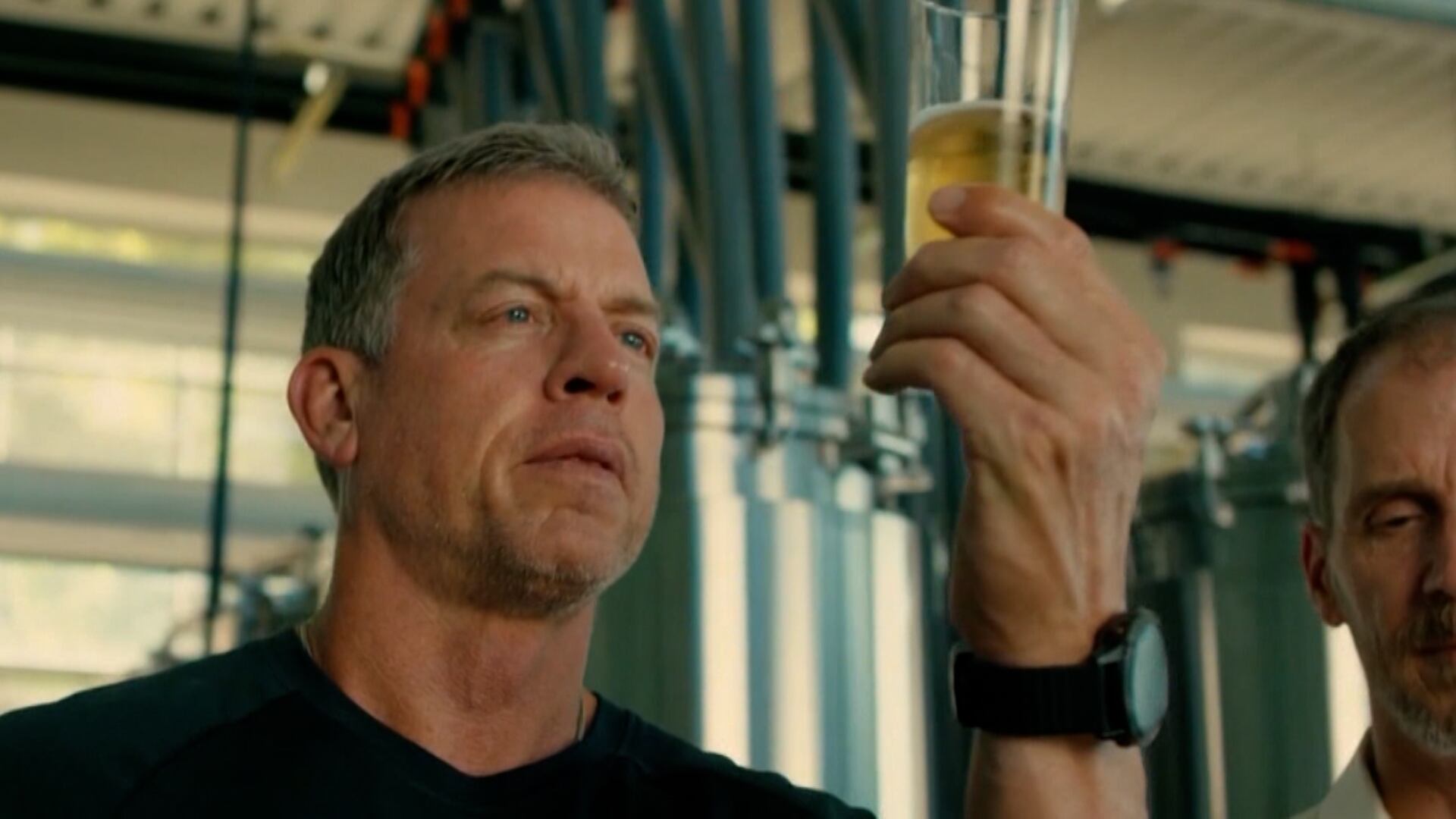
Hall of Fame quarterback Troy Aikman joined Cheddar's "Between Bells" to talk about his own brand of organic light beer called Eight (his jersey number with the Dallas Cowboys) and explained that he's had an interest in the industry since his days working for a distributor during college. "These brands that are on the market have been there for a long time and [I] felt that it was time for something fresh, something new, and I thought that we could do it in a way that was a better-for-you beer' and that's what we've done," he said. Aikman also provided some insight into the upcoming NFL playoffs and noted that he doesn't see a clear frontrunner for this year's Vince Lombardi trophy.
Disney has secured a patent for a digital world simulator for headset-free augmented reality expected to be accessible in parks by tracking smartphones and projecting personalized 3D displays, an indication that the entertainment giant is gearing up for its entry into the metaverse.
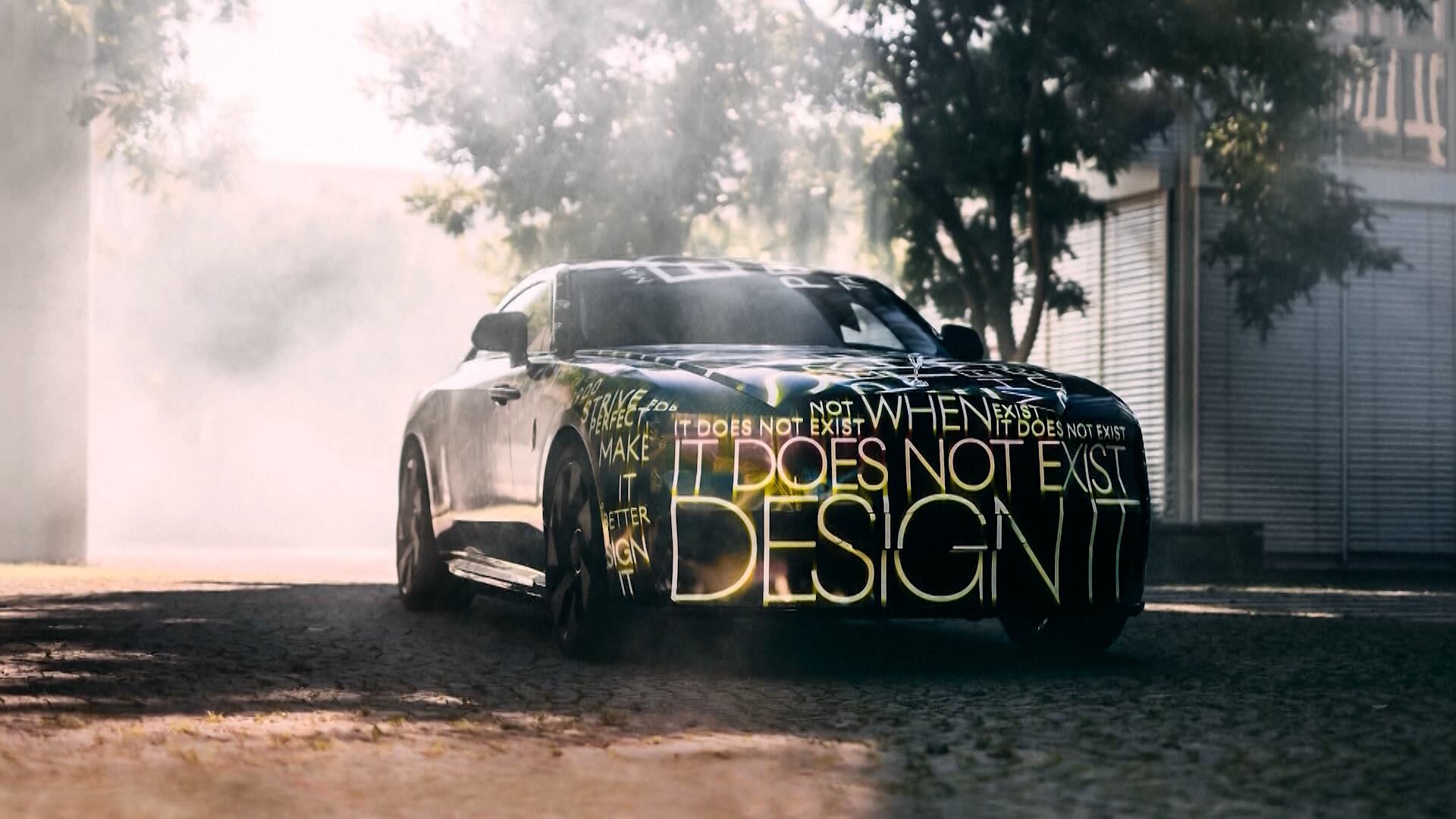
It has been a record year for luxury automaker Rolls-Royce despite the industry struggling to meet demand overall due to the ongoing semiconductor chip shortage. CEO Torsten Müller-Ötvös joined Cheddar to discuss the driving factors behind the company's 2021 success. He said after the pandemic forced the closure of factories in 2020 and people stopped making large purchases, they were open to spending more in 2021. "The entire luxury sector was fueled by there's money available, and people are prepared to spend money," he said.