Peloton priced shares at $29 after the bell Wednesday, valuing the company at $8.06 billion as it prepares to make its public debut Thursday. That's at the high end of the original $26 to $29 price range Peloton was targeting. The company raised $1.16 billion in the offering.
Peloton is pitching itself to investors as more than just an at-home fitness company. With live and on-demand classes led by popular instructors, plus branded gear and clothing that members can flaunt in public, Peloton is hoping its cult-like following translates to a successful IPO.
Peloton boasts a loyal subscriber-base with over 1.4 million members that logged 55 million total workouts in fiscal 2019. In its S-1 filing, Peloton also said it had a 95 percent member retention rate which helped the company rake in $915 million in revenue. Most of that money came from sales of Peloton's high-margin and high-cost Connected Fitness Products.
The Peloton bike costs about $2,000 and its treadmill more than $4,000. The Connected Fitness Subscription, which allows members to stream classes for $39 a month, accounted for nearly 20 percent of Peloton's revenue for fiscal 2019.
Those classes are only getting more popular. Peloton says the average number of monthly workouts per connected subscriber has about doubled since the first quarter of 2017 to more than 12 workouts a month.
Still, losses for the company are widening. Peloton's annual net loss more than quintupled from $47.9 million in fiscal 2018 to $245.7 million in 2019. The company doesn't expect to achieve profitability in the near future.
Another reason that may give investors pause, Peloton is currently facing a $300 million lawsuit over the use of music streamed in its classes. The National Music Publisher's Association claims tracks from big-time artists like Taylor Swift, Adele, and the Beatles, have been used unlawfully. Peloton has spent $50.6 million on music licensing over the last three years.
Peloton will start trading Thursday on the Nasdaq Exchange under the ticker symbol PTON.
Kris Ruby, CEO of Ruby Media Group, talks about the challenges brands have retaining customers and how crypto is becoming a popular reward among brands.
While the pandemic caused financial troubles for many, the unique circumstances of the last two years proved helpful to many Americans. Whether it was the federal government's stimulus checks, expanded unemployment insurance, or general lockdowns, recent data reveals that the covid-19 pandemic helped many reach financial security. Neale Godfrey, Financial Expert and New York Times #1 Best Selling Author joined Cheddar's Opening Bell to discuss.
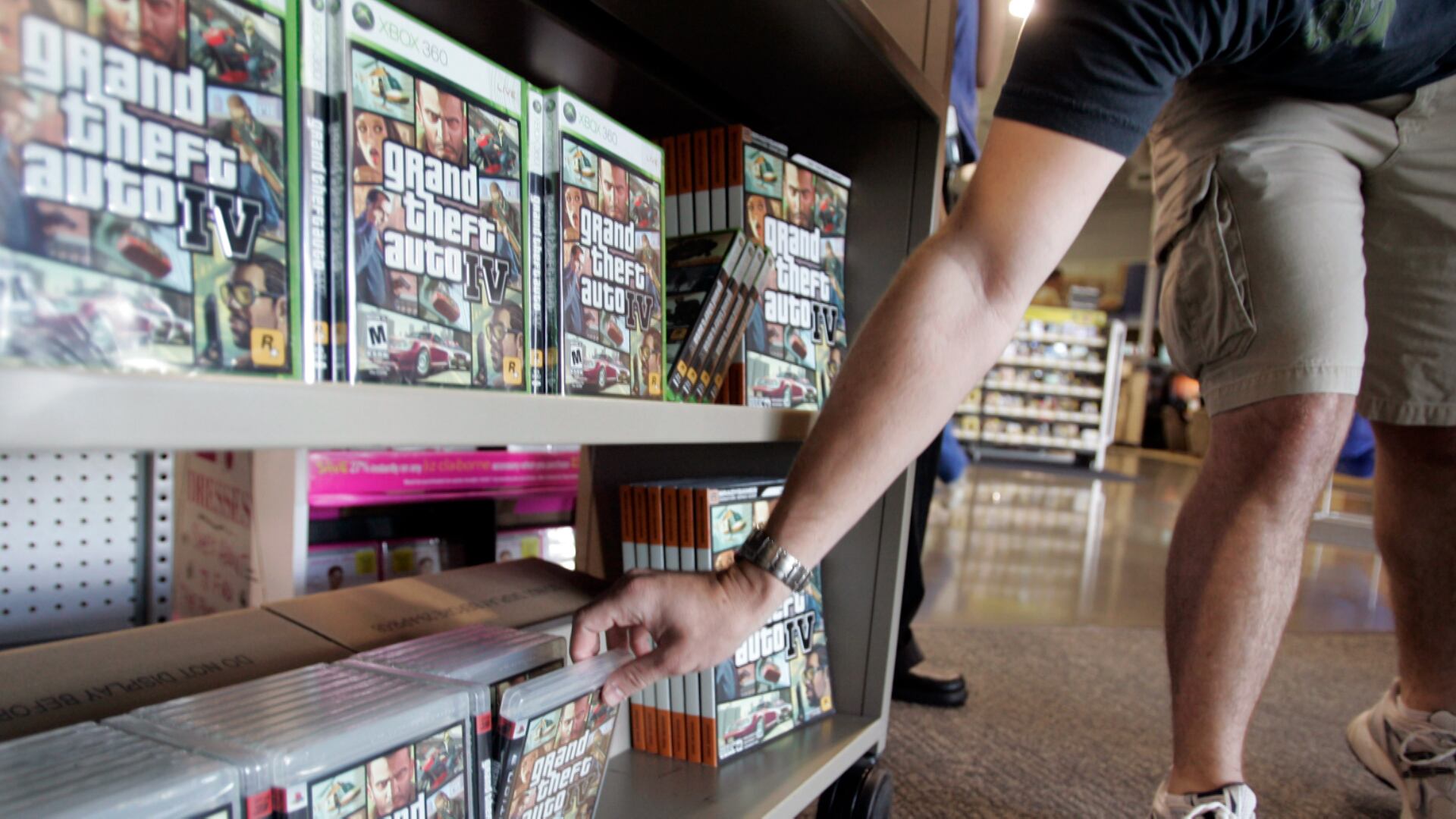
Take-Two Interactive is set to buy Zynga for $12.7 billion. The deal marks the latest blockbuster acquisition in the video game industry. The massive deal will bring the maker of popular mobile games like 'Farmville' and 'Words with Friends' under the scope of Take-Two, the company behind 'Grand Theft Auto' and 'NBA 2K.' Kenny Rovello, President & Co-Founder of Arkadium, joined Cheddar's Opening Bell to discuss.
GameStop is getting into the NFT and crypto space. The video game retailer announced the launch of an entire division aimed at creating a marketplace for NFTs and other crypto partnerships. The move comes as part of a turnaround plan by GameStop which has struggled in recent years as gamers shift away from physical game releases. Patrick McConlogue, CEO, Overline & Former Citadel Investment Group Engineer joined Cheddar's Opening Bell.
Philip Levine, Former Mayor of Miami Beach & Cruise Industry Expert, breaks down the challenges cruise operators are facing as COVID-19 cases rise, and provides insight on what the future of the industry may look like.
Jill Klindt, CFO of Workiva, talks about the challenges corporations have implementing ESG initiatives and how CFO's can build a trusted sustainable future.
Matt Orton, Chief Market Strategist at Carillon Tower Advisers, talks about the near-term risks to the market as Fed monetary policy accelerates and highlights areas of the tech sector that may be under-valued.
John Petrides, Portfolio Manager at Tocqueville Asset Management, provides insight on the strength of the Financial sector and highlights opportunities companies have to boost the labor market.
Darren Schuringa, Founder and CEO of ASYMmetric ETFs, talks about the ripple effect inflation has on the market and highlights the areas of tech with growth potential.
U.S. markets opened higher despite red-hot inflation data which showed the highest surge in nearly 40 years. Jon Maier, CIO, GlobalX ETFs joined Cheddar's Opening Bell to discuss this historic report.