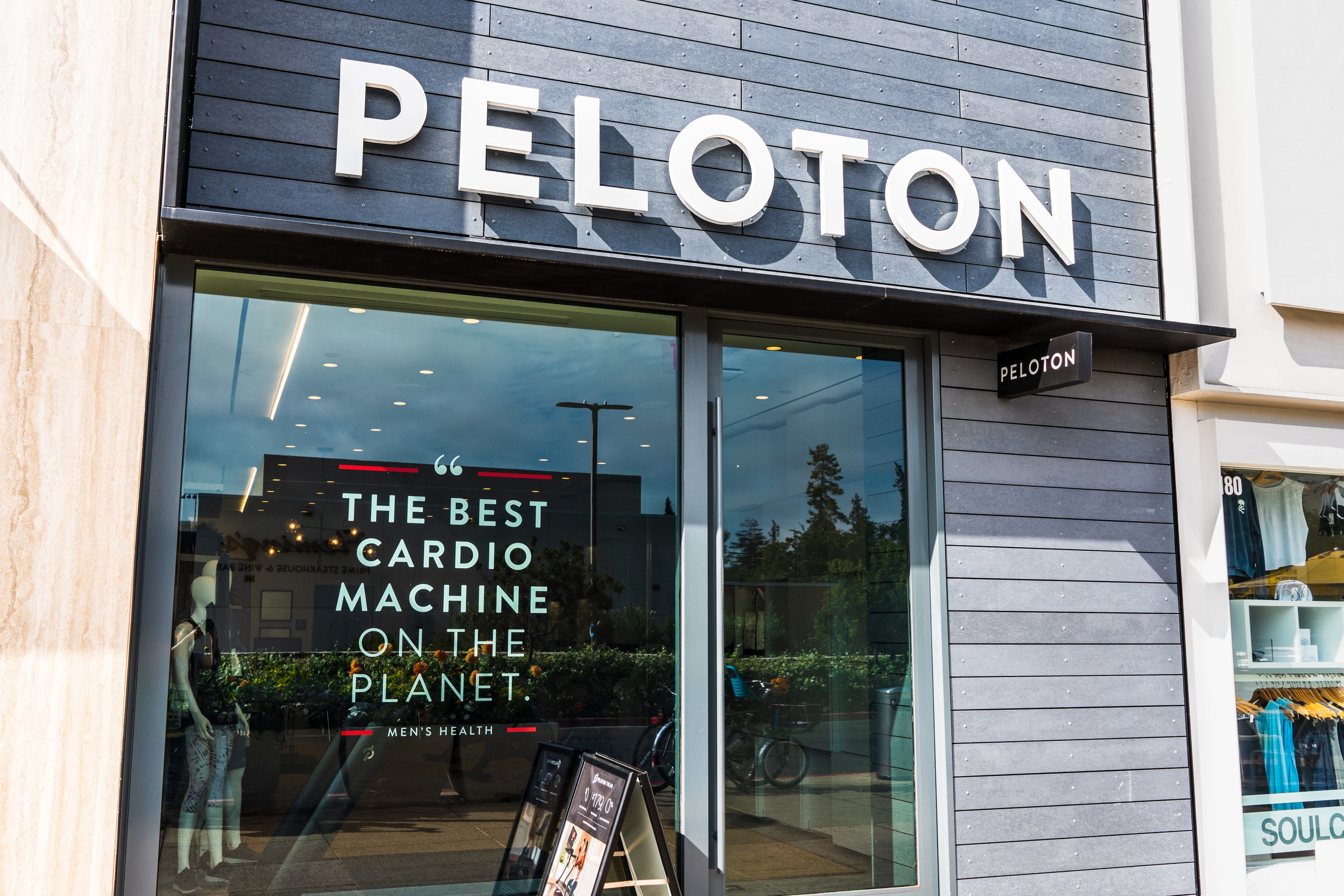
Peloton priced shares at $29 after the bell Wednesday, valuing the company at $8.06 billion as it prepares to make its public debut Thursday. That's at the high end of the original $26 to $29 price range Peloton was targeting. The company raised $1.16 billion in the offering.
Peloton is pitching itself to investors as more than just an at-home fitness company. With live and on-demand classes led by popular instructors, plus branded gear and clothing that members can flaunt in public, Peloton is hoping its cult-like following translates to a successful IPO.
Peloton boasts a loyal subscriber-base with over 1.4 million members that logged 55 million total workouts in fiscal 2019. In its S-1 filing, Peloton also said it had a 95 percent member retention rate which helped the company rake in $915 million in revenue. Most of that money came from sales of Peloton's high-margin and high-cost Connected Fitness Products.
The Peloton bike costs about $2,000 and its treadmill more than $4,000. The Connected Fitness Subscription, which allows members to stream classes for $39 a month, accounted for nearly 20 percent of Peloton's revenue for fiscal 2019.
Those classes are only getting more popular. Peloton says the average number of monthly workouts per connected subscriber has about doubled since the first quarter of 2017 to more than 12 workouts a month.
Still, losses for the company are widening. Peloton's annual net loss more than quintupled from $47.9 million in fiscal 2018 to $245.7 million in 2019. The company doesn't expect to achieve profitability in the near future.
Another reason that may give investors pause, Peloton is currently facing a $300 million lawsuit over the use of music streamed in its classes. The National Music Publisher's Association claims tracks from big-time artists like Taylor Swift, Adele, and the Beatles, have been used unlawfully. Peloton has spent $50.6 million on music licensing over the last three years.
Peloton will start trading Thursday on the Nasdaq Exchange under the ticker symbol PTON.
David Maza, Managing Director and Head of Product at Direxion, joins Cheddar News to discuss the evolution of mRNA technologies, future applications of this tech including fighting Lyme disease and HIV, and what this all means for investors.
Jordan Zakarin, Media Producer at A More Perfect Union, joined Cheddar News to break down the latest from Colorado, where at least 8,700 Kroger employees walked off the job in demand of increased benefits and wages.
Thomas Hayes, Chairman at Great Hill Capital, joined Wake Up With Cheddar to break down what to look for on the economic front in the coming months amid an Omicron surge and planned interest rate hikes.
Stocks closed lower Tuesday with investors initiating a broad sell-off, leading the Dow to have its worst day of 2022 so far as it had its biggest decline since November. Investors are eyeing treasury yields, which have surged to pre-pandemic highs, as well as looking ahead to the Federal Reserve's path forward when it comes to raising interest rates. Meanwhile, as earnings season kicks off, Goldman Sachs shares are under pressure after a lackluster earnings report. Goldman is weighing on bank stocks as a whole. Jeff Buchbinder, Equity Strategist for LPL Financial, joins Cheddar News' Closing Bell to discuss today's close, why treasury yields are ticking higher toward pre-pandemic levels, big bank earnings reports, and more.
Mike McGlone, Senior Commodity Strategist at Bloomberg Intelligence, joins Cheddar News' Closing Bell, where he says he believes we'll eventually see Bitcoin reach the $100,000 mark despite its recent struggles, and explains why Bitcoin will be less volatile than the Nasdaq.
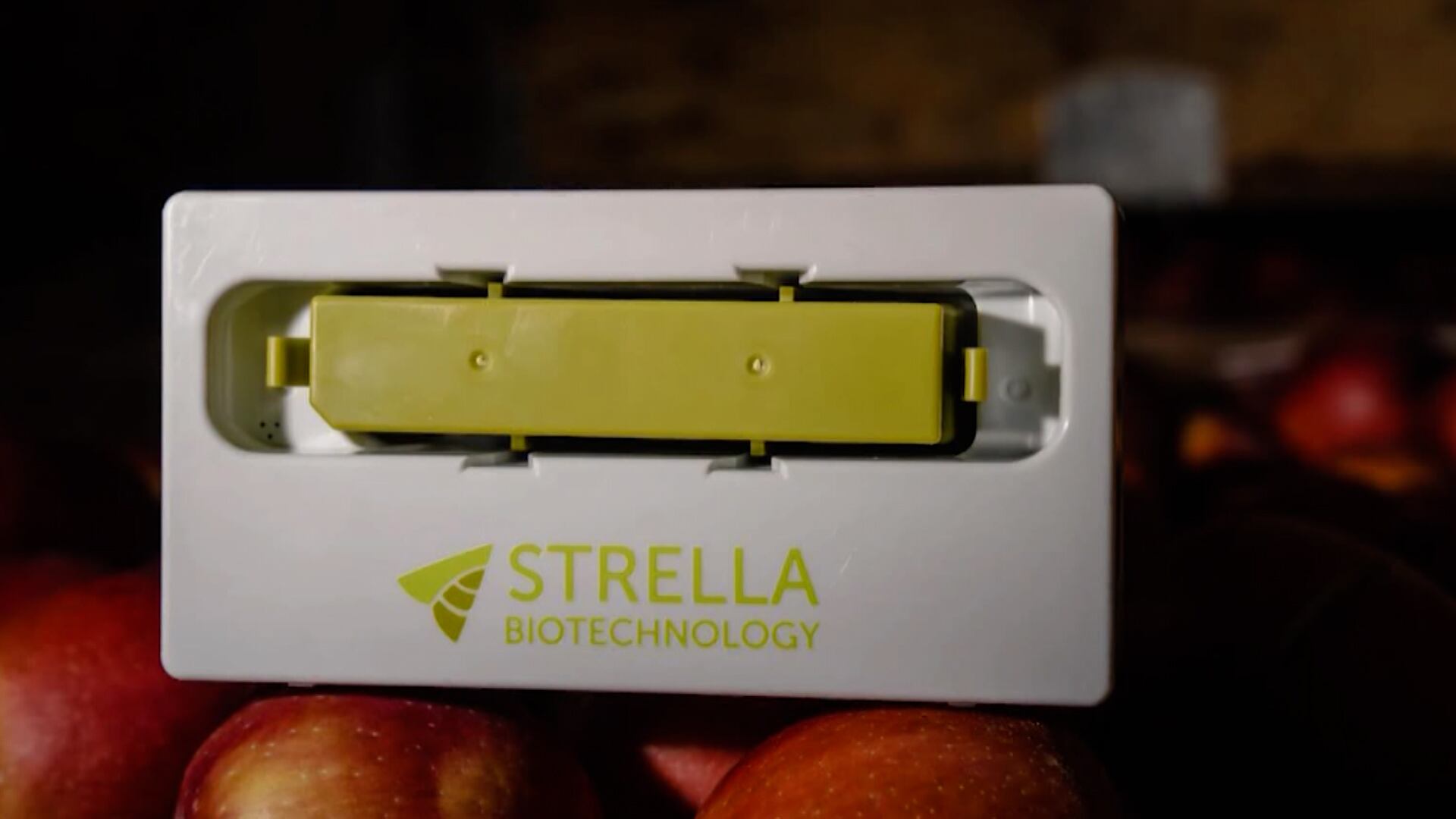
Food waste is a major contributor to greenhouse gas emissions in the United States. Strella Biotechnology is trying to solve the problem by introducing new technology to a business that's been around for generations -- farming. The 24-year-old CEO created hi-tech sensors that interpret the shelf life of produce and alert farmers when fruits and vegetables are ready to be sent to supermarkets. The company says the process can help farmers make money, reduce food waste and increase the quality of produce. Strella Biotechnology's co-founder and CEO Katherine Sizov and co-founder and COO Jay Jordan joined Cheddar Climate to discuss.
Adele Shraiman, Campaign Representative for the Sierra Club’s Fossil Free Finance Campaign, joins Cheddar Climate, where she explains how Wall Street and climate change are related. She also elaborates on how decisions made by financial institutions are actually hurting the ability to reduce carbon emissions.