Peloton priced shares at $29 after the bell Wednesday, valuing the company at $8.06 billion as it prepares to make its public debut Thursday. That's at the high end of the original $26 to $29 price range Peloton was targeting. The company raised $1.16 billion in the offering.
Peloton is pitching itself to investors as more than just an at-home fitness company. With live and on-demand classes led by popular instructors, plus branded gear and clothing that members can flaunt in public, Peloton is hoping its cult-like following translates to a successful IPO.
Peloton boasts a loyal subscriber-base with over 1.4 million members that logged 55 million total workouts in fiscal 2019. In its S-1 filing, Peloton also said it had a 95 percent member retention rate which helped the company rake in $915 million in revenue. Most of that money came from sales of Peloton's high-margin and high-cost Connected Fitness Products.
The Peloton bike costs about $2,000 and its treadmill more than $4,000. The Connected Fitness Subscription, which allows members to stream classes for $39 a month, accounted for nearly 20 percent of Peloton's revenue for fiscal 2019.
Those classes are only getting more popular. Peloton says the average number of monthly workouts per connected subscriber has about doubled since the first quarter of 2017 to more than 12 workouts a month.
Still, losses for the company are widening. Peloton's annual net loss more than quintupled from $47.9 million in fiscal 2018 to $245.7 million in 2019. The company doesn't expect to achieve profitability in the near future.
Another reason that may give investors pause, Peloton is currently facing a $300 million lawsuit over the use of music streamed in its classes. The National Music Publisher's Association claims tracks from big-time artists like Taylor Swift, Adele, and the Beatles, have been used unlawfully. Peloton has spent $50.6 million on music licensing over the last three years.
Peloton will start trading Thursday on the Nasdaq Exchange under the ticker symbol PTON.
Commercial and residential buildings account for 13% of carbon emissions in the U.S., according to the EPA, and one company says it has a solution. Runwise says it has updated the boiler and heating systems of thousands of buildings, and that its technology not only lowers carbon output but also saves landlords money. Lee Hoffman, Co-Founder and COO of Runwise, joined Cheddar Climate to discuss.
Kirsten Jordan, real estate broker and star of 'Million Dollar Listing New York,' joins Cheddar News to talk about the state of New York City real estate, tips for homebuyers, and season 9 of the Bravo show.
Following sales tech startup Scratchpad raising $33 million in Series B Funding, CEO and co-founder Pouyan Salehi joined Cheddar to discuss how his company's software works to help salespeople with an all-in-one workspace, integrating with Salesforce to optimize notes, spreadsheets, and other relevant information so businesses can forecast and make the best decisions. "If you look at other crafts like artists, they'll have studios; chefs, they'll have kitchens; scientists will have labs, and we just asked, well, if you look at sales as a craft, why doesn't something exist that is designed solely for a salesperson?" Salehi said about his workspace app.
As the 2022 Beijing Winter Olympics inches closer, sponsors are facing mounting pressure to pull out of the games with China is under fire for controversies like the alleged human rights abuses against its Muslim minority population and the disappearance of tennis player Peng Shuai. Rick Burton, professor of sport management at Syracuse University, joined Cheddar to discuss what he expects to happen once the games begin. Burton said China is too large of a market for American advertisers to ignore, and he doesn't expect any of them to pull out of the games. "Olympic sponsors right now I think are really just trying to hang on and get through these 17 days, come out the other end," he said.
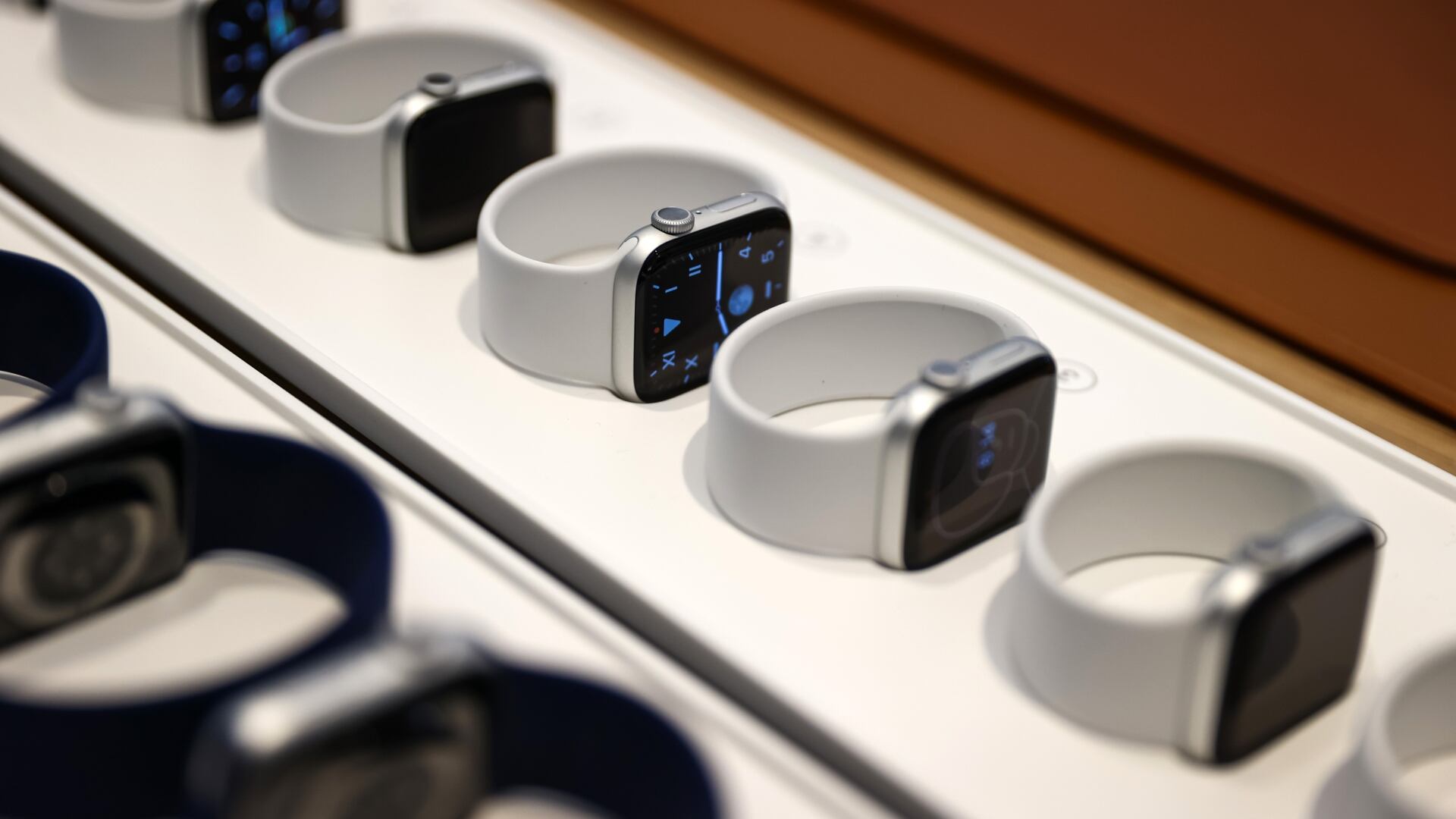
Google could be gearing up to release its own wearable device as rumors swirl about a potential smartwatch with the Pixel brand. Jon Prosser, the creator of Front Page Tech, who tweeted a possible leak about the product, joined Cheddar's "Closing Bell" to discuss potential the benefits of it entering the same space as the Apple Watch. Prosser said, while he doesn't expect it to launch until at least 2023, the Pixel Watch will be "one of the most vital, most important wearables that we can have on the market," noting that it won't likely challenge Apple for much market share but will set the standard for other Android wearables to come.
The Federal Reserve released its highly-anticipated research weighing the pros and cons of a digital dollar in the U.S. The report comes as economic rivals like china have already piloted their own central bank digital currencies. Edward Moya, Senior Market Analyst, The Americas, Oanda, joined Cheddar's Opening Bell to discuss.
Tax season is now underway, and it's going to be a bit different than in years past. For starters, the deadline is April 18, instead of the typical April 15th, and many Americans will need to account for advance child tax credit payments, the return of the recovery rebate credit, and a special break for charitable contributions, among other things. Brent Weiss, Co-Founder and certified financial planner at Facet Wealth, tells us what we need to know about filing our taxes this year, and when we can expect to receive our returns.
American semiconductor company, Intel officially announcing plans to build a new $20 billion chip manufacturing complex outside Columbus, Ohio. This comes as the global chip shortage continues to hamper production of everything from smart phones, to cars. Jennifer Smith - Logistics and Supply Chain Reporter, WSJ joined Cheddar's Opening Bell to discuss.