Peloton priced shares at $29 after the bell Wednesday, valuing the company at $8.06 billion as it prepares to make its public debut Thursday. That's at the high end of the original $26 to $29 price range Peloton was targeting. The company raised $1.16 billion in the offering.
Peloton is pitching itself to investors as more than just an at-home fitness company. With live and on-demand classes led by popular instructors, plus branded gear and clothing that members can flaunt in public, Peloton is hoping its cult-like following translates to a successful IPO.
Peloton boasts a loyal subscriber-base with over 1.4 million members that logged 55 million total workouts in fiscal 2019. In its S-1 filing, Peloton also said it had a 95 percent member retention rate which helped the company rake in $915 million in revenue. Most of that money came from sales of Peloton's high-margin and high-cost Connected Fitness Products.
The Peloton bike costs about $2,000 and its treadmill more than $4,000. The Connected Fitness Subscription, which allows members to stream classes for $39 a month, accounted for nearly 20 percent of Peloton's revenue for fiscal 2019.
Those classes are only getting more popular. Peloton says the average number of monthly workouts per connected subscriber has about doubled since the first quarter of 2017 to more than 12 workouts a month.
Still, losses for the company are widening. Peloton's annual net loss more than quintupled from $47.9 million in fiscal 2018 to $245.7 million in 2019. The company doesn't expect to achieve profitability in the near future.
Another reason that may give investors pause, Peloton is currently facing a $300 million lawsuit over the use of music streamed in its classes. The National Music Publisher's Association claims tracks from big-time artists like Taylor Swift, Adele, and the Beatles, have been used unlawfully. Peloton has spent $50.6 million on music licensing over the last three years.
Peloton will start trading Thursday on the Nasdaq Exchange under the ticker symbol PTON.
Sam Stovall, Chief Investment Strategist at CFRA, tells us what to expect as the month of January comes to a close, and whether or not recent market volatility is at all indicative of how the year will likely forecast.
Plant-based meat giant Beyond Meat's reign over the fast food world continues, as McDonald's announced that it is expanding its test of Beyond's McPlant burger, to nearly 600 restaurants, an increase from the eight that it's been testing in since November. This comes less than two weeks after Beyond Fried Chicken made its nationwide debut at KFC restaurants, the first time that plant based chicken has been widely distributed in a fast food capacity. Arun Sundaram, Senior Equity Analyst at CFRA Research explains why these latest collaborations may be proof that Beyond Meat products could slowly be becoming an unlikely staple in the fast food and chain restaurant world as consumers opt for more healthy food options.
It's a big weekend for sports betting, with the NFL conference championships and Australian Open finals expected to bring the industry even more traffic. And if record viewership of the divisional playoff game between the Chiefs and Bills was any indication, sports betting will only continue to grow as football season comes to an end. Joe Raineri, sports betting analyst at SportsGrid, joined Cheddar to discuss how these sporting events could impact the industry, which is expected to get even bigger in 2022.
Ross Gerber, Co-Founder, President, and CEO of Gerber Kawaski Wealth and Investment Management, joins Cheddar News' Closing Bell, where he says now is a great opportunity to buy low on Tesla after shares fell in light of the EV giant's latest earnings report.
High-speed connectivity solutions provider Credo went public on the Nasdaq on Thursday, raising $200 million in its IPO. CEO Bill Brennan, joined Cheddar to discuss its entry into the capital markets and the next chapter for the company. "We're going to be focused on what we have been focused on, which is really creating, creating innovative connectivity solutions that really pushed the edge on efficient power as well as very effective cost," he said.
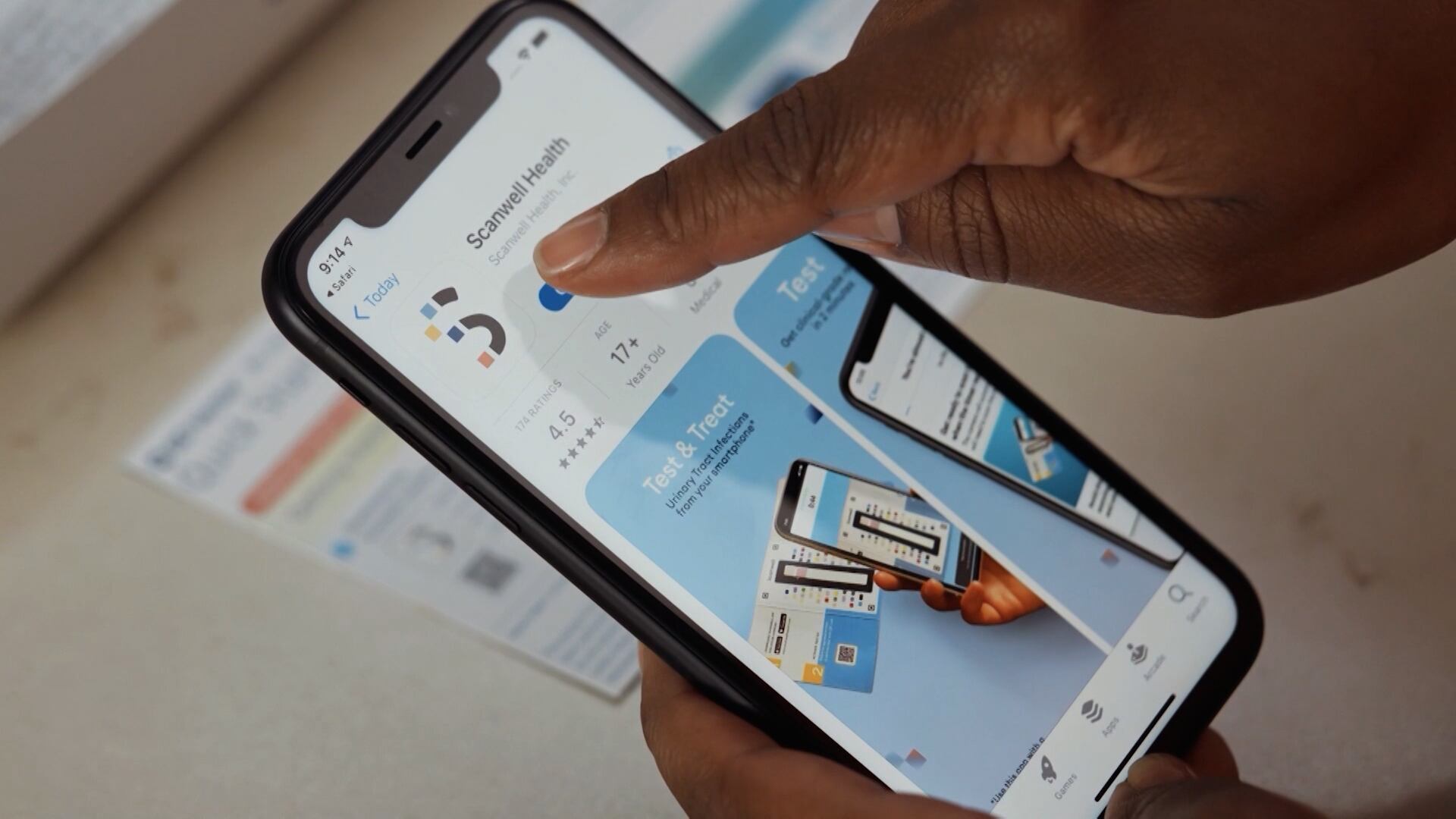
BD Veritor is a variation of the at-home COVID test that uses a smartphone to interpret the results. The test is taken via a nose swab test strip that is then scanned by your phone’s camera with the result clearly displayed as positive or negative. James Walker, vice president of integrated diagnostics USA for BD, joined Cheddar to discuss how the test hopefully takes the "guesswork out of testing." Walker also went into what BD is doing to deal with the surging demand for at-home tests amid the omicron spread. "While we don't disclose how much we produce, we have capacity to manufacture up to 12 million rapid antigen tests per month and are delivering on our commitments to distributors and retailers," he said.
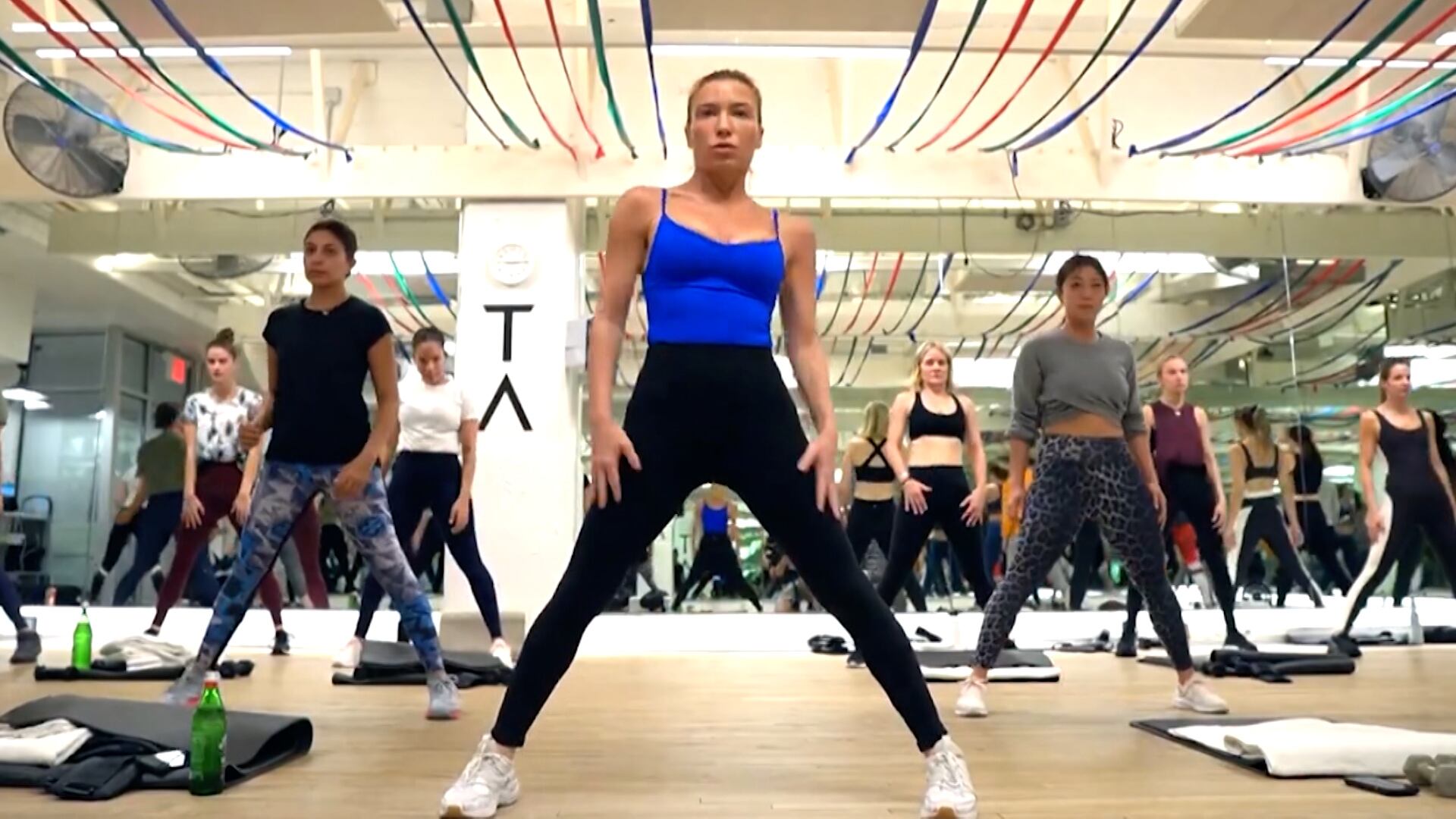
Citi recently began collaborating with fitness entrepreneur Tracy Anderson to promote its Custom Cash Credit card. Pam Habner, CEO of U.S. Branded Cards for Citi, along with Tracy Anderson, creator of The Tracy Anderson Method, joined Cheddar to discuss how health and fitness matched up with a cash back credit card. "The fact that Citi is going 'hey if you lead a healthy lifestyle, we're going to help you out. We understand that it's more expensive and we're going to give you cash back for living your best life,'" Anderson said about the partnership, which also includes a custom promotional Spotify playlist.