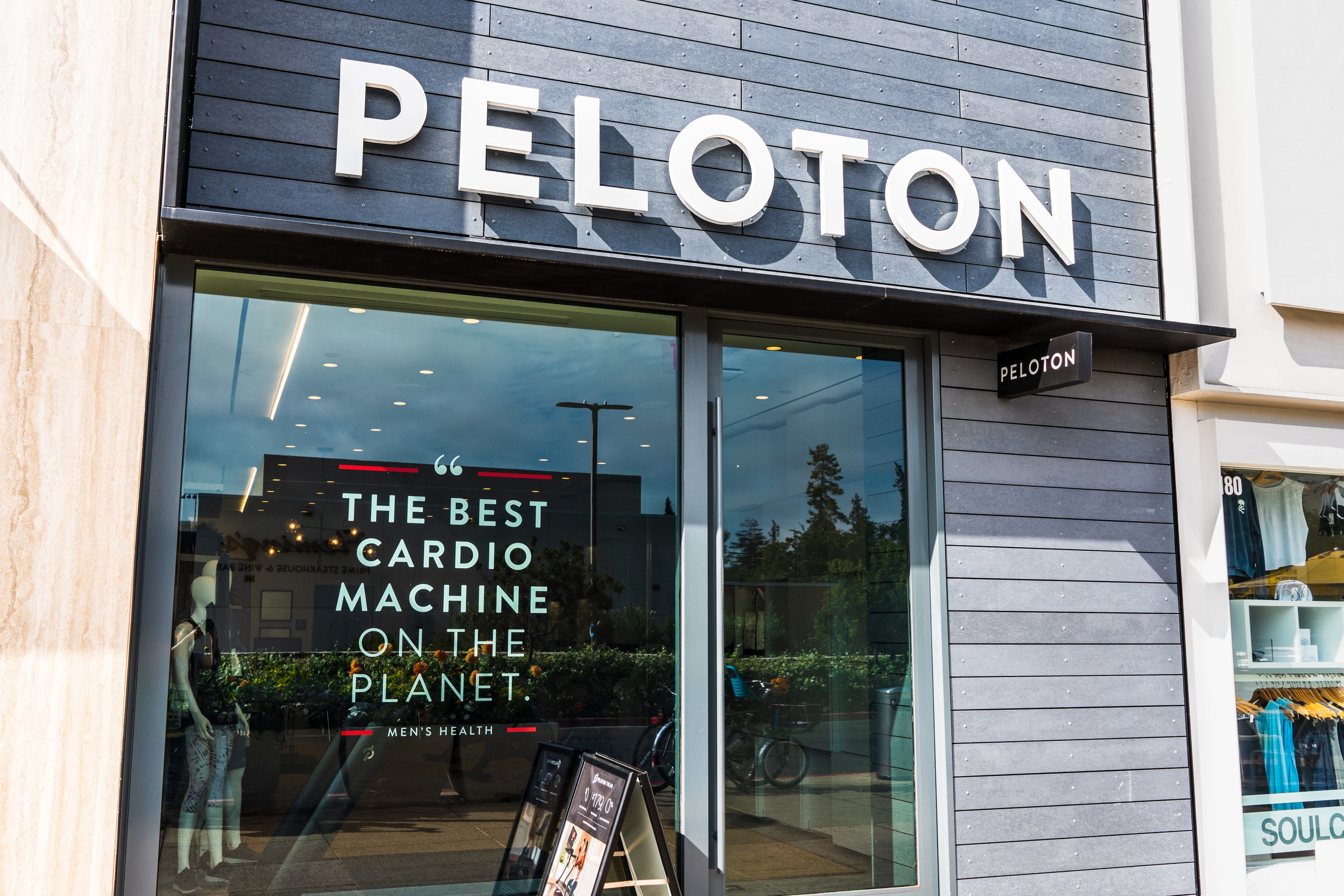
Peloton priced shares at $29 after the bell Wednesday, valuing the company at $8.06 billion as it prepares to make its public debut Thursday. That's at the high end of the original $26 to $29 price range Peloton was targeting. The company raised $1.16 billion in the offering.
Peloton is pitching itself to investors as more than just an at-home fitness company. With live and on-demand classes led by popular instructors, plus branded gear and clothing that members can flaunt in public, Peloton is hoping its cult-like following translates to a successful IPO.
Peloton boasts a loyal subscriber-base with over 1.4 million members that logged 55 million total workouts in fiscal 2019. In its S-1 filing, Peloton also said it had a 95 percent member retention rate which helped the company rake in $915 million in revenue. Most of that money came from sales of Peloton's high-margin and high-cost Connected Fitness Products.
The Peloton bike costs about $2,000 and its treadmill more than $4,000. The Connected Fitness Subscription, which allows members to stream classes for $39 a month, accounted for nearly 20 percent of Peloton's revenue for fiscal 2019.
Those classes are only getting more popular. Peloton says the average number of monthly workouts per connected subscriber has about doubled since the first quarter of 2017 to more than 12 workouts a month.
Still, losses for the company are widening. Peloton's annual net loss more than quintupled from $47.9 million in fiscal 2018 to $245.7 million in 2019. The company doesn't expect to achieve profitability in the near future.
Another reason that may give investors pause, Peloton is currently facing a $300 million lawsuit over the use of music streamed in its classes. The National Music Publisher's Association claims tracks from big-time artists like Taylor Swift, Adele, and the Beatles, have been used unlawfully. Peloton has spent $50.6 million on music licensing over the last three years.
Peloton will start trading Thursday on the Nasdaq Exchange under the ticker symbol PTON.
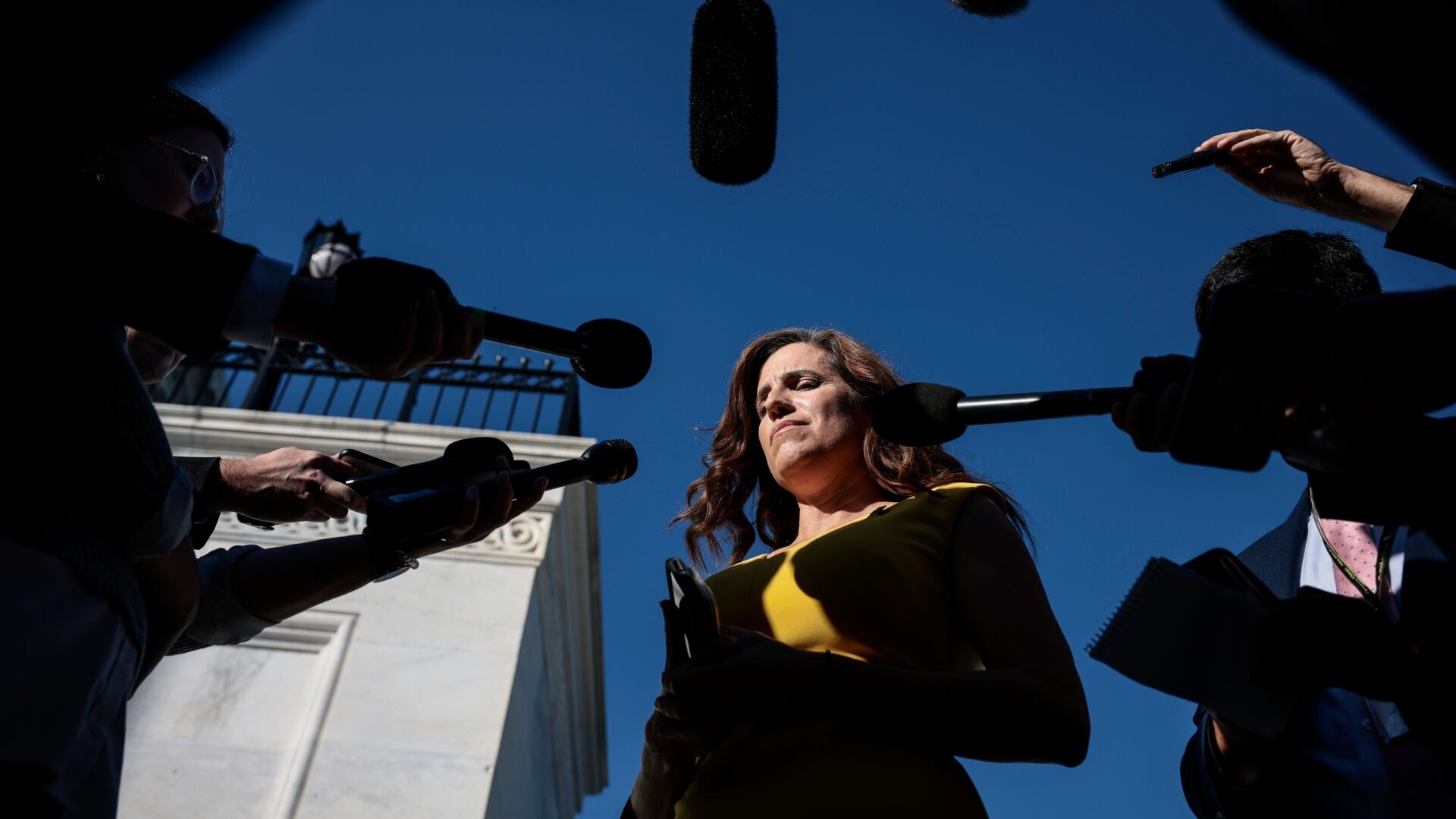
Rep. Nancy Mace (R-S.C. 1st District) joined Cheddar to discuss her cannabis legalization bill, the States Reform Act, and the prospects for gaining bipartisan support for a bill that has garnered the endorsement of e-commerce giant Amazon. This legislation is supported by businesses large and small, Amazon obviously being the most recent and largest business to support it," Mace said. "They don't want to sell pot. But what it does do is it affects their working employment pool." She stated that 10 percent of eligible new hires for Amazon are affected by restrictive marijuana laws. The representative also explained that the bill leaves equity provisions up to the states rather than mandating them on a federal level.
Jess Hunichen and Emily Ward, co-founder of Shine Talent Group join Cheddar News to talk about The BodCon conference and how it empowers men and women to feel confident.
FIT:MATCH is looking to change the game when it comes to the way retailers size clothes. The company's augmented reality technology takes a look at body shape data rather than generalized, traditional sizing parameters to determine how a piece of apparel will fit wearers. Haniff Brown, CEO and founder, joined Cheddar to discuss the patented ar-powered apparel technology and partnering with pop superstar Rihanna’s Savage X Fenty lingerie line. "We launched in Vegas with Savage on January 22 and we've been having goosebumps at some of the testimonials, where customers are saying this is such an easier process versus going into a fitting room and having an associate have to touch and get handsy with a cold tape measure," Brown said.
TerraZero's chief experience officer Brandon Johnson and chief metaverse officer Ryan Kieffer joined Cheddar News to discuss the technology company making the first-ever Metaverse mortgage.
Alia Kemet, vice president of creative and digital at McCormick, joins Cheddar News to discuss Frank's RedHot releasing an edible NFT ahead of the Super Bowl.
Xiaohua Yang, professor of international business and director of the China Business Studies Initiative at the University of San Francisco, joins Cheddar News to talk about the history of Lunar New Year.
Fundrise is an investment platform that allows its users to access a diversified portfolio of real estate investments. The company found more than 70 percent of 1,000 Gen Z and Millenial investors surveyed were concerned about inflation and 66 percent were putting their money in real estate, venture capital, and crypto as a safety net. Ben Miller, CEO and co-founder of Fundrise, joined Cheddar to talk about providing retail investors access to the previously difficult-to-access private real estate markets. "I think there's there's an understanding in society that real estate is where you go when there's high inflation," Miller said.