Peloton priced shares at $29 after the bell Wednesday, valuing the company at $8.06 billion as it prepares to make its public debut Thursday. That's at the high end of the original $26 to $29 price range Peloton was targeting. The company raised $1.16 billion in the offering.
Peloton is pitching itself to investors as more than just an at-home fitness company. With live and on-demand classes led by popular instructors, plus branded gear and clothing that members can flaunt in public, Peloton is hoping its cult-like following translates to a successful IPO.
Peloton boasts a loyal subscriber-base with over 1.4 million members that logged 55 million total workouts in fiscal 2019. In its S-1 filing, Peloton also said it had a 95 percent member retention rate which helped the company rake in $915 million in revenue. Most of that money came from sales of Peloton's high-margin and high-cost Connected Fitness Products.
The Peloton bike costs about $2,000 and its treadmill more than $4,000. The Connected Fitness Subscription, which allows members to stream classes for $39 a month, accounted for nearly 20 percent of Peloton's revenue for fiscal 2019.
Those classes are only getting more popular. Peloton says the average number of monthly workouts per connected subscriber has about doubled since the first quarter of 2017 to more than 12 workouts a month.
Still, losses for the company are widening. Peloton's annual net loss more than quintupled from $47.9 million in fiscal 2018 to $245.7 million in 2019. The company doesn't expect to achieve profitability in the near future.
Another reason that may give investors pause, Peloton is currently facing a $300 million lawsuit over the use of music streamed in its classes. The National Music Publisher's Association claims tracks from big-time artists like Taylor Swift, Adele, and the Beatles, have been used unlawfully. Peloton has spent $50.6 million on music licensing over the last three years.
Peloton will start trading Thursday on the Nasdaq Exchange under the ticker symbol PTON.
Art Hogan, Chief Market Strategist at National Securities, joined Cheddar News' Closing Bell, where he says investors are taking a wait-and-see approach when it comes to the situation between Russia and the Ukraine and elaborates on the impact higher oil prices stemming from the conflict would have on the market.
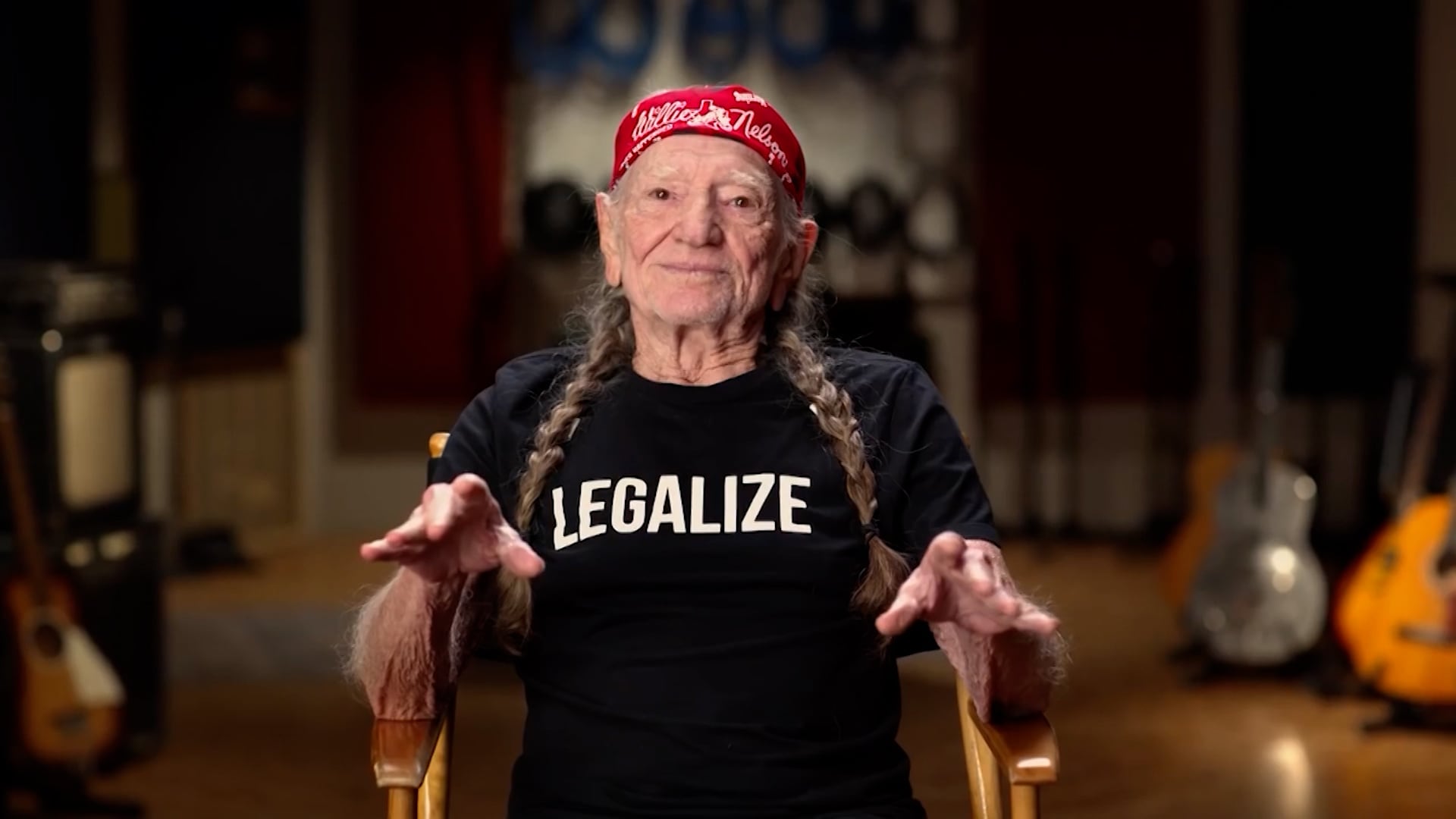
Kyle Jaeger, senior editor for Marijuana Moment, joined Cheddar News' Closing Bell, where he explains why a stigma still exists for the cannabis industry in advertising and social media after NBC rejected Weedmaps' ad for the big game even though more states across the country are legalizing cannabis.
A bipartisan bill introduced by U.S. Senators Amy Klobuchar (D-MN) and Cynthia Lummis (R-WY) aims to tackle the spread of misinformation on social media platforms, as well as the addictive nature of the sites and negative mental health impacts they have on users. The 'Nudge Act' would require studies to find and compile potential interventions that platforms could use to encourage people to think before they share a post, or log off after spending too much time on an app. The FTC would create rules based on these findings, and hold the platforms accountable. But will it work? Jesse Lehrich, co-founder of Accountable Tech, joins Closing Bell to discuss the bill, whether real results and regulations could come from it, and more.
We know that the Los Angeles Rams emerged as Super Bowl champions, but the crypto industry also came out a winner on Sunday with several notable companies getting airtime in primetime. However, Richard Smith, author of the Risk Rituals Newsletter, joins Cheddar News' Closing Bell, where he says the campaigns were a 'disappointment' and adds that crypto companies would be wiser spending their resources on creating value.
A.I.-based entertainment company, Deedub, recently raised
$20 million in a Series A round, led by Insight Partners. Deepdub uses A.I. technology to automate the dubbing process for foreign-language movies or TV shows, while using actors' original voices. The company says it can take just two to three minutes of data from an actor's voice and transform the voice into a different language. The funding comes as foreign-language films and shows like Netflix's 'Squid Game' have recently become more popular with audiences in the U.S. and around the world. Oz Krakowski, Chief Revenue Officer at Deepdub, joins Cheddar News' Closing Bell to discuss.