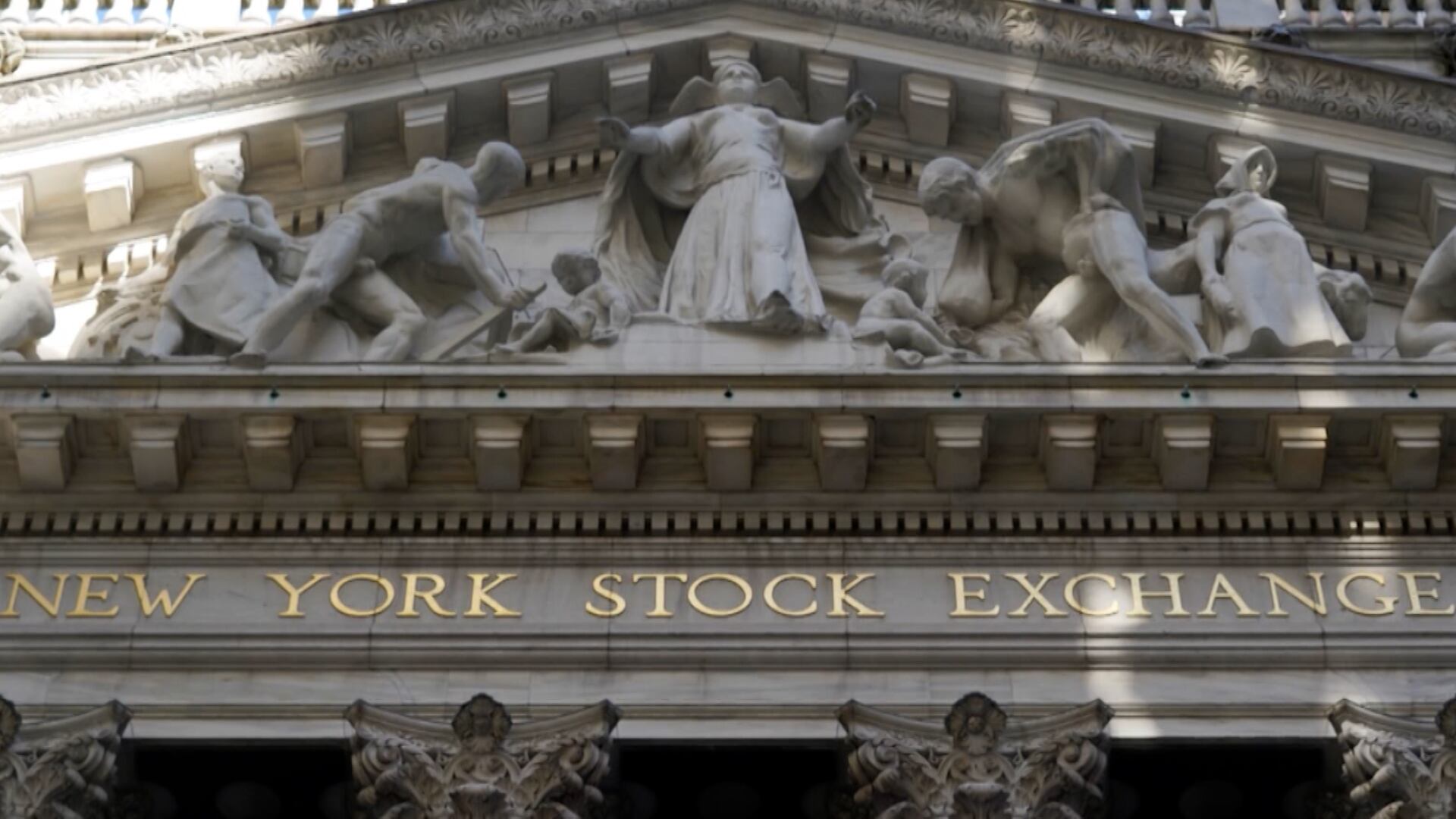
Peloton priced shares at $29 after the bell Wednesday, valuing the company at $8.06 billion as it prepares to make its public debut Thursday. That's at the high end of the original $26 to $29 price range Peloton was targeting. The company raised $1.16 billion in the offering.
Peloton is pitching itself to investors as more than just an at-home fitness company. With live and on-demand classes led by popular instructors, plus branded gear and clothing that members can flaunt in public, Peloton is hoping its cult-like following translates to a successful IPO.
Peloton boasts a loyal subscriber-base with over 1.4 million members that logged 55 million total workouts in fiscal 2019. In its S-1 filing, Peloton also said it had a 95 percent member retention rate which helped the company rake in $915 million in revenue. Most of that money came from sales of Peloton's high-margin and high-cost Connected Fitness Products.
The Peloton bike costs about $2,000 and its treadmill more than $4,000. The Connected Fitness Subscription, which allows members to stream classes for $39 a month, accounted for nearly 20 percent of Peloton's revenue for fiscal 2019.
Those classes are only getting more popular. Peloton says the average number of monthly workouts per connected subscriber has about doubled since the first quarter of 2017 to more than 12 workouts a month.
Still, losses for the company are widening. Peloton's annual net loss more than quintupled from $47.9 million in fiscal 2018 to $245.7 million in 2019. The company doesn't expect to achieve profitability in the near future.
Another reason that may give investors pause, Peloton is currently facing a $300 million lawsuit over the use of music streamed in its classes. The National Music Publisher's Association claims tracks from big-time artists like Taylor Swift, Adele, and the Beatles, have been used unlawfully. Peloton has spent $50.6 million on music licensing over the last three years.
Peloton will start trading Thursday on the Nasdaq Exchange under the ticker symbol PTON.
CreditCards.com senior industry analyst Ted Rossman compares the Apple Pay Later offering to similar four-step processes at Affirm and Klarna, and says this is a way for the tech giant to dive deeper into the financial industry.
Tech analyst Rene Ritchie discusses new EU legislation that will force iPhones to use a USB-C charger in fall 2024 and what that means for Apple's strategy in Europe.
Catching you up on the stories you need to know this morning, mass shooting victims testify on Capitol Hill, the White House outlines its plan to vaccinate kids younger than five years old, and we break down how to protect yourself from monkeypox.
There are now over 1,000 plant-based restaurants in the U.S. It's clear that people are hungry for vegan alternatives at restaurants nationwide. However, when it comes to pizza, vegan options don't have the best reputation. NUMU Food Group is looking to change that with its brand new vegan mozzarella. Mike Pytlinski, CEO of NUMU Food Group, joins Cheddar News to discuss.
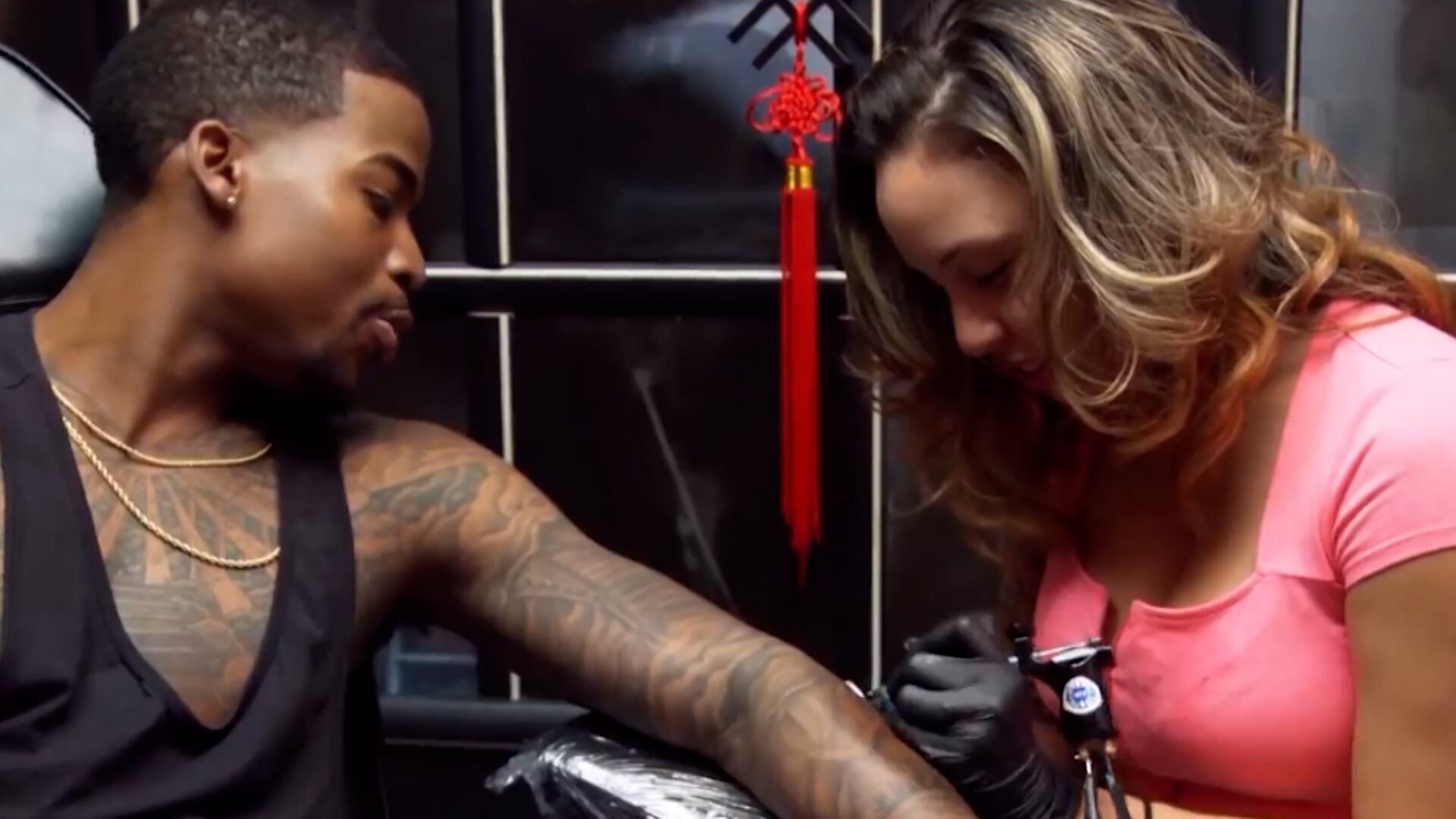
Tattoo artist Katrina "Kat Tat" Jackson, famous for starring in the VH1 hit series "Black Ink Crew: Chicago," is also the first Black woman to own a tattoo shop in Beverly Hills. She joined Cheddar News to discuss her trailblazing work, the stigma BIPOC tattoo artists face in the industry, and the way the space has changed for artists of color since her start. "In the beginning, I remember walking into a tattoo shop just like, hey, I wanna learn, I wanna be a tattoo artist and kind of just being laughed at, not taken seriously," she said. "Even with the tattoo conventions, a lot of African American tattoo artists were almost scared to go to conventions because it's not a welcoming environment."
Jack Miller, Head of Trading at Baird, joined Closing Bell to break down how the Securities and Exchange Commission's proposals would change the landscape for individual investors, as they face stiff opposition from brokerages like Robinhood.
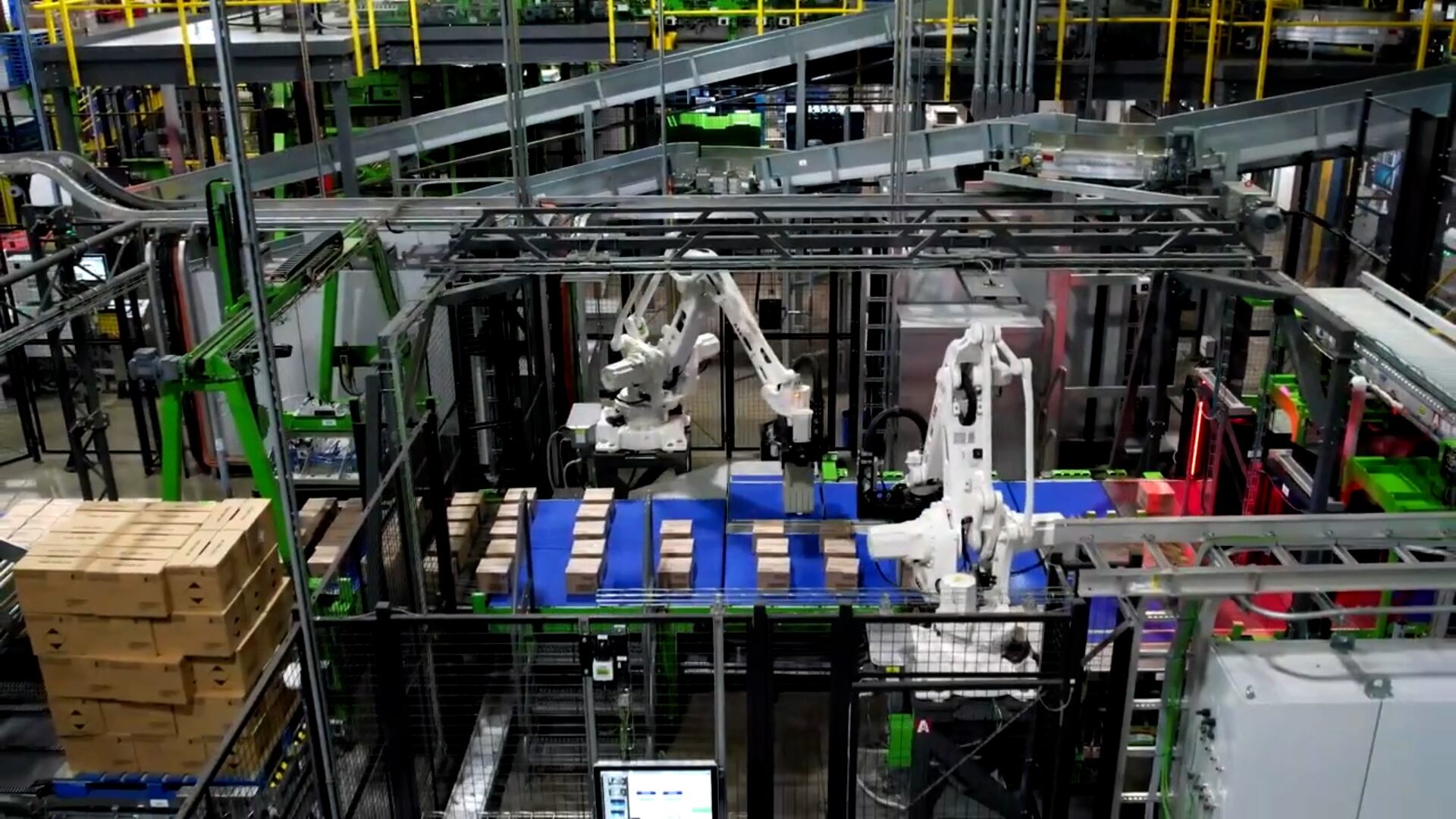
Robotics automation technology company Symbotic made its market debut on the Nasdaq via a SPAC merger with SVF Investment Corp. 3, a special purpose acquisition company sponsored by an affiliate of SoftBank Investment Advisers. Symbotic rang the Opening Bell at the Nasdaq to celebrate the occasion this morning. Its debut on Wall Street comes amid an urgent need for logistics solutions, as it aims to reimagine supply chains with its A.I.-powered robotic and software platform. Tom Earnst, CFO of Symbotic, and Vikas Parekh, managing partner at Softbank Investment Advisors, join Cheddar News' Closing Bell to discuss.