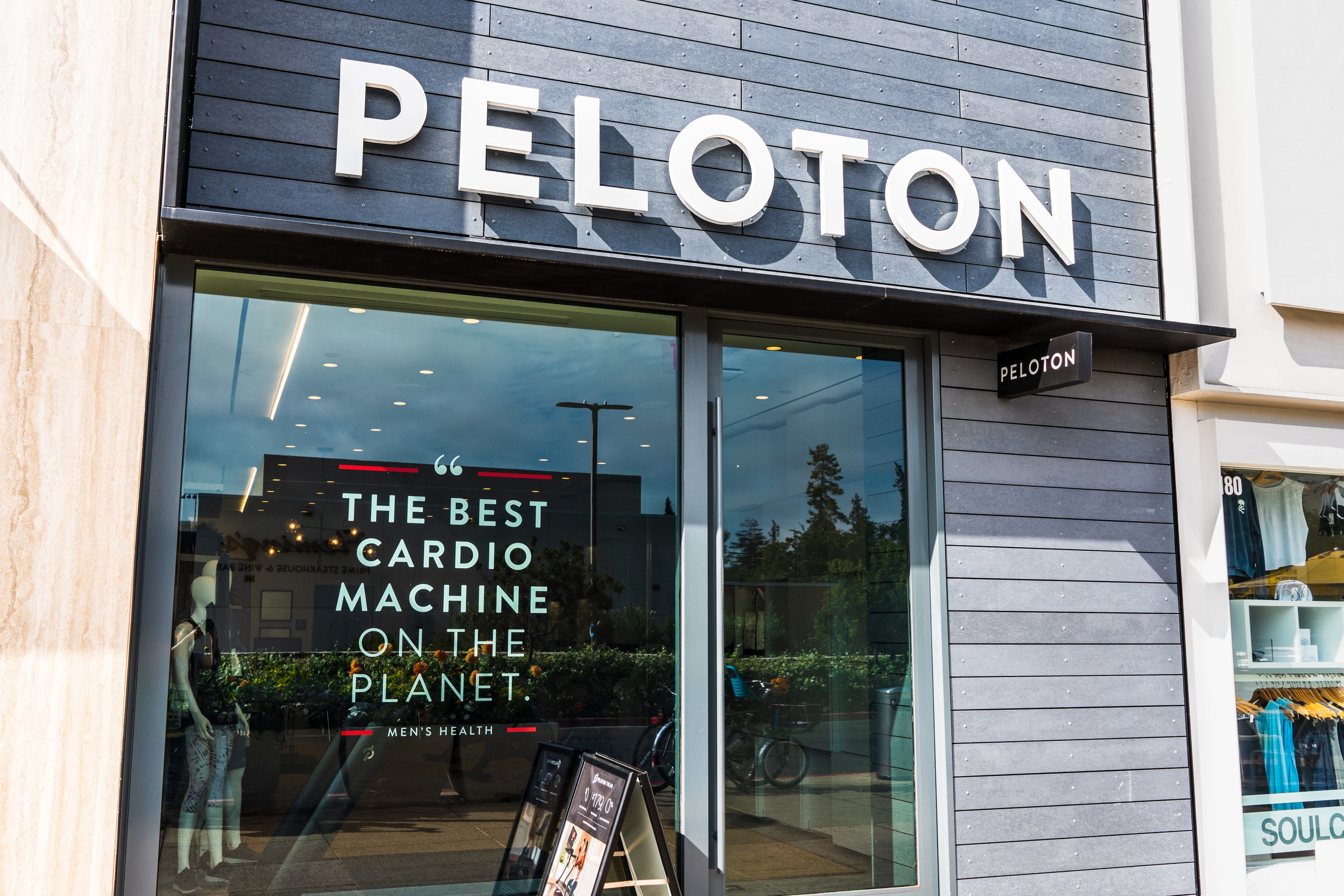
Peloton priced shares at $29 after the bell Wednesday, valuing the company at $8.06 billion as it prepares to make its public debut Thursday. That's at the high end of the original $26 to $29 price range Peloton was targeting. The company raised $1.16 billion in the offering.
Peloton is pitching itself to investors as more than just an at-home fitness company. With live and on-demand classes led by popular instructors, plus branded gear and clothing that members can flaunt in public, Peloton is hoping its cult-like following translates to a successful IPO.
Peloton boasts a loyal subscriber-base with over 1.4 million members that logged 55 million total workouts in fiscal 2019. In its S-1 filing, Peloton also said it had a 95 percent member retention rate which helped the company rake in $915 million in revenue. Most of that money came from sales of Peloton's high-margin and high-cost Connected Fitness Products.
The Peloton bike costs about $2,000 and its treadmill more than $4,000. The Connected Fitness Subscription, which allows members to stream classes for $39 a month, accounted for nearly 20 percent of Peloton's revenue for fiscal 2019.
Those classes are only getting more popular. Peloton says the average number of monthly workouts per connected subscriber has about doubled since the first quarter of 2017 to more than 12 workouts a month.
Still, losses for the company are widening. Peloton's annual net loss more than quintupled from $47.9 million in fiscal 2018 to $245.7 million in 2019. The company doesn't expect to achieve profitability in the near future.
Another reason that may give investors pause, Peloton is currently facing a $300 million lawsuit over the use of music streamed in its classes. The National Music Publisher's Association claims tracks from big-time artists like Taylor Swift, Adele, and the Beatles, have been used unlawfully. Peloton has spent $50.6 million on music licensing over the last three years.
Peloton will start trading Thursday on the Nasdaq Exchange under the ticker symbol PTON.
The PGA Tour has announced that it will suspend players that are competing in the LIV Golf event that teed off today. At least 17 players, including names like Phil Mickelson, Dustin Johnson, and Sergio Garcia are banned from the PGA Tour competition. Hilary Fordwich, a business analyst and golf expert, joined Cheddar News to discuss why the PGA had to go this route. This is a threat to the future of golf for them, and there's been many contentions about them not being fair and that this is vindictive," she said. "Don't forget, of course, they represent sort of a monopoly in the history of golf. So you've got two sides to this story. You've got those the purists, those that feel that golf should only be a certain way and that there are only these limited events that the PGA puts on. And then you've got other people who are saying … this is all about money"
Facebook parent Meta officially has changed it’s ticker symbol from ‘FB’ to ‘META’. Paul Meeks, a portfolio manager, Independent Solutions Wealth Management, and a professor of practice in the Baker School of Business at The Citadel, joined Cheddar News to discuss why the tech giant has had to make big changes to its name, its ticker, and its business plans. "When you see what's happening in digital advertising — and there was a slowdown there even before the threat of a recession, which could cause a even more drastic slowdown next year — they had to pivot," he said. Meeks noted he sees Facebook dominating in the metaverse space going forward — whatever that may end up being.
Sports merchandising company Fanatics announced it will be making trading cards featuring college athletes, a deal made possible by the NCAA's change to NIL rules for its players. Anchors Kristen Scholer and Ken Buffa break down the deal for Cheddar.
Catching you up on today’s top business headlines with household wealth falling in Q1 for the first time in two years, Meta officially changing its ticker symbol from ‘FB’ to ‘META’, and updates on Tesla.
The European Union has approved a 40 percent quota for women to sit on company boards. This comes as only 9 of the 27 EU member states have gender equality legislation.
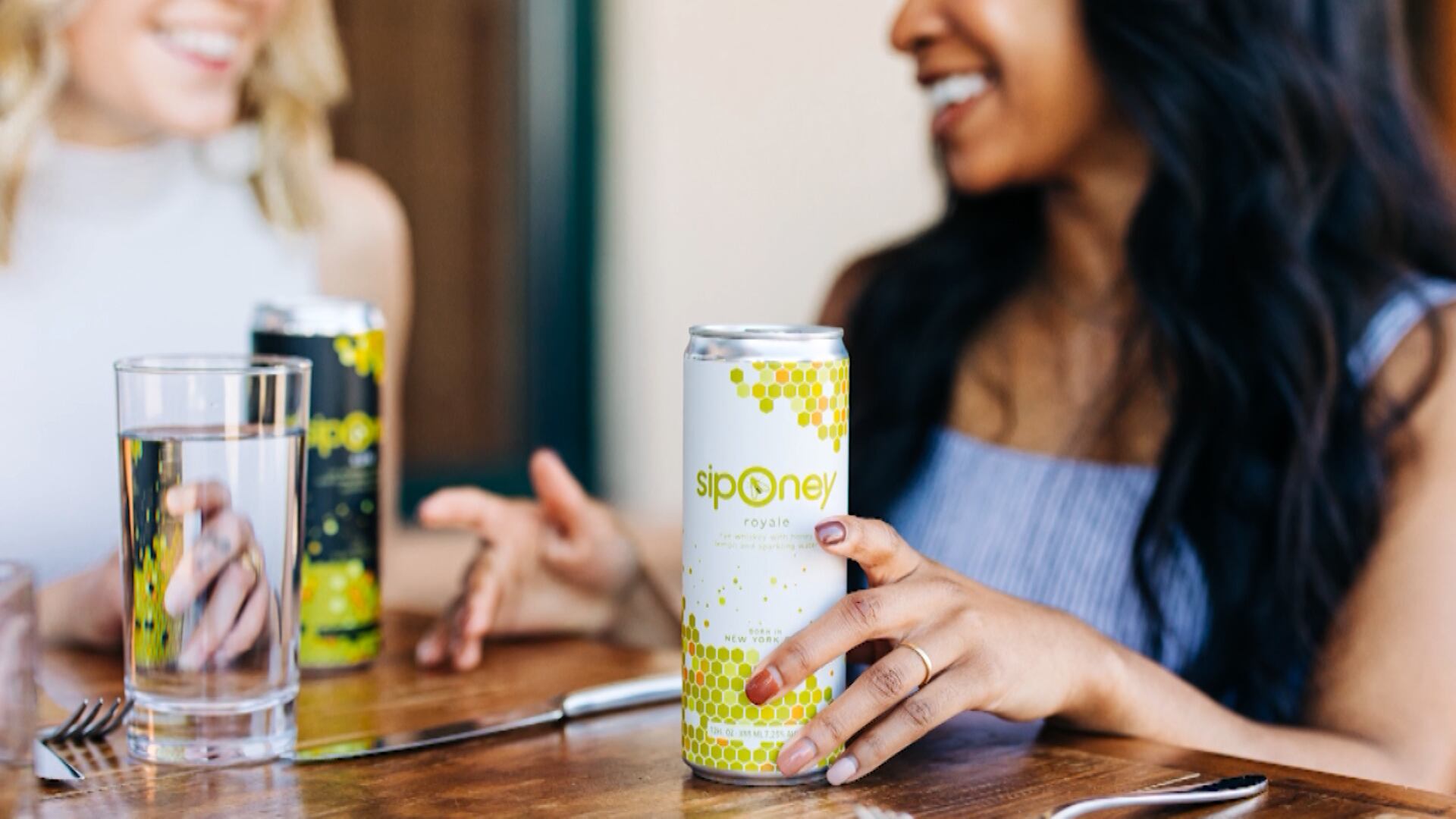
Amanda Victoria, co-founder and CEO of Siponey, joins Cheddar News to talk about the company's canned cocktails. The spritz is made with only four ingredients — wildflower honey, aged rye whiskey, sparkling water, and fresh lemon juice.
Officials and power operators are bracing the public for blackouts caused by higher-than-average temperatures this summer. Utility officials in California and Arizona are warning of potential interruptions this summer due to the strain on energy supplies. Heat waves and drought conditions weaken power grids and available electricity reserves. This also makes hydroelectric power less reliable and raises the risk of wildfires.
Cisco DeVries, CEO of OhmConnect, joins Cheddar News to discuss.